
Myanmar has been experiencing an acute affordable housing crisis for years. According to a report by the Asian Development Bank, in Yangon alone, the largest city with an estimated population of 5,430,000 (2016) and the country’s capital until 2005, when it was replaced by Naypyidaw, 100,000 homes are needed each year.
Faced with such a huge problem, conventional solutions are unattainable for the majority of the population, so the local architecture firm Blue Temple has devised a project that tackles the issue in a promising way. This is Housing NOW, a social initiative that responds to the urgent need for decent, safe and affordable housing, especially for low-income communities and displaced persons.
The design: a modular, prefabricated system
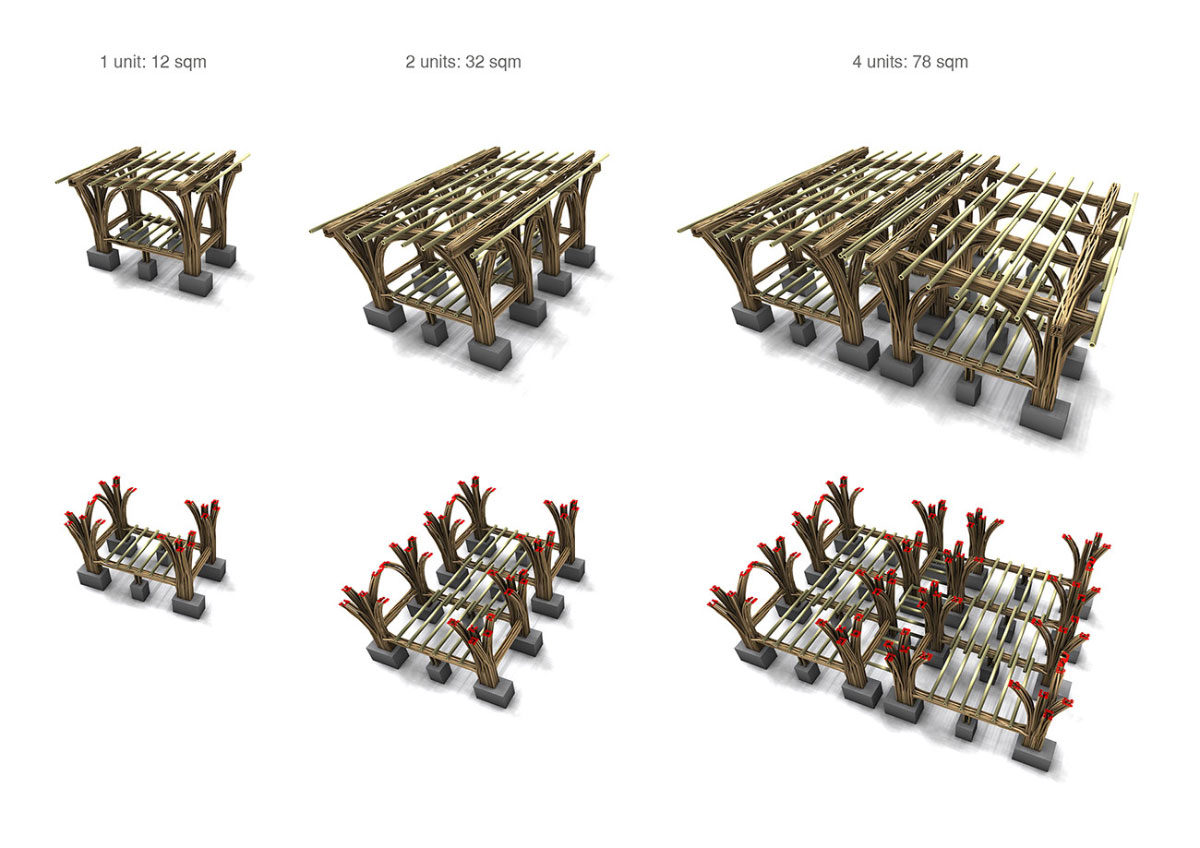
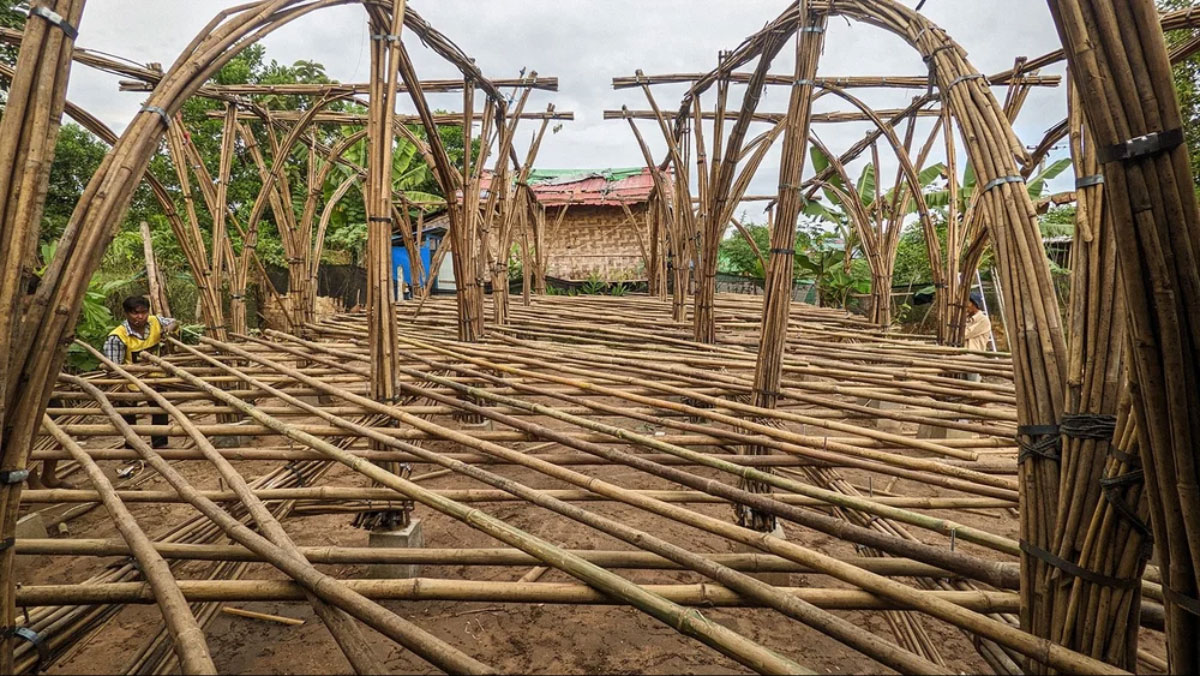
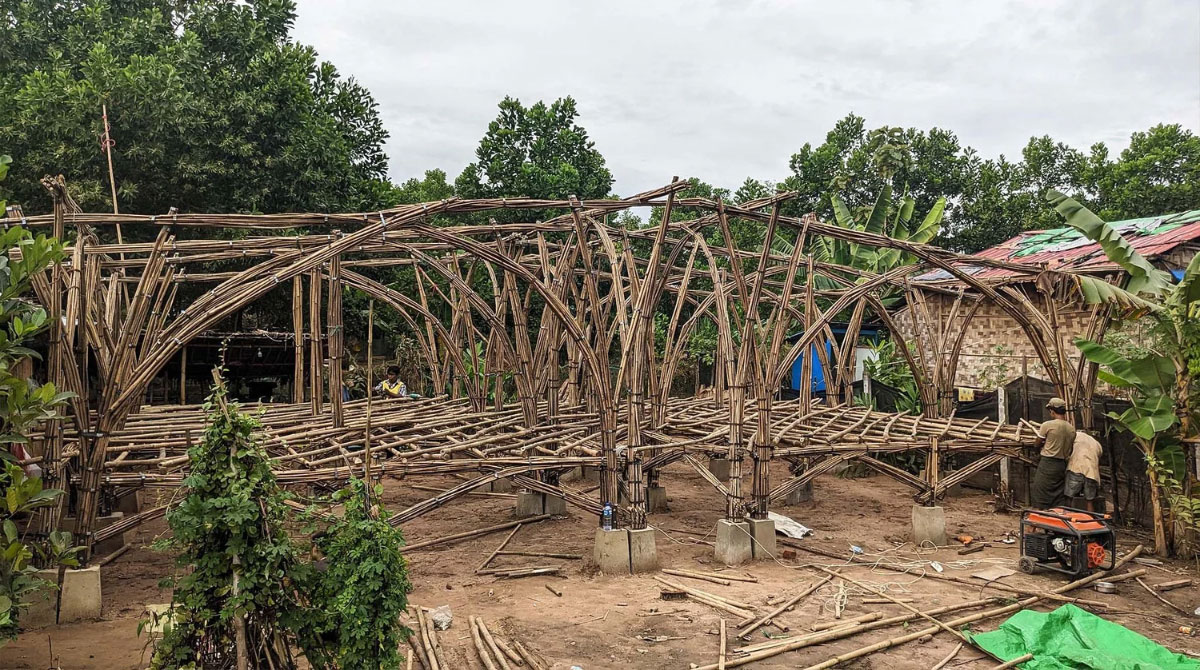
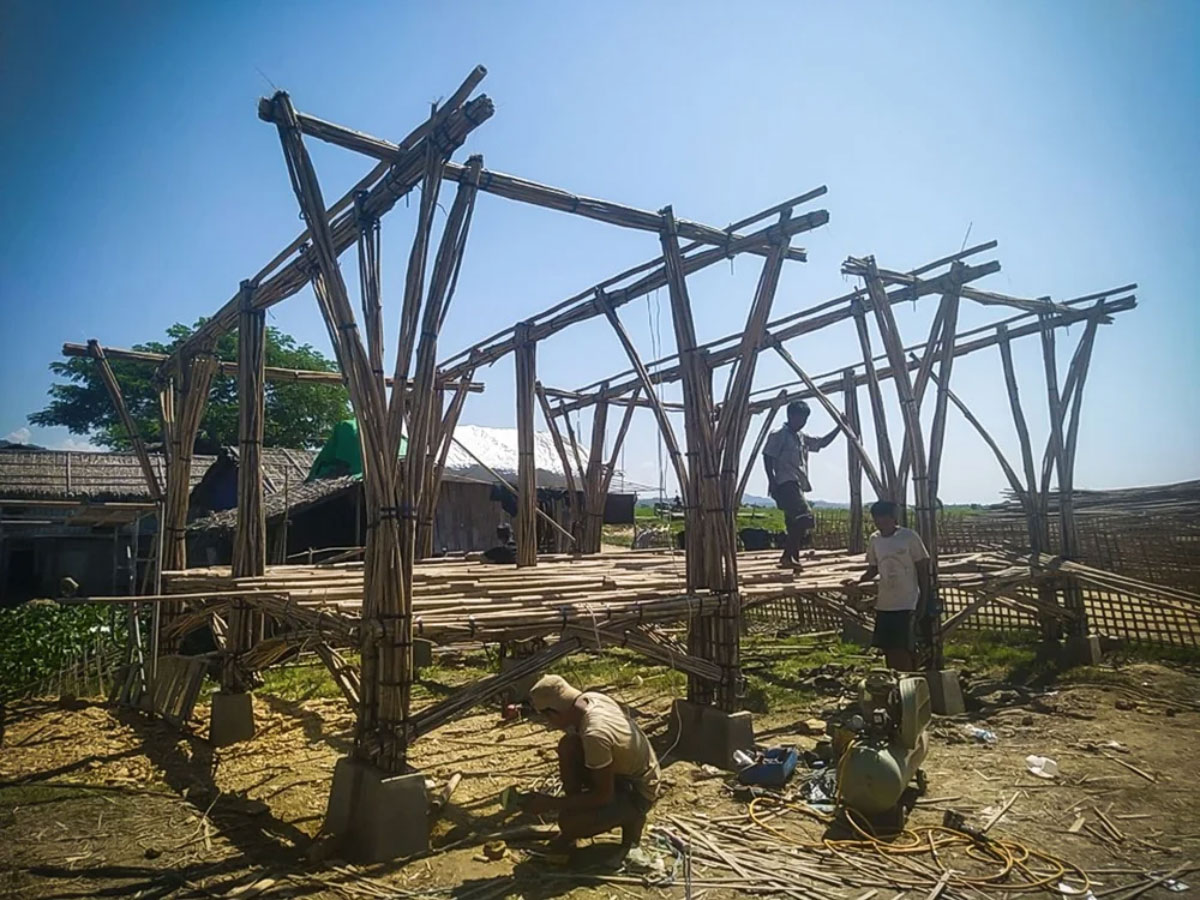
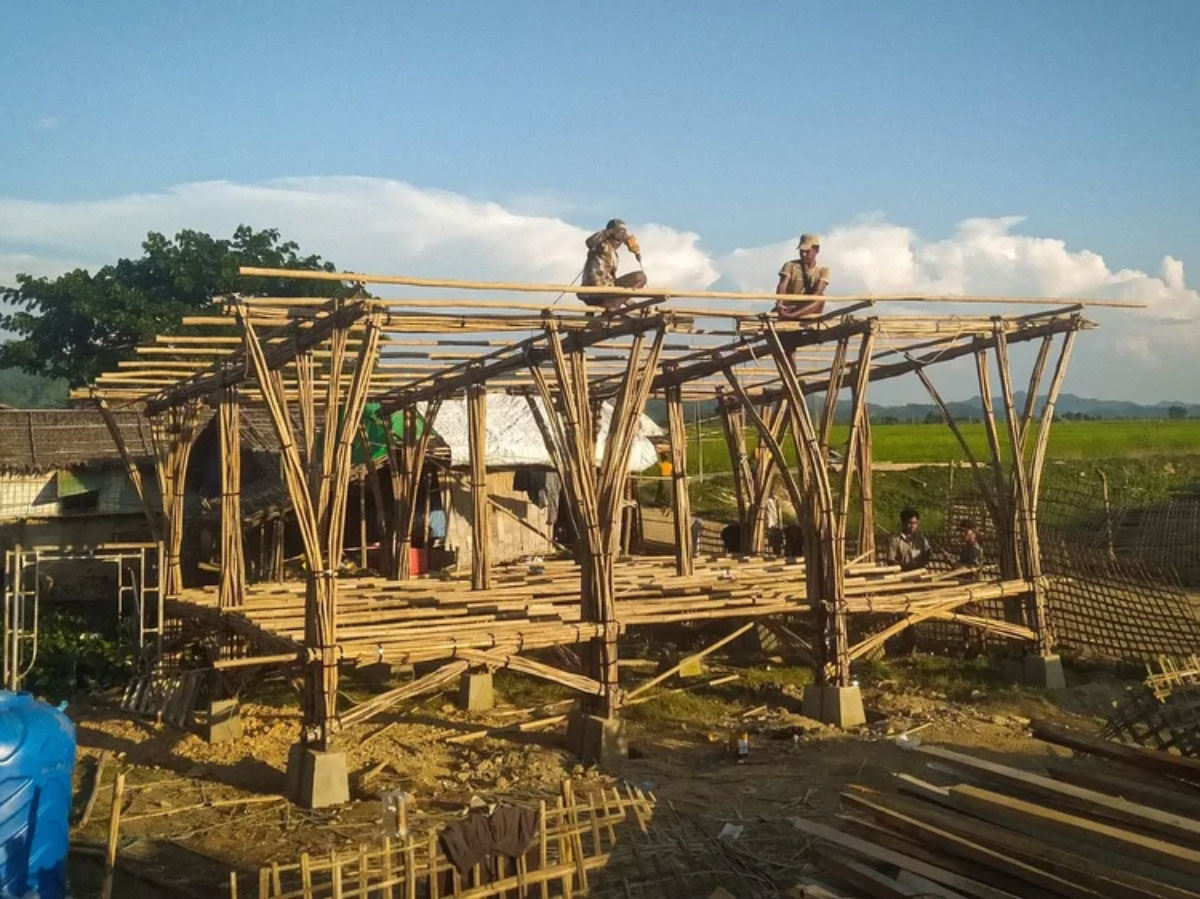
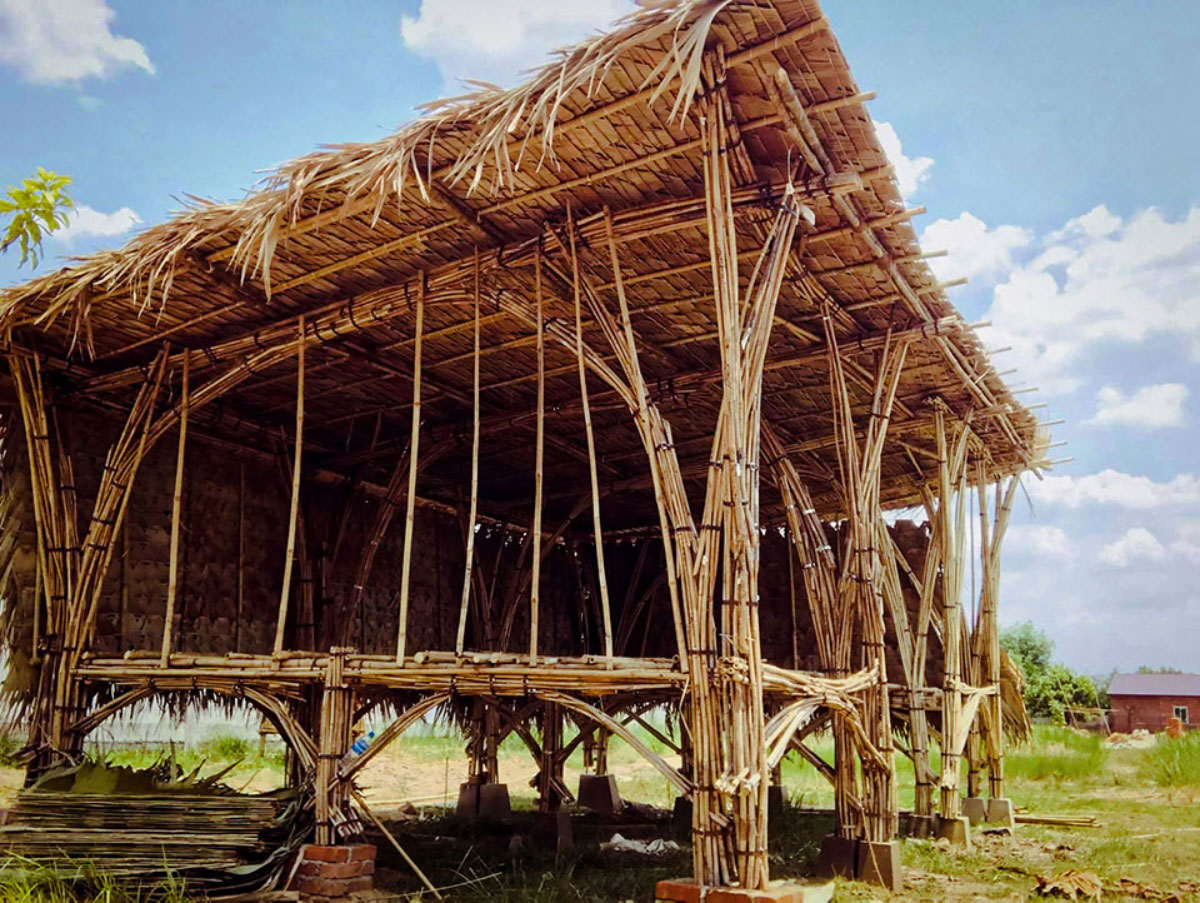
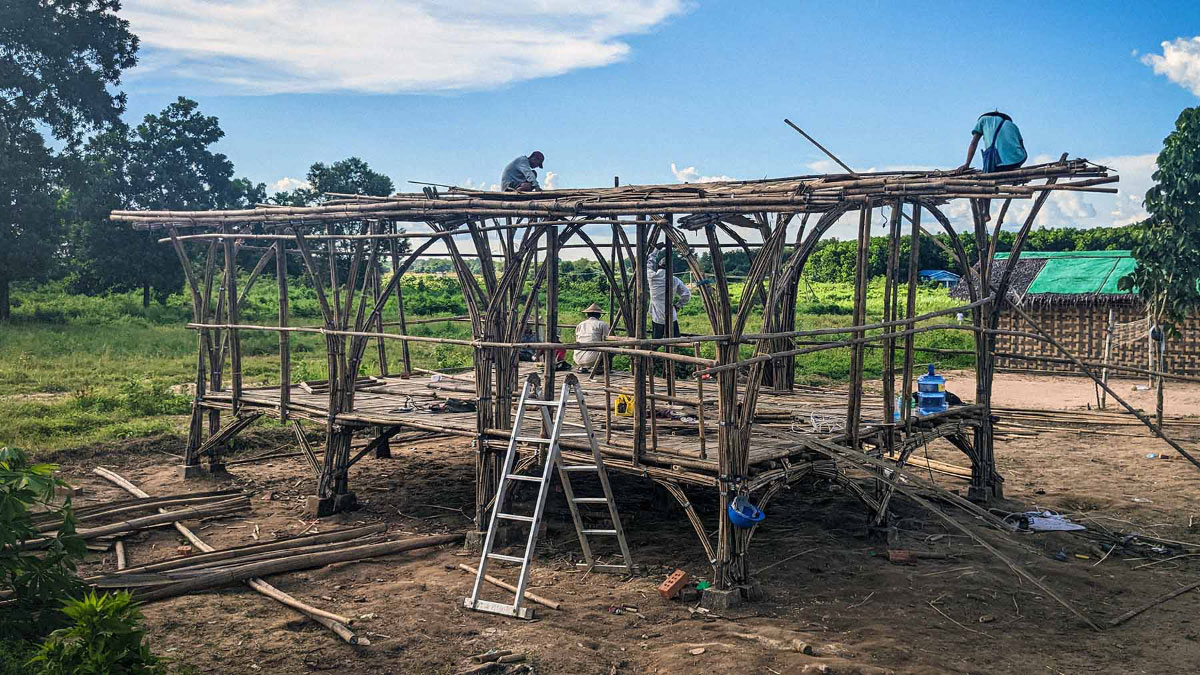
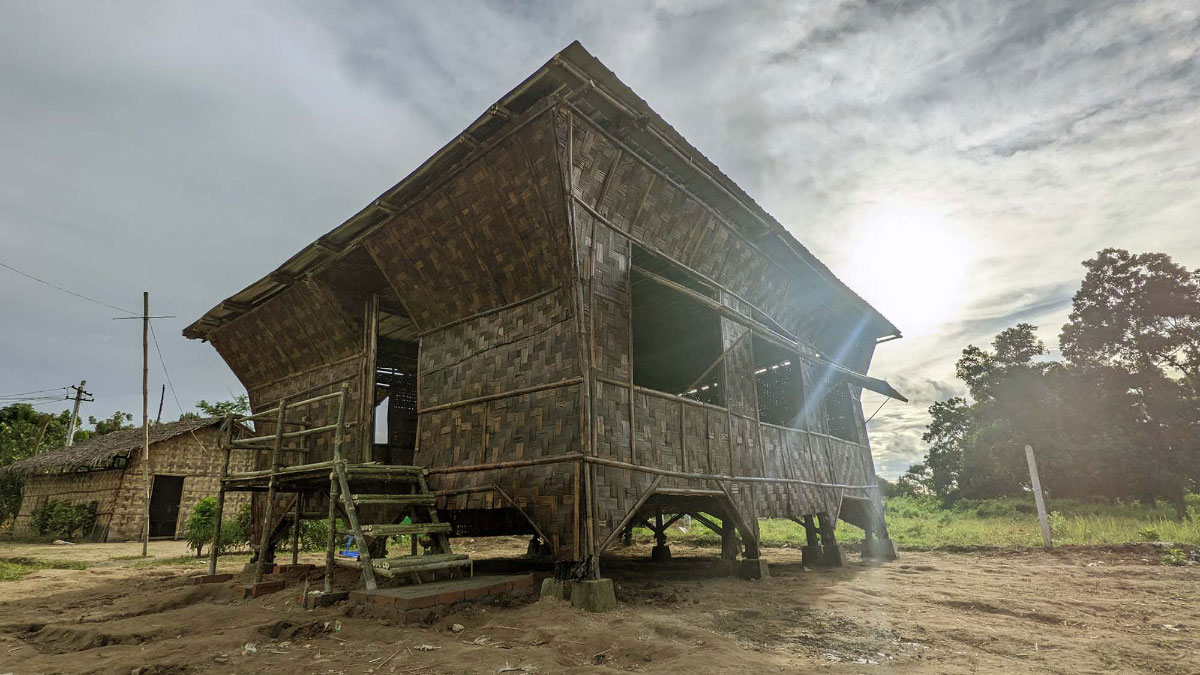
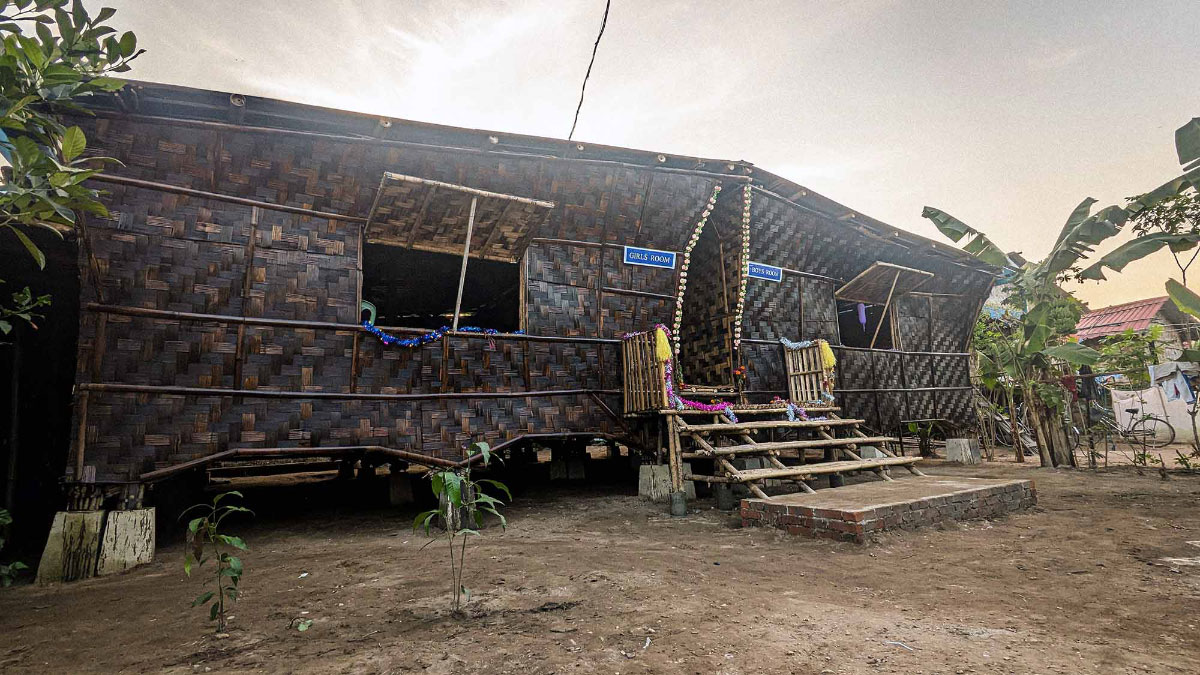
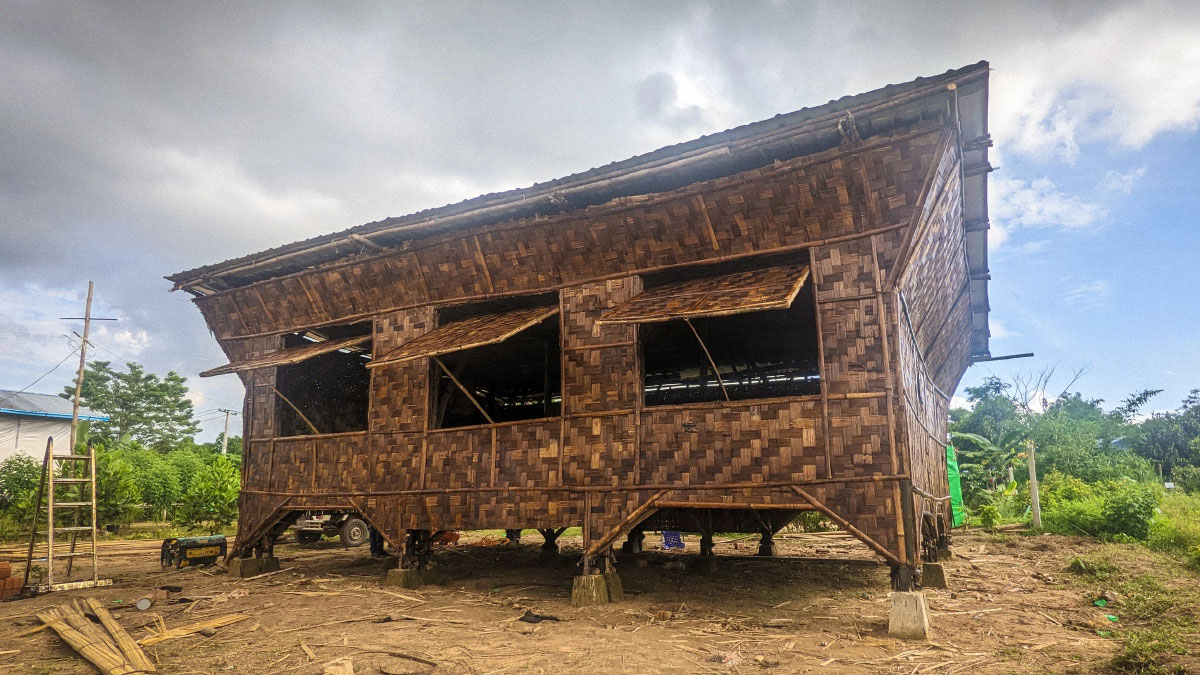
The proposal is based on a hybrid construction system: on the one hand, a prefabricated bamboo structure is mass-produced centrally; on the other, the foundations are laid and the cladding and other elements are constructed locally, at the site where the house is to be built. It is precisely this structural framework that is at the heart of the project.
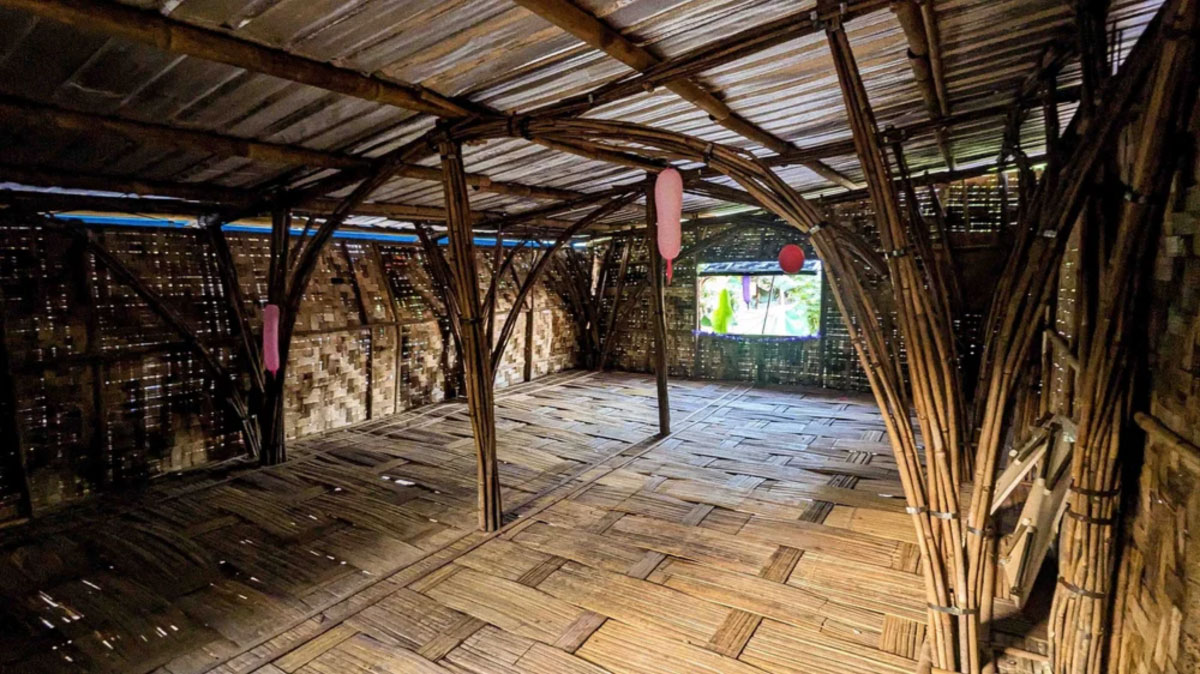
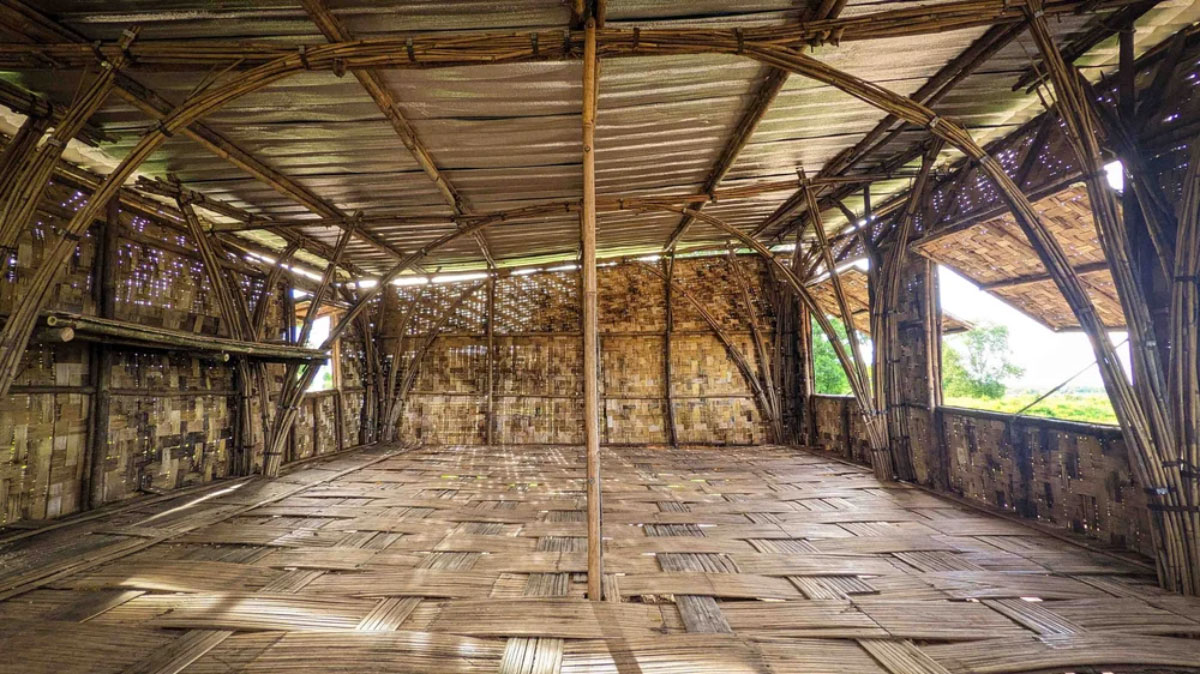
The innovation lies in the use of small-diameter bamboo beams, a material often considered waste. Now, bound together in sufficient numbers by metal straps, they form the essential modules of the house’s support structure. This structural system, designed to distribute seismic loads and withstand strong winds, takes on vaulted and intertwined forms that are both elegant and extremely resistant.
The most eloquent proof of its effectiveness came with a 7.7 magnitude earthquake on the Richter scale near Mandalay: a group of 26 newly built houses just 15 km from the epicentre remained intact.
The construction method: community participation and local adaptation
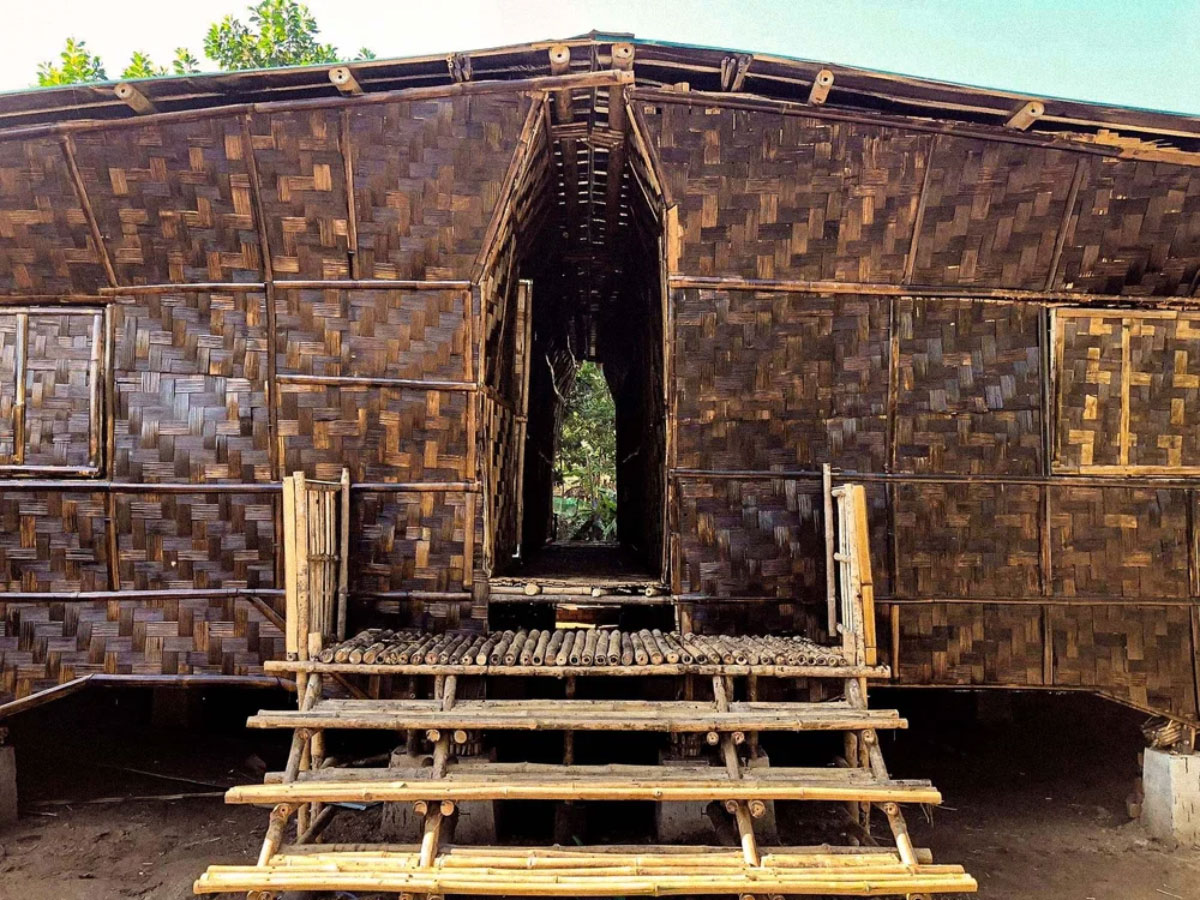
The construction process prioritizes accessibility and family autonomy. The structural modules are assembled at a production centre in Bago City and then transported on a specialized trailer across Myanmar’s challenging terrain. Once on site, the prefabricated system greatly simplifies home construction. After the concrete foundations are laid, assembly requires only simple tools, allowing families to participate in and even lead the construction of their homes. The materials used for roofs, floors, and walls vary according to local resources and the residents’ preferences, giving them the flexibility to personalise and make the space their own.
A market-focused strategy
Beyond its social impact, the project is based on a meticulous business model. Blue Temple identifies three main markets: non-governmental organizations, companies that offer housing as an employee benefit, and individual families through micro-loans facilitated by financial partners.
Furthermore, its growth strategy has been planned in stages. It began with a prototype and a pilot project, followed by the establishment of its first production centre and partnerships with several NGOs. The medium-term goal is to build a local network with micro-finance institutions and builders to expand its reach. This approach, with a clear roadmap and growth projections, seeks to demonstrate that it is possible to address a social problem with the efficiency of a business.
An impact that transcends housing
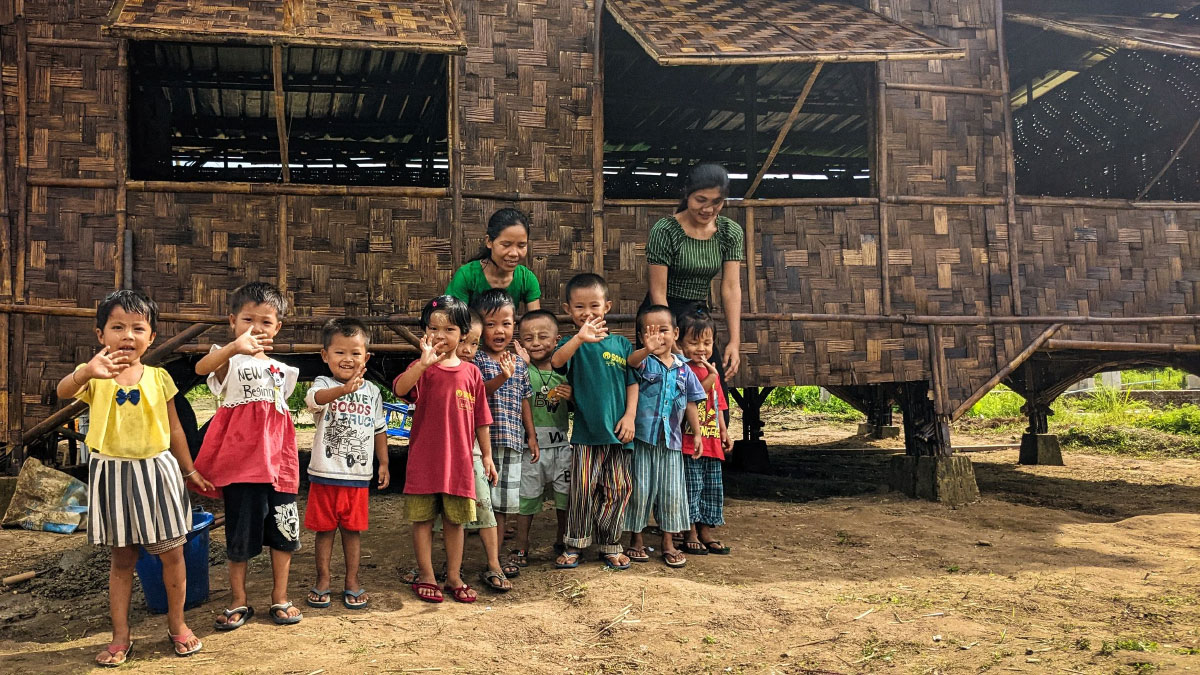
Costing between €860 and €1,120 per unit, these houses, in addition to providing shelter, offer low-income families, many of whom have suffered displacement and trauma, a stable and secure space that restores their dignity and a sense of normalcy.
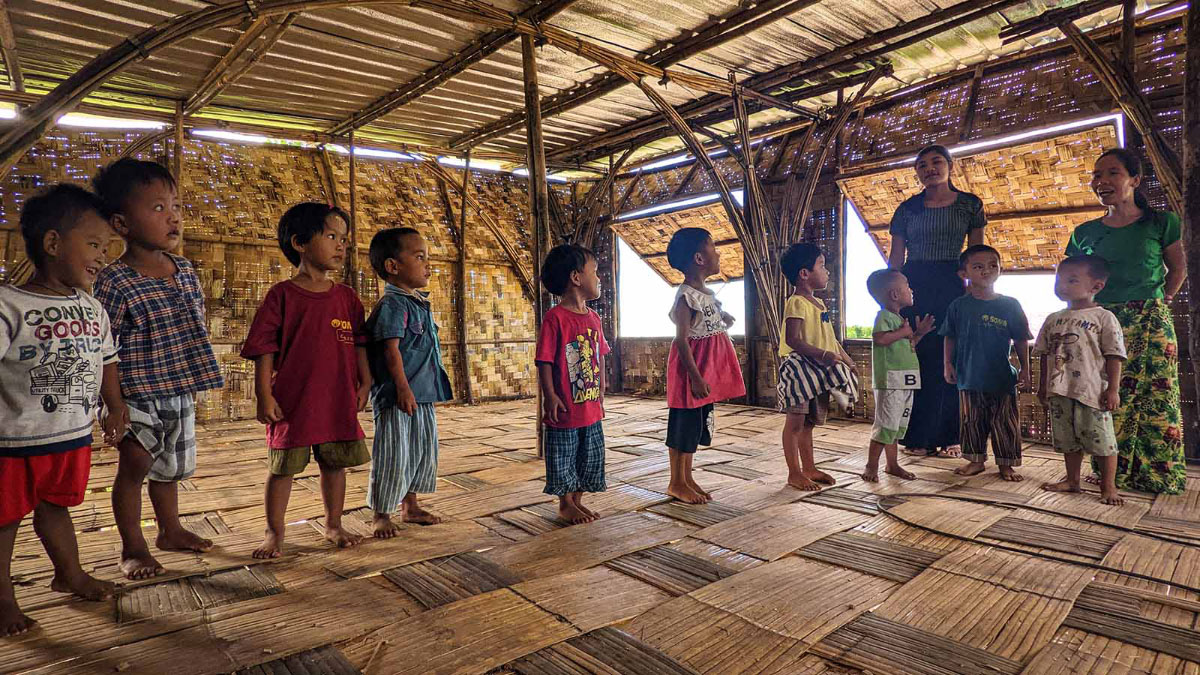
To date, the project has completed 75 buildings, including family homes, a clinic, a preschool, and an orphanage. As you can see, architecture that combines vernacular intelligence, innovation, and a solid business strategy generates a tangible and lasting impact.
Sources: Housing NOW, Blue Temple, Azure Magazine.
Images: Housing NOW.