
MEP (Mechanical, Electrical and Plumbing) installations are essential for the safe and continuous operation of any building. Although the service provided by these installations can be interrupted by multiple contingencies, there are nevertheless cases in which such interruption is simply not acceptable. These are situations in which, if they stop working, people would be put at risk or significant economic losses would be incurred; on other occasions, it is the design itself that requires continuity.
In these contexts, in which we classify MEP installations as critical infrastructure, their operational continuity depends on two factors: reliability and redundancy. There are a number of indicators that assess the probability of failure and the time required to restore service. One such classification, based on redundancy codes, is the Uptime Institute’s Tier Classification. This differentiates between several degrees of availability for MEP facilities:
–N (basic): consists of a single capacity configuration, without backup components.
–N+1 Partial: occurs when independent equipment is duplicated, although it requires system shutdown for maintenance.
–N+1 Complete: this configuration duplicates critical equipment with diversified paths and allows maintenance without interrupting service.
–2N or 2N+1: in this case, the duplicated systems are completely independent, capable of withstanding failures without affecting operation.
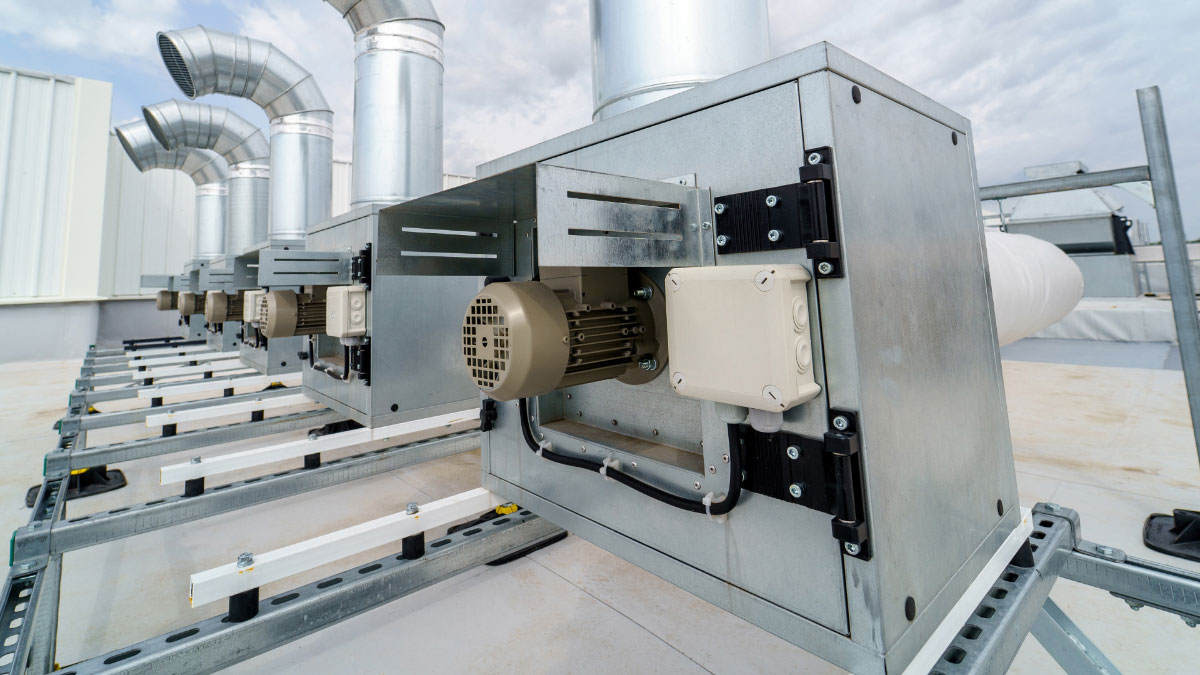
The application of these principles is illustrated by specific examples: the redundant configuration of electric generators and UPSs (Uninterruptible Power Supply), the duplication of chillers, pumps or air handling units, backup power supplies for fire detection systems, or reserve pumps in water supplies.
However, redundancy poses significant challenges. Redundant systems are significantly more expensive to install and maintain, take up considerable physical space, and increase complexity and total cost of ownership. They also require rigorous maintenance and periodic checks to ensure fast and reliable switching when needed.
To resolve this issue, the current focus is on advanced monitoring and fault prediction, with the aim of simplifying redundant systems and making them more efficient. The idea is to achieve high availability through intelligent management that ensures operational continuity without incurring excessive costs.
By Juan Carlos Soria, Senior MEP Engineer in the Architecture Department at Amusement Logic