

From BIM methodology to BOS systems
How to link the data from the 3D model with the dynamic reality of the building in operation.
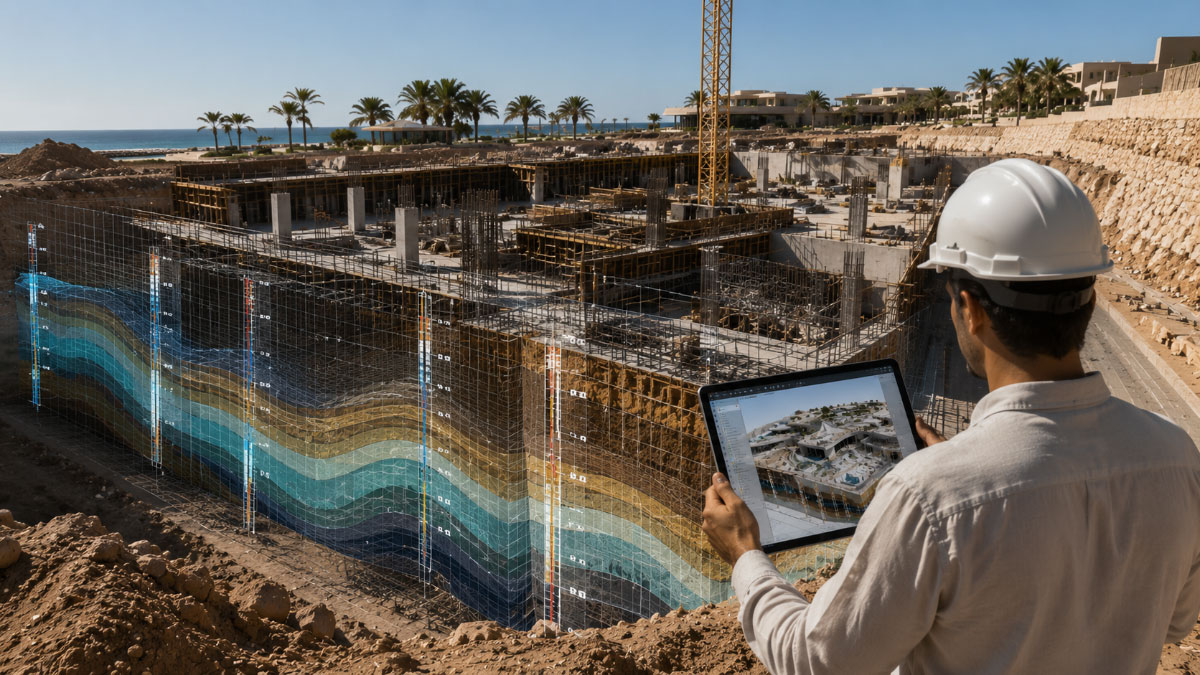
Modelling the unknown: BIM versus the complexity of the terrain
A dynamic platform that bridges the gap between the design of leisure and tourism facilities and what actually happens on the ground.

ISO 19650-4 for information exchange in BIM methodology
Its objective is to ensure that the information is adequate and complies with established quality and validation criteria.
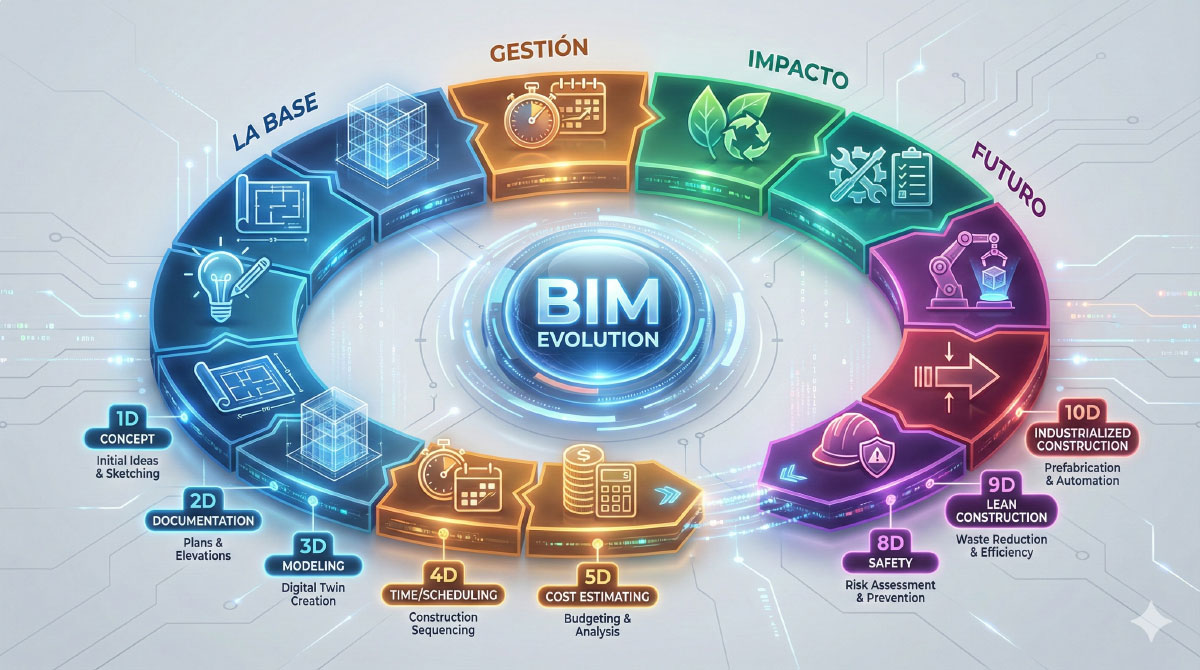
The 10 dimensions of a BIM methodology project
Each stage in the development of an asset corresponds to a dimension that incorporates a layer of control and optimisation.
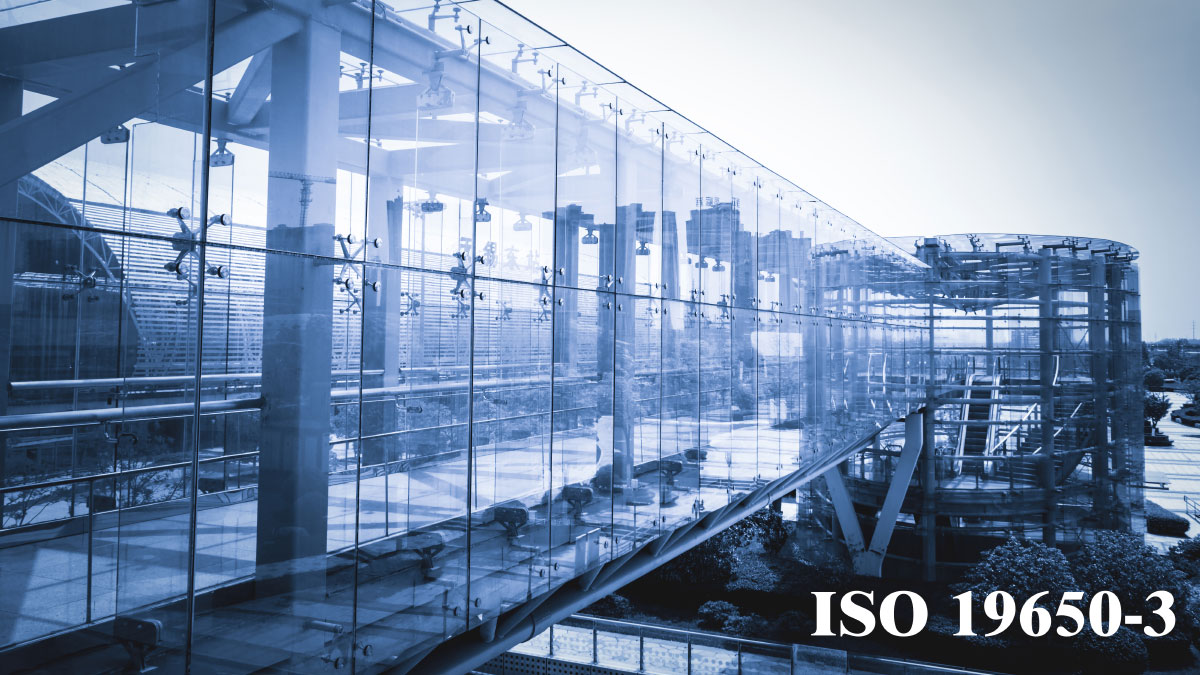
ISO 19650-3 for BIM: Information management in the operation phase
Improved maintenance and operation, reduced operating costs, extended service life, better risk management...

Final analysis of BIM 2.0 platforms: the last three instances
We conclude the series dedicated to BIM 2.0 methodology in construction and architecture, with three additional platforms.
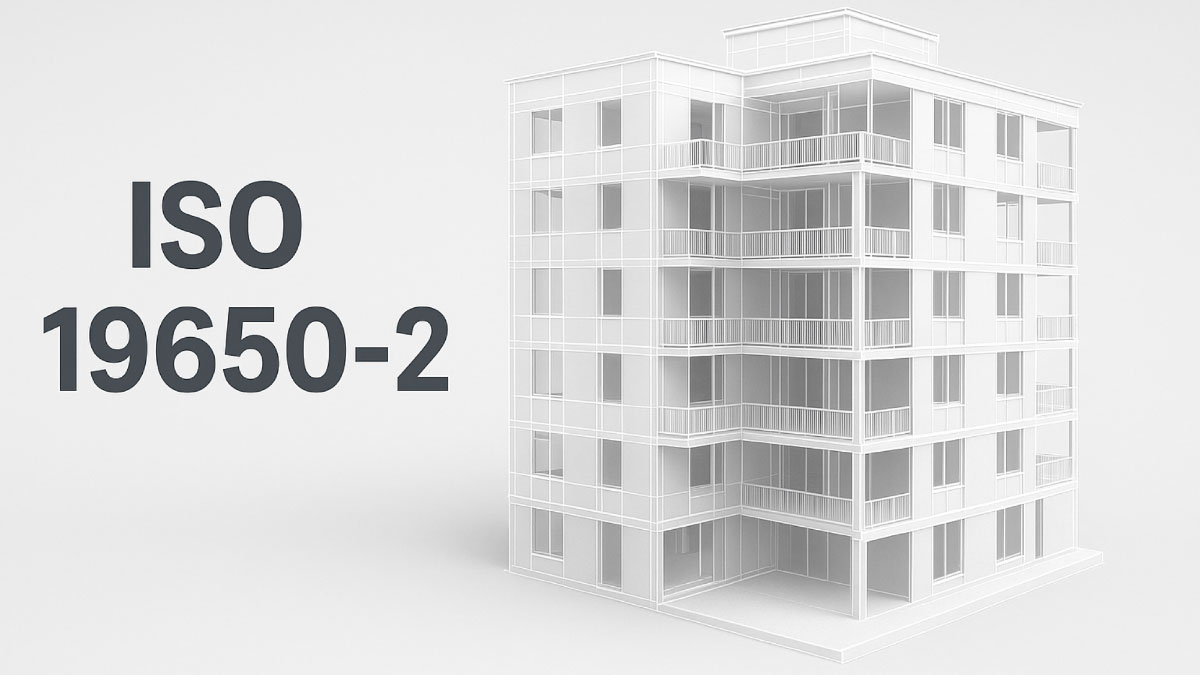
ISO 19650-2 for BIM, plus fundamental principles
Part 2 of the standard deals specifically with the development phase, in other words, the design and construction of the project.
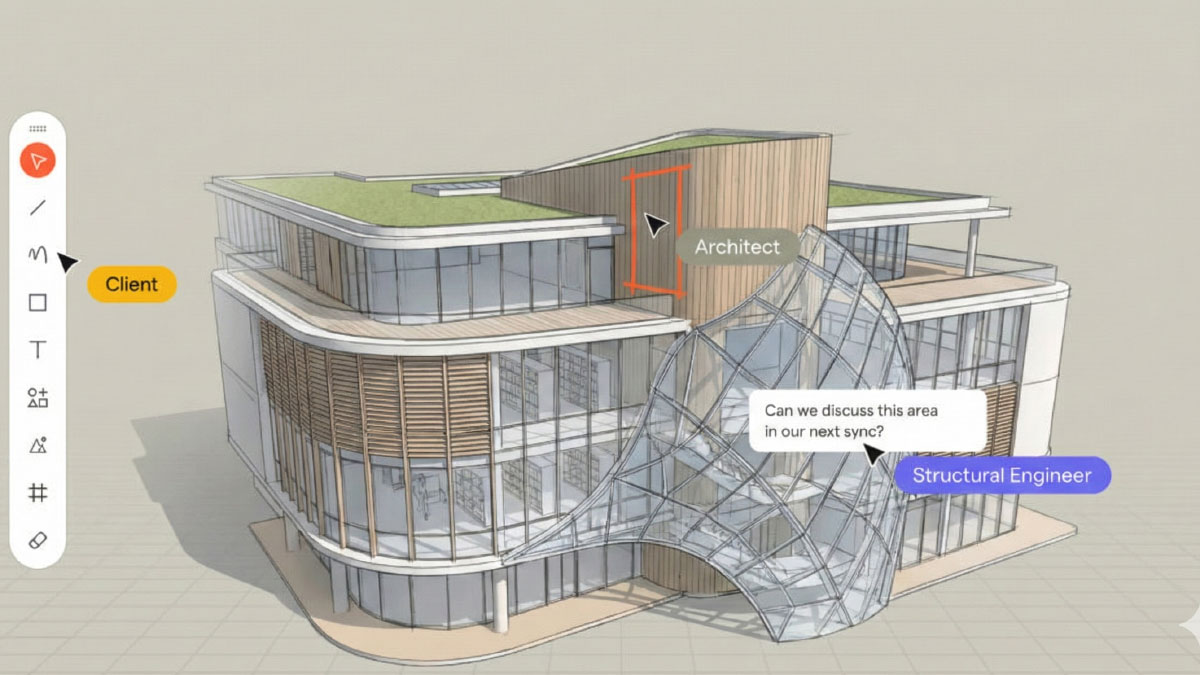
Towards the future of architectural and urban design: more BIM 2.0 platforms
A new review of the BIM 2.0 platforms that are setting trends in the architecture and construction sector.
ISO 19650-1 for BIM, core principles
Necessary framework for organisations to adopt BIM methodology in an orderly, collaborative and efficient manner.
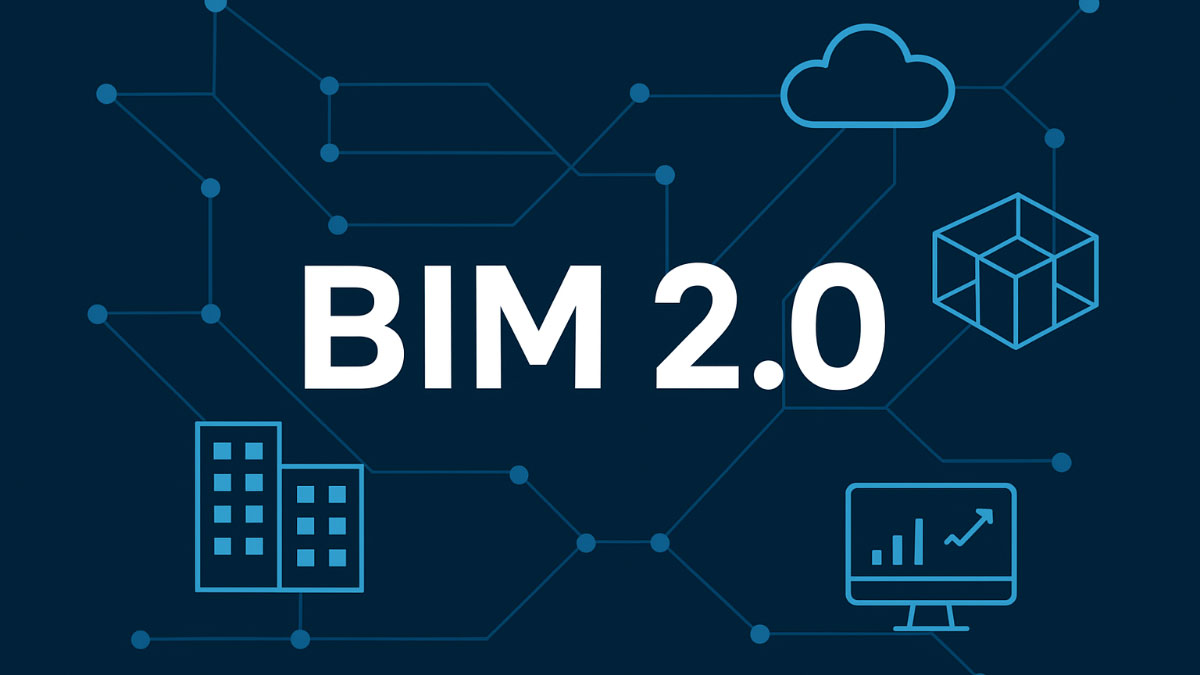
Towards the future of architectural and urban design: BIM 2.0 platforms
A system powered by artificial intelligence, generative algorithms, data, and digital twins hosted in the cloud.
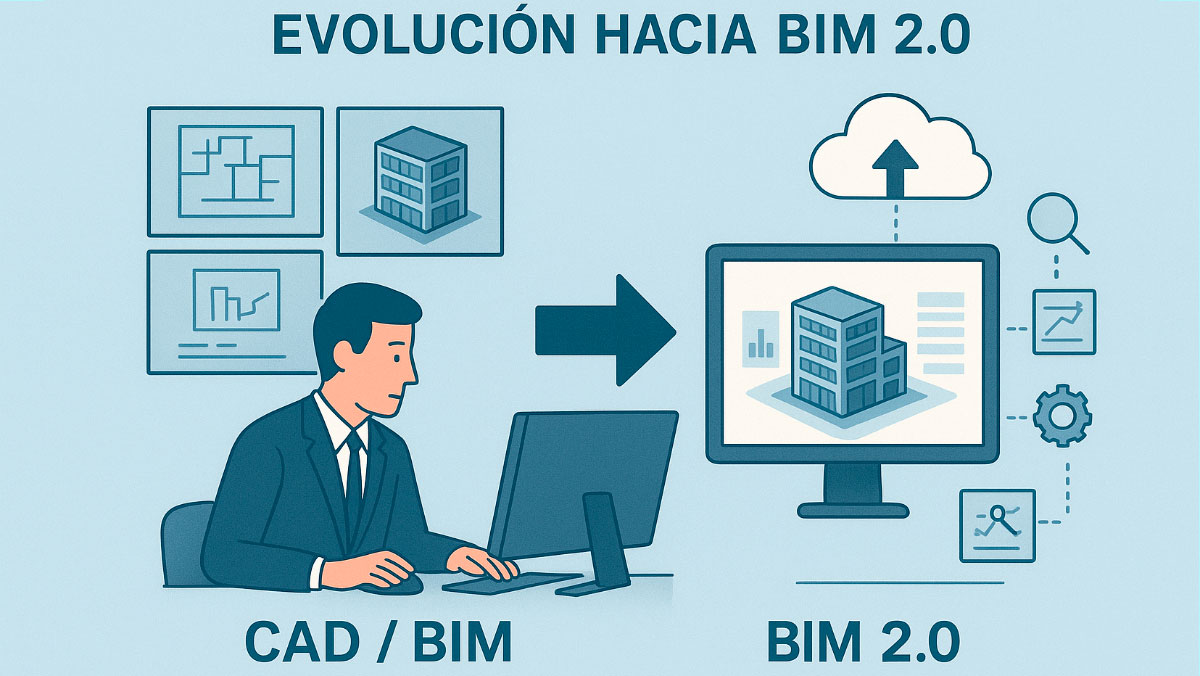
What is BIM 2.0 and why do we need it?
Modern architecture faces two main challenges with the tools currently at its disposal.
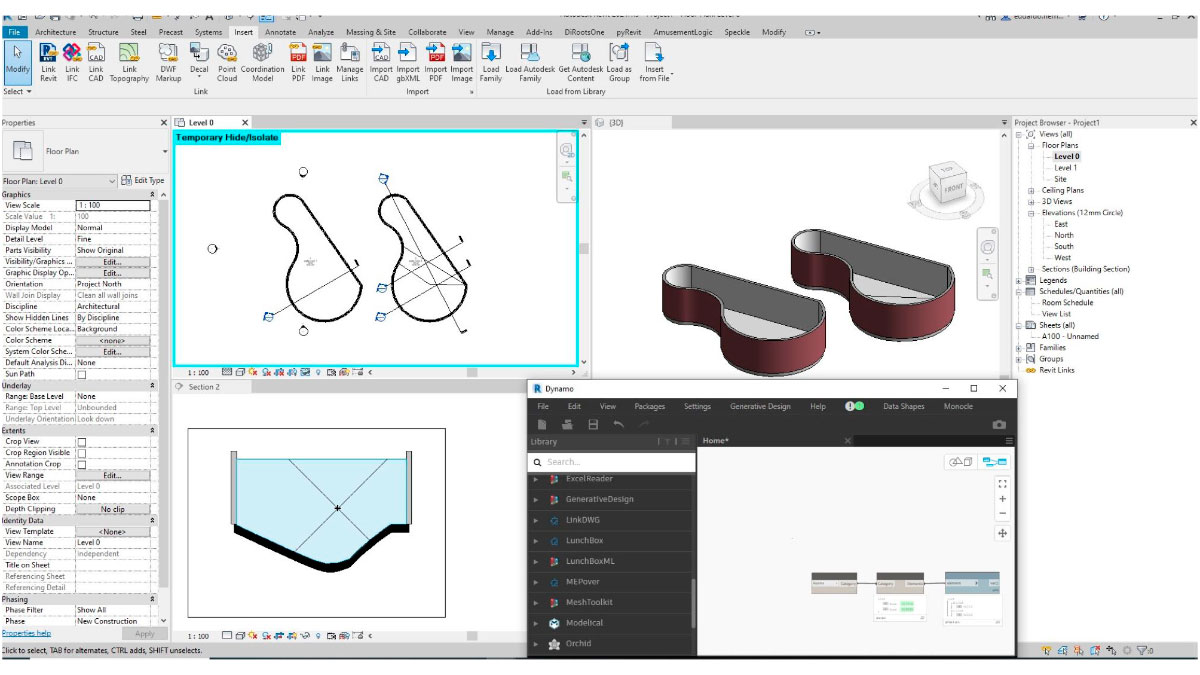
Innovation in the design of water parks using BIM methodology
Guarantee of permanent coordination between architectural design, structural engineering and hydraulic needs.