
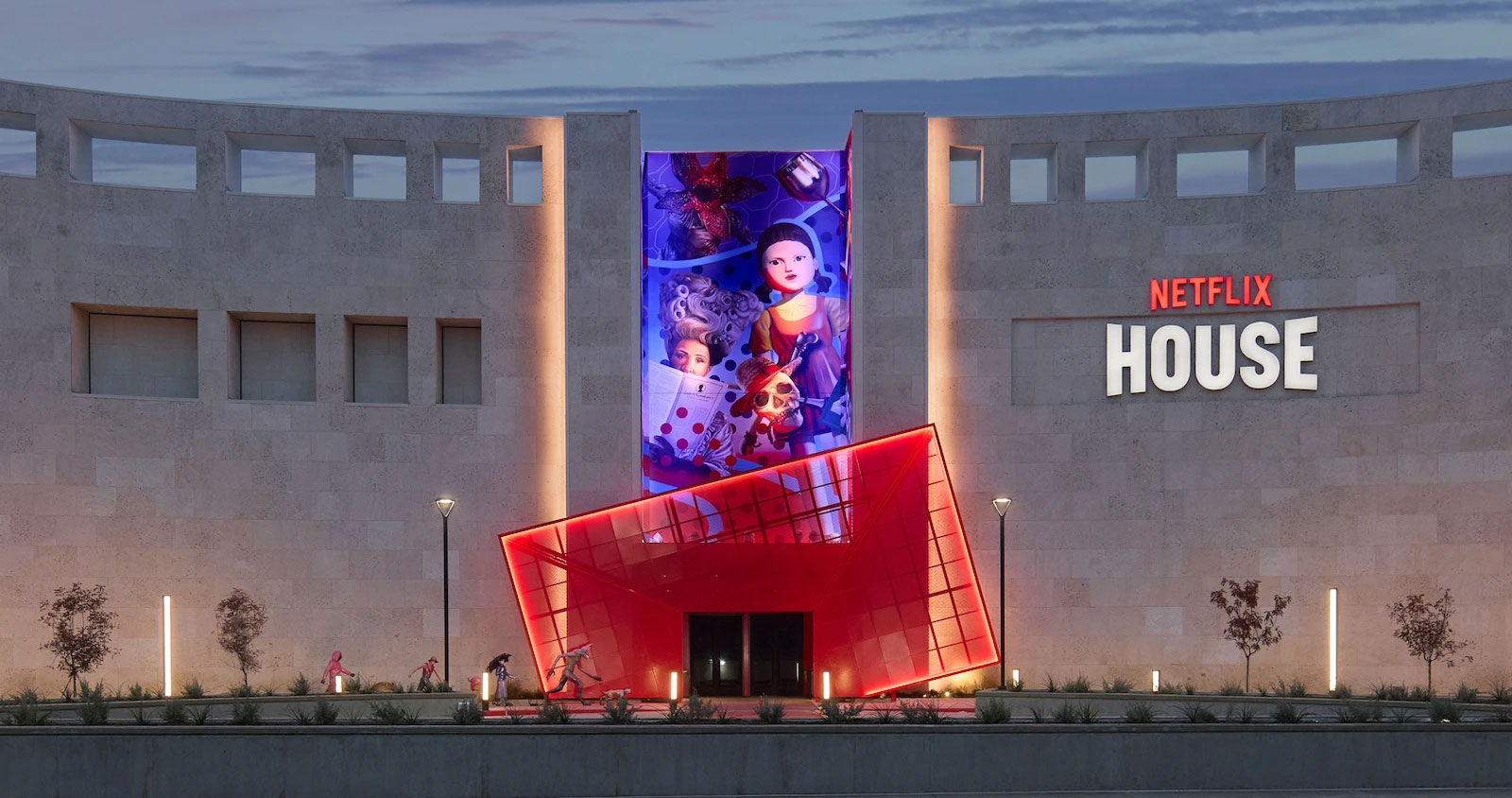
It could be said that the entertainment industry has opened a new chapter in leisure activities; or is the transformation of the most popular series and films from digital streaming platforms into immersive physical experiences not a new chapter? Indeed, these new attractions, dubbed “Stream Parks” by some industry reports, are beginning to develop a new concept of theme park. A pioneering and tangible example of this trend is Netflix House, a platform that has converted former department stores and shopping centres in the US into permanent spaces dedicated to the most popular sagas from its digital offering.
According to a report in Bloomberg CityLab, Netflix House aspires to be more than just a merchandising store or a temporary exhibition. It is a “permanent brand activation” that combines cinema, restaurants, retail shops and interactive attractions. The first of these Stream Parks, opened in late 2025 in the King of Prussia shopping centre (Pennsylvania), occupies almost 10,000 m2 of a former department store.
A hybrid model between a theme park and a leisure centre
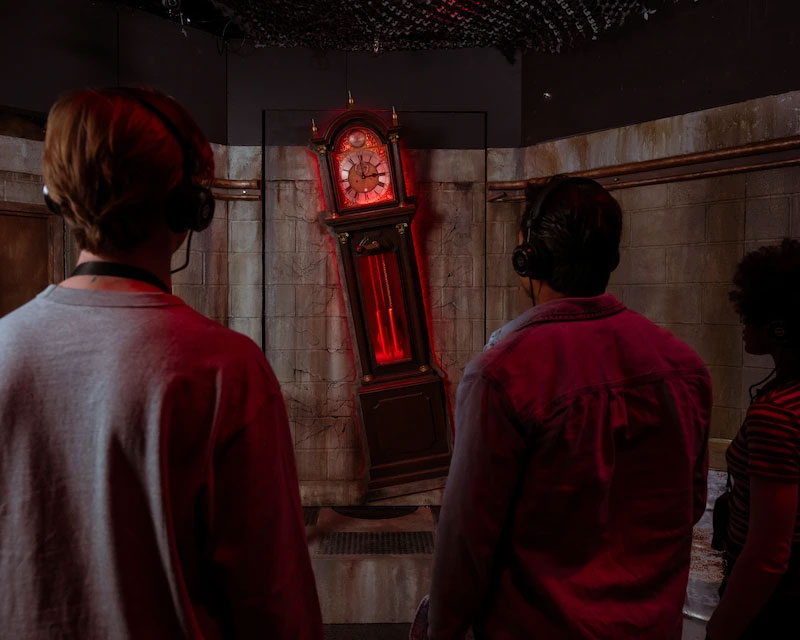
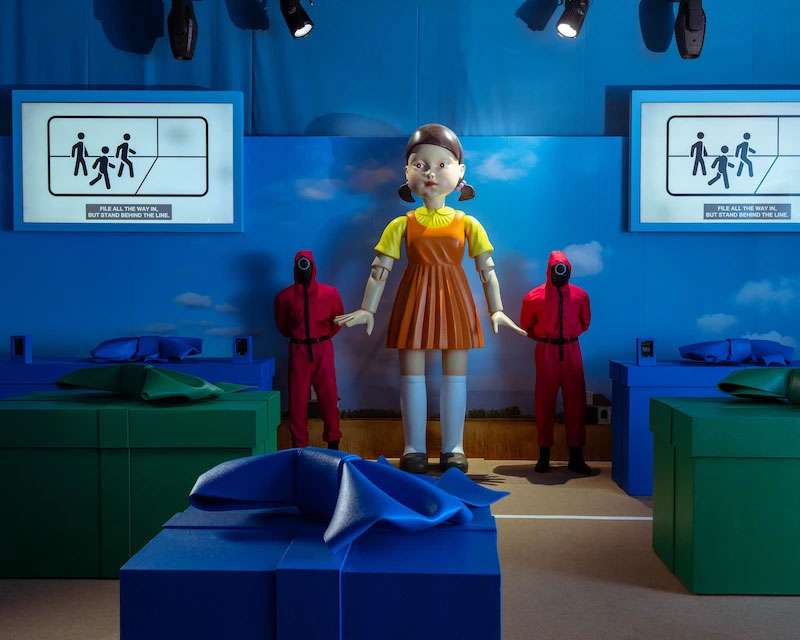
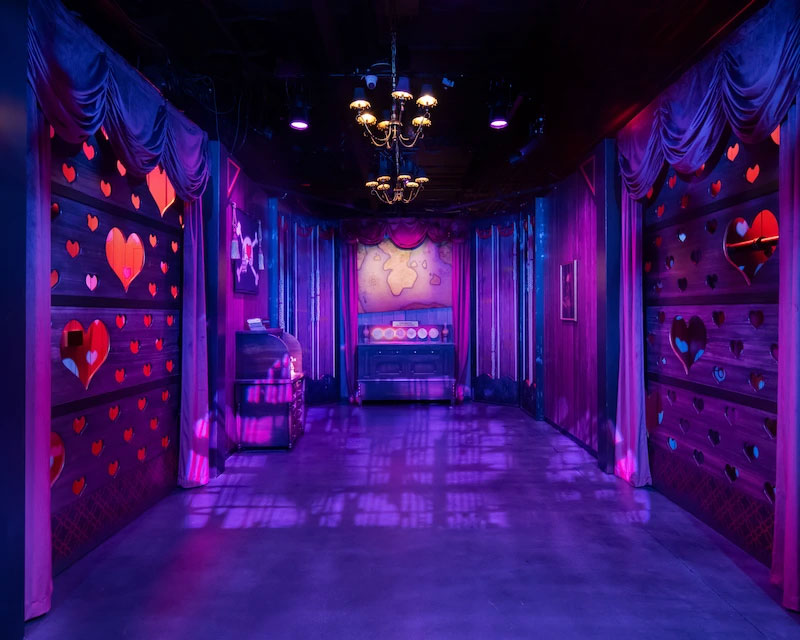
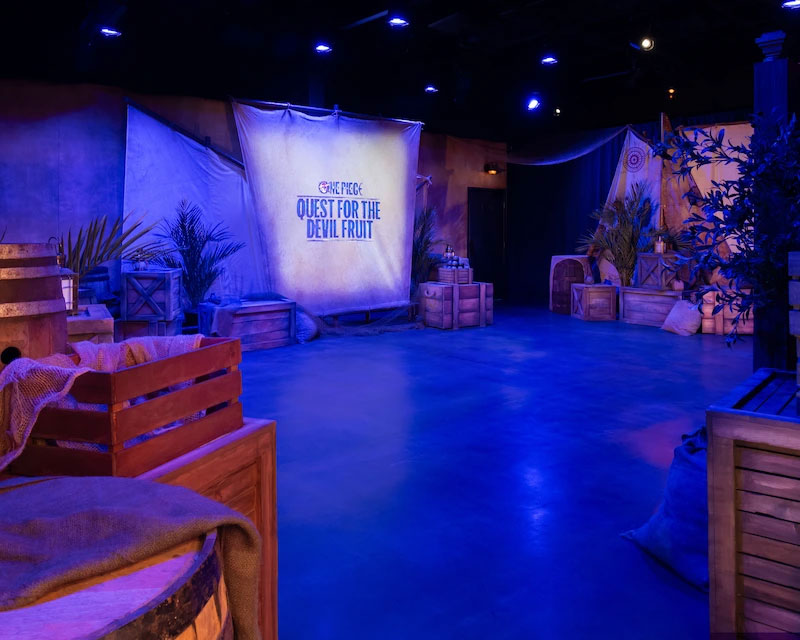
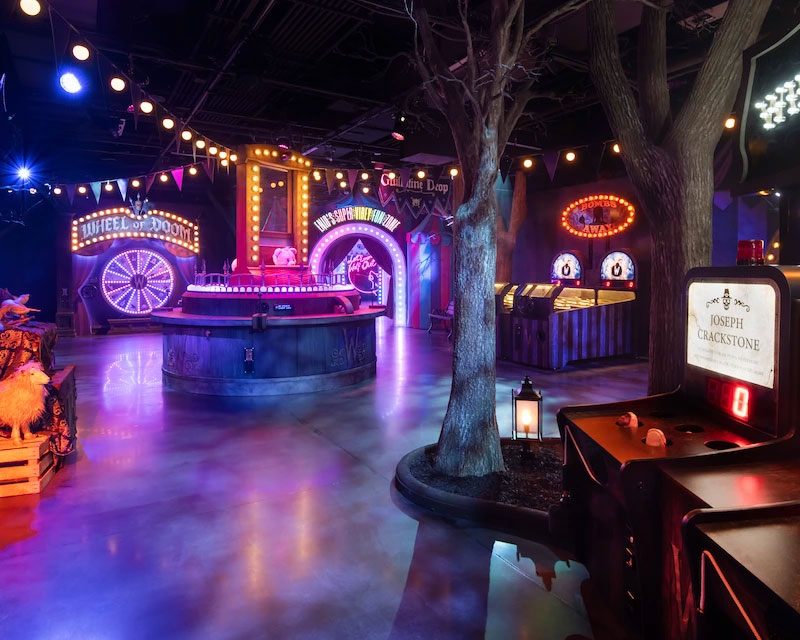
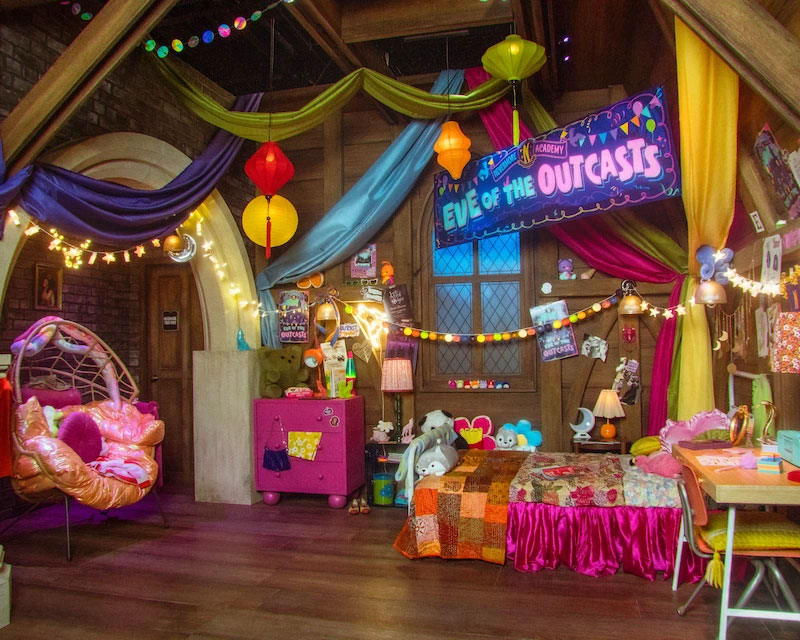
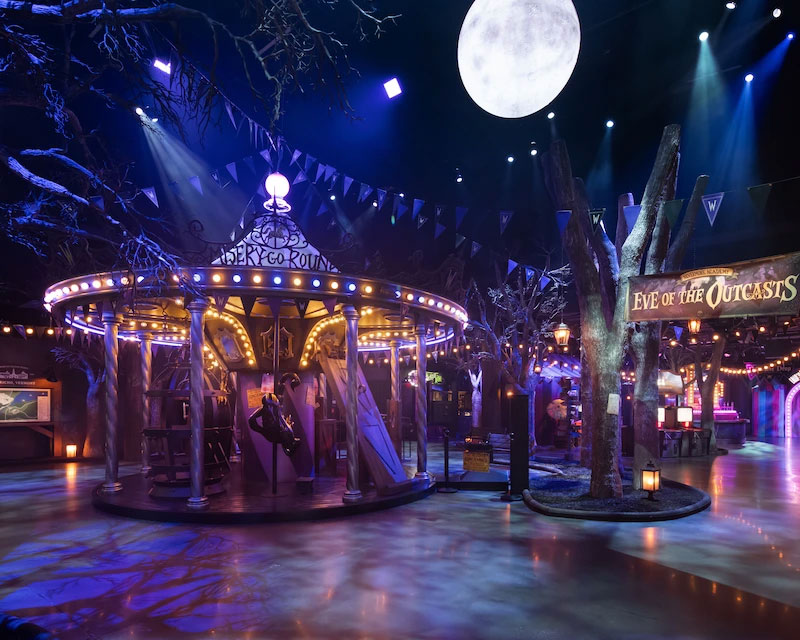
The Netflix House proposal, as described by Bloomberg CityLab, falls somewhere between a high-concept Disney-style theme park attraction and a themed restaurant. Admission is free, but most activities are paid. Visitors can try an escape room inspired by One Piece—an adaptation of a popular manga series—or enjoy one of the many experiences based on the Addams Family’s Wednesday series, such as the “twisted festival” Eve of the Outcasts, the corridors of Nevermore Academy, or the 13 cursed fairground games. Of course, they can also go to the cinema to watch a film or a live event, or visit the sports-themed bar with neon lights and references to other hits on the platform.
The strategy, as Greg Lombardo, Netflix’s head of live experiences, explains to Bloomberg CityLab, is to answer the question asked by everyone who binge-watches an entire season of a series in a weekend: “What now?” The answer lies in the shopping centre, where they can go to experience, share and consume more content from their favourite universe in a physical and social environment. It is a commitment to “experiential retail”, a concept that many shopping centre developers have been adopting for several years with the idea that leisure will attract recurring traffic to their spaces.
Stream Park vs. Disney Park: key differences
But one question comes to mind: how does a Stream Park like Netflix House differ from a traditional theme park like Disney or Universal?
In terms of their origins and narrative, Disney parks are built on a vast legacy of iconic intellectual property (IP) — such as Mickey Mouse, Star Wars and the Marvel universe — and a tradition of family storytelling. Stream Parks, on the other hand, are born out of successful contemporary franchises on digital platforms, which are more ephemeral and segmented. While Disney seeks a universal experience, Netflix House offers a fragmented immersion into very different worlds, based on its diverse and changing catalogue.
In terms of scale and investment, building a Disneyland is a huge undertaking; it also represents a genuine travel destination. A Stream Park such as Netflix House, on the other hand, is modular, adaptable and can be implemented in existing commercial infrastructure, such as a former department store, and requires a significantly lower investment — although still considerable; experts consulted by Bloomberg estimate costs of around €2,600/m2.
Finally, if we look at the business model, the classic theme park model is based on the sale of full-day tickets. Netflix House, on the other hand, uses a free access model, with paid attractions, combined with catering and merchandising sales; a model that is otherwise integrated into the local leisure routine and not necessarily a holiday destination.
A trend with global ramifications
According to Globetrender, citing British Airways Holidays’ 2026 travel trends report, 38% of travellers — British in this case — would like to “step inside” their favourite series or video game. It therefore seems likely that “tech-led escapism” will become a key force in the public’s entertainment intentions. The concept of Stream Park is explicitly mentioned in the report, which cites not only Netflix House, but also the mixed reality experiences of the Chinese digital platform iQIYI, and the Minecraft-based attractions planned in the UK and US.
This suggests a future in which other digital broadcasting giants—such as Amazon Prime Video, Apple TV+, and HBO—could develop their own physical spaces and bring stories that were once consumed alone into social gathering spaces.
Challenges and questions
Despite everything, the model raises some questions: who is the target audience? Couples, teenagers, families or corporate groups? The breadth of Netflix’s catalogue could dilute the experience and make it too generic for the most specialised fan, or vice versa.
In any case, it is clear that Netflix House represents an ambitious experiment. More than a typical theme park, it is a physical and social extension of its algorithm, a space where the platform’s recommendations take on a three-dimensional form. Its success or failure will pave the way for other platforms to decide whether the stories their users experience in the cloud should also have a gateway in the neighbourhood shopping centre.
Sources: Bloomberg CityLab, Globetrender, Netflix House.
Images: Netflix House.