
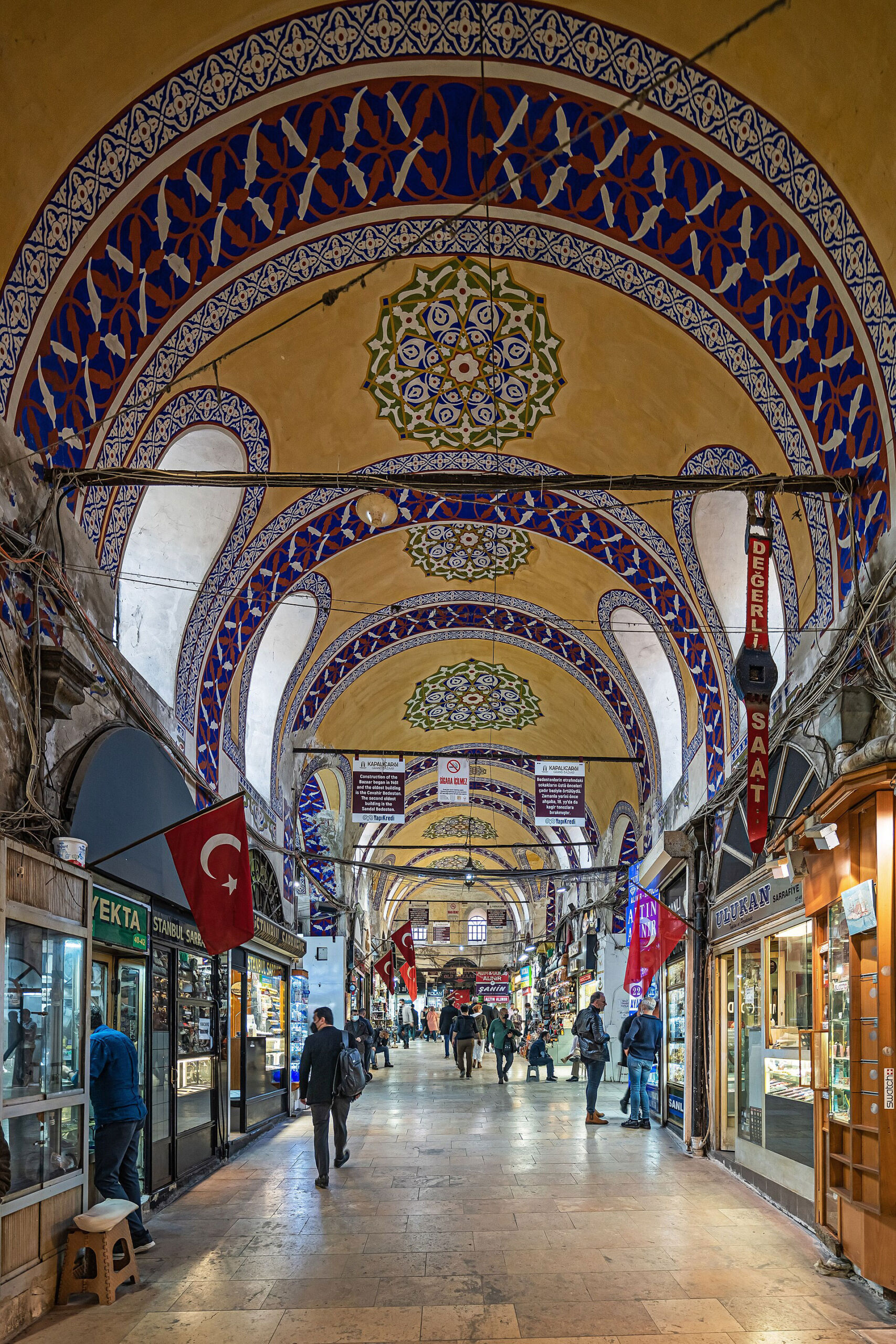
Architecture is often a crystallisation of the history and economy of a people or civilisation. At least, that is the idea that comes to mind when contemplating this monumental testimony in the heart of Istanbul (Turkey): the Grand Bazaar (Kapalıçarşı). Beyond being a tourist attraction and a gigantic shopping centre, it has caught our attention for its architectural fabric. After all, it is like a palimpsest that has come down to us through the centuries and tells the story of the city’s evolution, a succession of natural disasters and constructive resilience.
The foundations: Ottoman bedestens
The architectural core of the Grand Bazaar is represented by two bedestens—or covered markets—the oldest ones. The first, the Cevahir Bedesten (or ‘Bedesten of Gems’), was commissioned by Sultan Mehmed II shortly after the Ottoman conquest of Constantinople to stimulate Istanbul’s economic prosperity, and its construction was completed in 1461. Rectangular in shape, rows of stone pillars define a grid of 15 bays, each covered by a brick dome with a blind drum. Its solid masonry architecture denotes a desire for permanence and a concern for protection against fire and theft.
Shortly afterwards, the Sandal Bedesten was built, with a quadrangular floor plan and covered by 20 domes. Both buildings are early examples of classical Ottoman architecture applied to a commercial space, with a modular design based on repeating vaulted bays, tied together by brick arches and juniper beams. These structures, isolated in their early days, acted as the heart around which the labyrinth that today makes up the Grand Bazaar of Istanbul unfolded.
A.Savin - Wikipedia
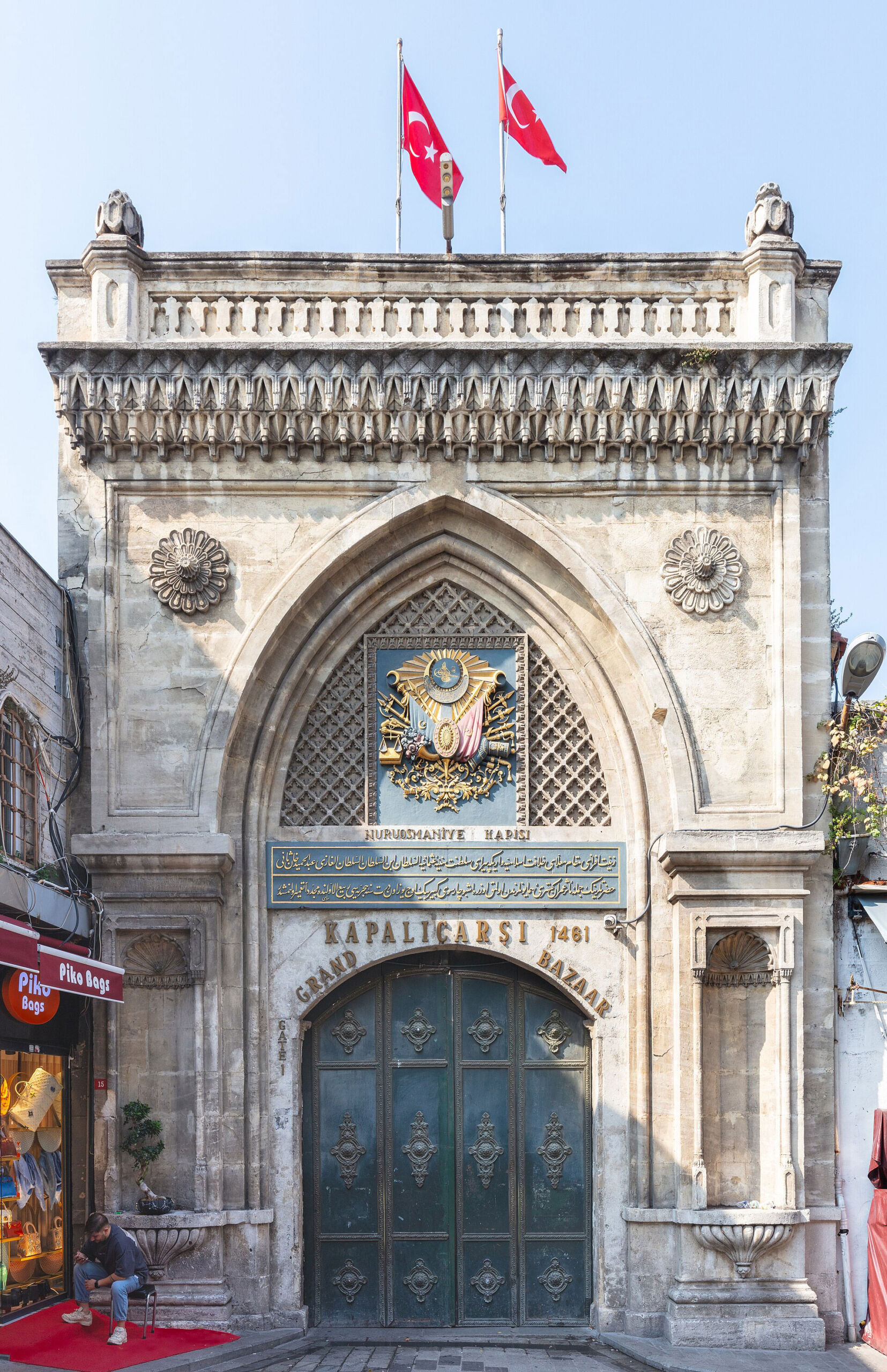
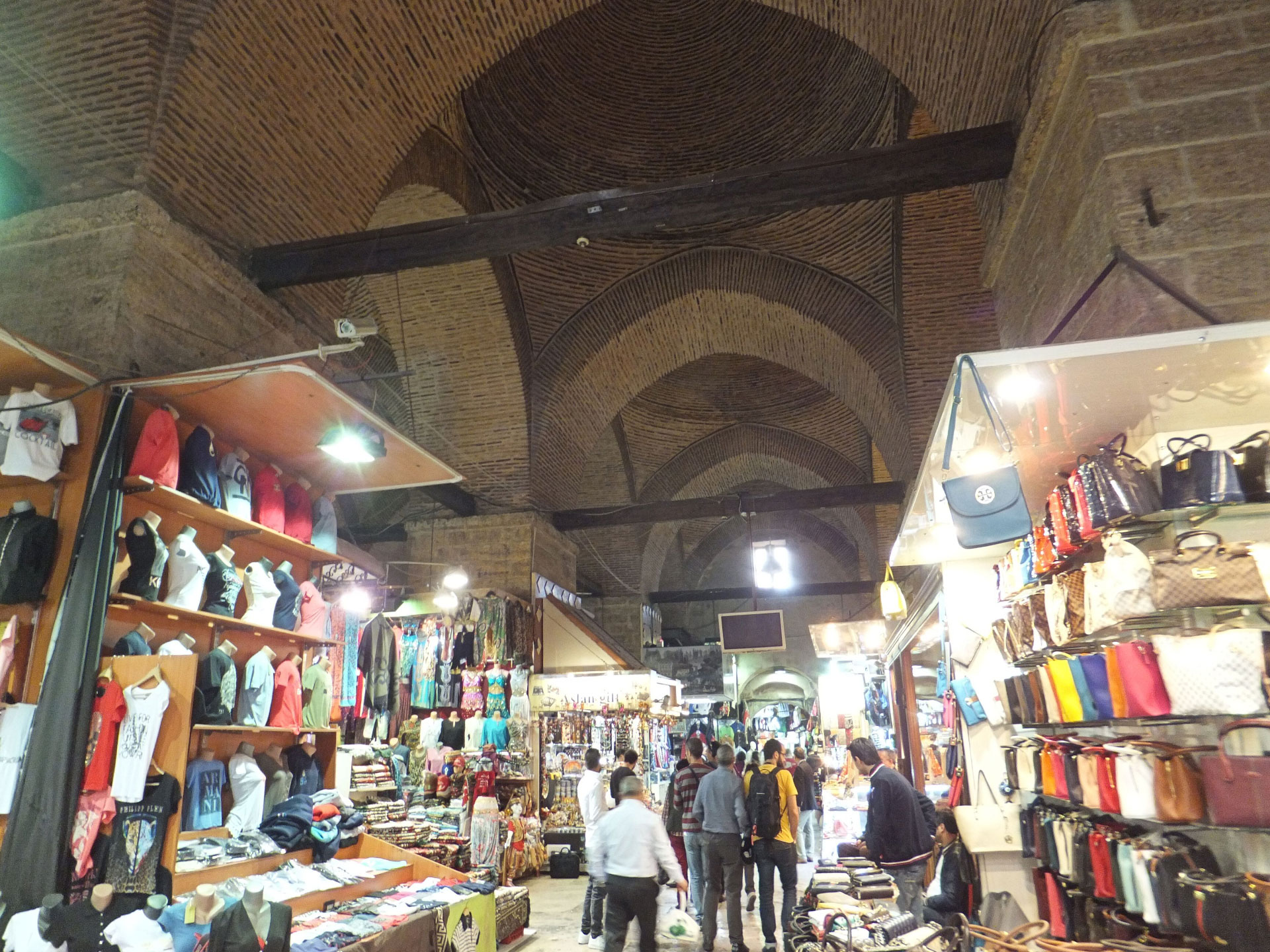
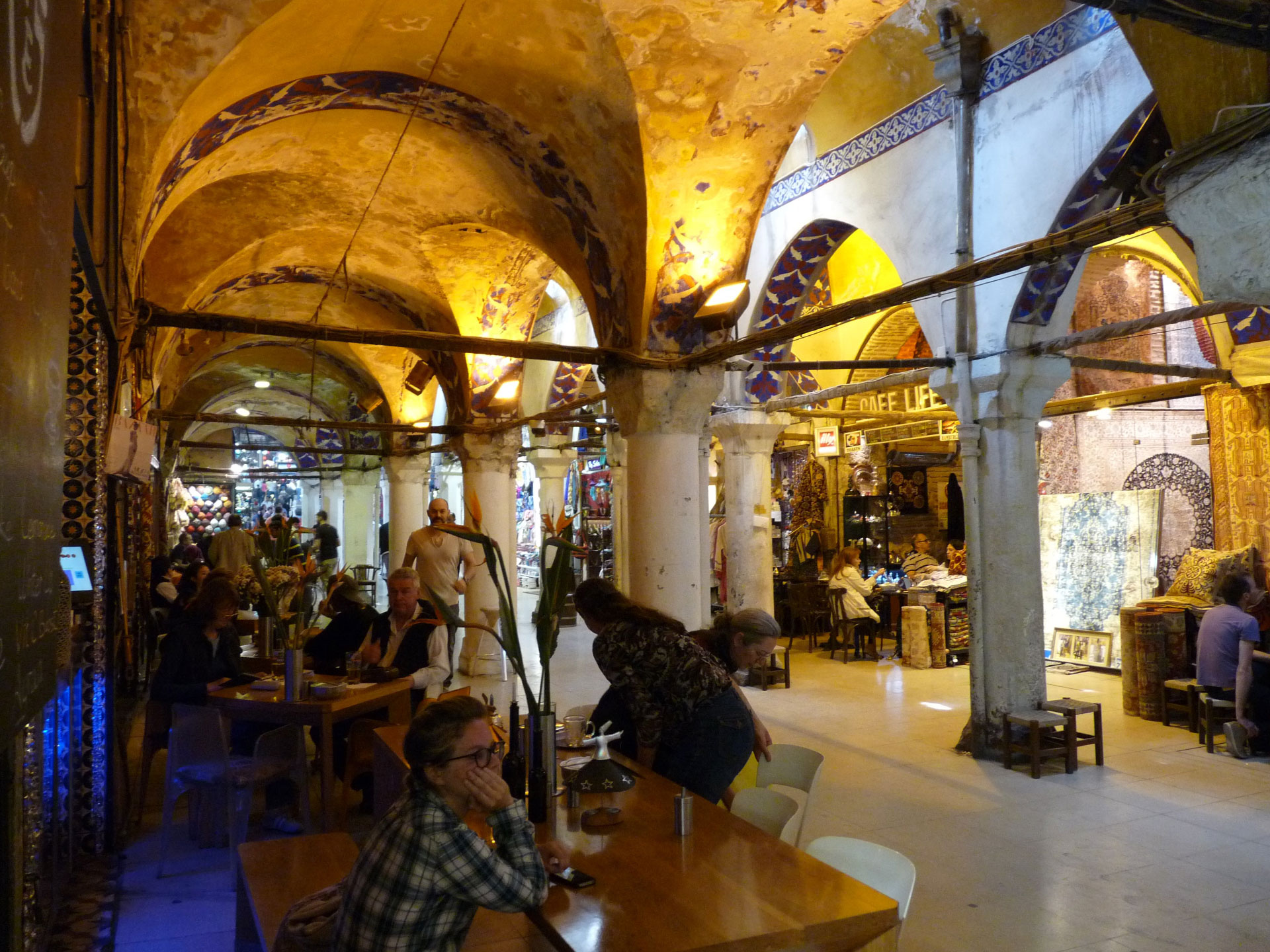
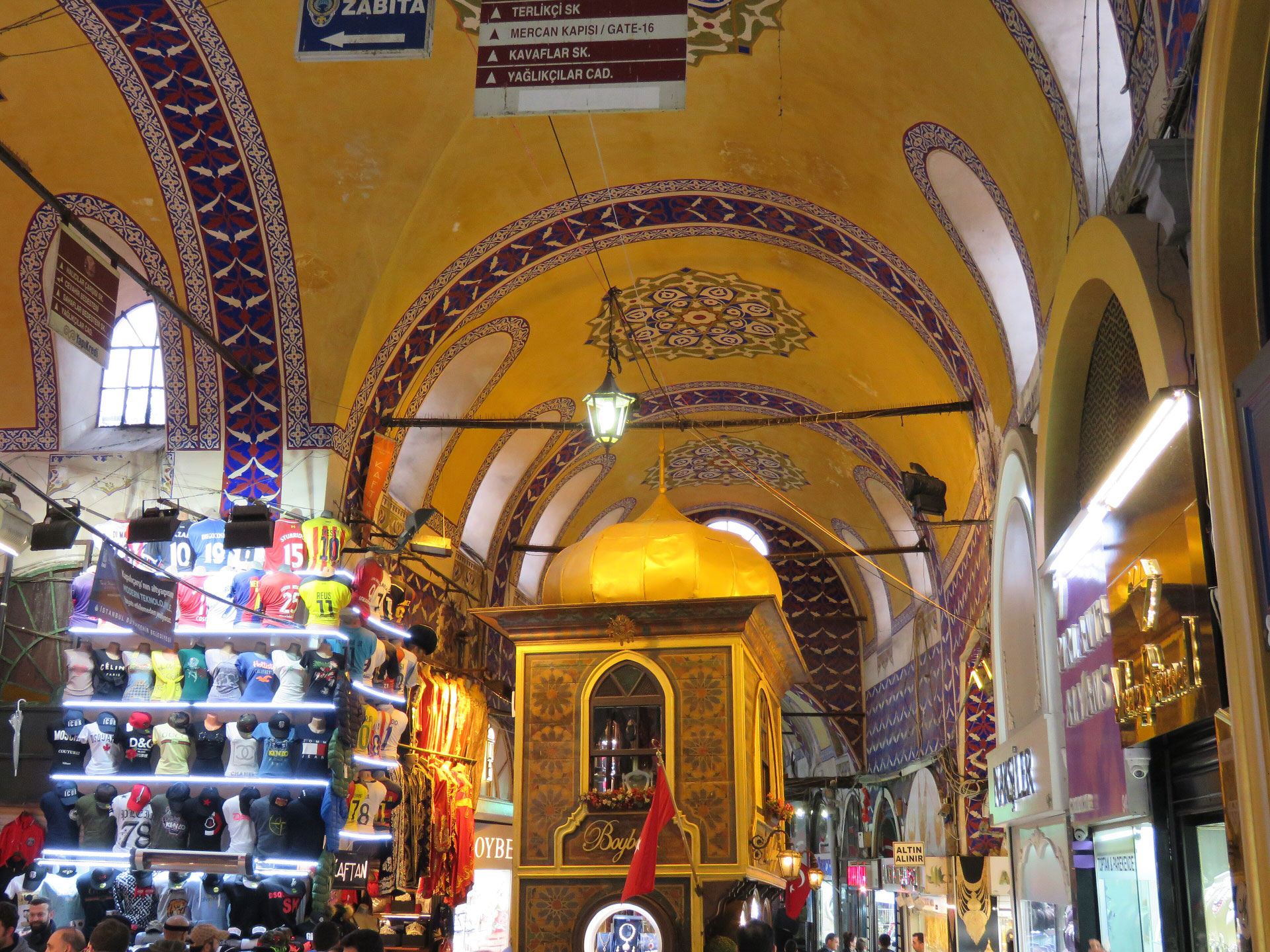
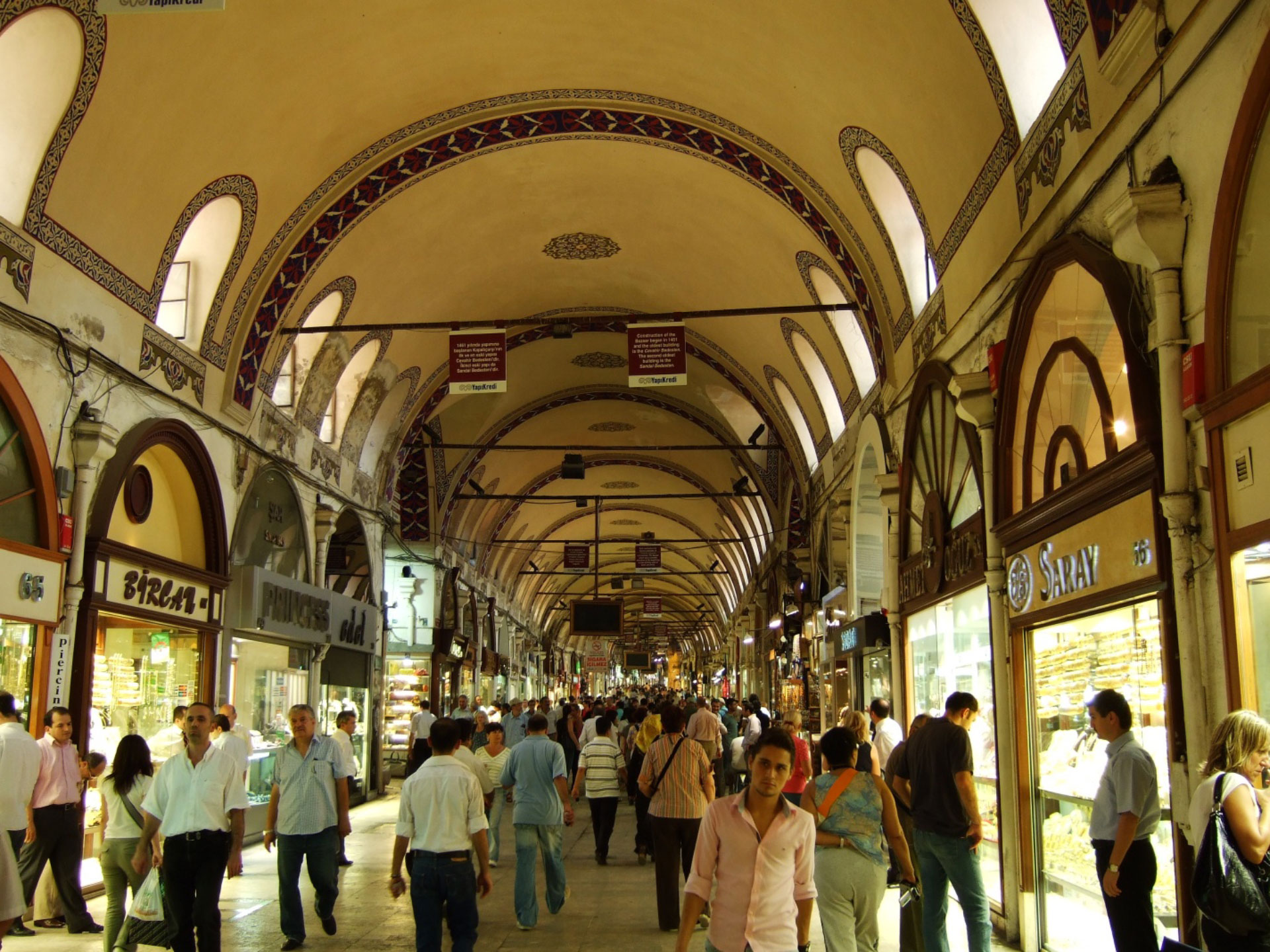
espiritu_protector - CC BY-SA 3.0
Organic expansion: the birth of the labyrinth
During the 16th and 17th centuries, the Bazaar took on its characteristic form. Merchants began to set up their stalls—initially simple wooden stands—between and around the bedestens. This growth was not the result of a master plan, but rather of economic and guild logic. The streets became specialised by trade (jewellers, furriers, booksellers, etc.), giving their names to the streets, until they crystallised into this unique urban fabric.
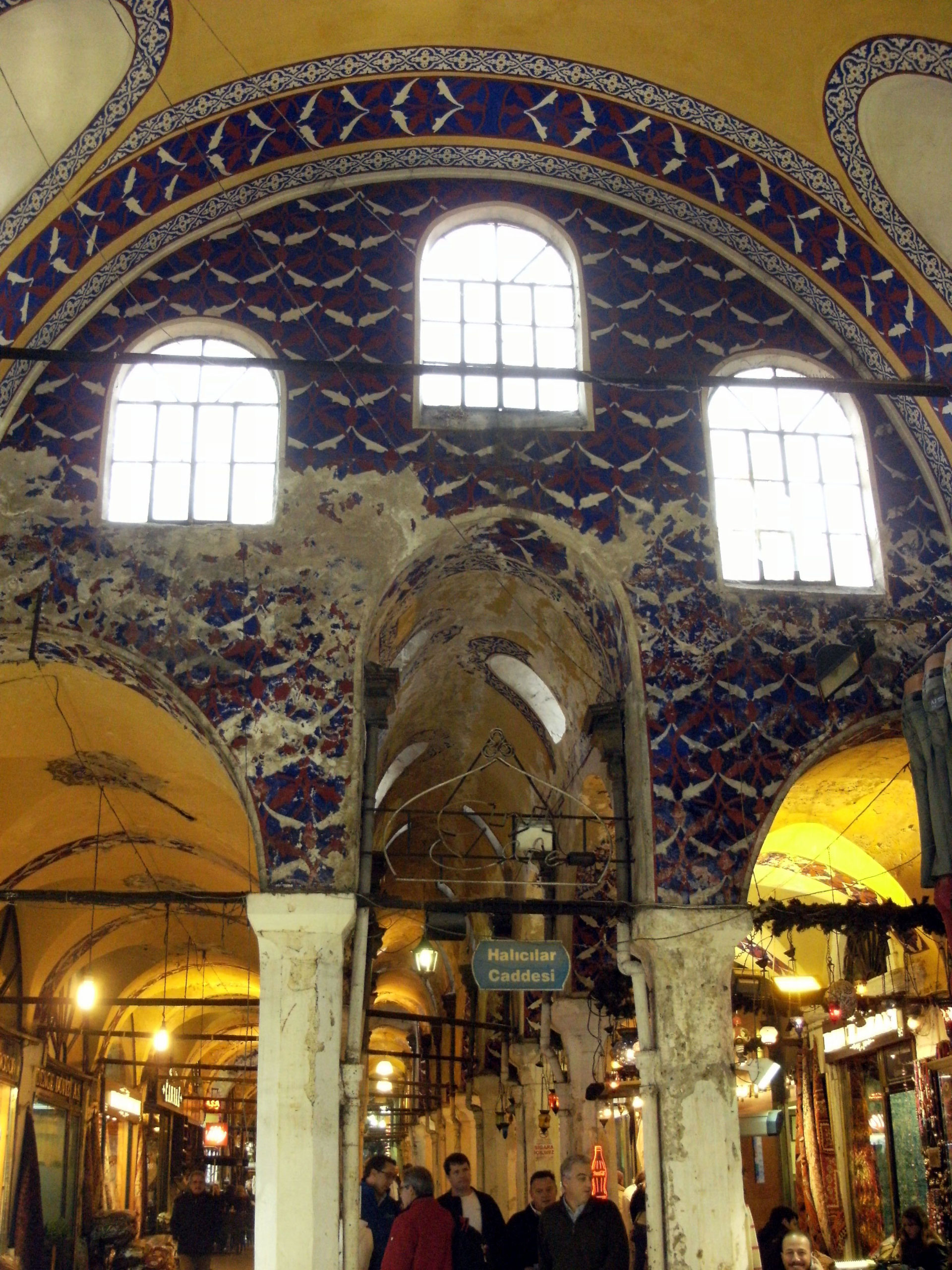
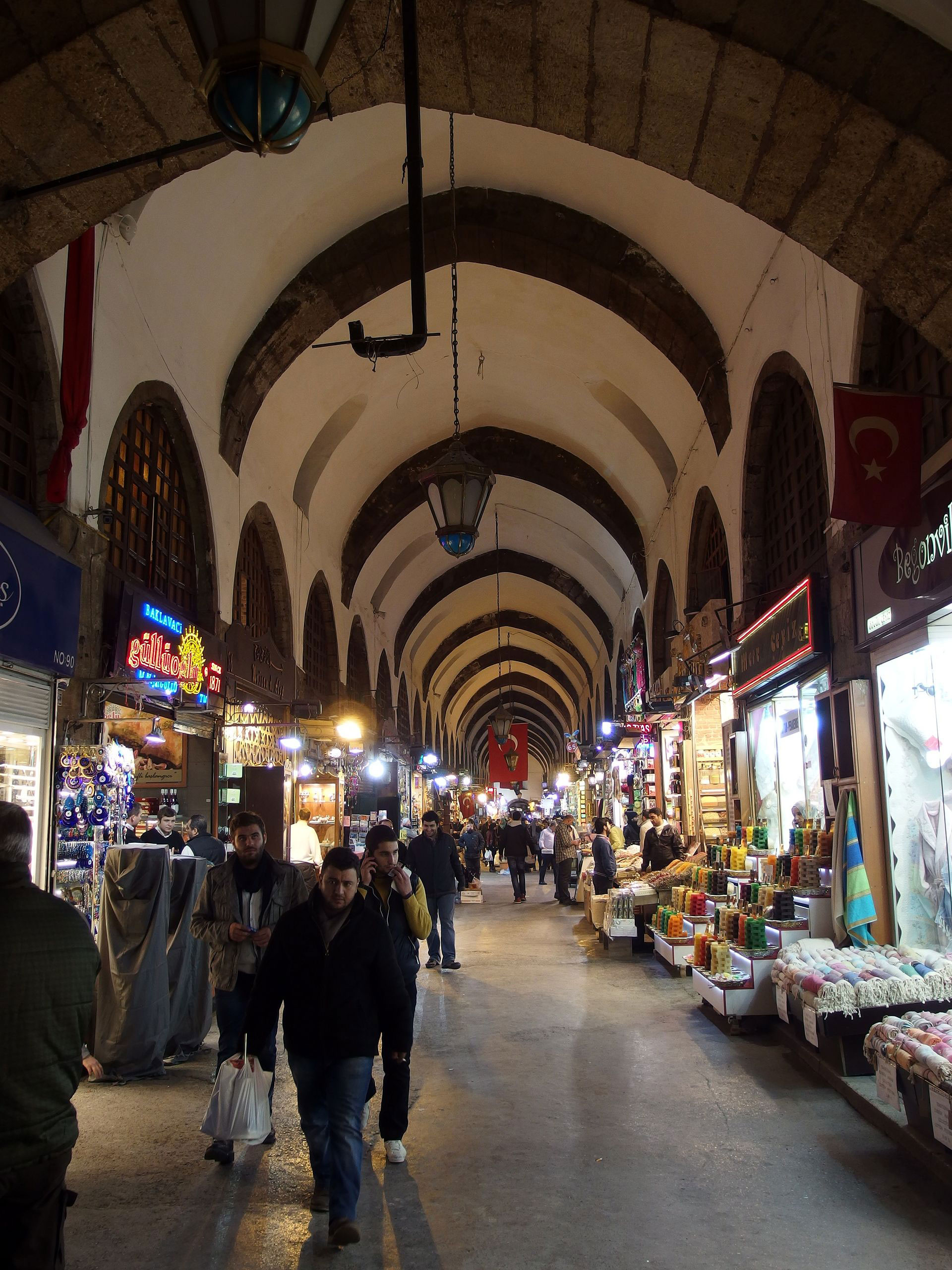
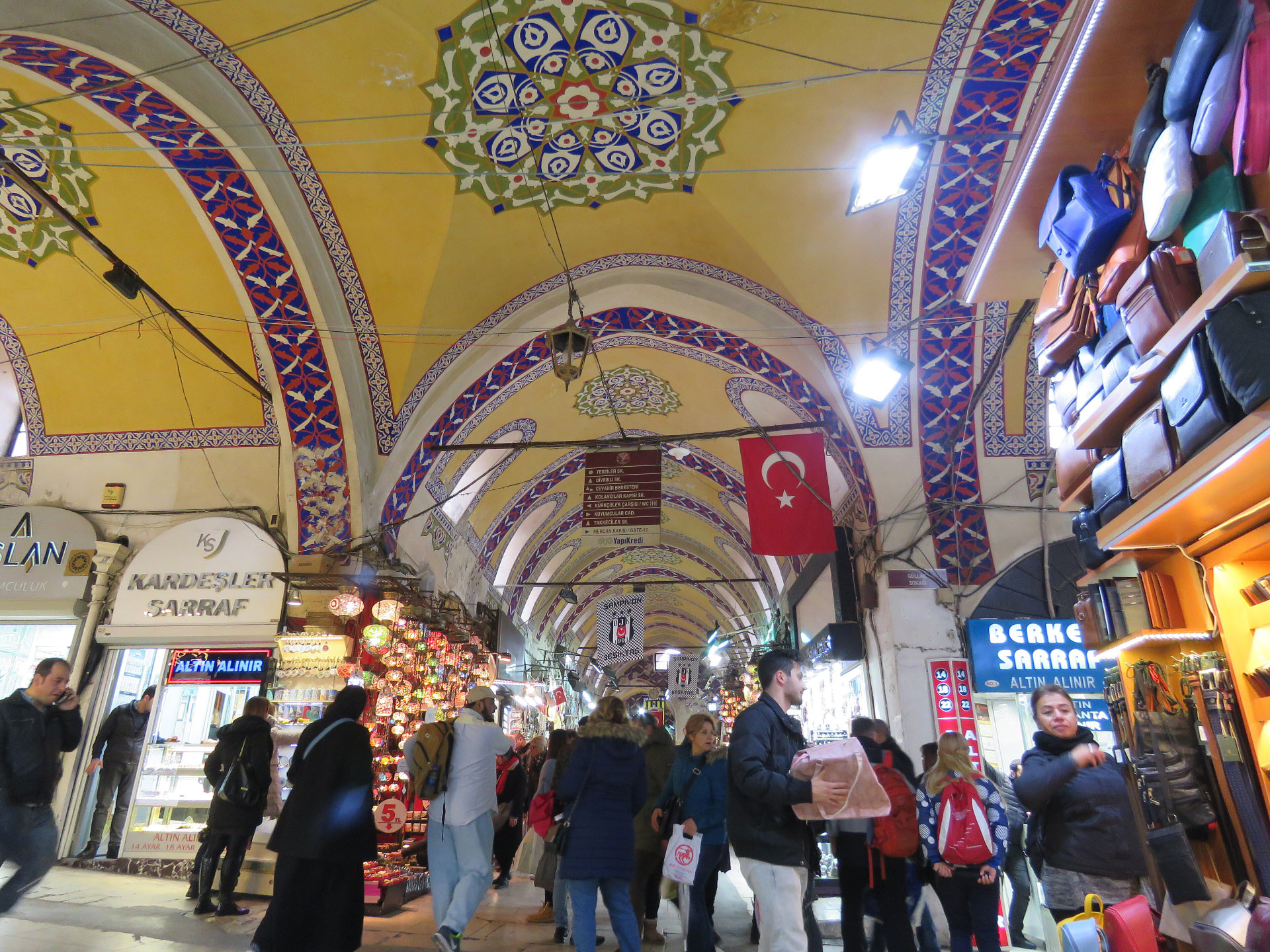
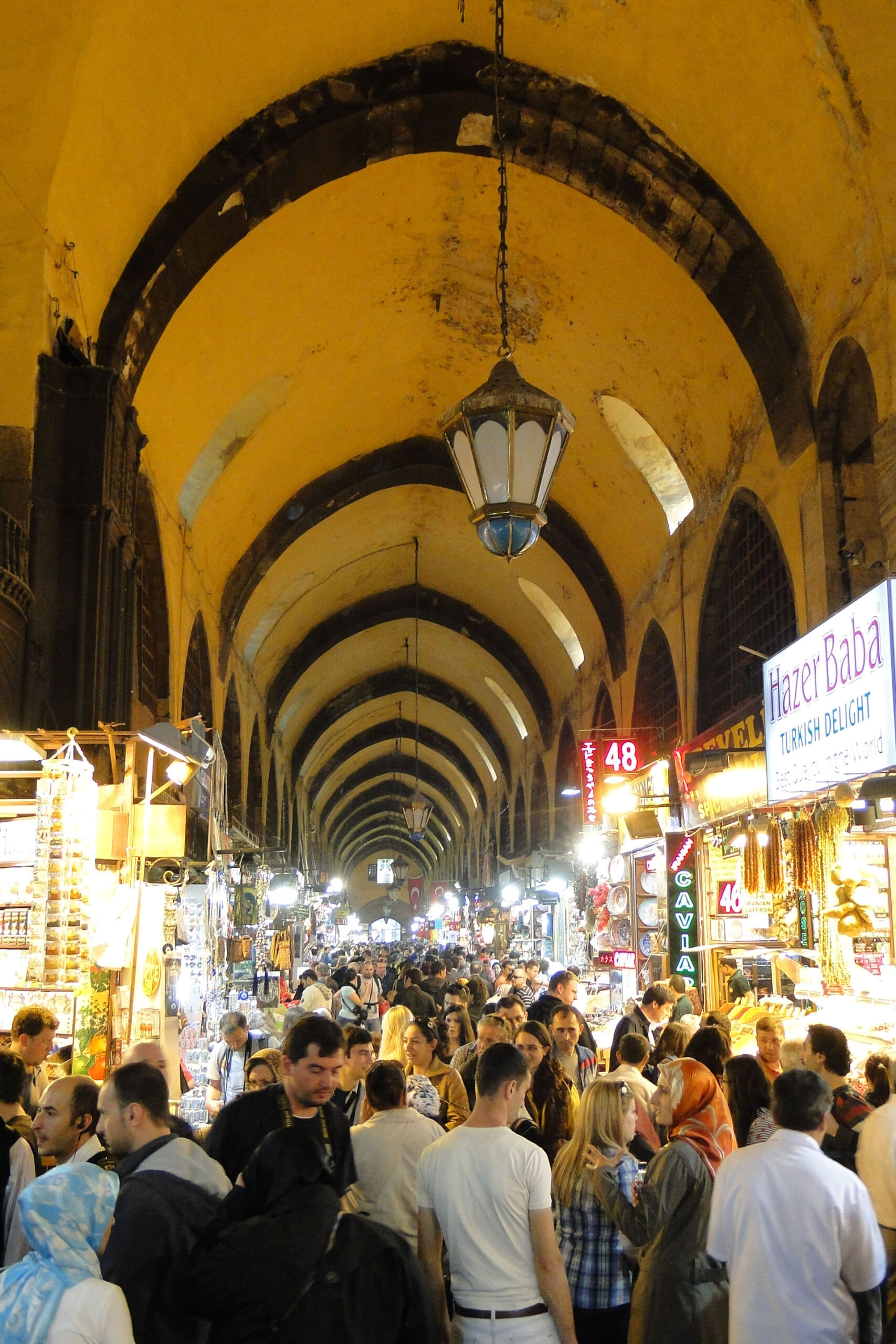
Originally built with extensive use of wood, the Bazaar suffered several fires. One of the most devastating was in 1701. In accordance with a new fire-prevention law enacted in 1696, following the great fire, a major reconstruction of the Grand Bazaar in Istanbul was undertaken: wood was replaced by stone and brick, and the streets between the two original bedestens were covered with vaults. This was the decisive moment that turned the complex into a true covered market. Successive repairs after fires and earthquakes (such as those of 1766 and 1894) were carried out without an overall plan, giving the complex, especially in its western sector, its picturesque and labyrinthine appearance, with streets intersecting at unexpected angles.
Adaptation and survival: the current structure
The architecture of the Grand Bazaar is, as you can see, the result of continuous adaptation to circumstances. Specifically, after the 6.7 magnitude earthquake that shook the city on Tuesday, 10th July 1894, at 3:33 p.m. local time, with its epicentre in the Sea of Marmara, its perimeter was slightly rationalised, some gates were demolished, and some of the caravanserais surrounding it were integrated or excluded. These two- or three-storey buildings with interior porticoed courtyards served as warehouses, workshops and accommodation for merchants.
The predominant construction system in the Grand Bazaar is single-storey, with roofs initially covered with lead sheets, then Marseille tiles, and today with ordinary tiles. Natural lighting, filtering through domes and skylights, was essential, as artificial lighting was initially not allowed to prevent fires.
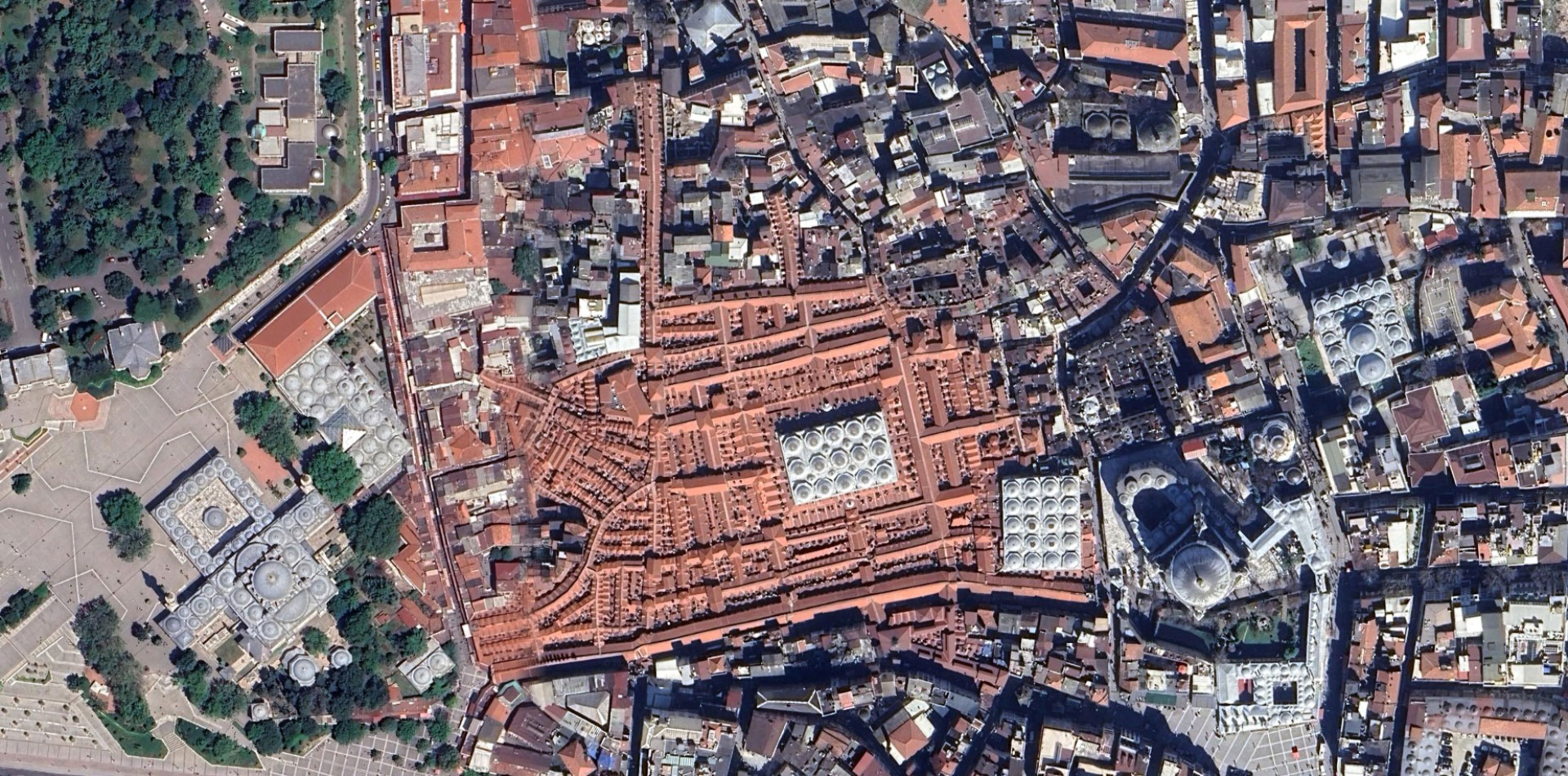
Google Maps
The architectural legacy: challenges and future
Today, the Grand Bazaar covers an area that, according to various sources, ranges between 30,000 and 55,000 m2, along 61 covered streets that house more than 4,000 shops. Its beauty and history are its greatest assets, but it also faces contemporary challenges. Uncontrolled modifications, such as the removal of columns, alteration of walls or replacement of original materials, as well as the need to modernise air conditioning, electricity and sanitation infrastructure, pose risks to its integrity. The seismic threat in the region only exacerbates this situation. An ongoing restoration project seeks precisely to modernise this infrastructure.
Sources: Wikipedia 1, Wikipedia 2, The Istanbul Insider.