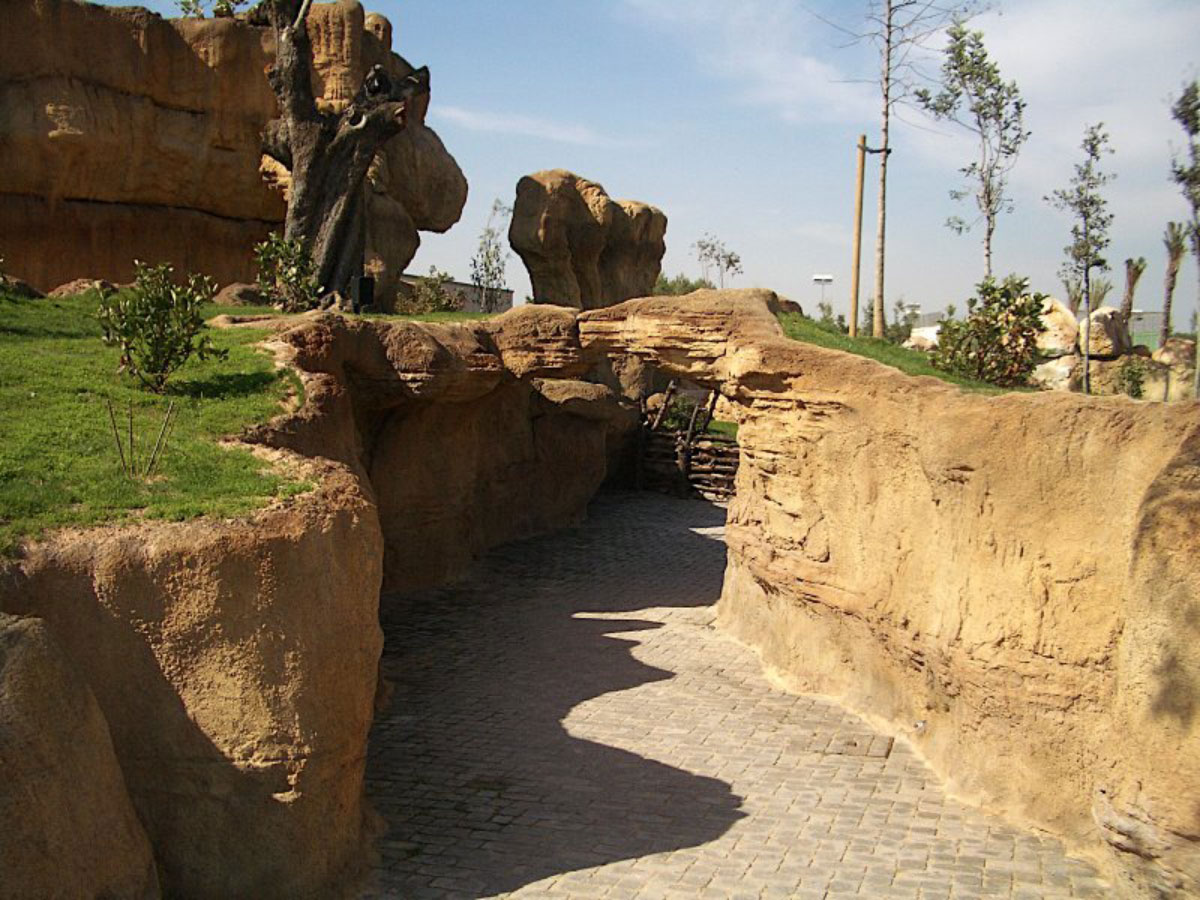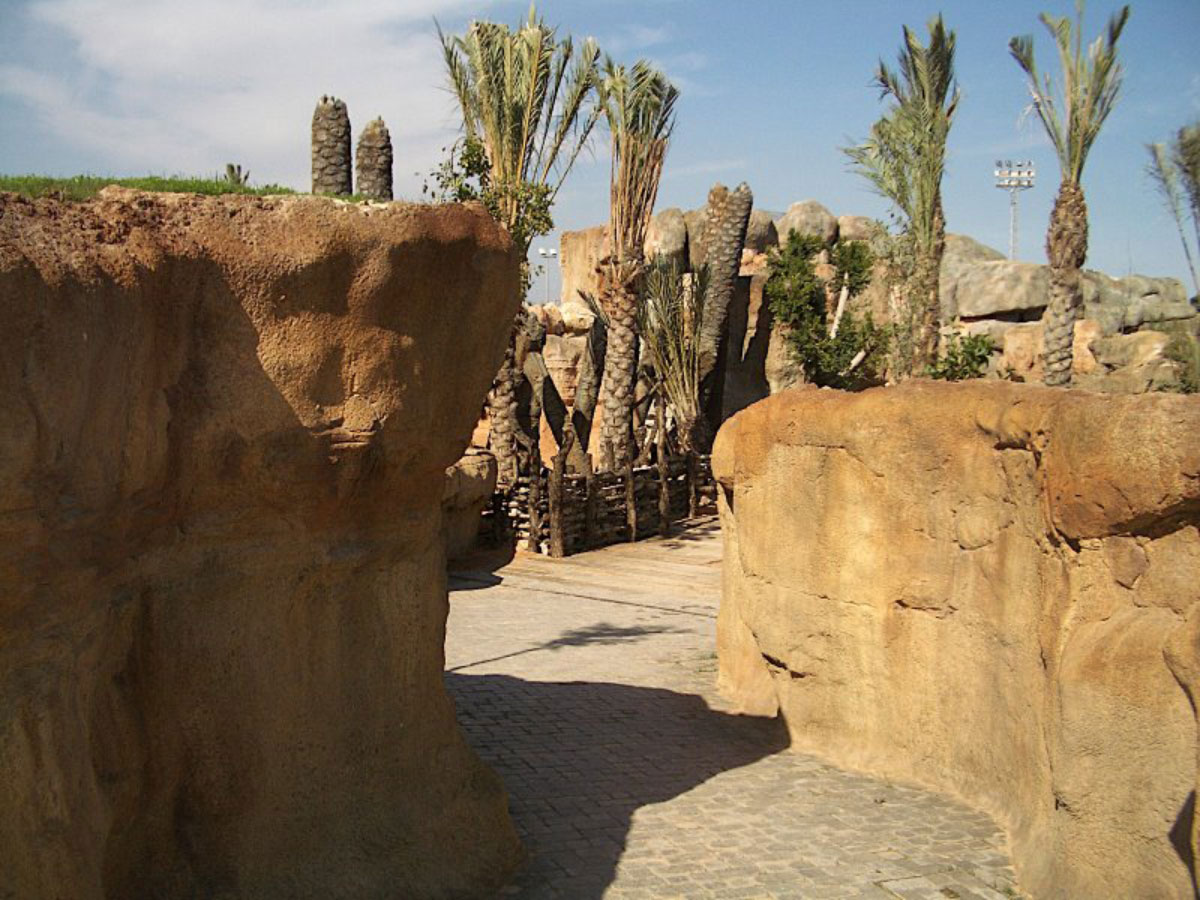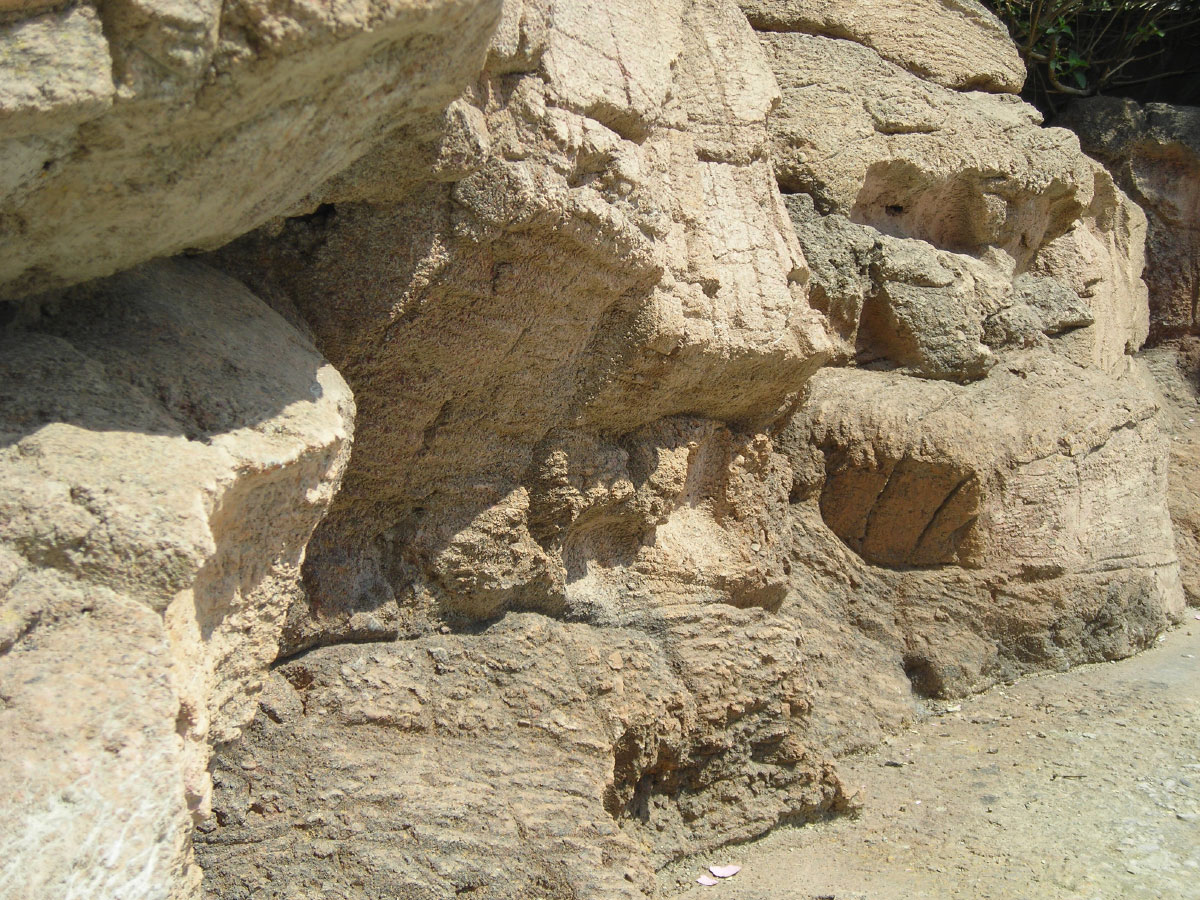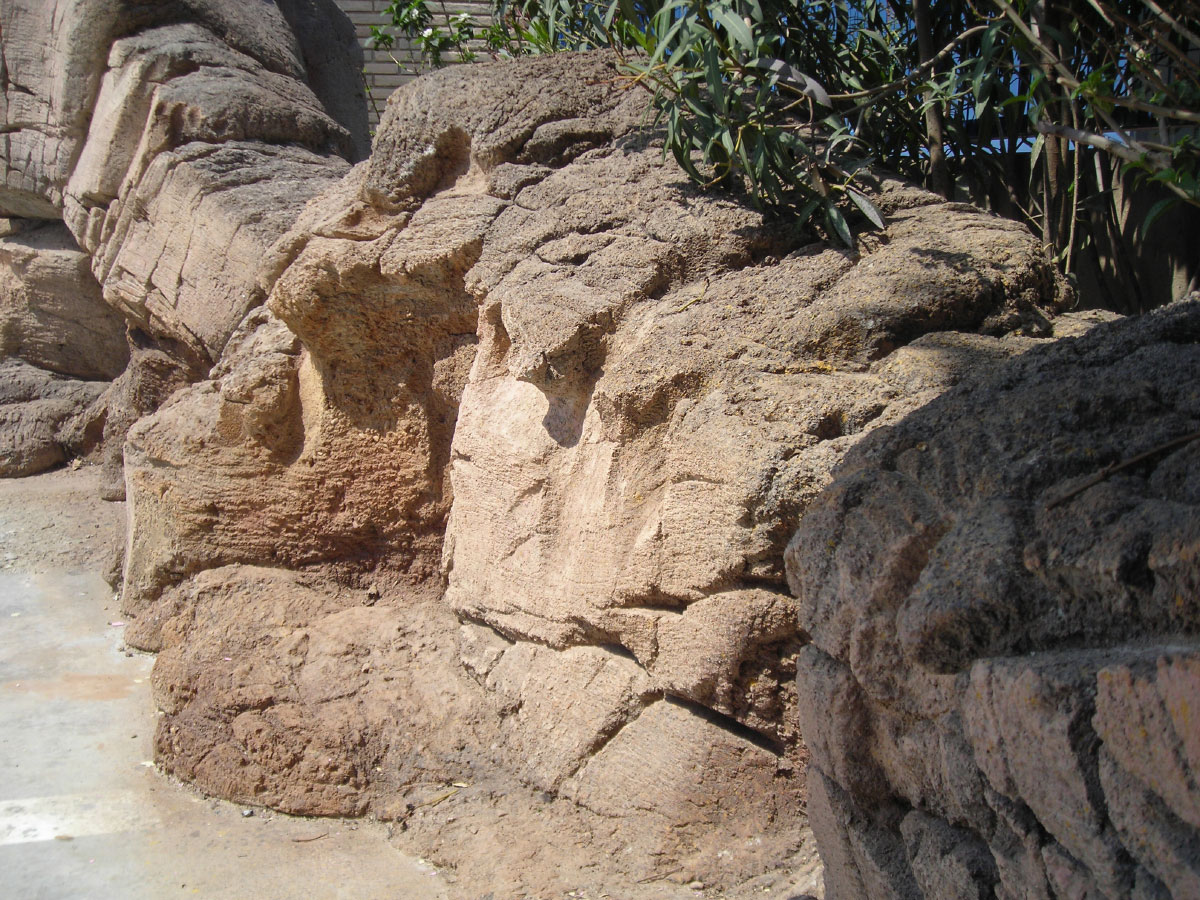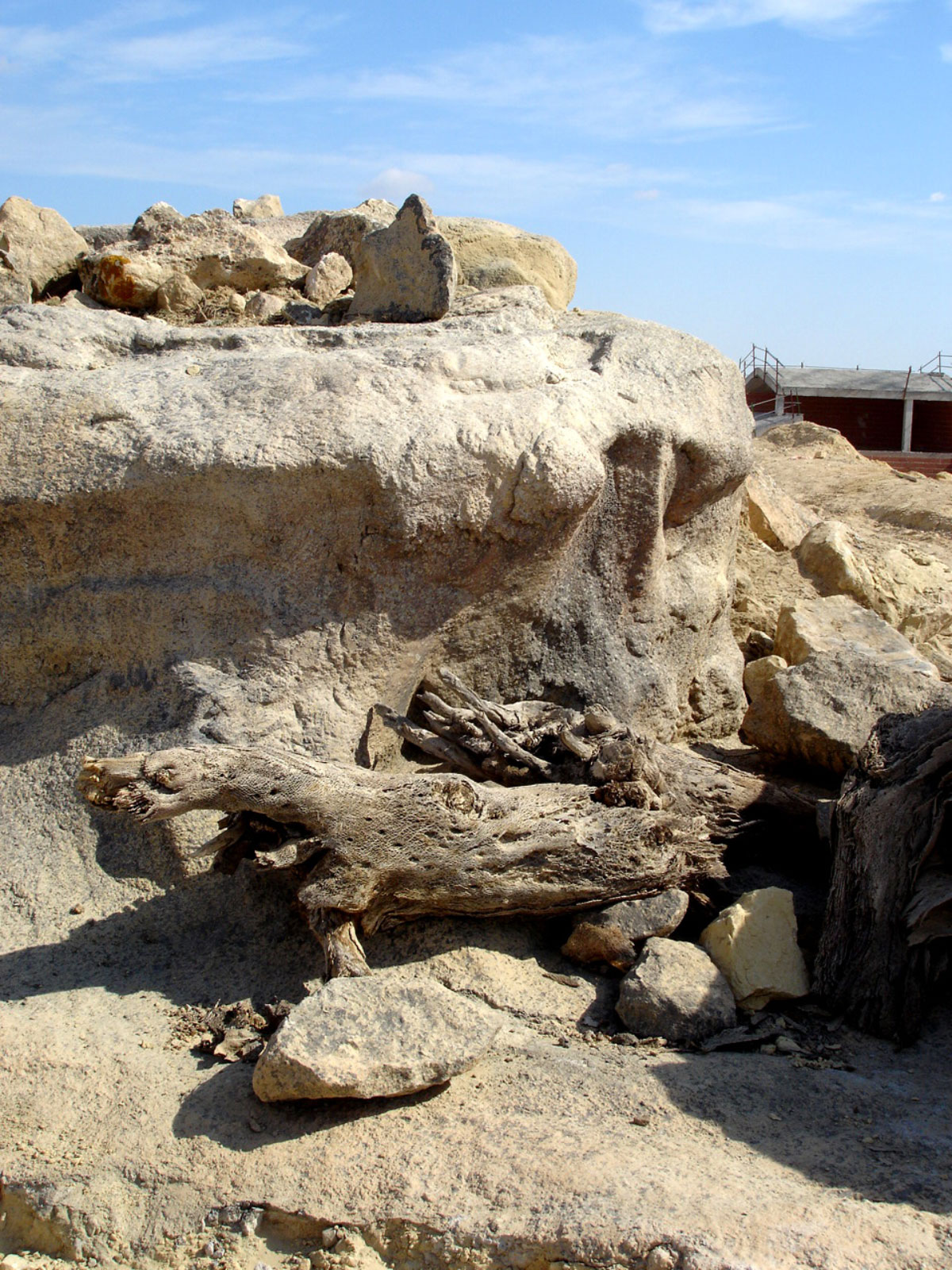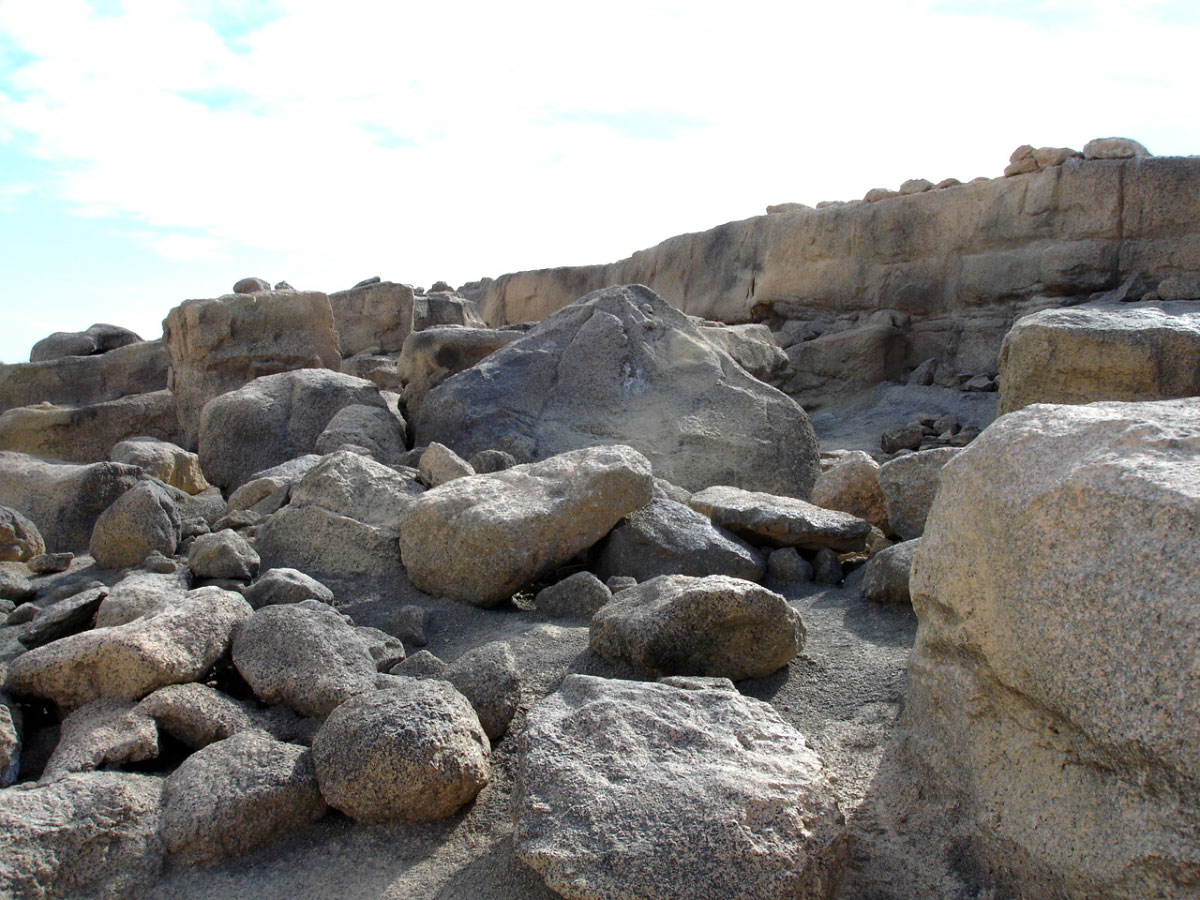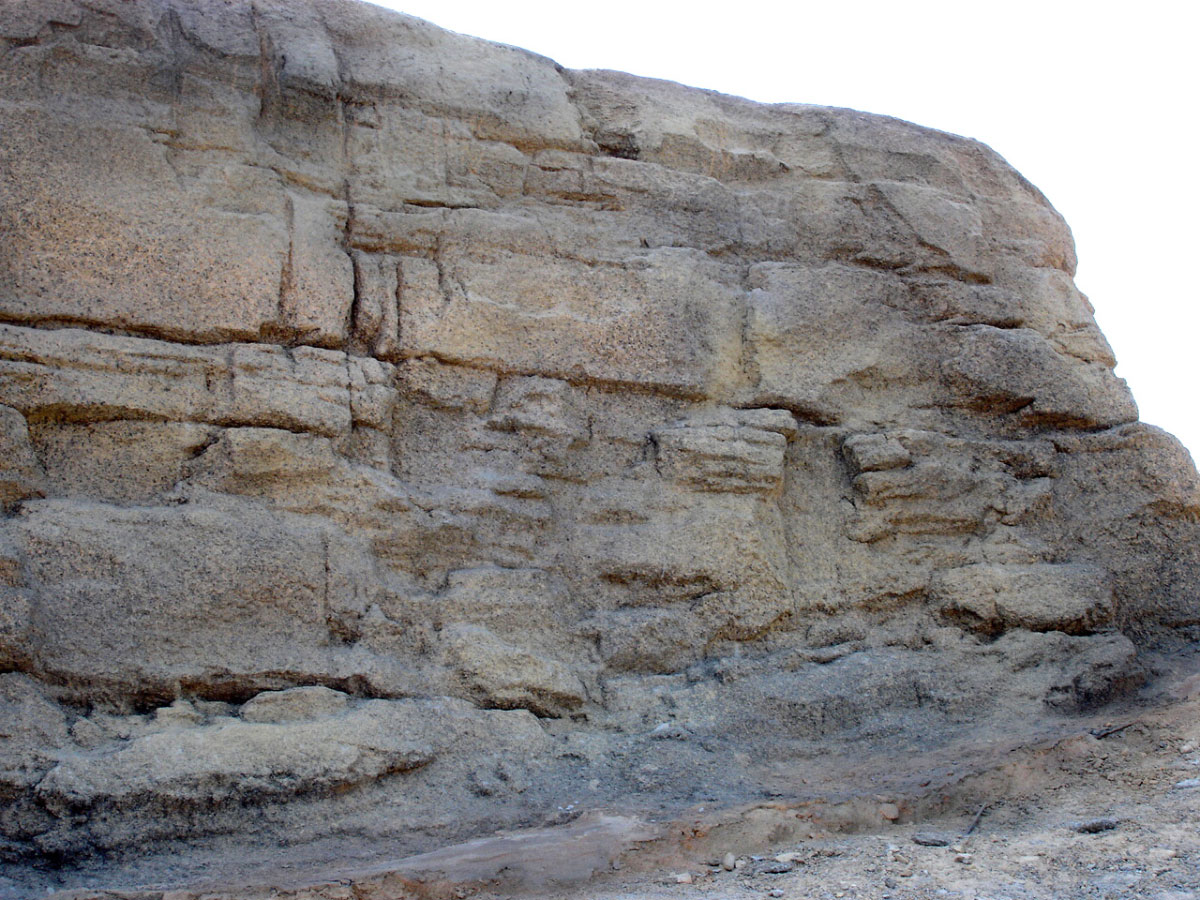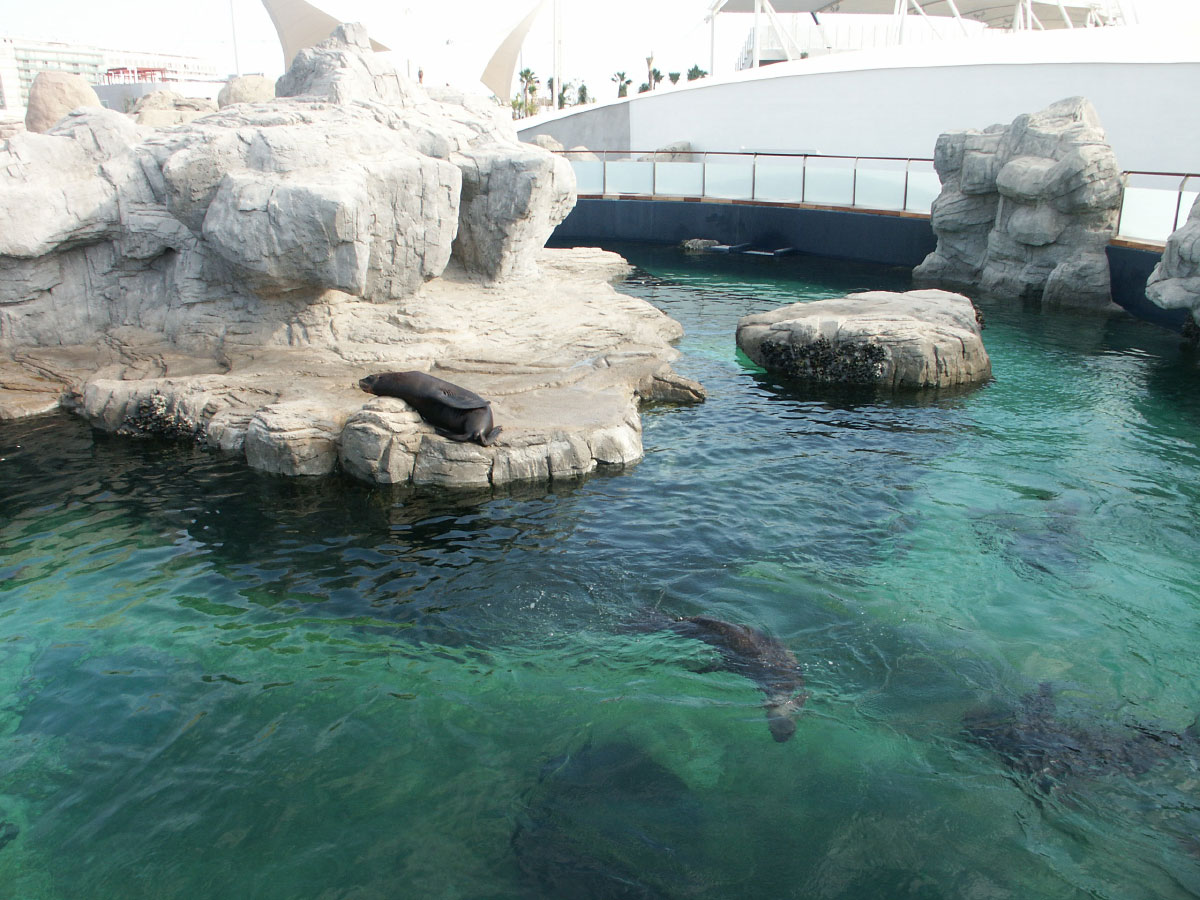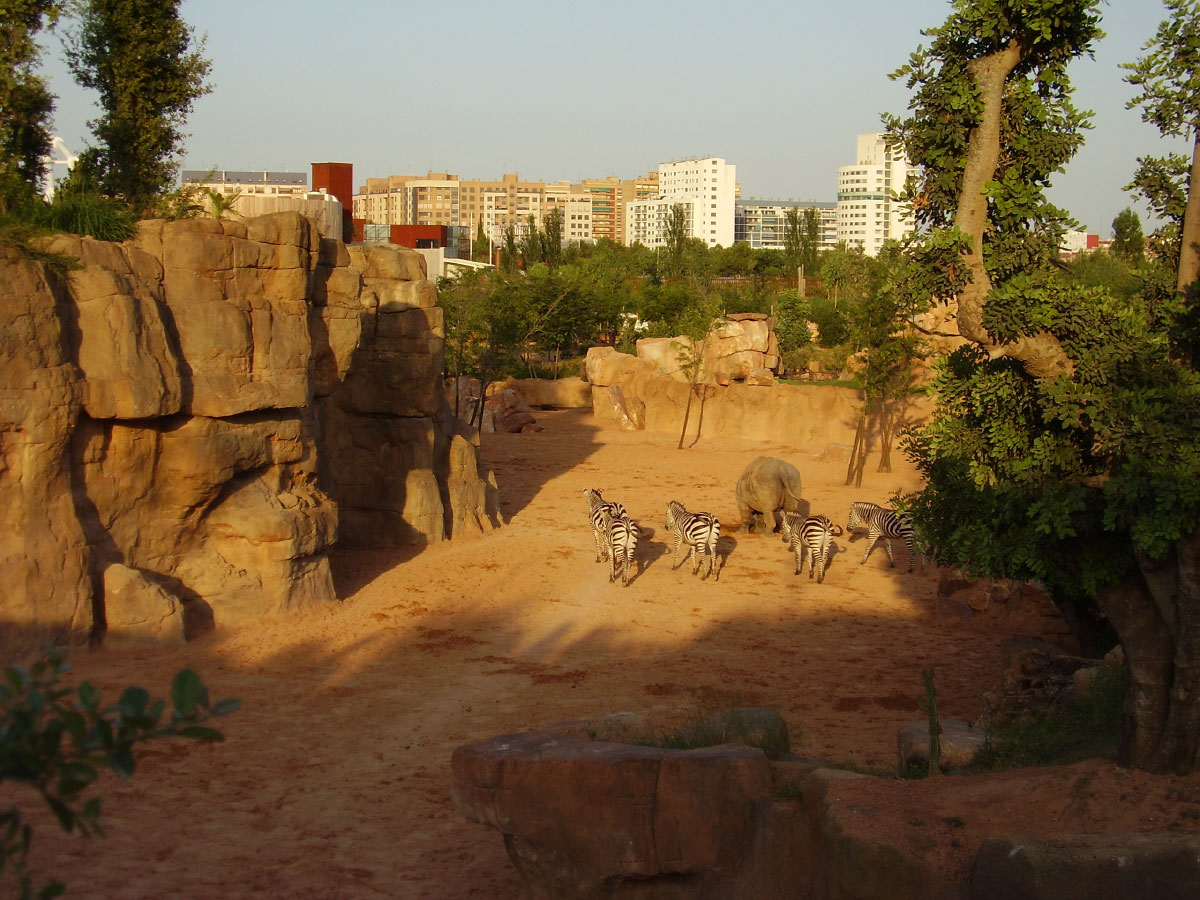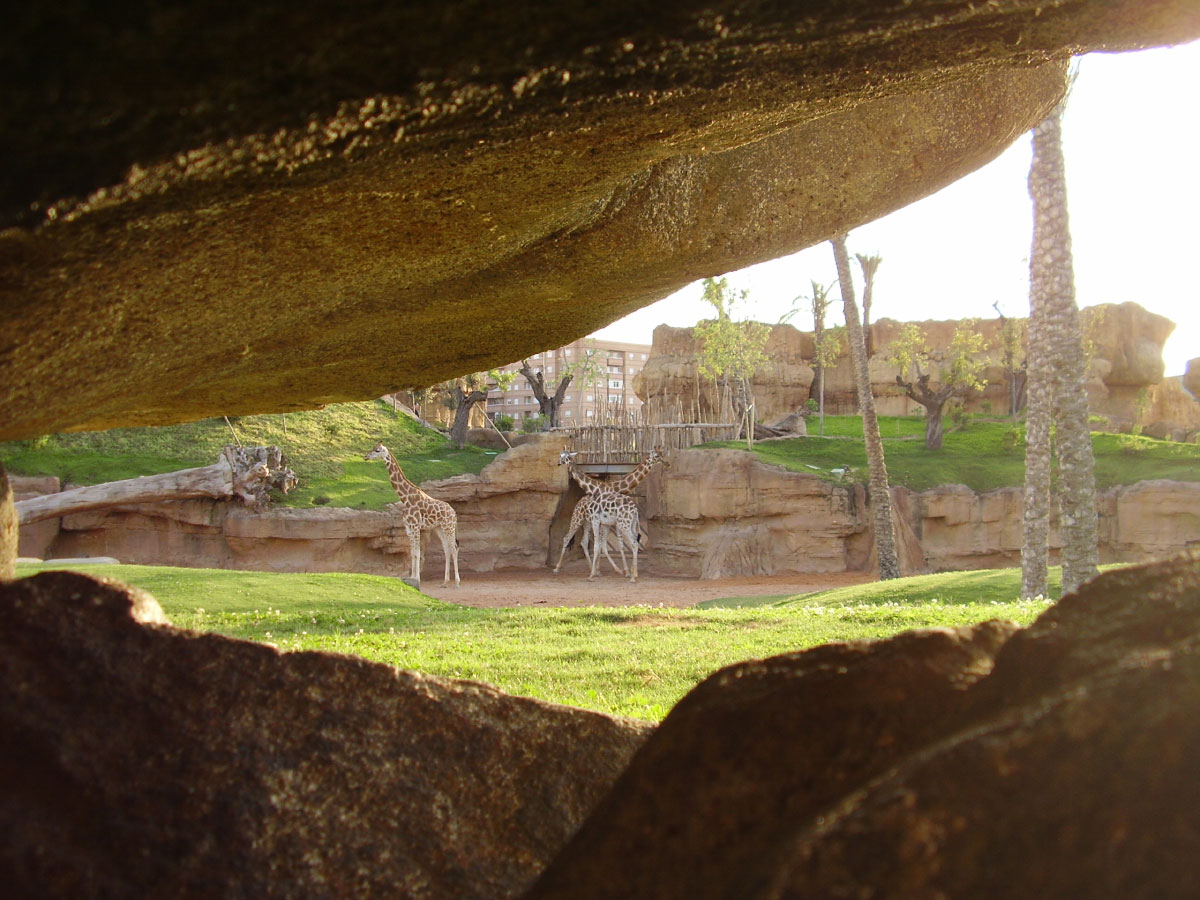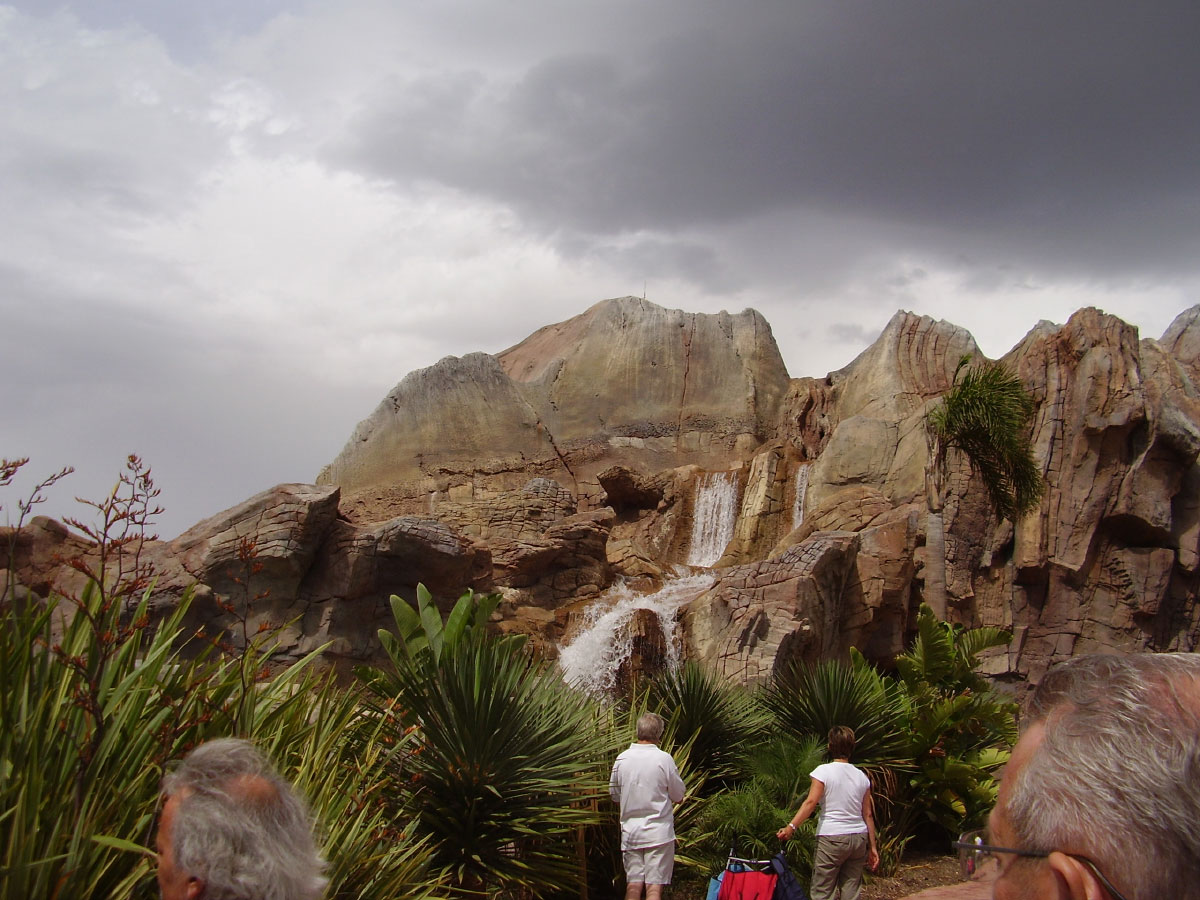

The design of artificial rocks for extreme climates, such as desert or coastal environments, poses significant challenges due to factors such as high temperatures, intense solar radiation, humidity and, in coastal areas, salinity. It is impossible to completely avoid their consequences. Therefore, the most effective strategy is to accept them as an inherent condition of the system and consider them specifically in the design of artificial rocks.
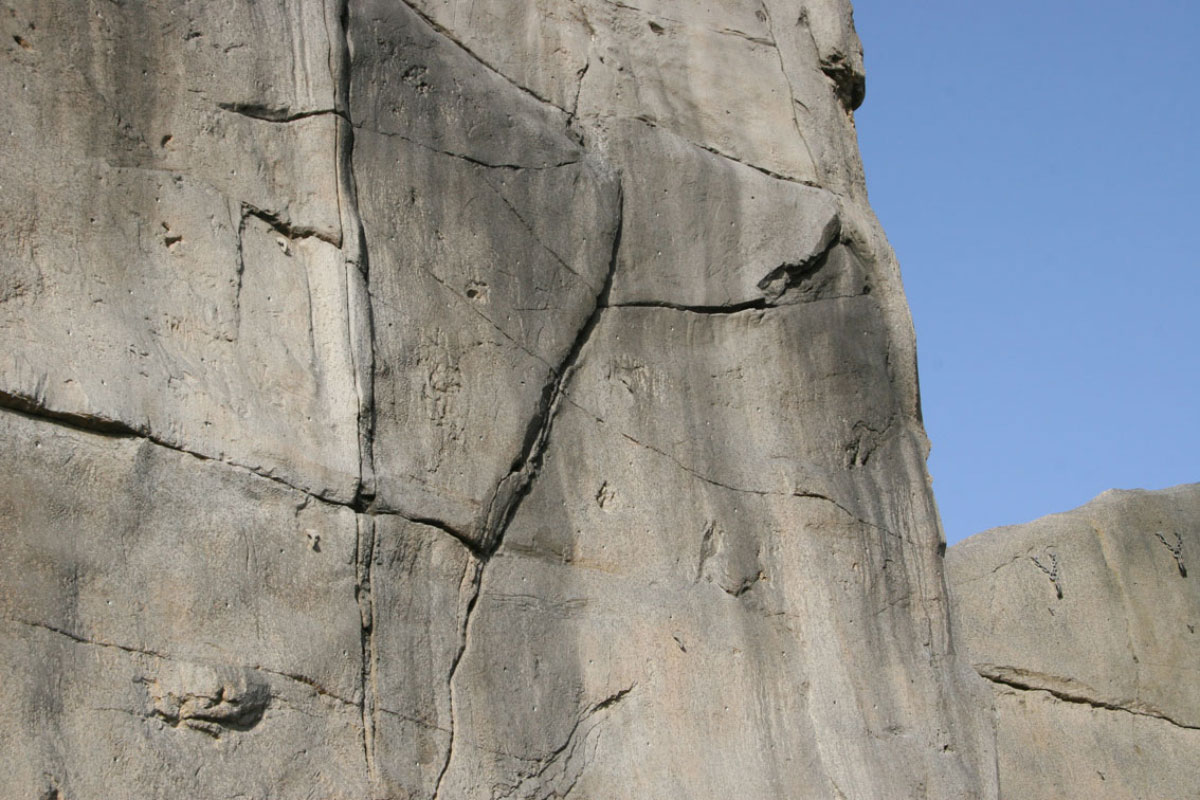
A particularly efficient solution is to design independent building blocks, where each block integrates its own structure and final artificial rock finish. By deliberately limiting the size of each unit, the magnitude of thermal expansion and other movements is controlled. This prevents the accumulation of internal stresses and their derivatives, such as cracking, detachment or premature degradation of the finish.
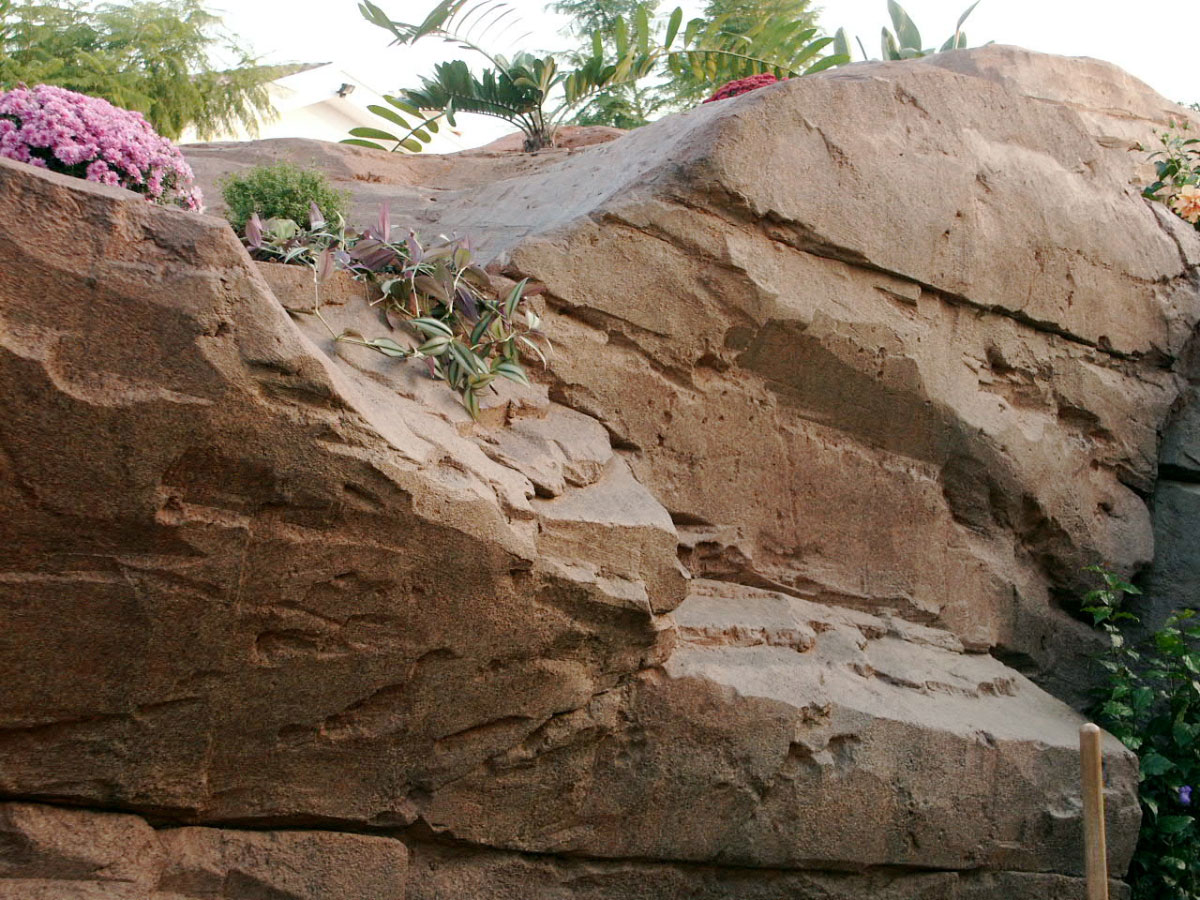
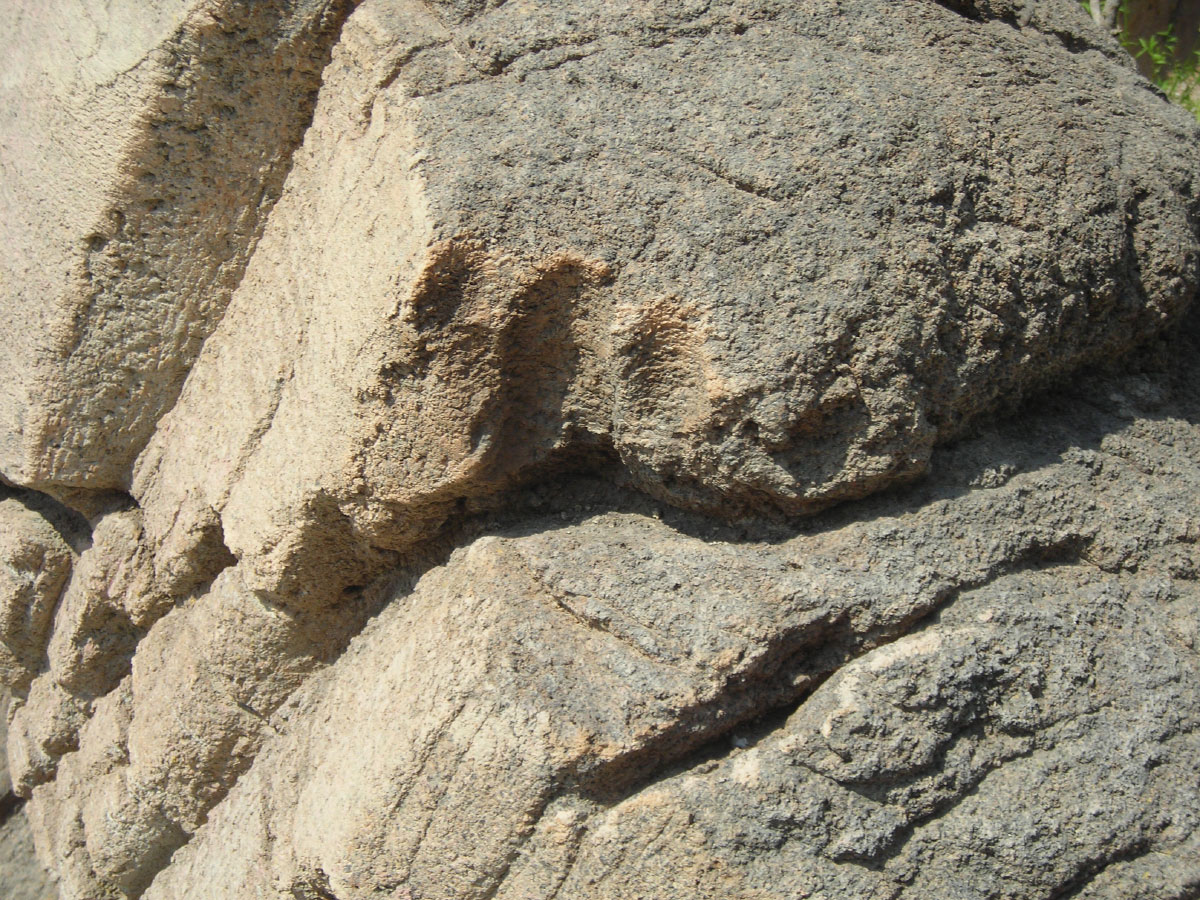
The necessary separations between these blocks are organically integrated into the formal language of the design. They are disguised as natural cracks, overlapping strata or fractures typical of the geology that is being emulated. The technical system is hidden within the thematic narrative. This strategy reduces the occurrence of future pathologies and ensures durable and efficient solutions, even in the most demanding climatic contexts.
By Cristina Uchán, senior architect in the Architecture Department at Amusement Logic