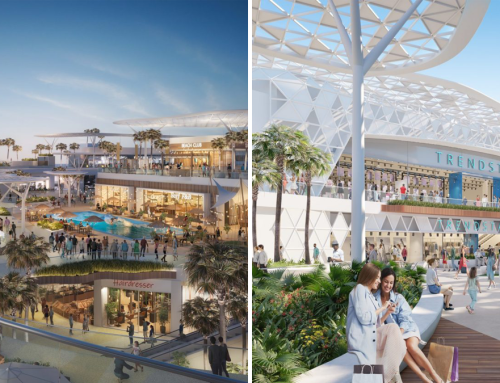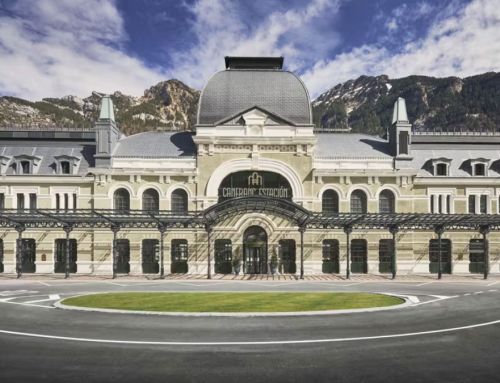

There is a trend in contemporary architecture to move away from the statistical phantom of the “standard inhabitant” and to design buildings from a comprehensive view of human complexity. One of the consequences of this is the concept of “sensory sovereignty”. In other words, thanks to conscious design, the end user is allowed to exercise free will when navigating the visual and auditory chaos of a building.
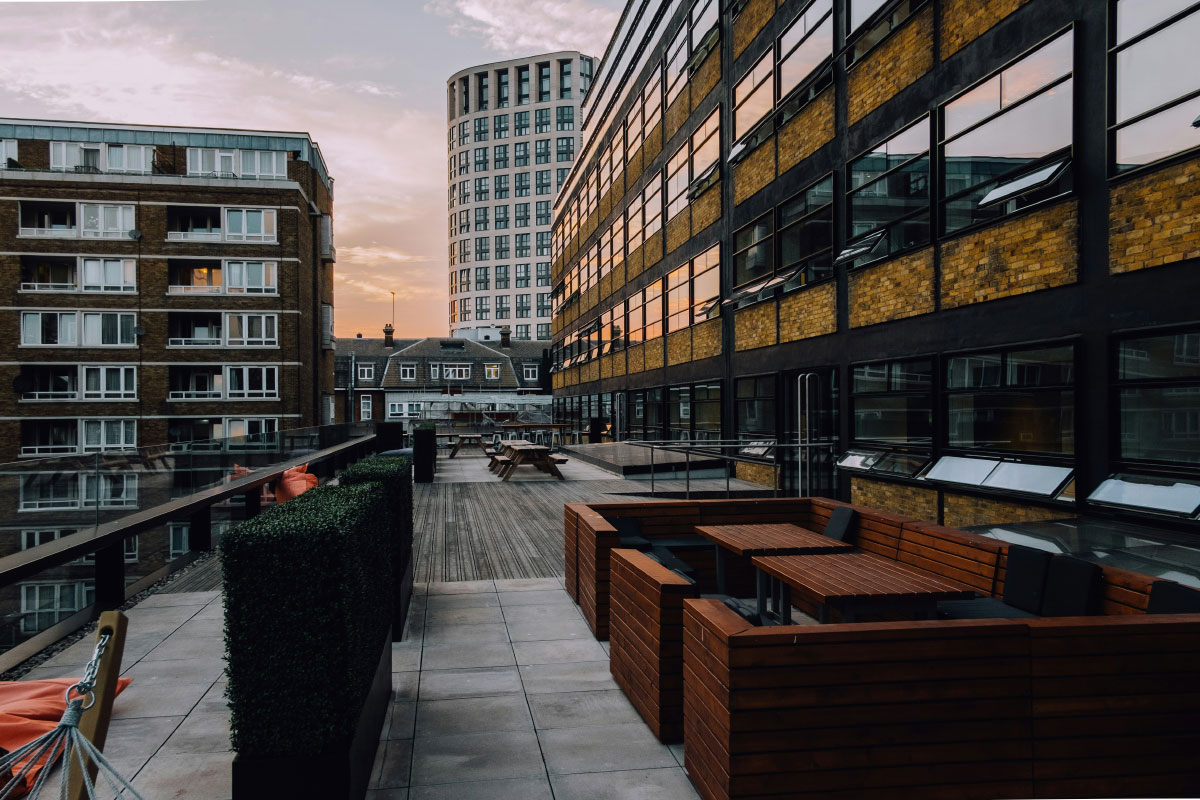
For example, according to this approach, offices will be designed with ‘sensory zoning’. A deliberate layout will take into account low-sensory-impact escape areas, as alternatives to high-interaction areas. Users will therefore be able to decide to access these havens that guard silence and calm through soft acoustic solutions and subdued lighting — preferably natural — that is gentle on the retina.
If the architecture also incorporates biophilic elements and warm materials, such as wood, so much the better. This is how the building establishes a calm dialogue with the nervous system, reduces stress and offers a kind of psychological security.
The new inclusive urbanism, which also adheres to this trend, prioritises intuitive navigation for residents. In this way, it reduces the cognitive load on them through clear sightlines, consistent signage and orienting textures.
By recognising the varied spectrum of human perception, architecture embraces different ways of living. The curious thing is that a design that takes into consideration the more sensitive human groups becomes more legible, peaceful and liveable for everyone. After all, it is the space that should adapt to people, not people to the space.
By Manolo Barberá, senior hydraulic modeller in the Architecture Department at Amusement Logic