
Here is a new instalment in our series of articles on the new possibilities offered by BIM 2.0 (Building Information Modelling) methodology. Now, we are going to explore three platforms that operate with this methodology and are setting trends in the architecture and construction sector. Let’s take a look:
- Motif: this is a cloud-based collaboration platform for the engineering, architecture and construction sector, designed specifically for reviewing, organising and presenting 2D and 3D architectural designs within a shared environment.It offers an “infinite canvas” that allows teams to visualise, comment on and sketch ideas on models. It integrates workflows from applications such as Revit or Rhino. It facilitates real-time review and allows comments to be directly associated with objects in the model.
It does not focus on the complete creation of the BIM model, its documentation or asset management, but rather on optimising collaboration and design review. Ultimately, its goal is to solve one of the persistent challenges in BIM: collaboration, coordination and review within a single space accessible from the cloud.
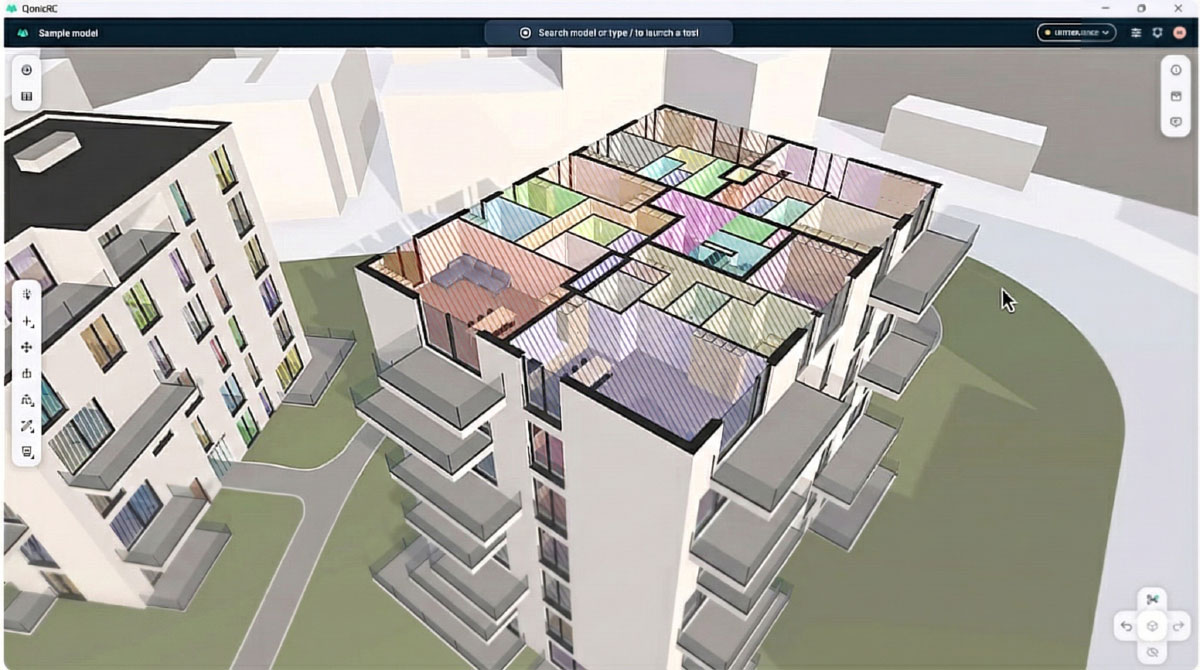
- Qonic: This is a high-performance cloud-based BIM platform designed to cover the entire project lifecycle, from conceptual design to construction and facility management.
It includes robust 3D modelling, BIM/IFC/COBie data editing, real-time collaboration without manual file management, reporting and quantity take-off. It is accessible via browser, mobile and desktop. It stands out as one of the few platforms that explicitly states its ambition to cover all phases of an asset in a native cloud environment.
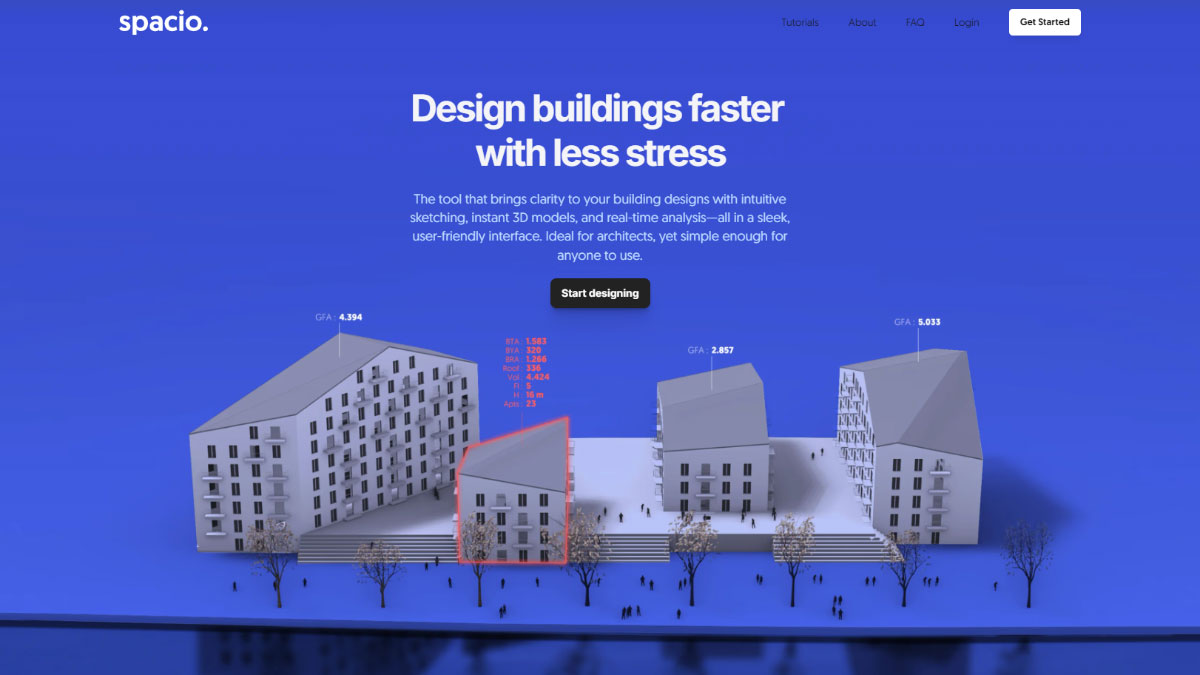
- Spacio: a web platform that combines artificial intelligence and parametric design to optimise the initial stages of architectural design and streamline the generation of alternatives, including integrated performance analysis.
It allows you to create buildings with organised and categorised components (exterior, interior, structure, etc.), provides area metrics and key performance indicators, generates BIM-ready models, allows exporting, and includes contextual analysis and simulations.
By simplifying the complexity of the conceptual phase, it democratises parametric design and the exploration of alternatives, and transforms the results into compatible BIM models.
Its main operation is in the conception and feasibility stages; at the moment, it does not cover the complete management of construction and operation with the same level of detail as full-cycle platforms.
It is a tool specialised in early design, AI and analysis, ideal for reducing risk and costs in the initial phases within the BIM 2.0 methodology.
And that’s all for now. Don’t miss the next instalment. And if you want to know more, the previous chapter is available:
» Towards the future of architectural and urban design: BIM 2.0 platforms
By Raúl Soriano, senior modeller in the Architecture Department at Amusement Logic