
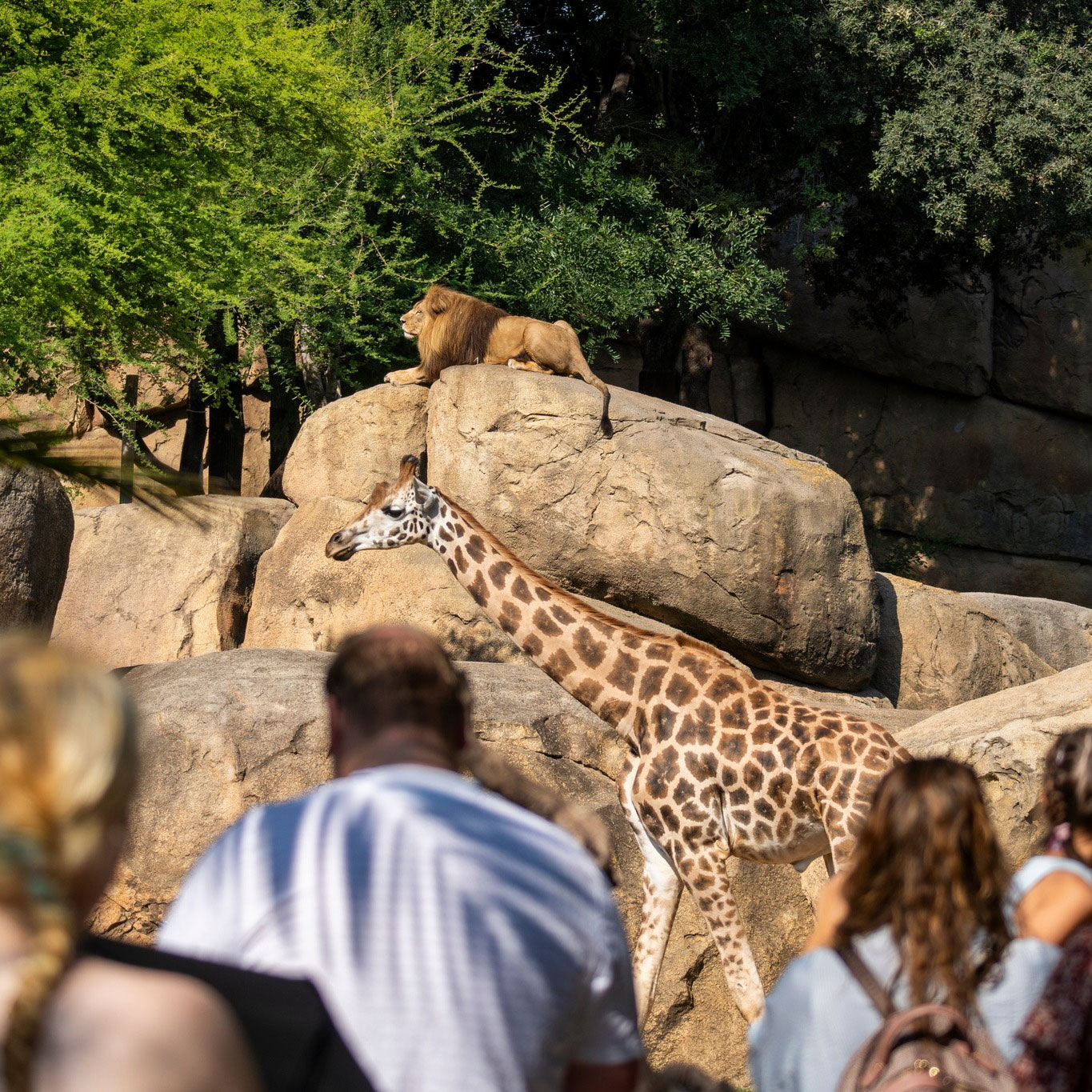
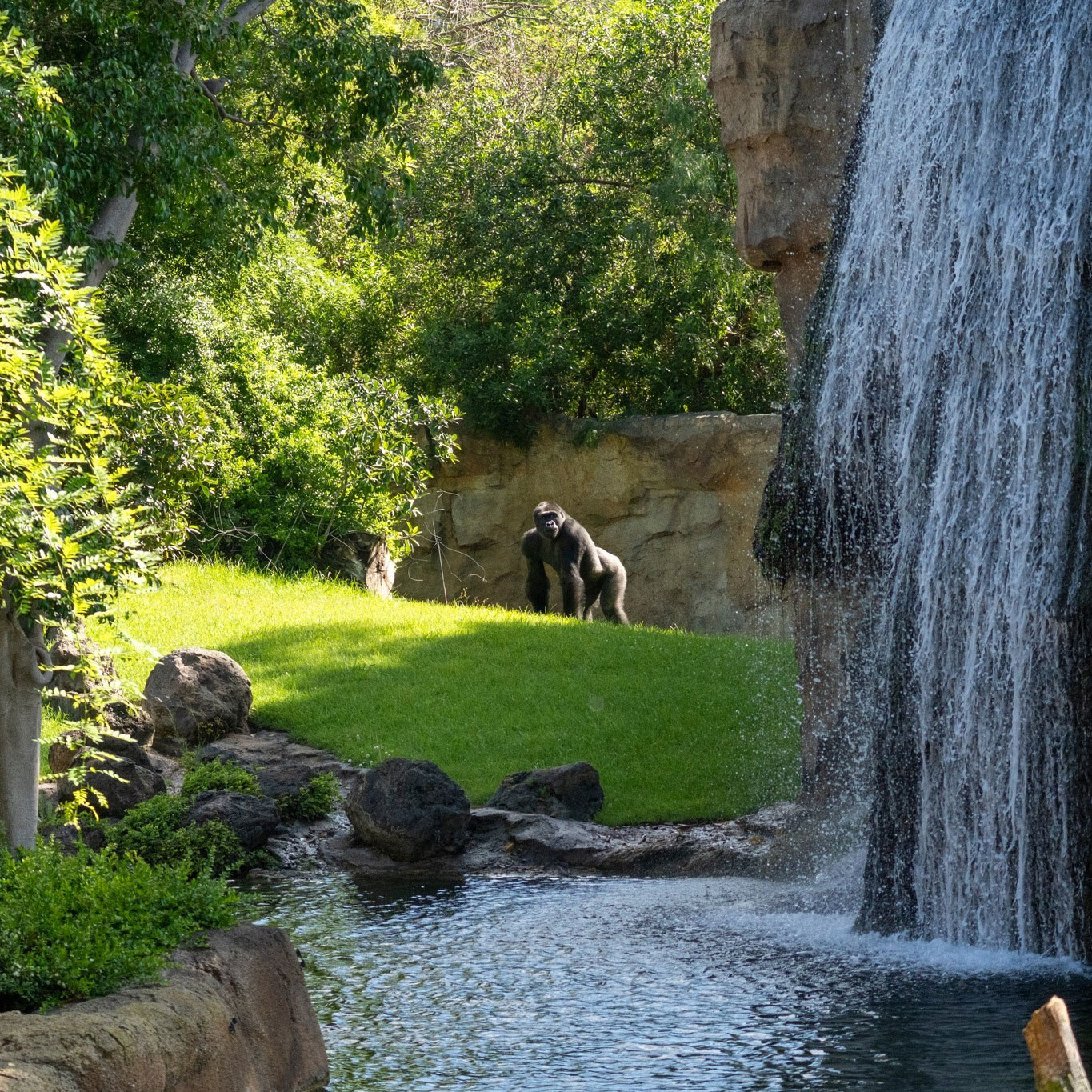
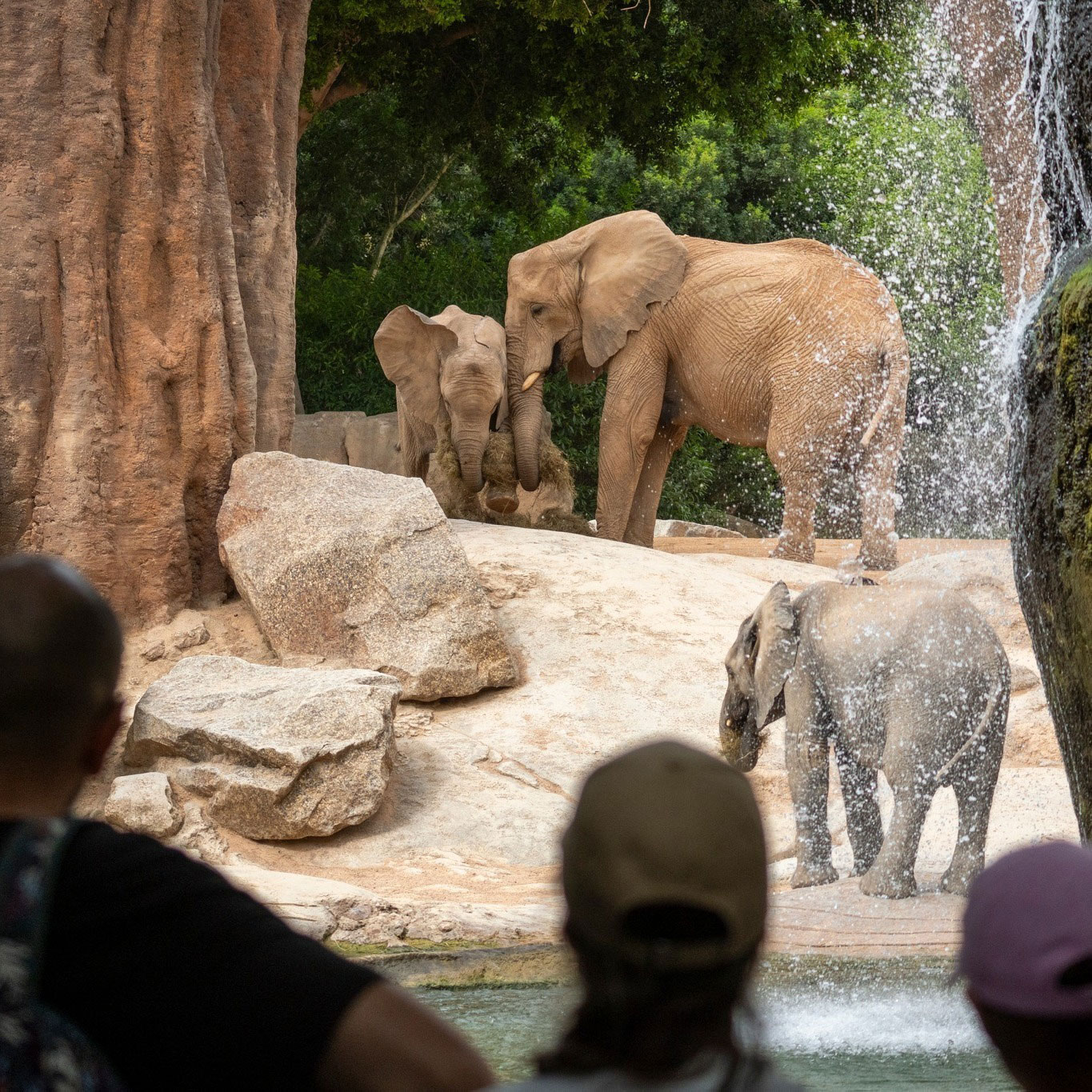
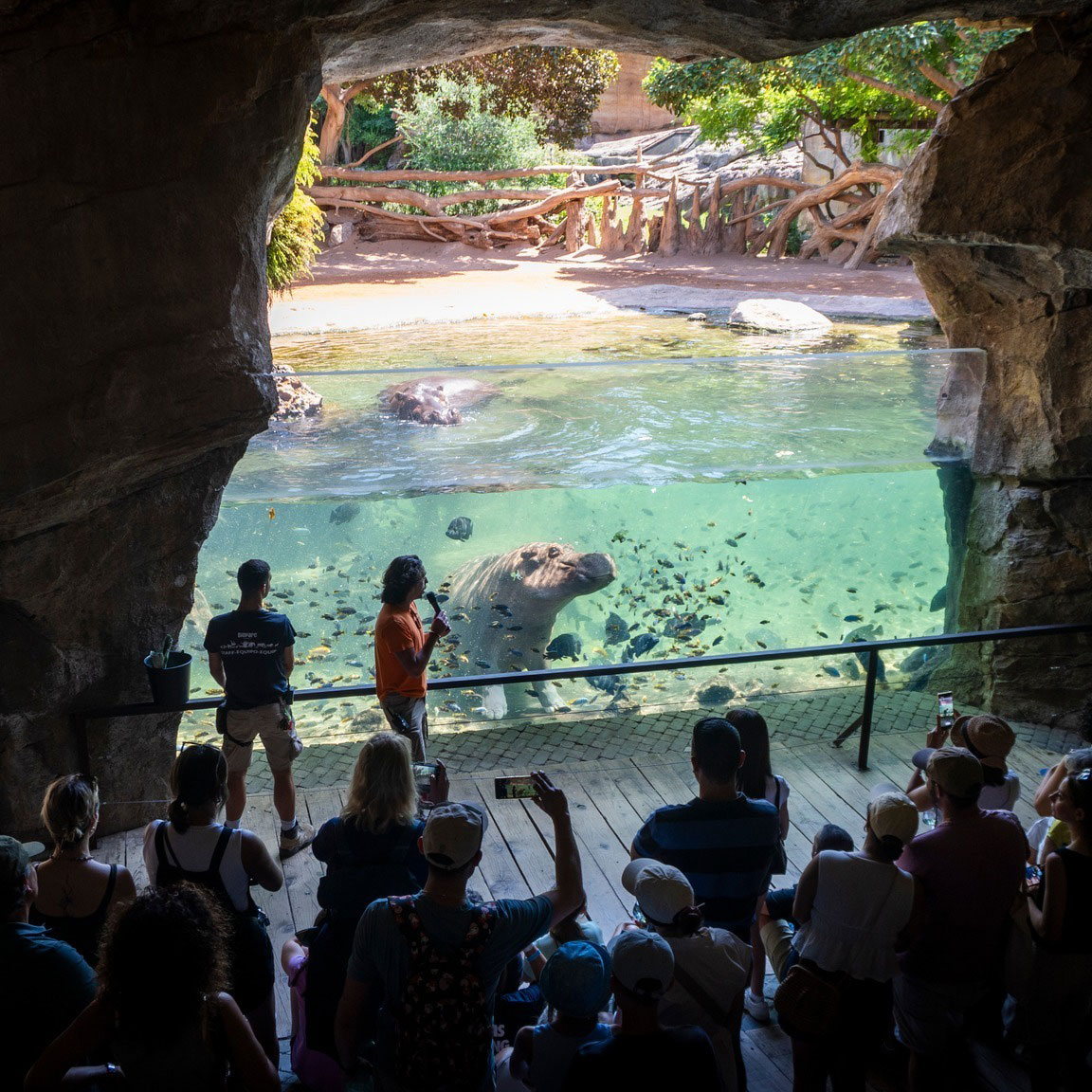
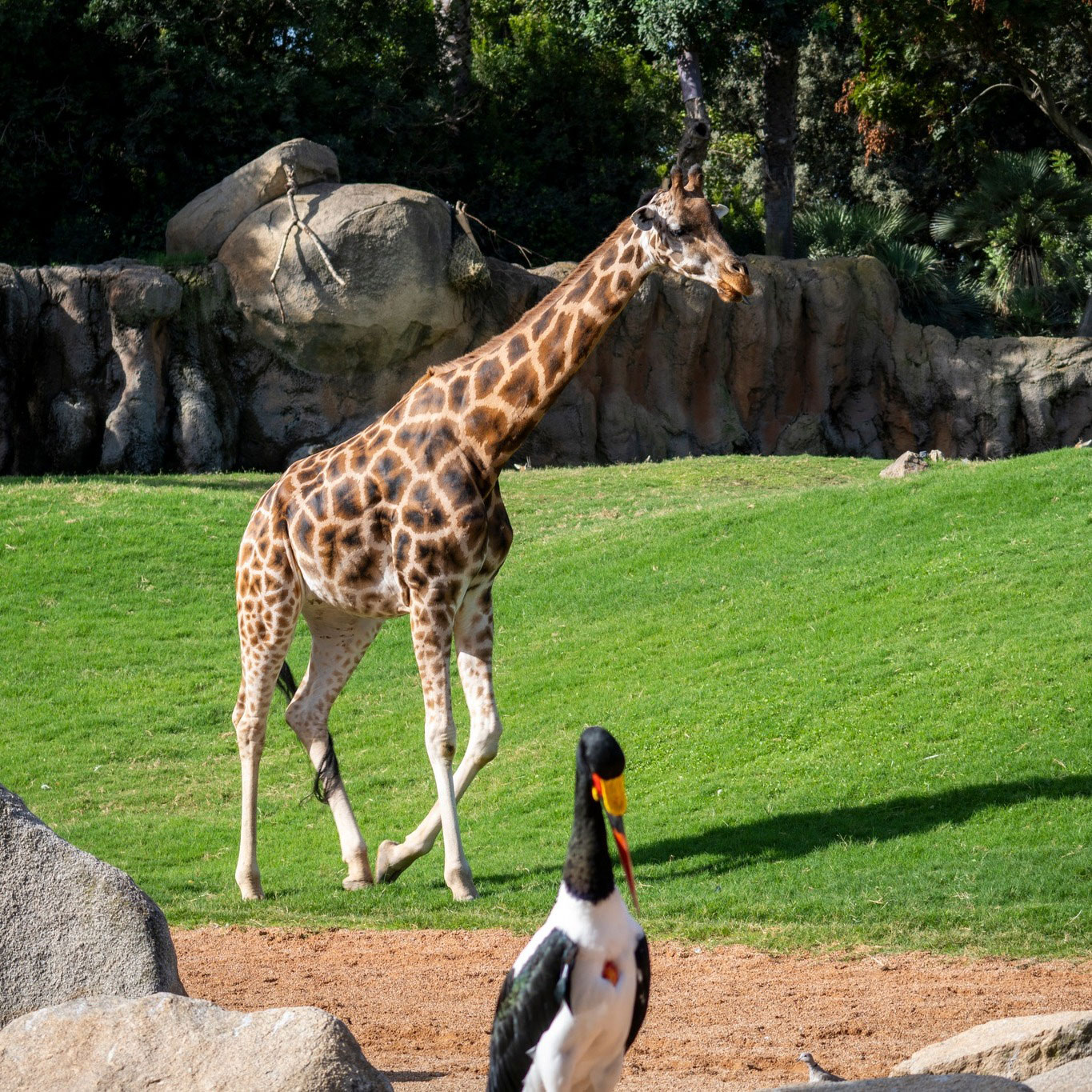
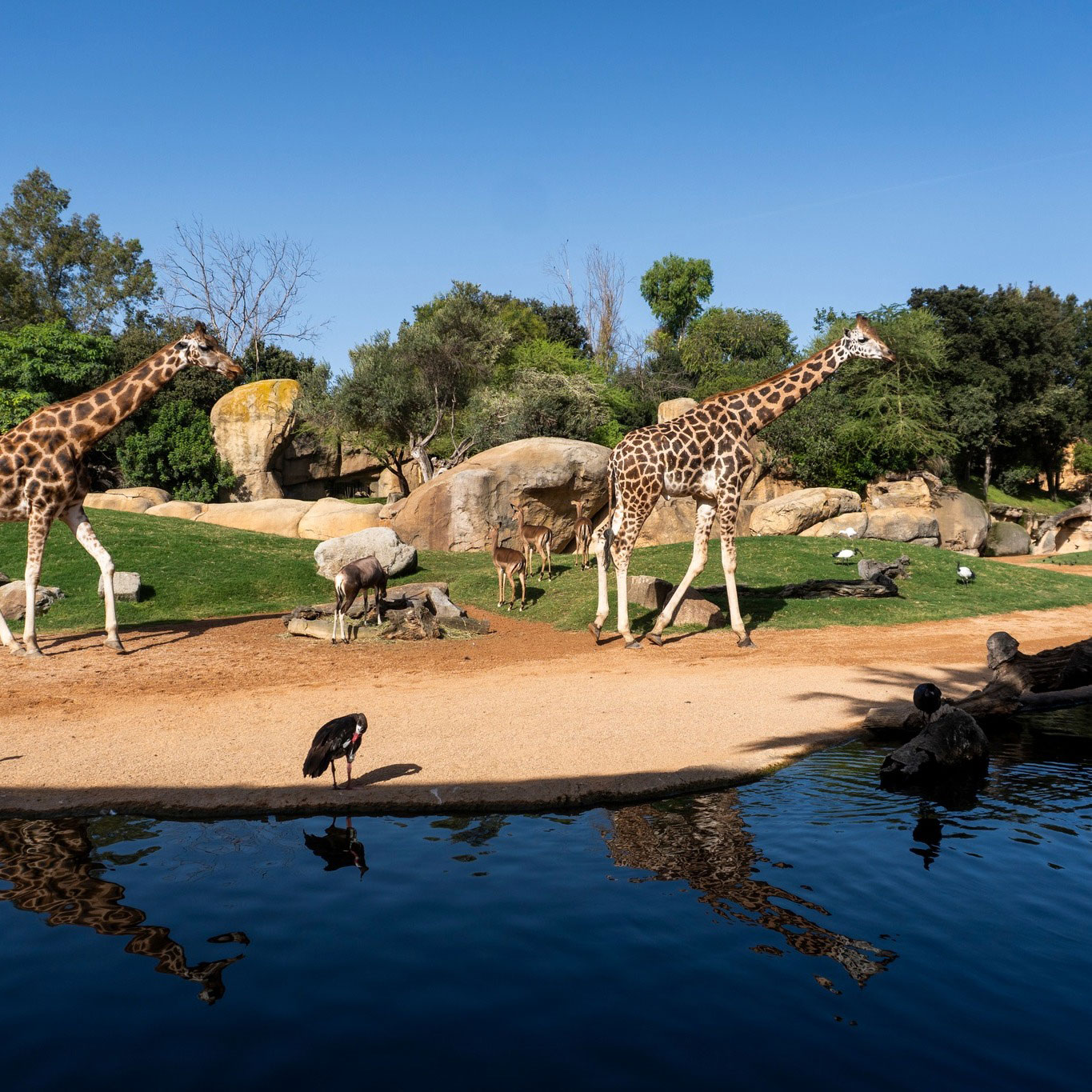
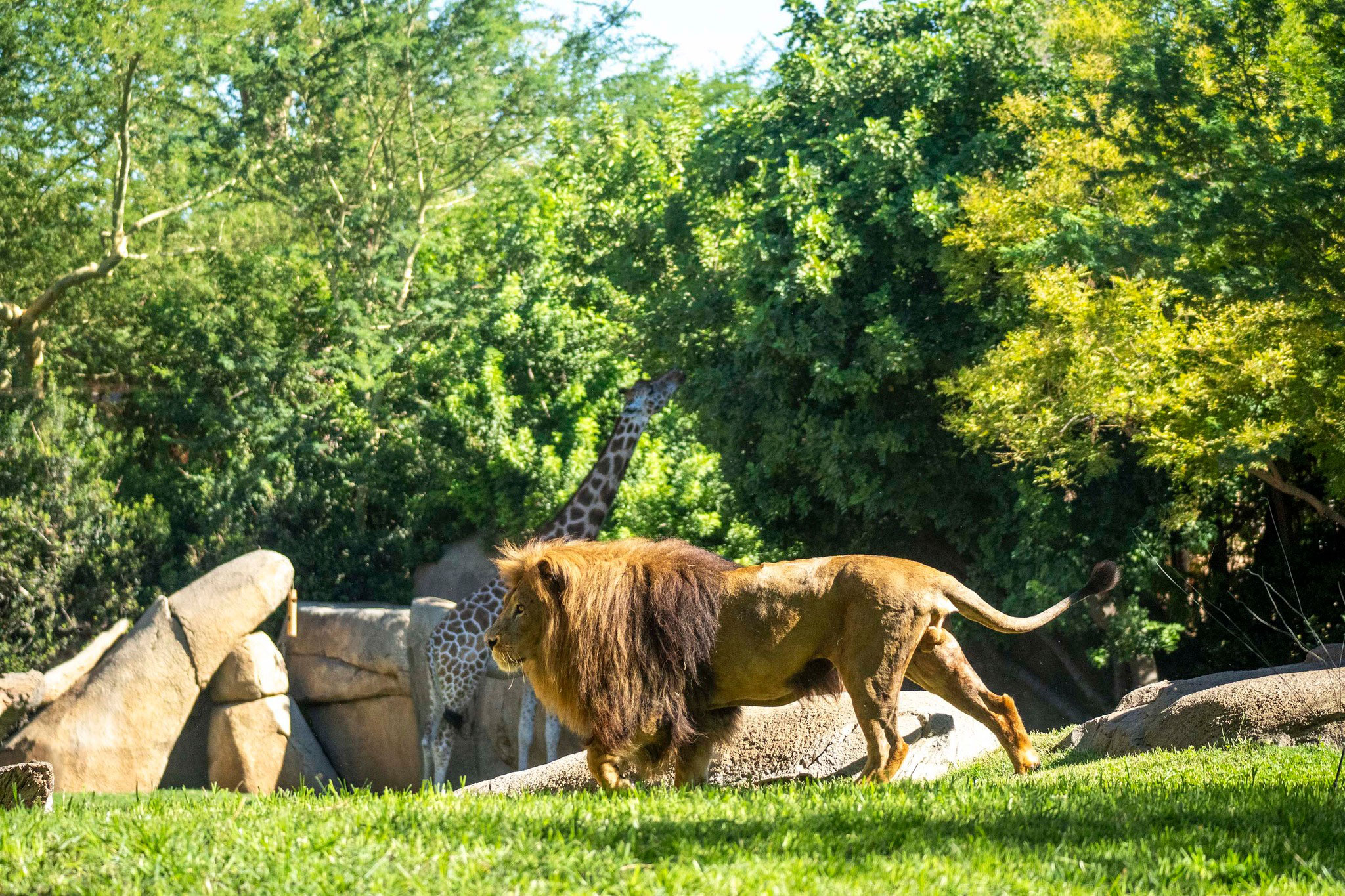
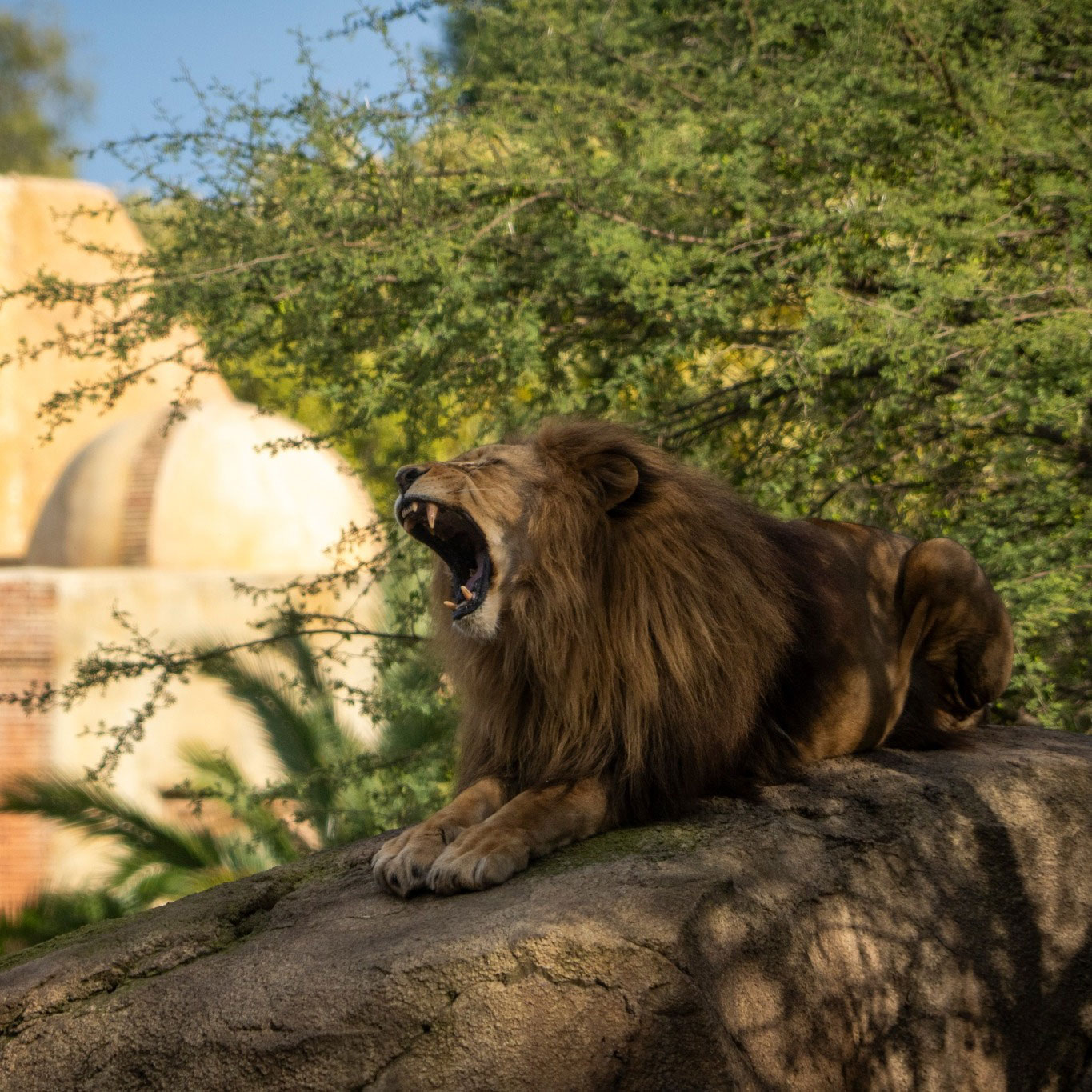
When Bioparc Valencia opened its doors on 27 February 2008, the concept of the traditional zoo began to be left behind. The new animal park, located next to the former riverbed of the Turia River, in the city’s Parque de Cabecera in Valencia, Spain, proposed a new perspective: to recreate the natural habitats of the resident animals with fidelity. According to this new concept of zoo immersion, visitors should feel that they were walking through the African savannah or an equatorial forest, rather than through an enclosure with animals on display. Bioparc Valencia was designed and planned according to this idea, as an ecosystem in which barriers disappear. And so it was. And so it remains: this landmark project occupies a very special place in Amusement Logic’s 30-year history.
The construction of Bioparc required 4 years of design and 4.5 years of construction work, with an investment of more than €60 million. The technical challenge was enormous. Amusement Logic rose to it and placed its experience in theming and environmental recreation at the service of the project. The company had already worked on Valencia’s Oceanogràfic, the largest aquarium in Europe, where it had demonstrated its ability to reproduce marine habitats with artificial rocks and corals, and to recreate the geology and botany of African ecosystems with maximum fidelity.
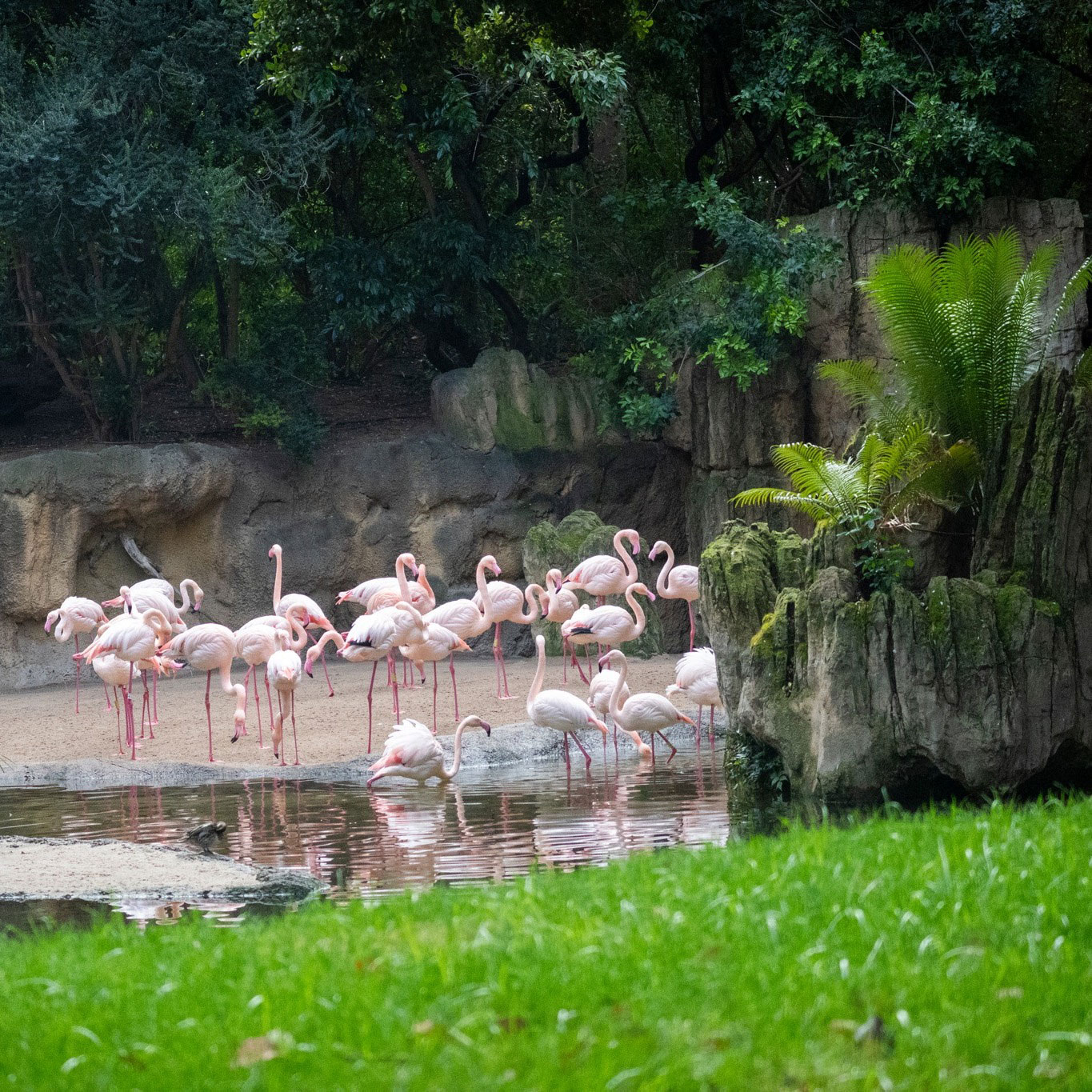
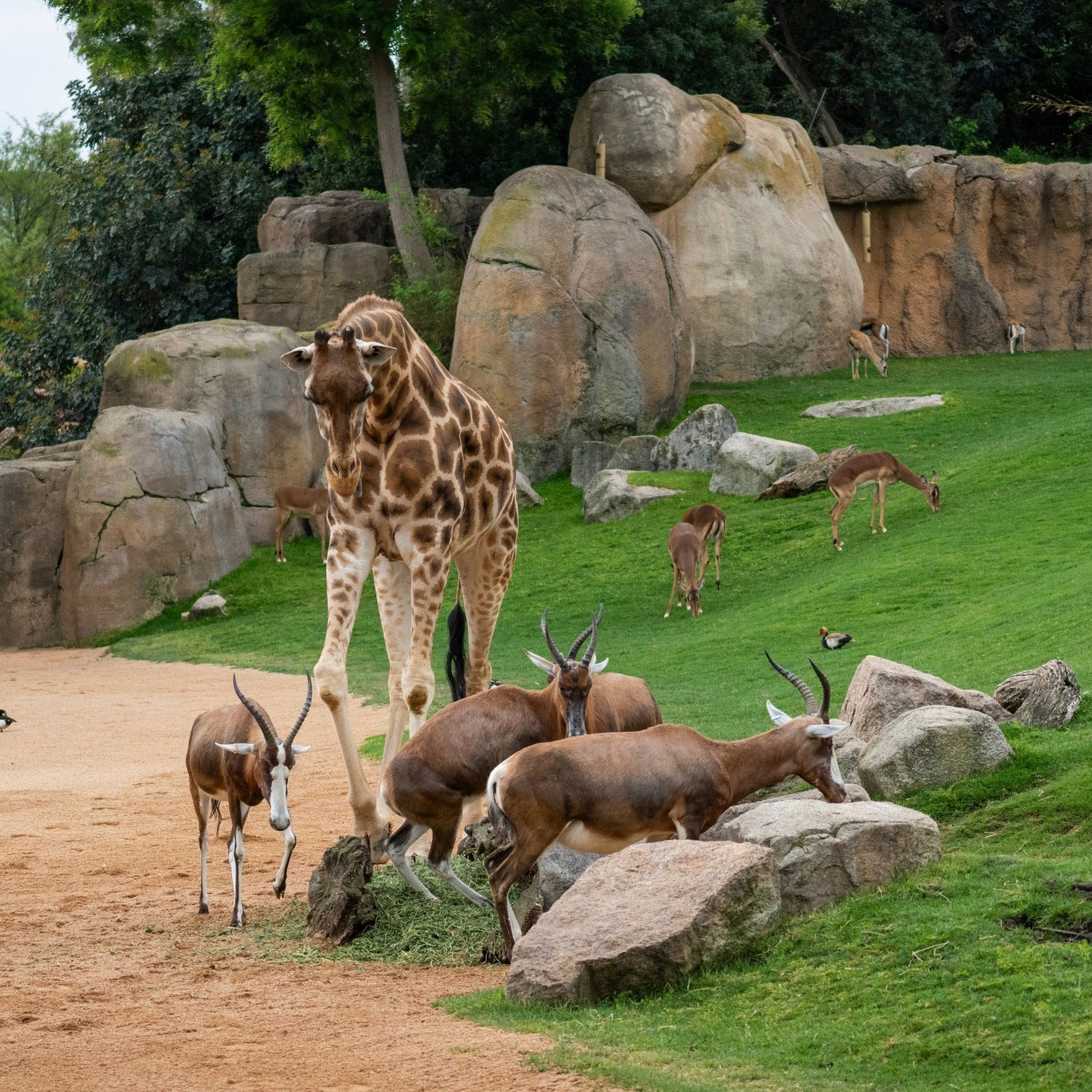
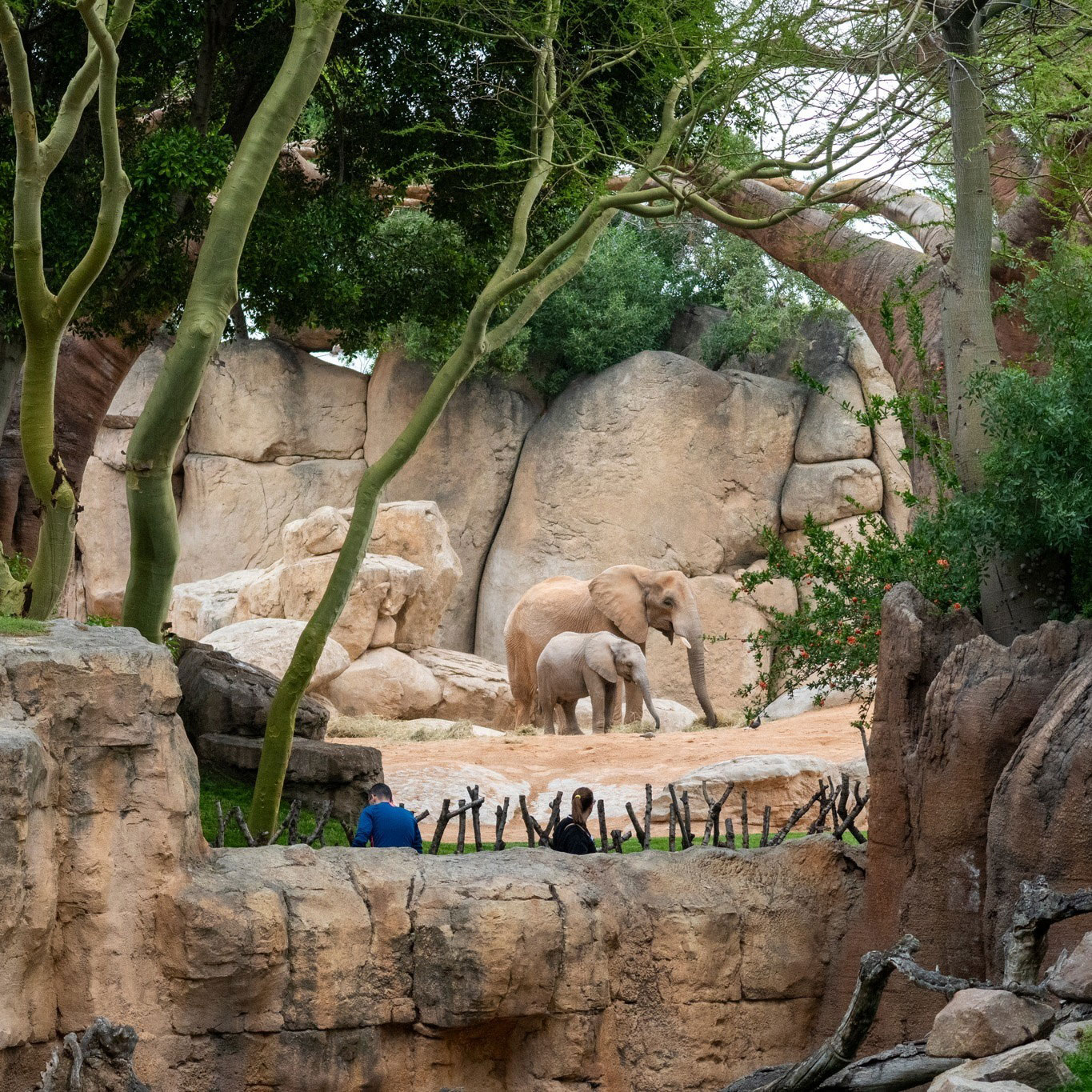
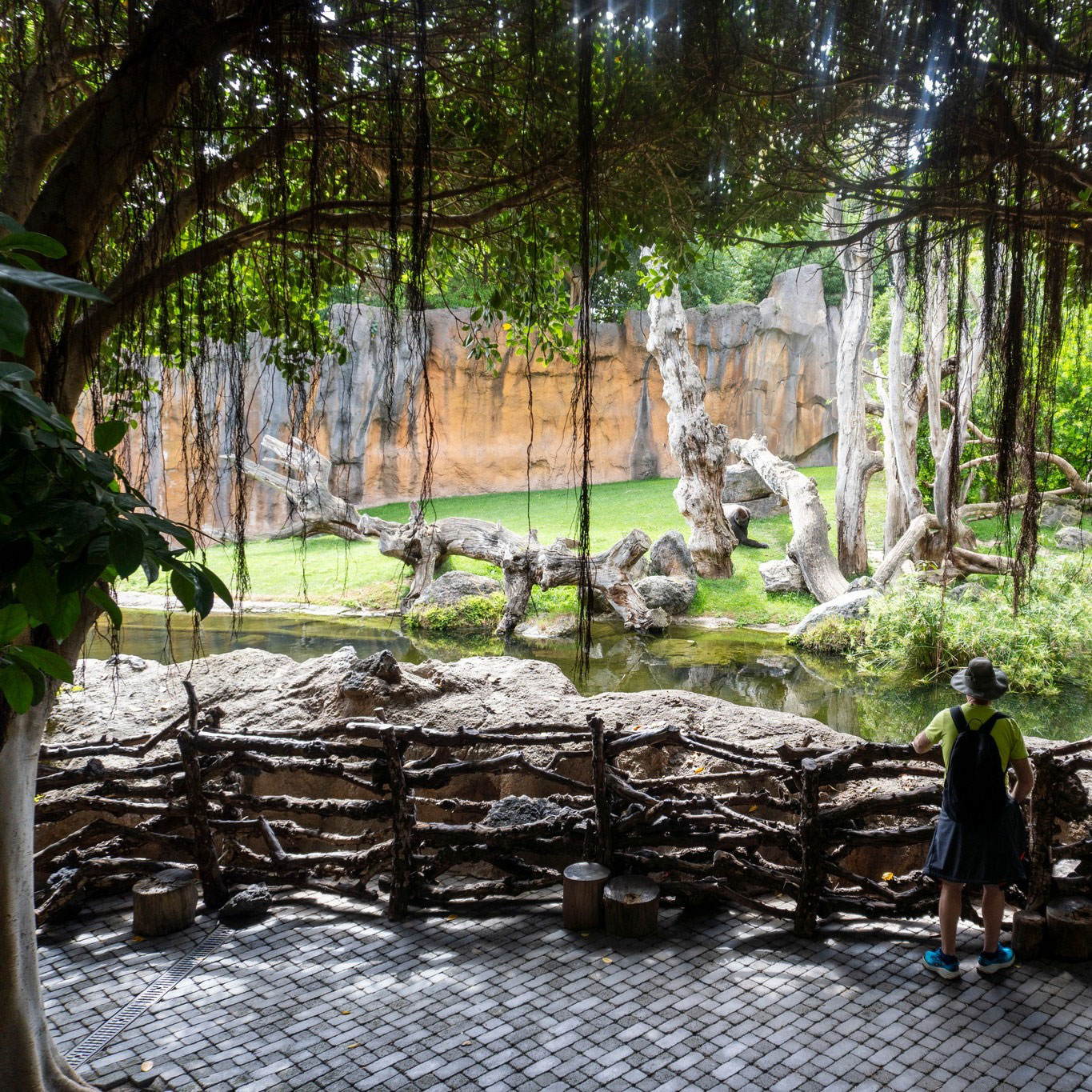
It should be noted that theming work in animal parks involves more than building scenery. As Amós Casas, an executive at Amusement Logic, explained regarding the Oceanogràfic project: “theming begins with a detailed geological study of the types of habitats, rocks and substrates in which each of the species lives”. This methodology was also applied at Bioparc Valencia. Every rock, every corner, every land formation served a dual purpose: to recreate the landscape and ensure animal welfare. The company worked alongside architects, biologists, sculptors and animal keepers so that the spaces would faithfully reproduce the selected habitats.
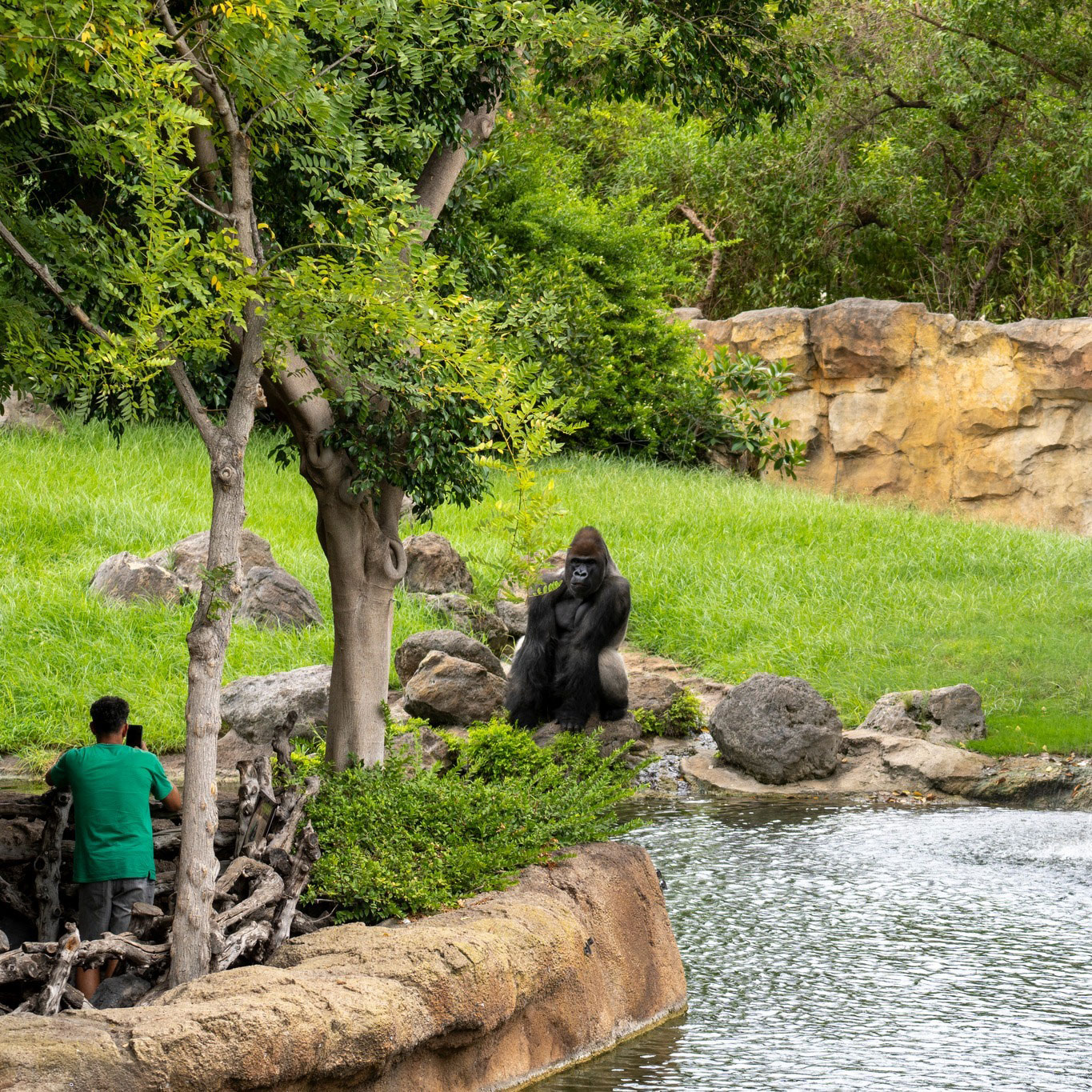
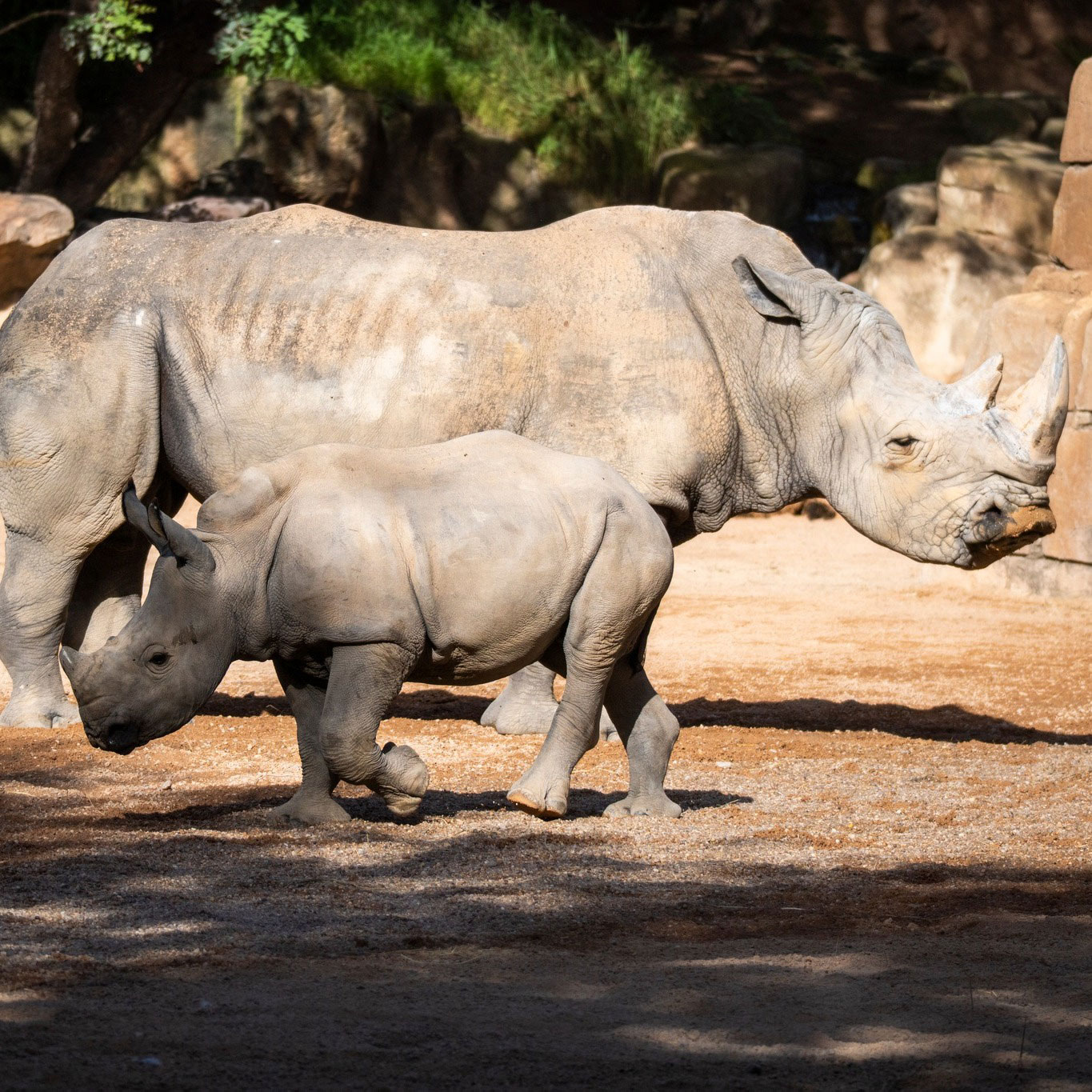
However, Bioparc Valencia did not stop in 2008. Since opening, the park has maintained constant activity, with births of endangered species confirming the quality of its facilities. In 2019, the park celebrated the birth of a baby gorilla, offspring of the female Ali, which was already showing strength and vitality at just one week old. That same year, the baby chimpanzee Coco turned 10 months old in the park’s equatorial forest.
Sustainability has consistently been another key pillar in its evolution. In 2008, Amusement Logic documented the installation of 41 thermal solar panels on the park’s roofs, which from the time of their installation supplied more than 600,000 MJ per year for heating animal enclosures, heating tropical water and domestic hot water. Later, in 2021, Bioparc Valencia certified that all of its energy came from renewable sources, resulting in annual savings of 580 tonnes of CO2.
In June 2026, Bioparc Valencia established itself among the world’s Top 10 animal parks and the Top 5 in Europe, according to rankings by tourism platforms such as TripAdvisor and Minube. With more than 600,000 visitors per year, the park has become one of the city of Valencia’s main attractions and a benchmark in biodiversity conservation.
Today, Bioparc Valencia is embarking on a major expansion, with a total planned investment of €64 million. The project includes three phases: the recreation of the Silk Road between Mombasa and Alexandria, the restoration of a series of historic farmhouses —traditional agricultural estates with dwellings typical of eastern and south-eastern Spain— located on the site, and a large area dedicated to Imperial China. The first phase is expected to be completed in 2027, while subsequent phases remain subject to administrative procedures.
For Amusement Logic, Bioparc Valencia is not just one of the many projects it has carried out over the last three decades; it is proof that themed architecture, when undertaken with rigour, can become a tool for conservation and education.
Sources: Wikipedia, Bioparc Valencia.
Images: Bioparc Valencia.