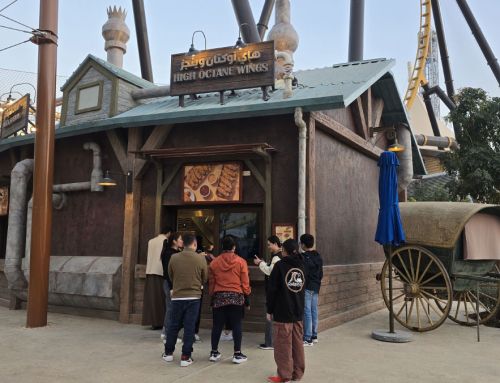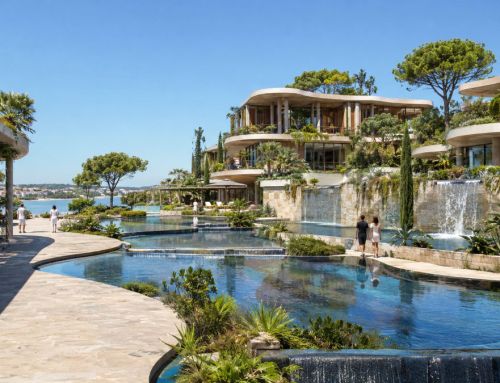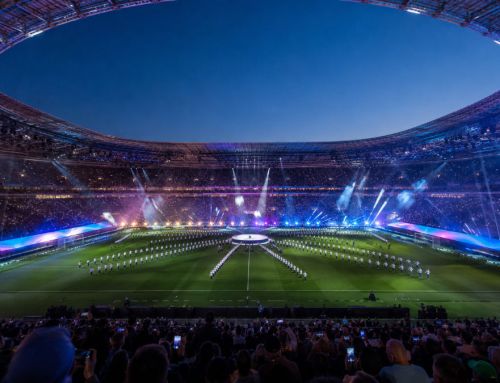

A group of Romanian investors has awakened the most famous vampire in literature — and in the world — to place him at the centre of a large-scale theme park project. Although it was the Irish writer Bram Stoker who brought Count Dracula — the famous vampire, as you will have guessed — into fiction, it is well known that he drew inspiration from the imagery of Transylvania and the history of Vlad Țepeș, ruler of Wallachia. The project’s promoters point out that this is one of the most globally recognised cultural myths, albeit “commercially underexploited”. To address this gap, they present the Dracula Land theme park.
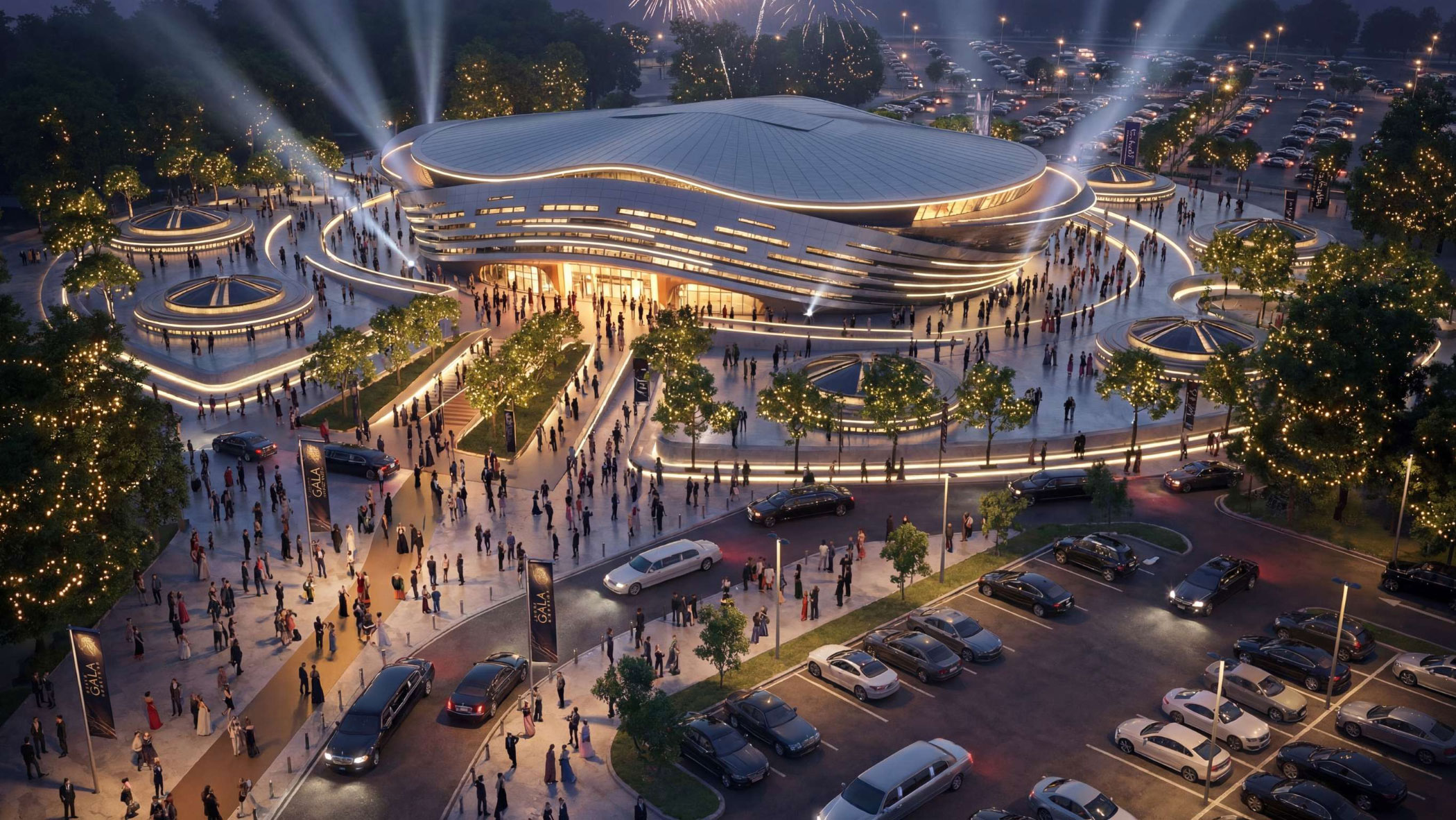
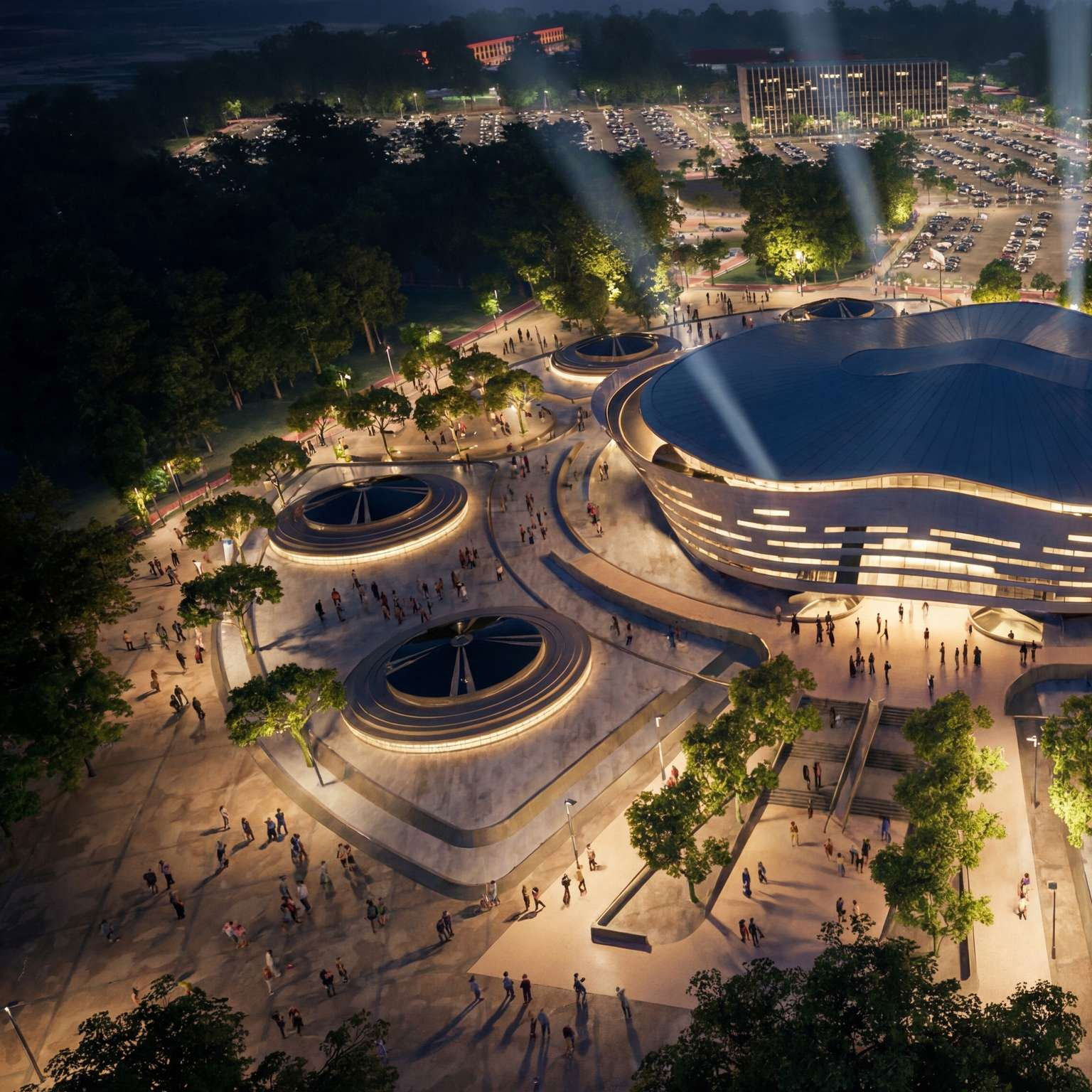
The heart of the themed development will cover approximately 780,000 m² and, in pursuit of narrative cohesion, will feature six immersive themed areas. The visitor journey will begin in The Moonlit District, an entrance plaza inspired by the architecture of Bucharest. From there, the storyline will move through a rural and forested Transylvania before culminating in an iconic Dracula Castle. The castle, destined to become the geographical and symbolic centre of the park, will not merely serve as a photographic backdrop but will house labyrinthine walkthroughs and a suspended “bat coaster”.
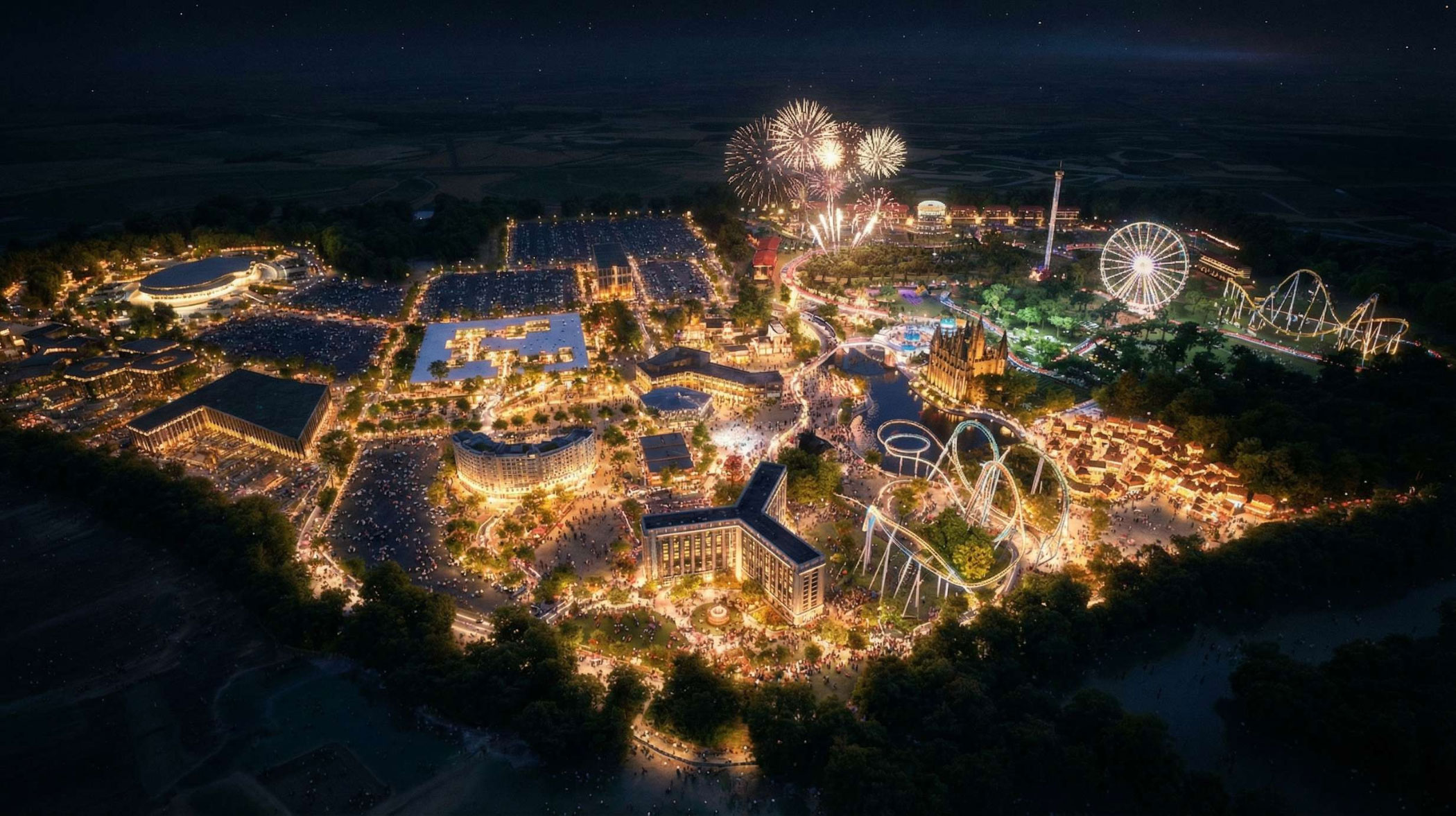
The themed map is completed by areas dedicated to Stoker’s universe: The Family Kingdom, centred on supernatural folklore from various cultures; London Town, with a dark Victorian aesthetic; and Port of New Orleans, introducing Mardi Gras and an array of colourful carnival carousels. In total, more than 40 attractions are planned — a figure that implies investment on a substantial scale.
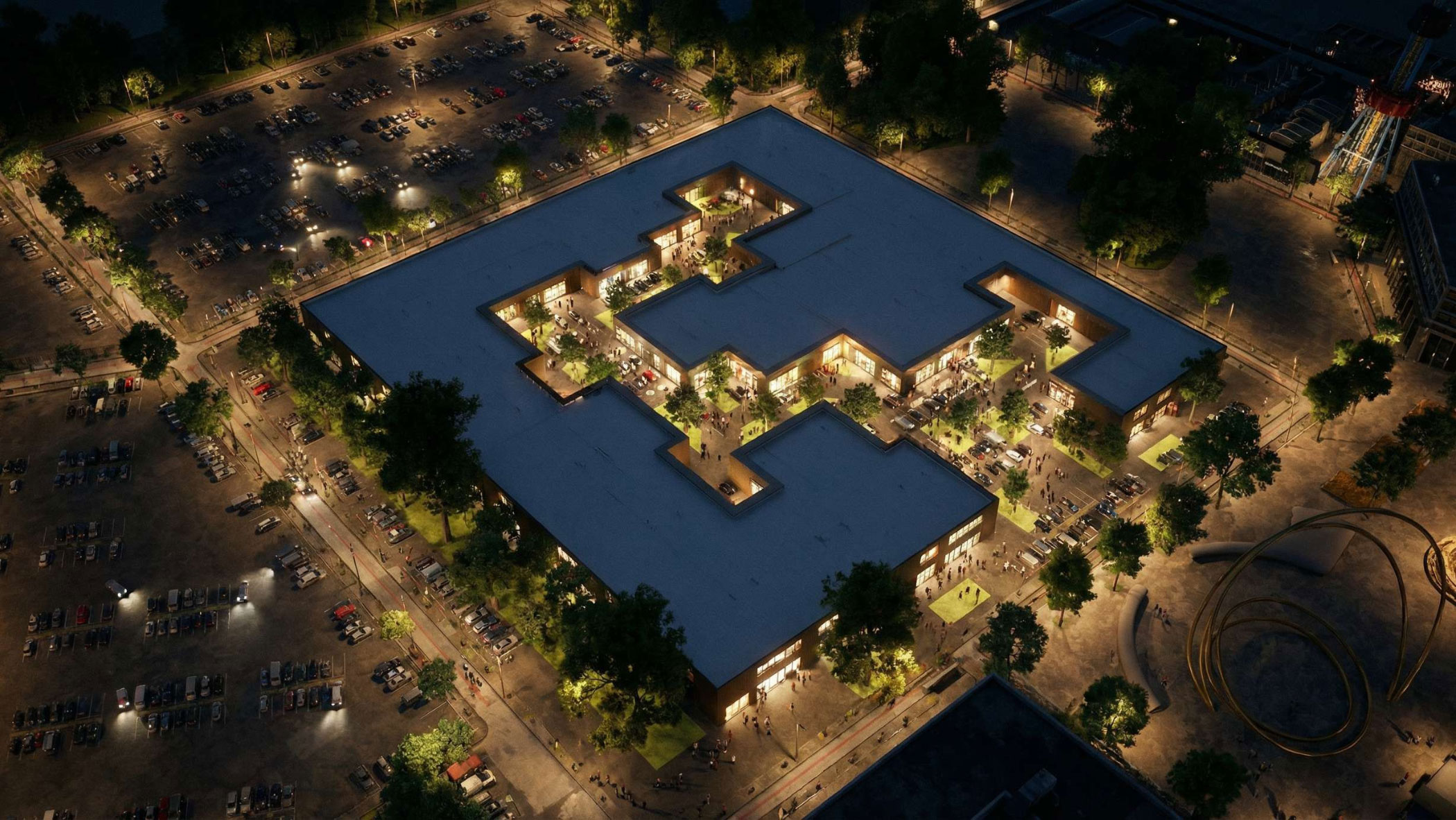
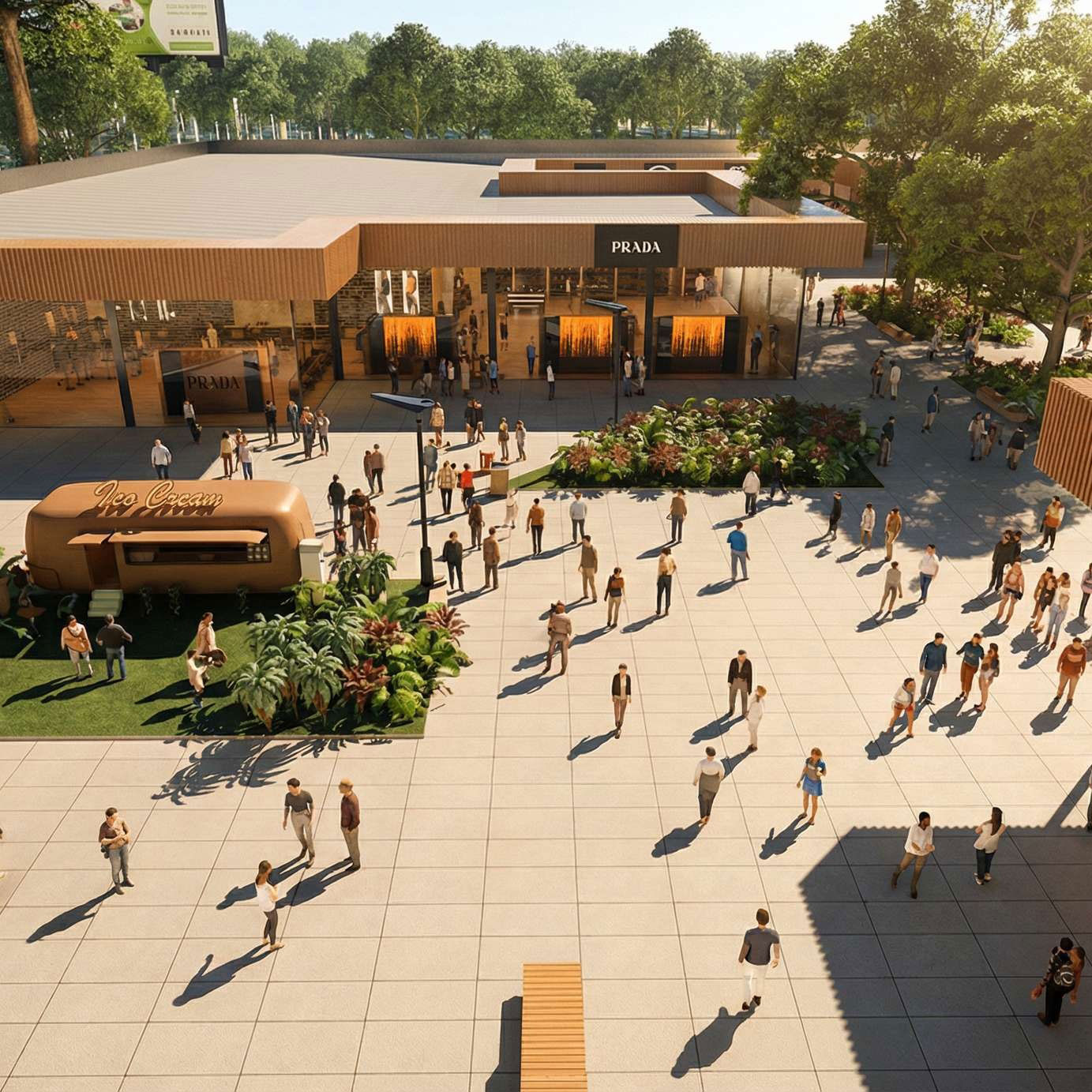
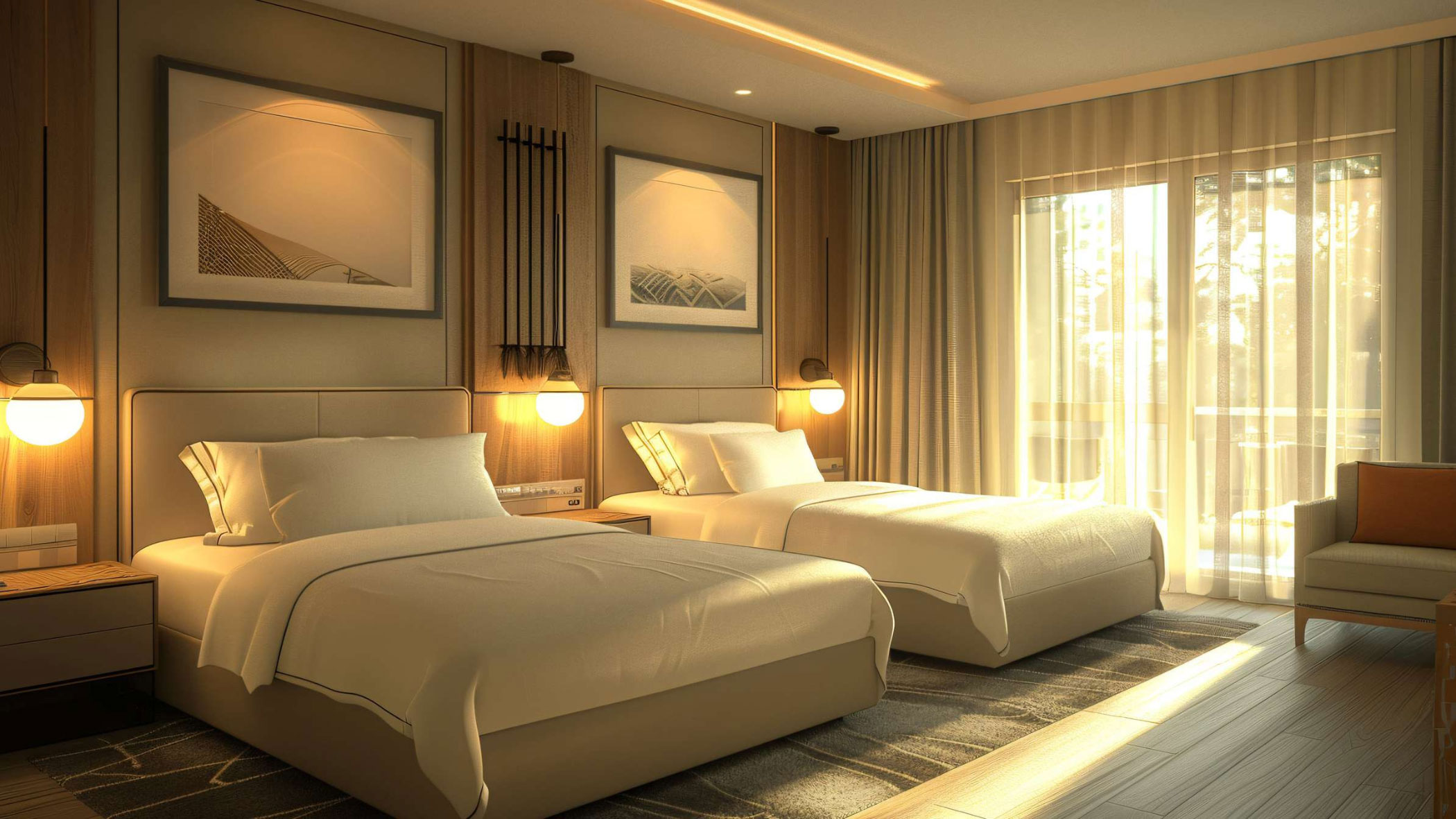
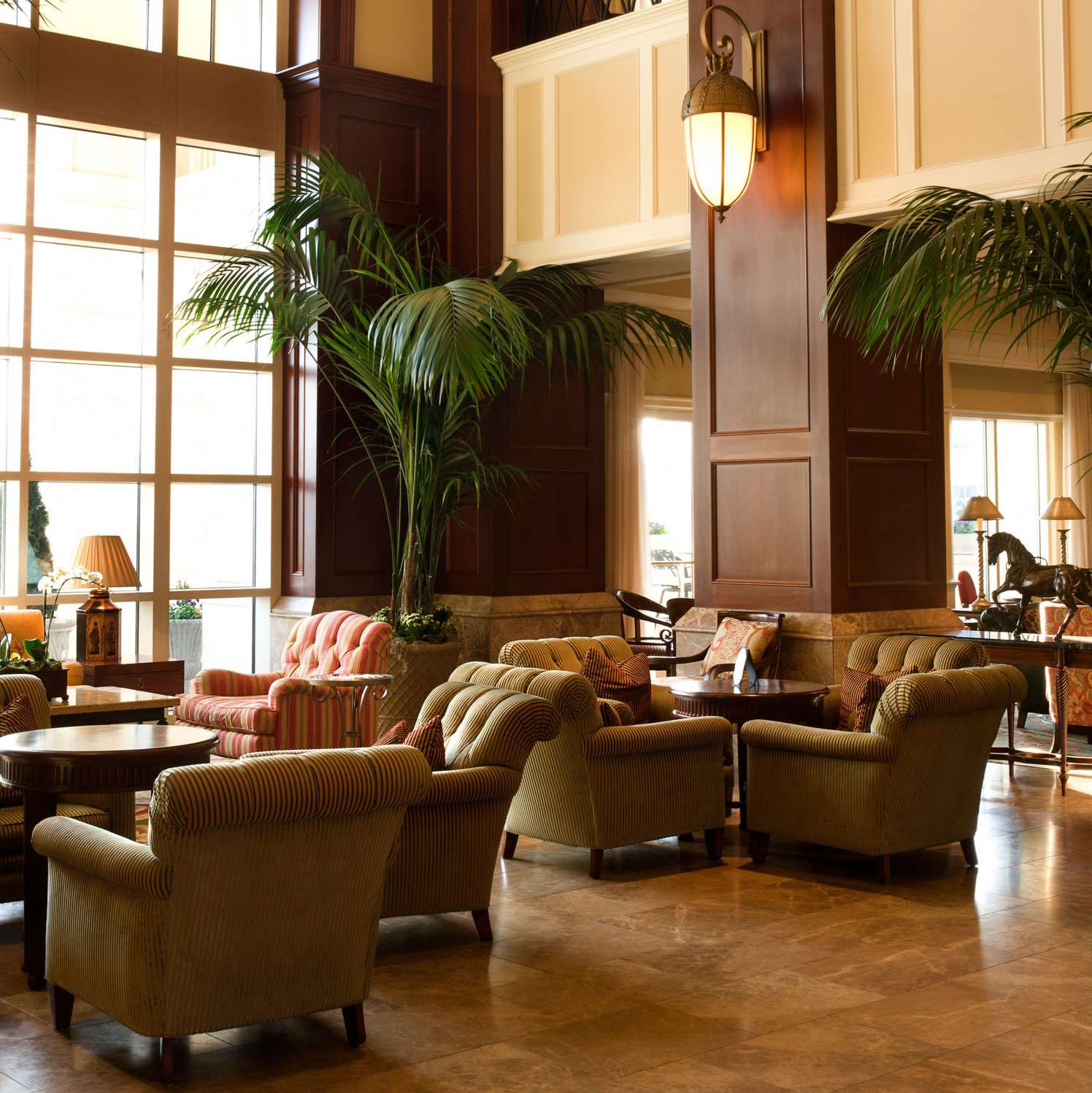
However, the Dracula Land theme park is only one component of the wider development. The master plan includes additional elements designed to diversify the offer and extend visitor stays. It envisages three themed hotels with a total of 1,200 rooms, a 50,000 m² water park with thermal spa, and a 4.5 km race track. Added to this is a retail area and a 15,000 m² technology centre for companies developing digital games and artificial intelligence (AI).
Particular attention should be paid to the project’s commitment to the digital industry, as it includes its own metaverse and a proprietary cryptocurrency, DraculaCoin. According to the promoters, the intention is to extend the experiences offered by the theme park beyond the boundaries of the site itself, enabling interactions before and after the physical visit. For industry professionals, this raises the challenge of integrating digital technology and virtual experiences as a genuine extension of the park’s physical environment, rather than allowing them to remain a superficial add-on.
The principal promoter of Dracula Land is Dragoș Dobrescu, a property investor with experience in large-scale projects, though traditionally discreet in his public profile. He is joined in the venture by businessman George Toader. One name that has attracted attention is that of Florin Cîțu, former Prime Minister of Romania, who through his firm BNW Advisory acts as an adviser on financial structuring and investor relations. The project aims to secure 100% of its investment — exceeding €1 billion — from private capital.
In this respect, it is necessary to remain realistic: the proposed timeline is, to say the least, ambitious. According to the official website, construction would begin in 2026, with opening scheduled for 2027. Anyone experienced in theme park development will regard this timeframe as extremely tight for a project of such magnitude — even more so considering that administrative and legal procedures for land-use permits are expected to conclude only by mid-2026.
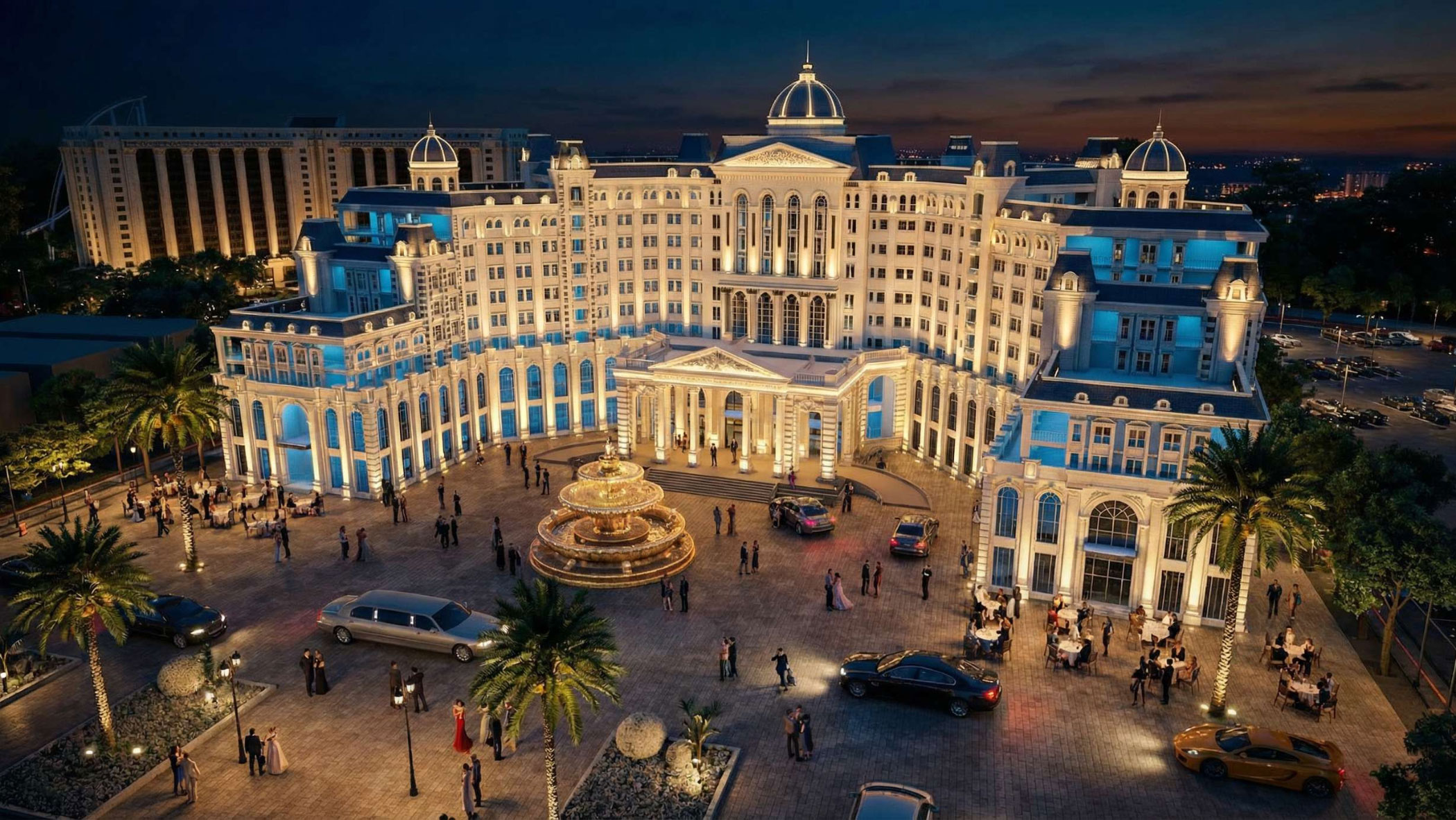
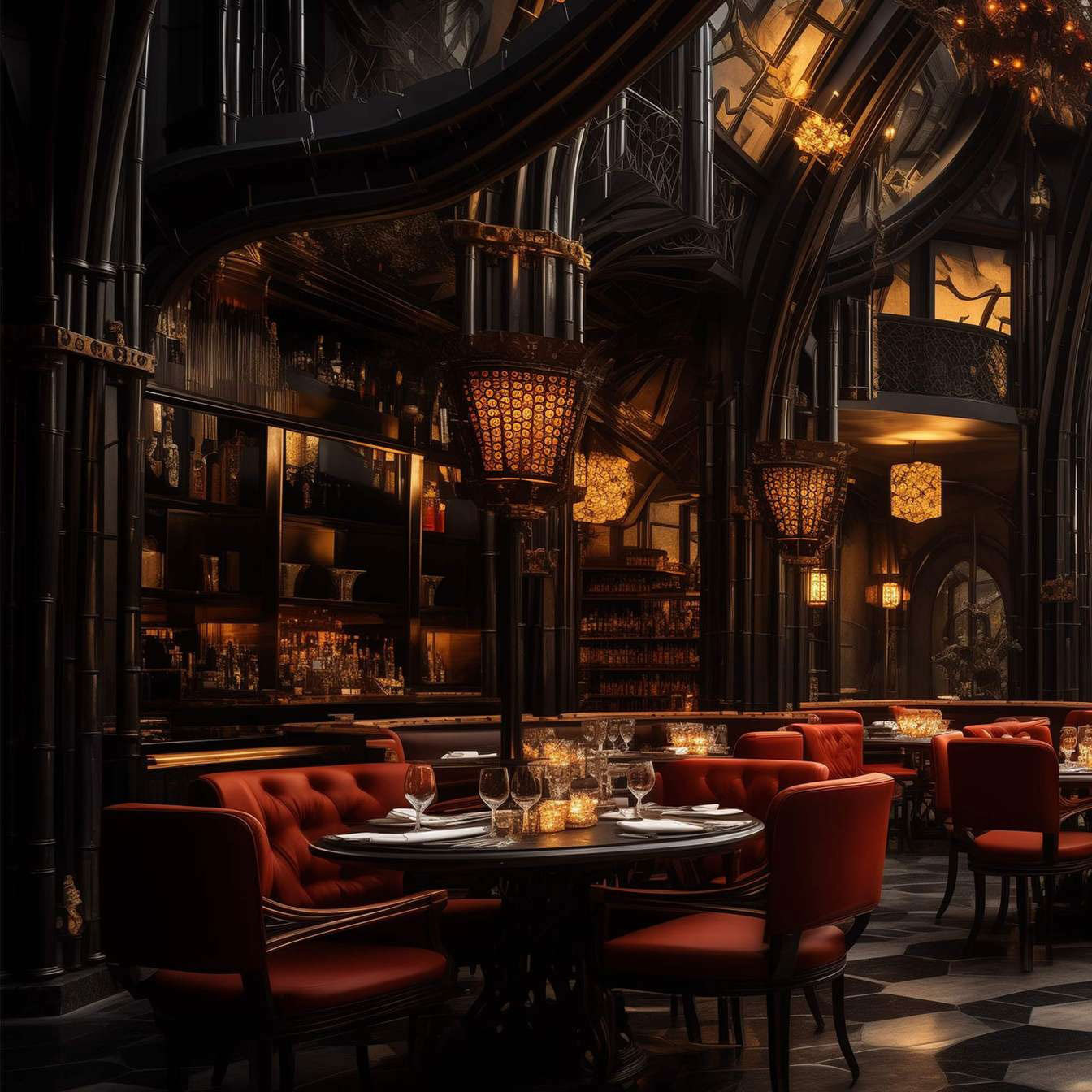
One of the aspects that has generated the greatest media attention is the extensive use of AI for the conceptual design of Dracula Land. Although the dozens of AI-generated videos displayed on the official website are visually striking, they reflect a somewhat fantastical aesthetic. It has, however, been confirmed that studios such as Creative Studio Berlin have worked on the initial concept phases, whose designs reportedly present a more conventional and reliable finish. The question remains whether that work has progressed beyond the conceptual stage into preliminary design, basic engineering and detailed construction drawings.
Regardless of whether Dracula Land opens its doors in 2027 or its construction is delayed, the project is already symptomatic of something larger. It signals a clear appetite for developing large-scale leisure destinations in Central and Eastern Europe — a region with lower operating costs than its western neighbours and a growing tourist flow. For now, all that remains is to observe, take note and wait for the Count to reveal whether he is flesh and blood — or merely a nice reflection in the mirror.
Sources: Gizmondo, TVP World, Experience UK, IAAPA, Dracula Land.
Images: Dracula Land.