
The hotel Houshi Ryokan opened its doors in 718 — yes, that is not a typing error — in the town of Komatsu, on the western side of Honshu Island, Japan. Since then, it has been run by the same family for 46 generations.
As is often the case in Japan, the history of Houshi Ryokan blends reality and legend — incidentally, ryokan is the Japanese term for traditional inns, while houshi means “monk”. According to legend, the Buddhist monk Taichō Daishi ascended Mount Hakusan, one of Japan’s three sacred mountains, where, in a dream, he was visited by the mountain god. The deity revealed to him the existence of a hot spring in the village of Awazu, at the foot of Hakusan, with extraordinary healing properties. That same year, in 718, Taichō Daishi instructed his disciple Garyō Houshi to build a bathhouse there to relieve the sick.
Thus began what would become Houshi Ryokan. The hot spring, known as Awazu Onsen, is the oldest in the region, and its flow has never ceased in over thirteen centuries. The establishment began as a modest sanatorium-inn, but its first owner, Zengoro — a name that would be repeated in every generation — decided to transform it into a thermal inn dedicated to the care of both body and spirit of travellers.
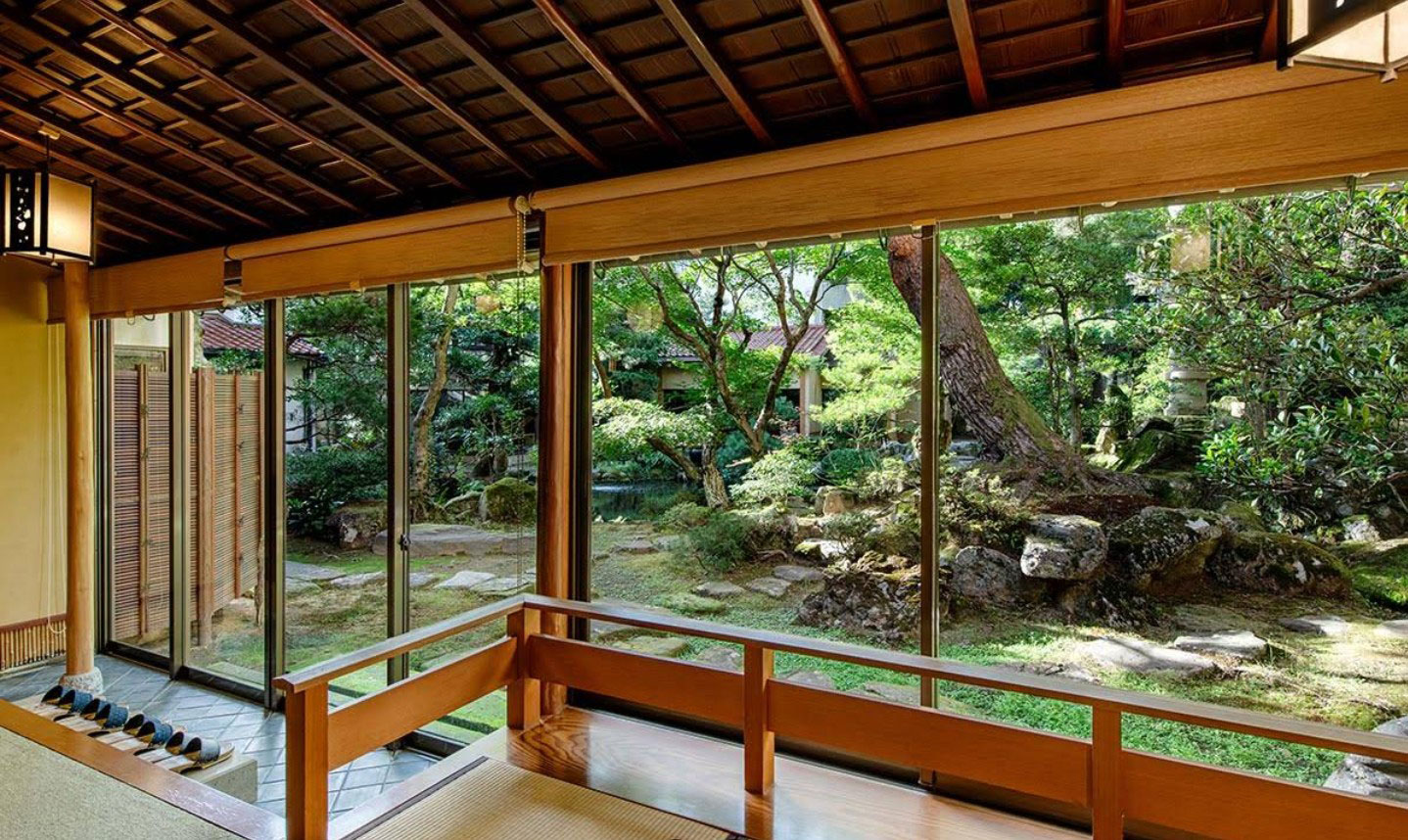
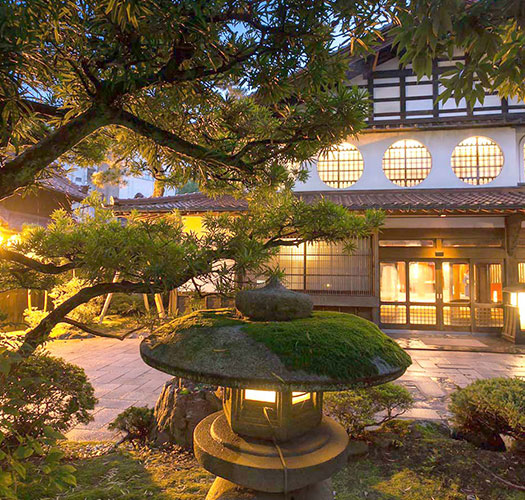
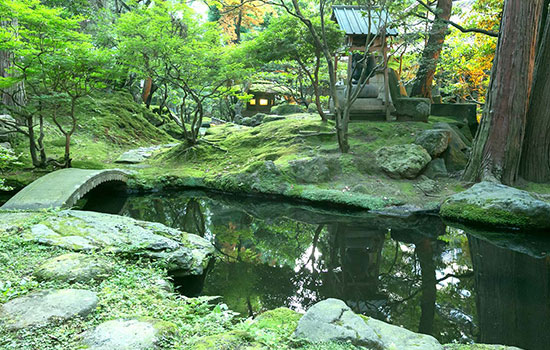
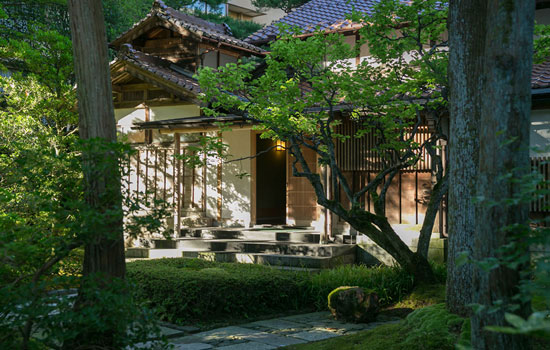
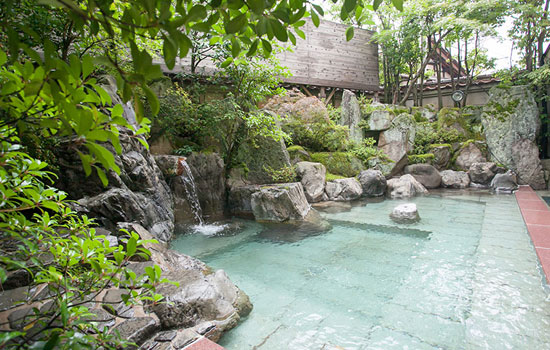
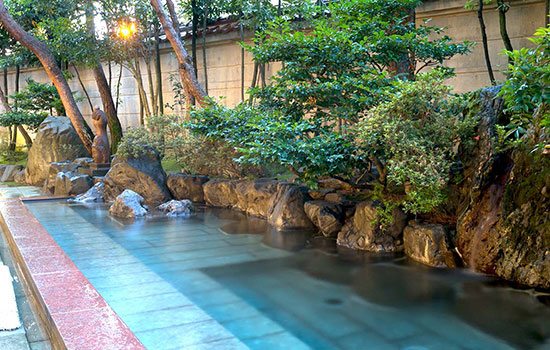
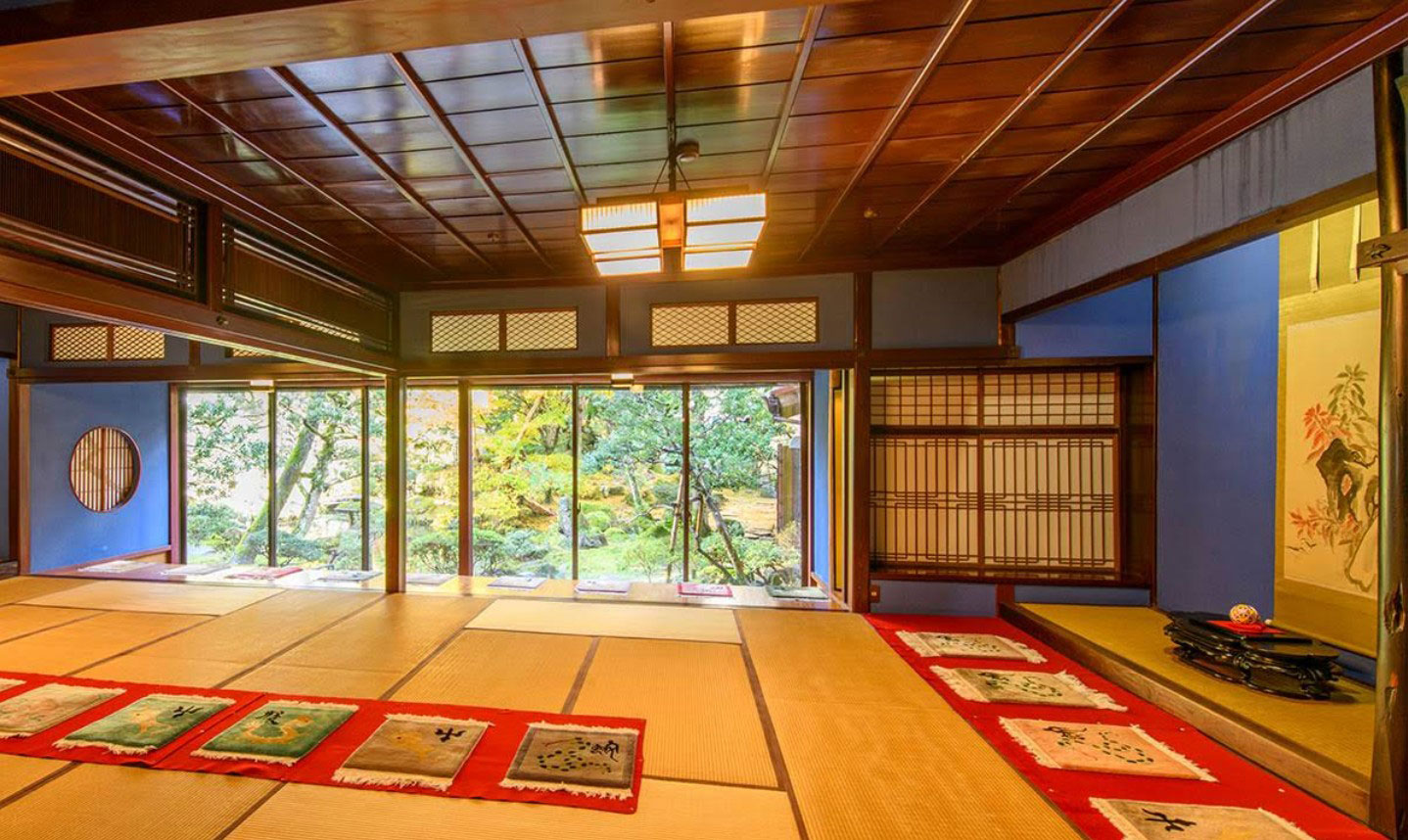
Houshi Ryokan is arranged around a Japanese garden of moss, red pines and centuries-old cedars — a space that Toemon Sano, a sixteenth-generation master gardener, has harmonised with the ancient forest surrounding the hotel. Four wings, connected around this garden, are named after the four seasons: Spring, Summer, Autumn and Winter. Each offers a different perspective of the garden; guests can observe the cherry blossoms, the lush greenery of summer, the autumn colours or the winter whiteness from the hot springs.
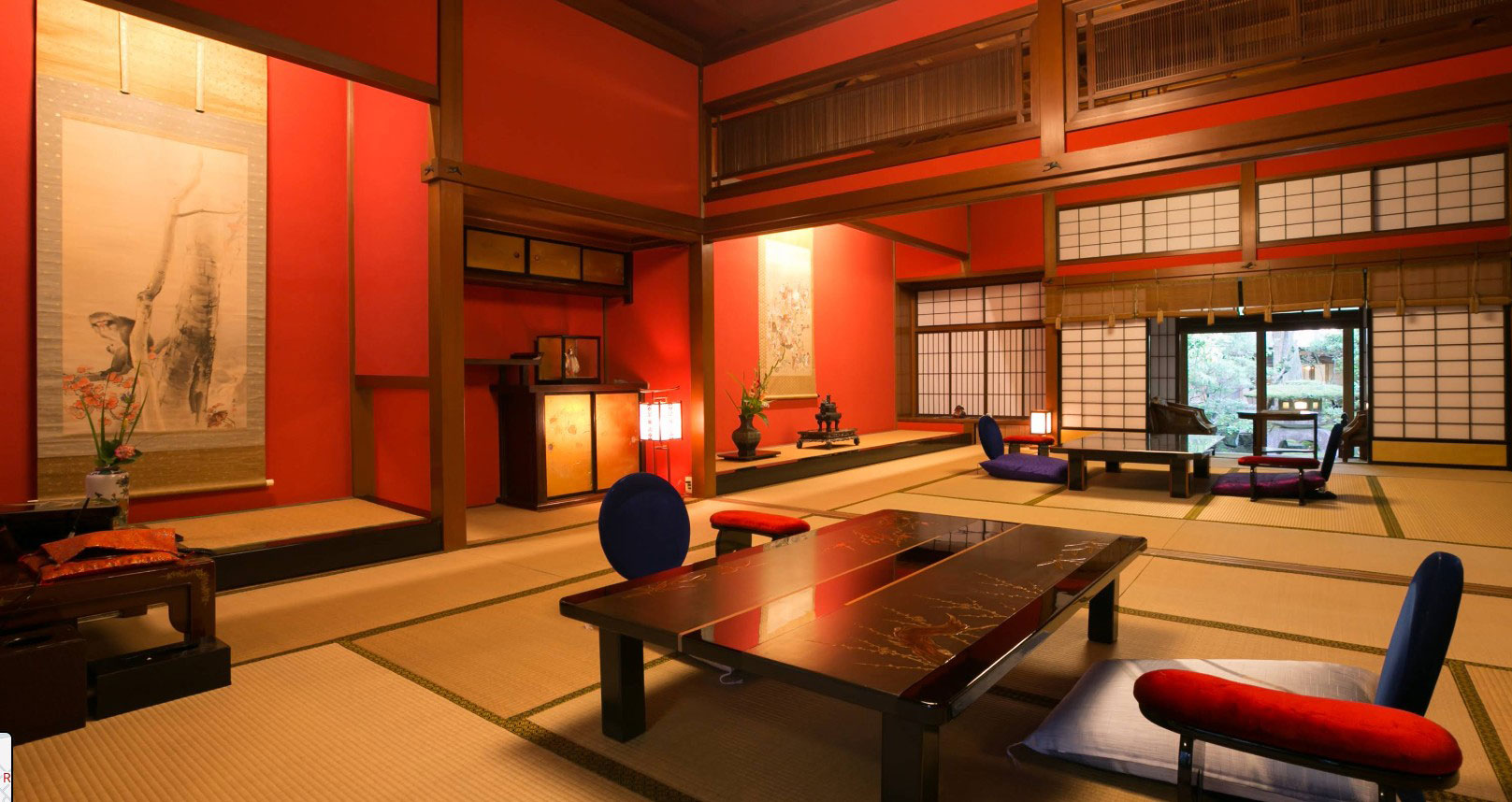
At the heart of the complex lies the Enmeikaku, a palace-style pavilion built from cypress wood by master carpenters during the Meiji era (1869–1912), using joinery techniques without a single nail. Its sliding doors, lacquered in black and inlaid with gold leaf, and its agate handles exemplify the refinement and craftsmanship of Japanese artisans.
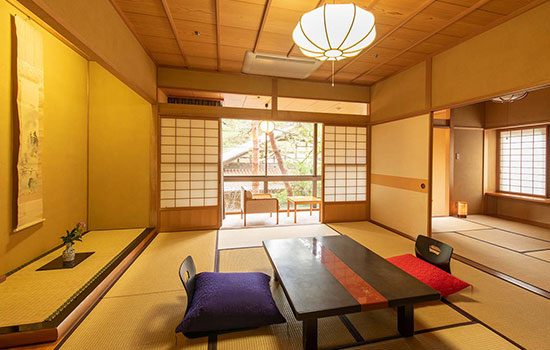
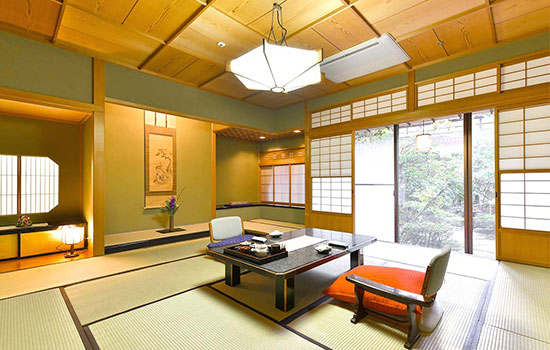
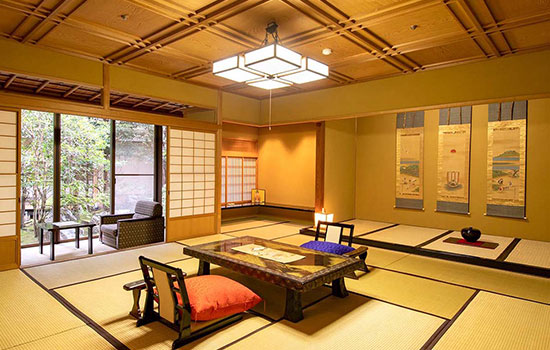
The rooms, with tatami flooring and futon bedding, maintain a sober yet refined aesthetic. Some offer direct views of the garden and private access to the hot spring baths; others, such as those in the Spring wing, are particularly sought after for their direct connection to the outdoors. In total, the ryokan has around one hundred rooms, with capacity for up to 450 guests.
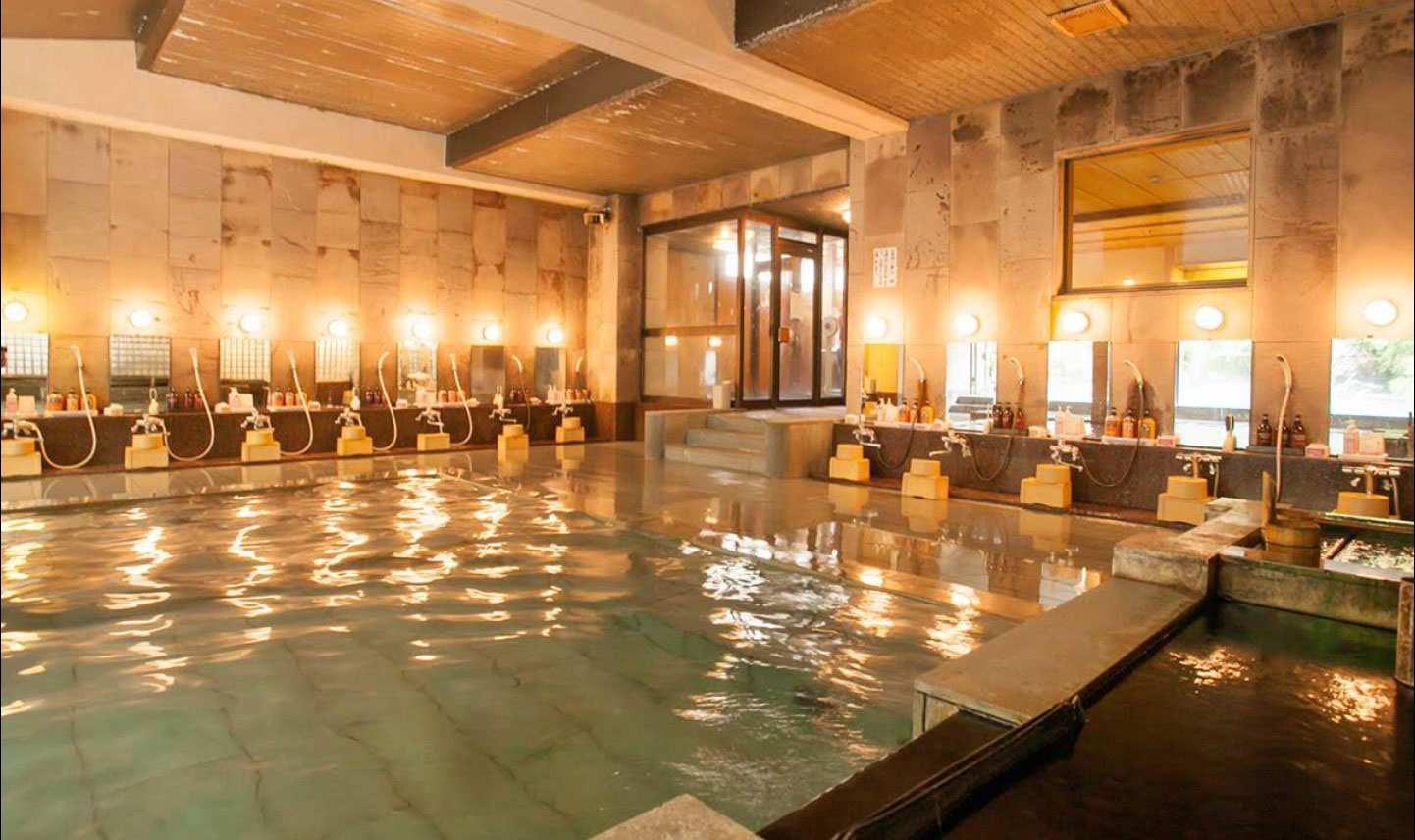
Beyond its traditional architecture, the true highlight of Houshi Ryokan is the hot spring water of Awazu Onsen. These waters emerge at a constant temperature, and their properties have been praised for centuries. The main baths, named Houmei and Enmei, overlook the garden and allow visitors to observe how the colour of submerged stones changes due to the minerals dissolved in the water. For those seeking greater privacy, two private baths — Taichō no Yu and Garyō no Yu — can be reserved, their names honouring the legendary founders.
The current owner, Zengoro Houshi, represents the forty-sixth generation at the helm of the business. His name, in keeping with tradition, repeats that of the founder. In a documentary by German filmmaker Fritz Schumann, released by The Atlantic, Zengoro speaks with unusual candour about what it means to bear the responsibility of a 1,300-year legacy: “since I was born and first cried, everyone told me I would take over the Houshi Ryokan.” He adds: “our duty is to face the problems, not to run away from them. Accepting change is our responsibility.”
By this, Zengoro refers to the fact that the family had to break with the tradition that reserved succession for male heirs. Hisae, the only surviving descendant — following the death of a son and a grandson — will take over the leadership of Houshi Ryokan. Although she once hesitated to take on the burden of managing the hotel, having trained in healthcare in her youth, as the head of the family acknowledges, “she is working very hard now, and I appreciate it.”
Finally, it is worth noting that, for many years, Houshi Ryokan was listed in the Guinness World Records as the oldest continuously operating hotel in the world. In 2011, however, another Japanese ryokan, Nishiyama Onsen Keiunkan — founded in 705 — claimed and obtained that title. Nevertheless, with its 1,308 years of history (at the time of writing), Houshi Ryokan remains the oldest family business in the world — a distinction that its owners, in keeping with their characteristic discretion, have never sought to exploit commercially.
Houshi Ryokan has survived civil wars, the Meiji Restoration, the bombings of the Second World War, and has witnessed geishas entertaining guests give way to families with children; week-long stays for healing have become weekend visits. In any case, the building — which has hosted members of the Japanese imperial family as well as figures from industry and culture, both national and international — was designated a Tangible Cultural Property of Japan in 2016.
Sources: Houshi Ryokan, The Atlantic, HEC Montréal / Chaire Entrepreneuriat Famille, Guinness World Records.
Images: Houshi Ryokan.