
Architecture, design and construction have undergone quiet but far-reaching changes in recent years: we are referring to the shift from BIM (Building Information Modelling) methodology to BOS (Building Operating Systems). We can illustrate this with a biological metaphor: if BIM represents the anatomy of a building, BOS is its nervous system.
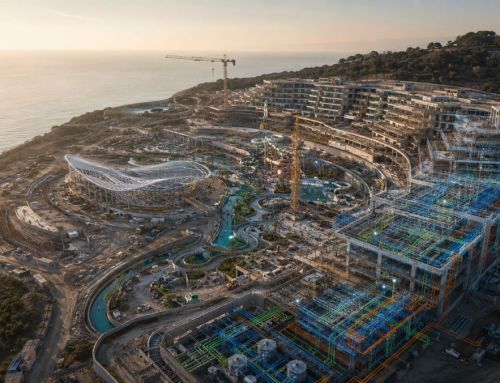
BIM methodology has revolutionised the way architectural and construction projects are designed over the last decade. Thanks to it, we have swapped two-dimensional plans for data-rich digital models. Every wall, every installation and every connection is recorded with millimetre precision. Architects, engineers and developers anticipate every detail, optimise resources and resolve geometric conflicts before the machinery arrives on site, thereby saving time and reducing costs in the process.
However, a project does not come to an end on the day of its opening; in fact, it is then – when it begins to operate – that its life cycle truly begins. The vast amount of information generated during the design and construction phases – that wealth of geometric and technical data – remains archived and goes unused. Unless we make it available to the BOS system.
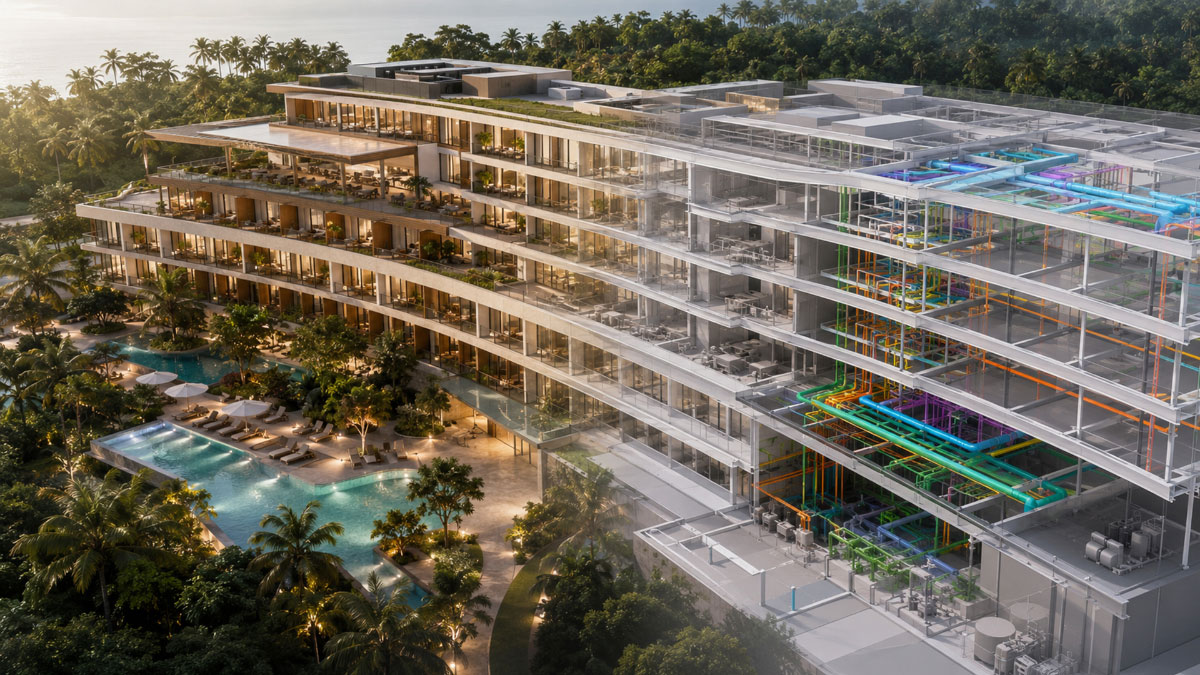
Indeed, BOS consists of a centralised platform that links the static data from the BIM model with the dynamic and ever-changing reality of the building in operation. It integrates the original design information with automated management systems, the Internet of Things, environmental sensors and maintenance software.
Air-conditioning, lighting and security systems are no longer isolated elements; they now communicate with one another. They adapt, autonomously and almost instantaneously, to visitor flow or outdoor weather conditions. Maintenance, meanwhile, has become predictive: rather than reacting to a breakdown, the system analyses the equipment’s operational data — based on the BIM model specifications — and anticipates when a particular component will require attention. This prevents service interruptions and extends the useful life of the installations. Finally, the synchronisation of all these flows serves to radically optimise energy consumption and, consequently, contributes equally to sustainability.
By Raúl Soriano, senior modeller in the Architecture Department at Amusement Logic