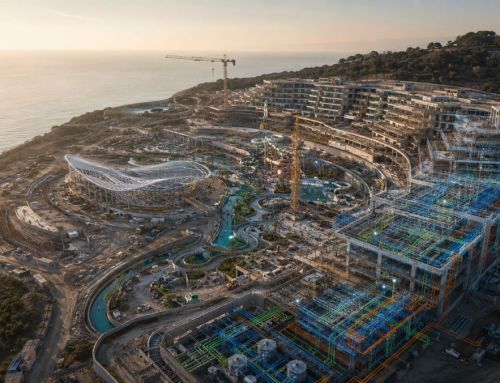

Robotics —and with it artificial intelligence— is making strong inroads into the construction sector. There are already robots capable of building walls and even of taking part in the execution, supervision and management of construction works. As you can see, these technologies are opening up a new scenario in which humans and machines collaborate to build in a more efficient, precise and safe way.
One aspect of this technological transformation is represented by bricklaying robots. Although we are still a long way from seeing fully automated construction sites, there are already robotic systems capable of carrying out tasks traditionally performed by workers, especially repetitive and high-precision tasks such as laying bricks or blocks.
Today, several technology companies are developing specialised robots for bricklaying. These combine robotic arms, computer vision systems, sensors and planning software. As a result, construction robots are able to interpret digital models, locate materials and place components according to defined patterns, while maintaining constant precision over large volumes of work.
One of the best-known examples is that of bricklaying robots, designed to work alongside human teams. These machines can achieve laying rates far higher than those of an individual worker. They handle the most repetitive part of the process while workers supervise the operation, prepare materials or carry out tasks that require greater adaptability and experience.
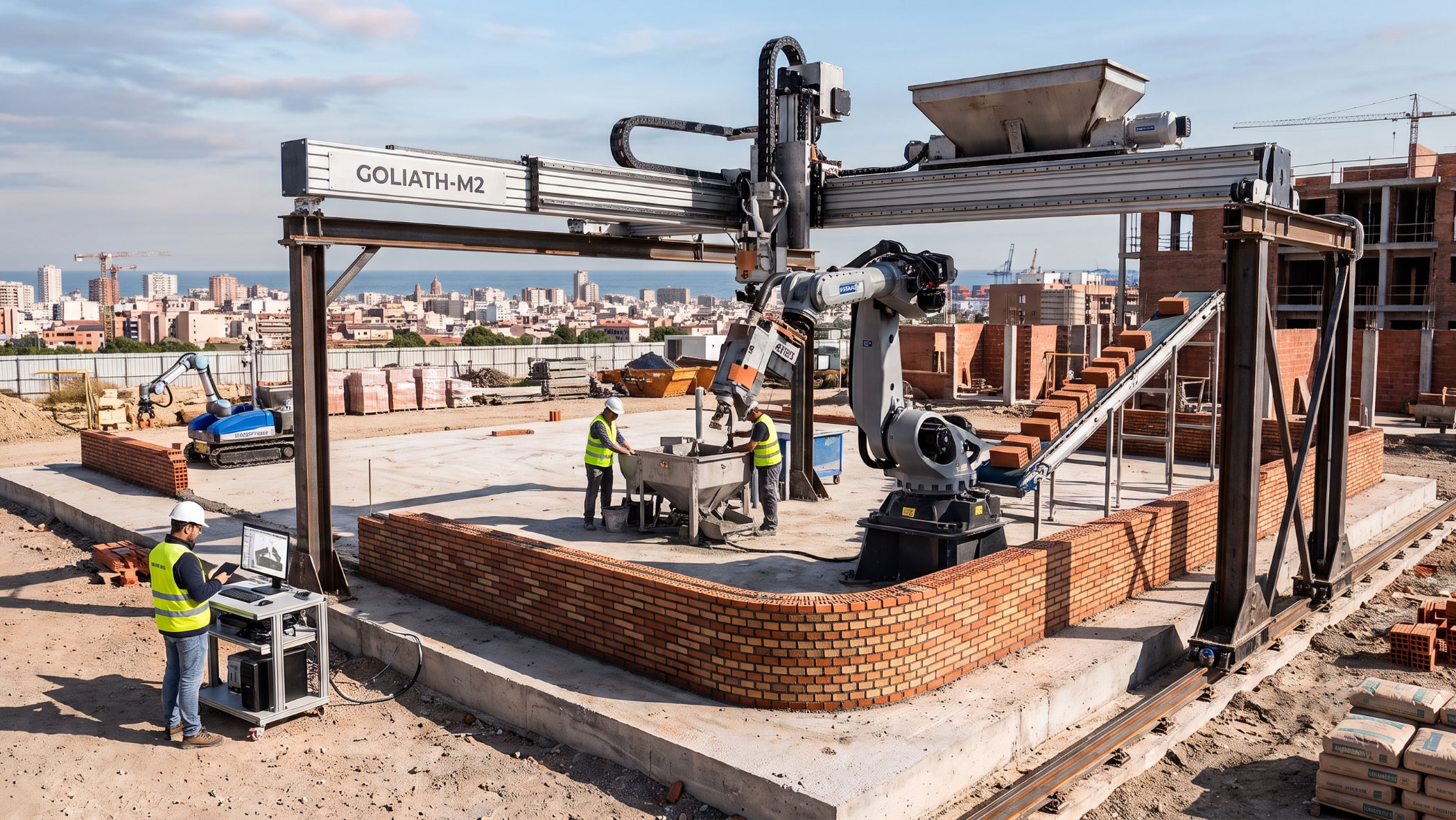
There are also mobile robots capable of moving around the construction site on autonomous platforms. These systems make it possible to move the robotic arm to different areas of the project in order to adapt to the actual conditions on site. In this way, they approach the concept of a flexible construction machine, capable of working at different points according to the needs of the project.
For many architecture and engineering firms, the interest of these technologies does not lie solely in the speed of execution they bring to construction. Rather, it lies in the relationship they make it possible to establish between digital design and physical construction. The integration of construction robots with BIM methodology (Building Information Modelling) makes it possible to imagine a future in which the information generated by the design is communicated directly to systems capable of materialising it, at least partially, on site.
By Pablo Vidal, Senior Architect in the Architecture Department of Amusement Logic