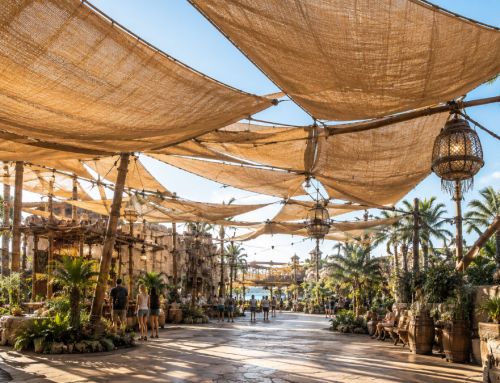

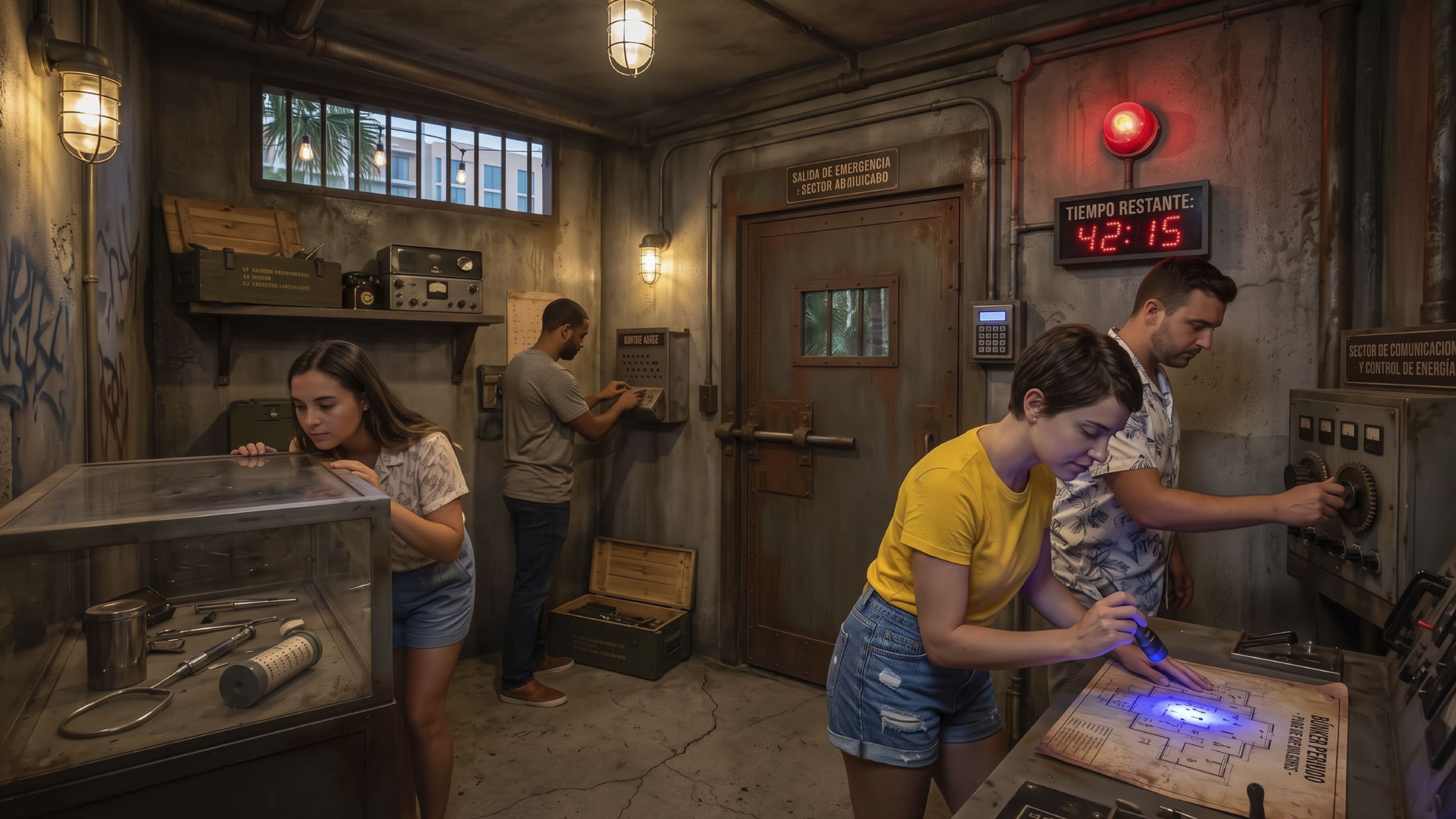
An escape room is a good example of how leisure experiences do not necessarily require a large space for their creation. All that is needed is the design and construction of a clear set and the precise integration of the lighting, sound and interactive mechanisms required by the narrative, all within a few square metres.
This format is particularly well-suited to hotels, resorts, campsites, shopping centres and other leisure and tourism complexes. After all, it is a unique activity that requires neither major building works nor the intensive deployment of resources. And, as we’ve said, it takes up very little space.
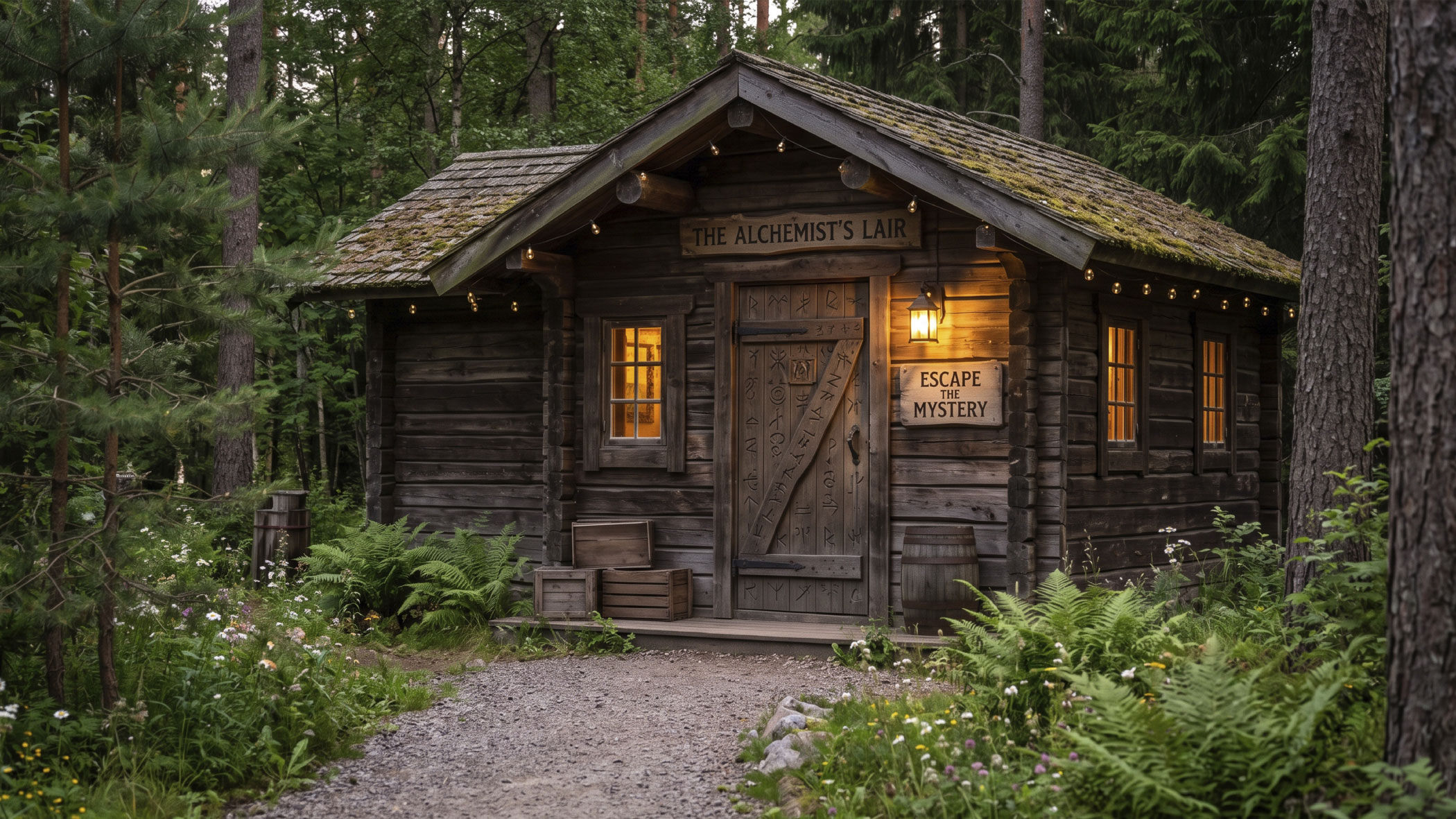
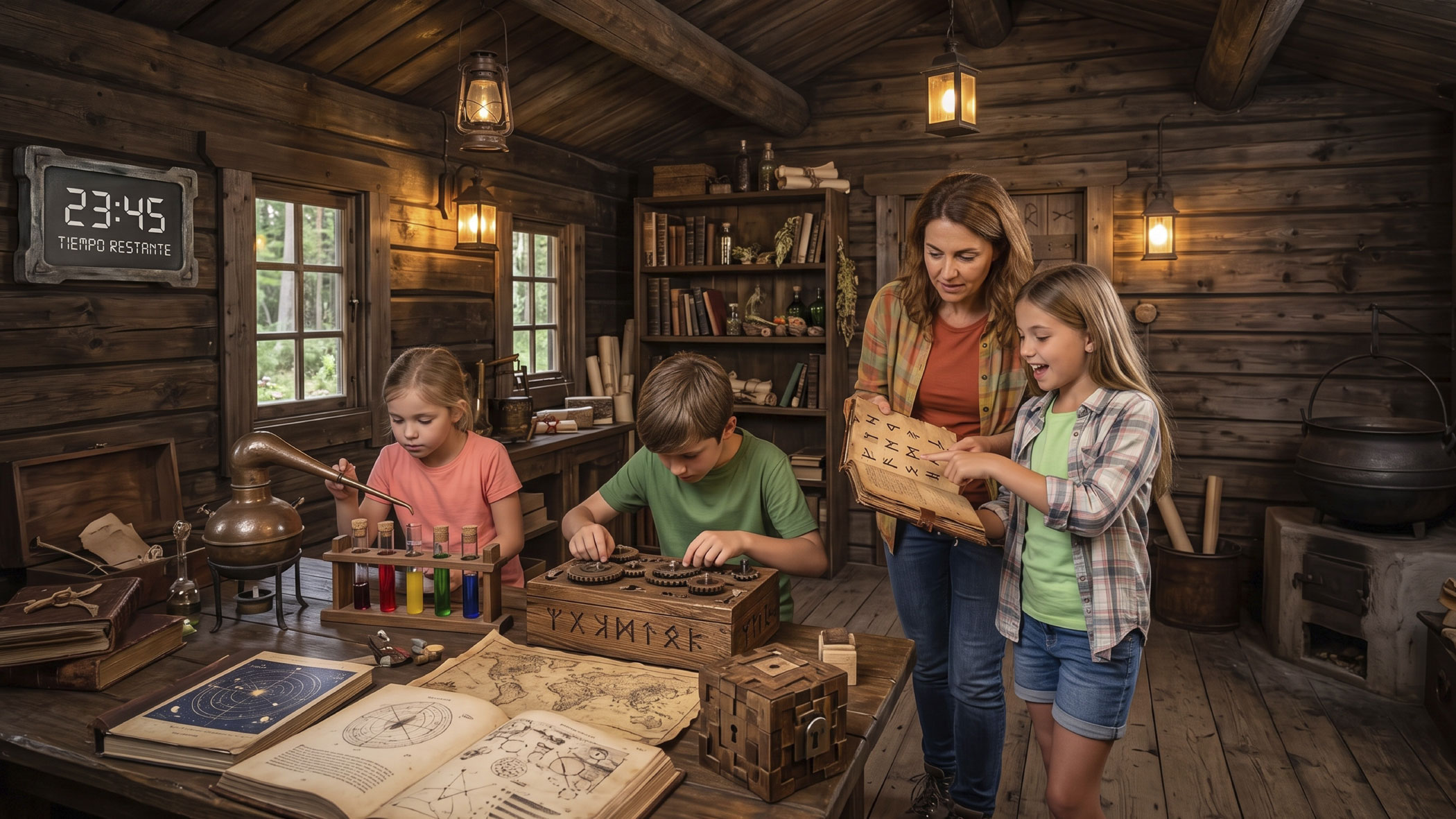
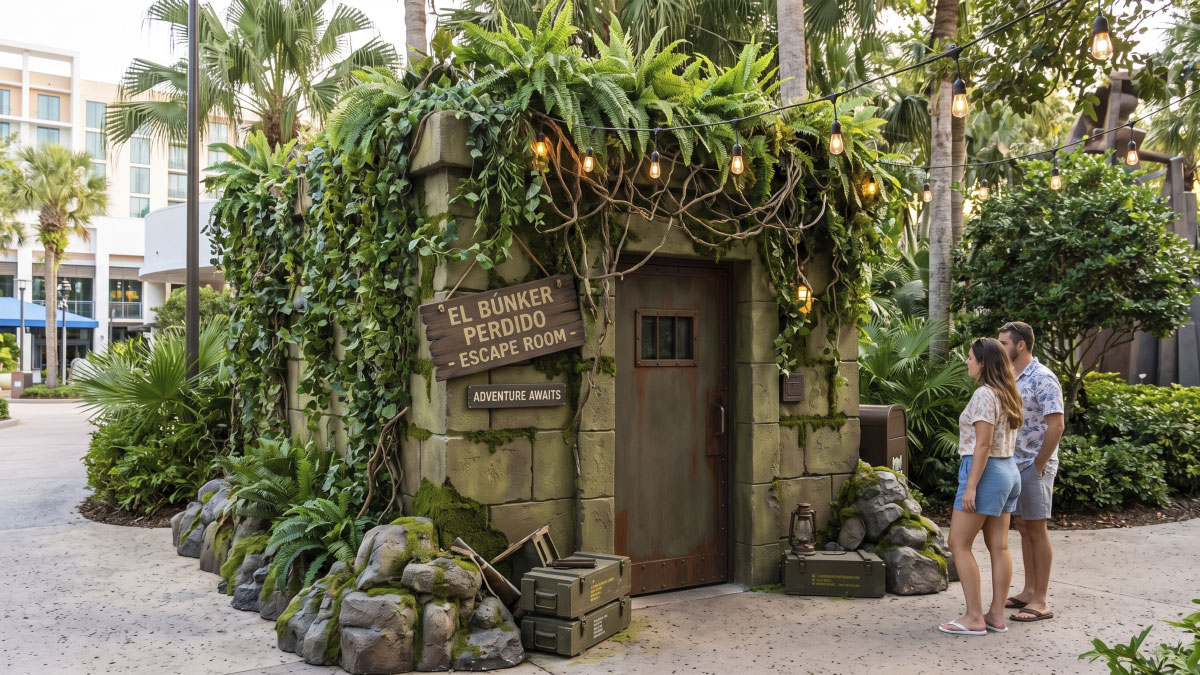
An archaeological cave, a hidden chamber or an explorers’ hideout are themed using artificial rocks, reliefs, symbols, secret compartments and mechanisms integrated into the theming itself. Each element plays a part in the story and helps ensure that progress in the game depends on the user’s interaction.
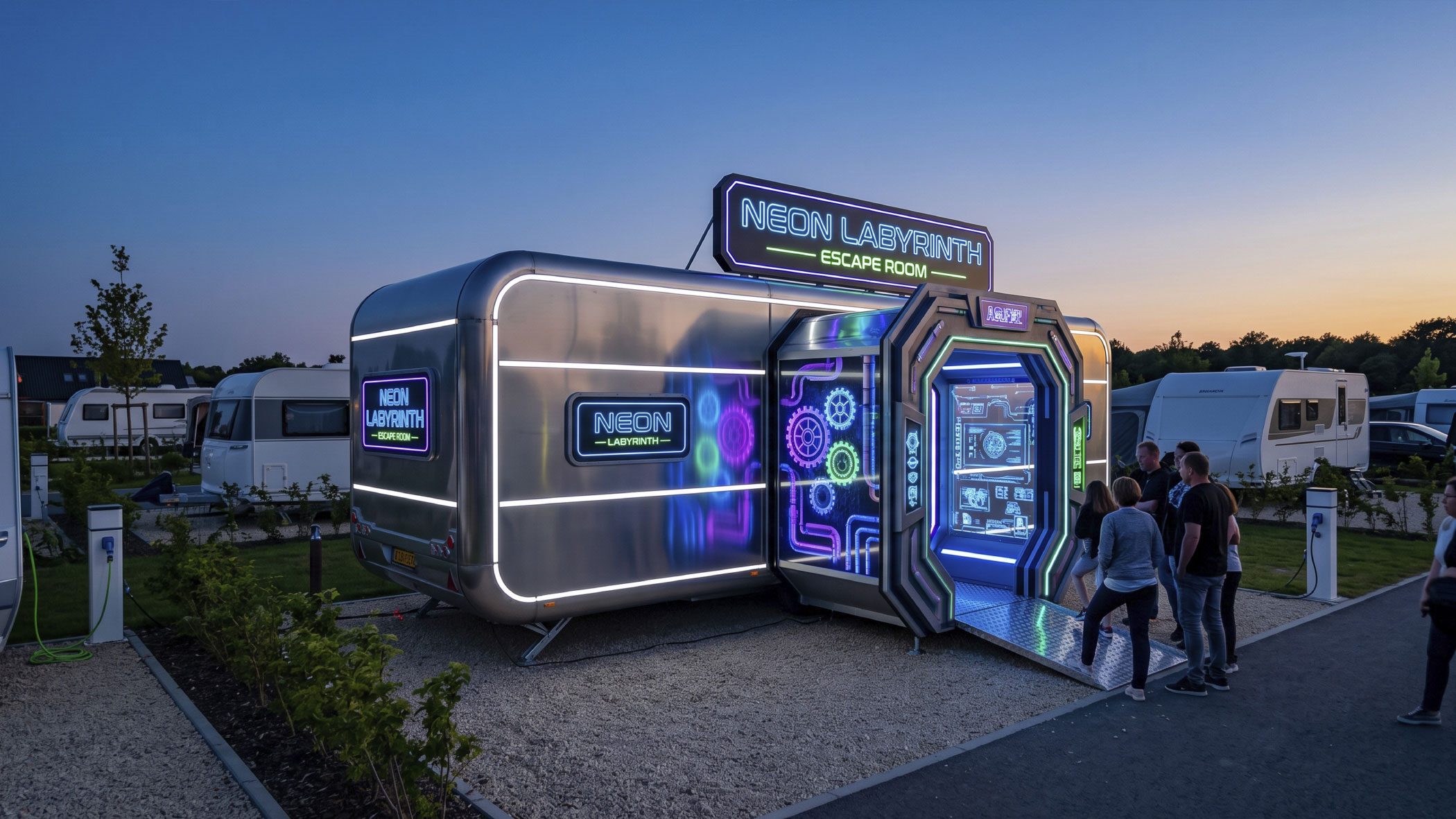

The key is not so much to fill the space with elements, but to ensure that every square metre serves a specific narrative and recreational purpose. In this way, a small area becomes a complete experience, adaptable to different audiences. It renews the experience and the challenges and encourages visitors and tourists to come to hotels, resorts, campsites, shopping centres and other leisure venues.
By Gabriela Gallego, designer in the Design Department at Amusement Logic