
In the 1970s, the city of Curitiba — the capital of the Brazilian state of Paraná — was growing at a dizzying pace. Like many Latin American cities at the time, it faced the dilemma of choosing between two types of transport: an expensive underground metro system that would take decades to build and leave the city in debt, or succumbing to the absolute dominance of the car and filling the city centre with urban motorways.
The architect and urban planner Jaime Lerner, elected mayor in 1971 at the age of just 33, chose a revolutionary third way: to apply the efficiency of metro lines to the operation of surface buses. The result was the BRT (Bus Rapid Transit) system. In practice, Lerner and his team of engineers created a system enabling buses to travel with the fluidity and speed of an urban train. This system was based on four pillars.
Let’s take a look at what they are:
-Use of dedicated lanes: by setting aside sections of road for buses, it was ensured that they did not compete with car traffic. Specifically, two dedicated lanes were established for the BRT in both directions, flanked by others intended for low-speed local traffic.
-‘Tube’ stations and level boarding: distinctive, elevated cylindrical glass stations allow passengers to pay before entering the platform. When the bus arrives, it extends a ramp, enabling passengers to board at the same level, without steps.
–High-capacity articulated buses: the system uses high-capacity vehicles, capable of carrying more than 250 passengers per journey.
–Frequency similar to that of the underground: buses run at intervals of between 60 and 90 seconds during peak hours.
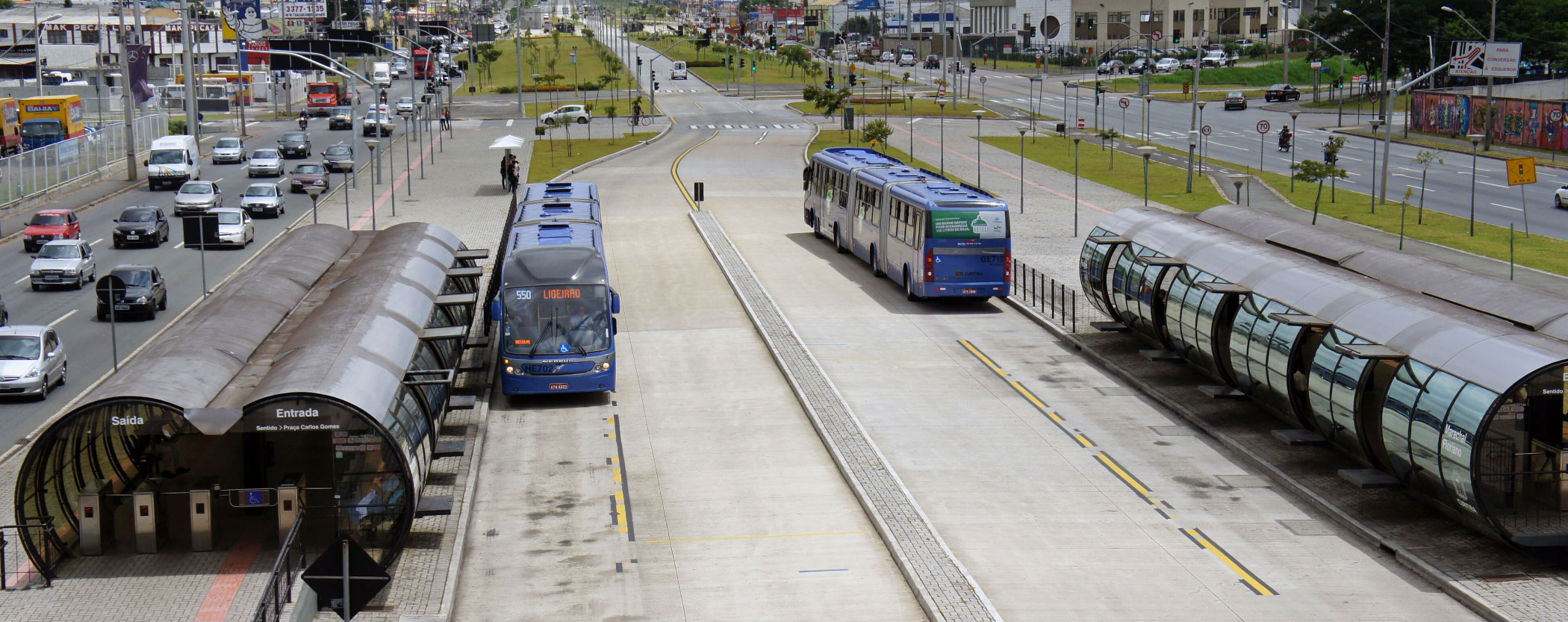
At a cost of one hundredth of what an underground metro would have cost, a bus system was rolled out in just a couple of years. The BRT had an immediate impact, and its launch was not an isolated transport measure but the backbone of a broader model. In any case, it served urban growth efficiently, which Curitiba implemented in accordance with a three-pronged urban planning strategy:
-Central corridor: the system of segregated lanes.
–Parallel routes: one-way avenues for fast-moving vehicular traffic entering and leaving the city, situated one block away from the dedicated bus lanes.
–Zoning laws adapted to this network: higher building density (tall office and residential towers) was only permitted along the BRT routes. The further away from the transport line, the lower the permitted density.
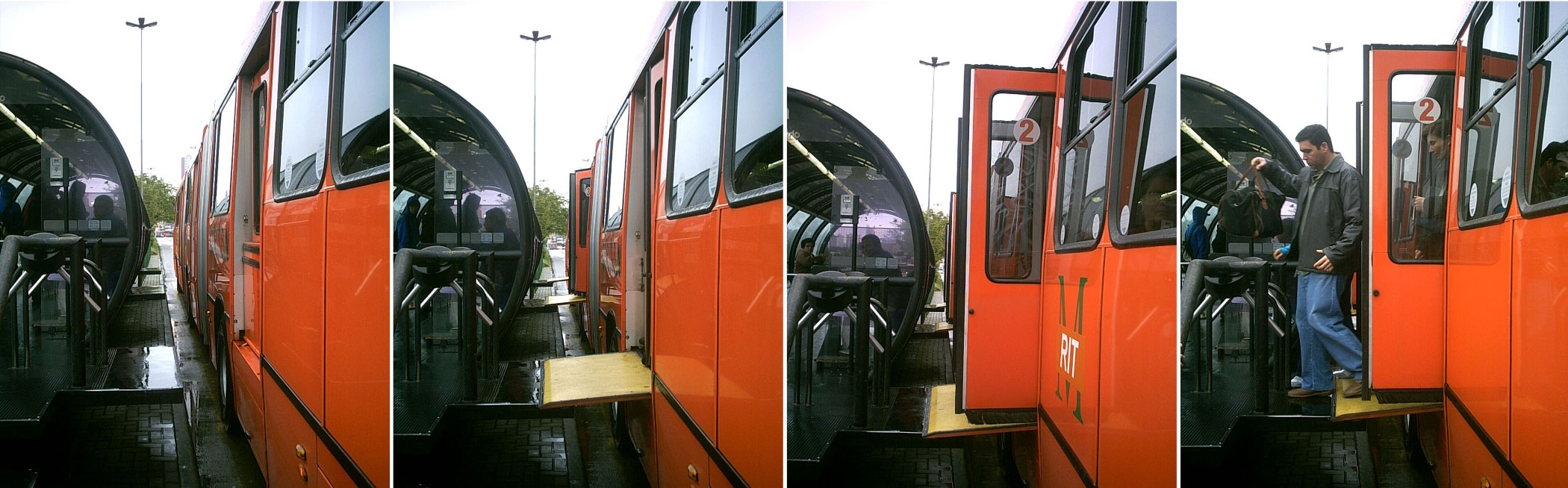
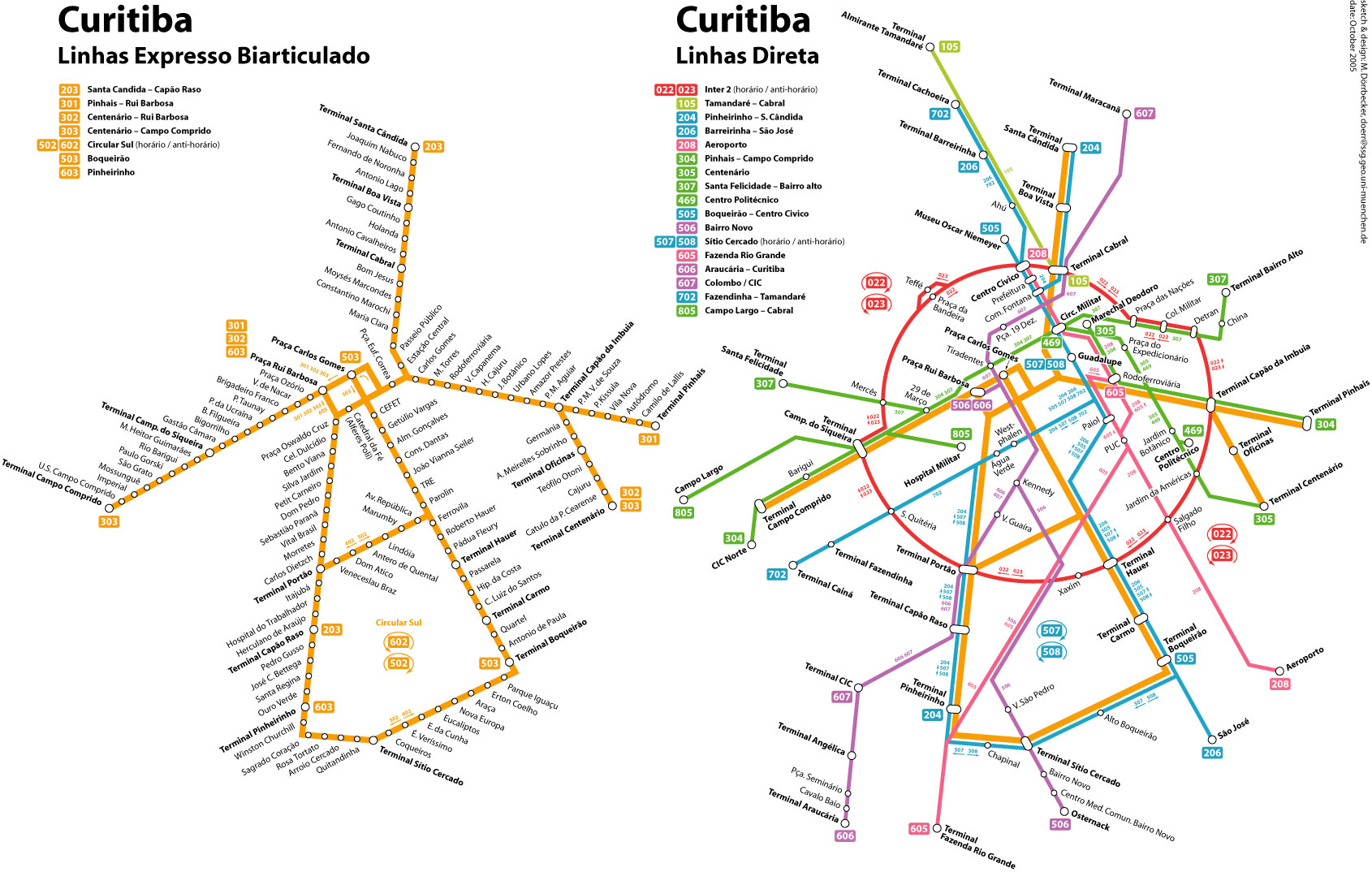
Maximilian Dörrbecker - CC BY-SA 3.0
Lerner’s BRT model, implemented by the city of Curitiba, has inspired more than 300 cities worldwide, from the TransMilenio in Bogotá and the Metrobús in Mexico City to systems in Istanbul, Guangzhou, Brisbane and many other cities.
By David González Molina, BIM manager in the Architecture Department at Amusement Logic