
The news is circulating in both specialized and general media: Egypt has just launched an urban project that aims to become the new leisure and business centre of Greater Cairo. This urban development is being undertaken by the Talaat Moustafa Group (TMG), one of the country’s largest real estate developers, in partnership with the National Bank of Egypt, which has contributed a 24.5% stake.
This is not the first time that demographic pressure on Cairo, one of the world’s most densely populated metropolitan areas, has prompted authorities to plan its expansion beyond the Nile Valley. The New Administrative Capital, initiated a decade ago, was the first major effort toward this expansion of the nation’s capital. Now, we learn of this new, colossal urban project: The Spine, an urban development plan that aims to attract and house a high-net-worth group of investors, companies, and residents.
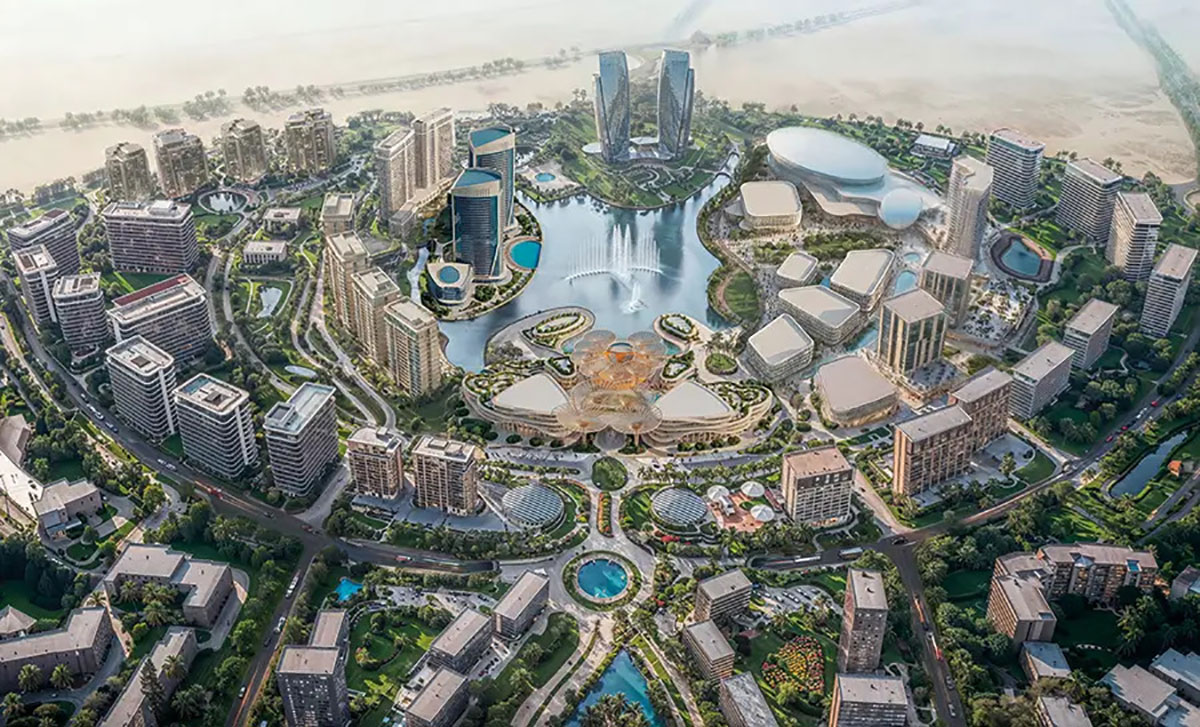
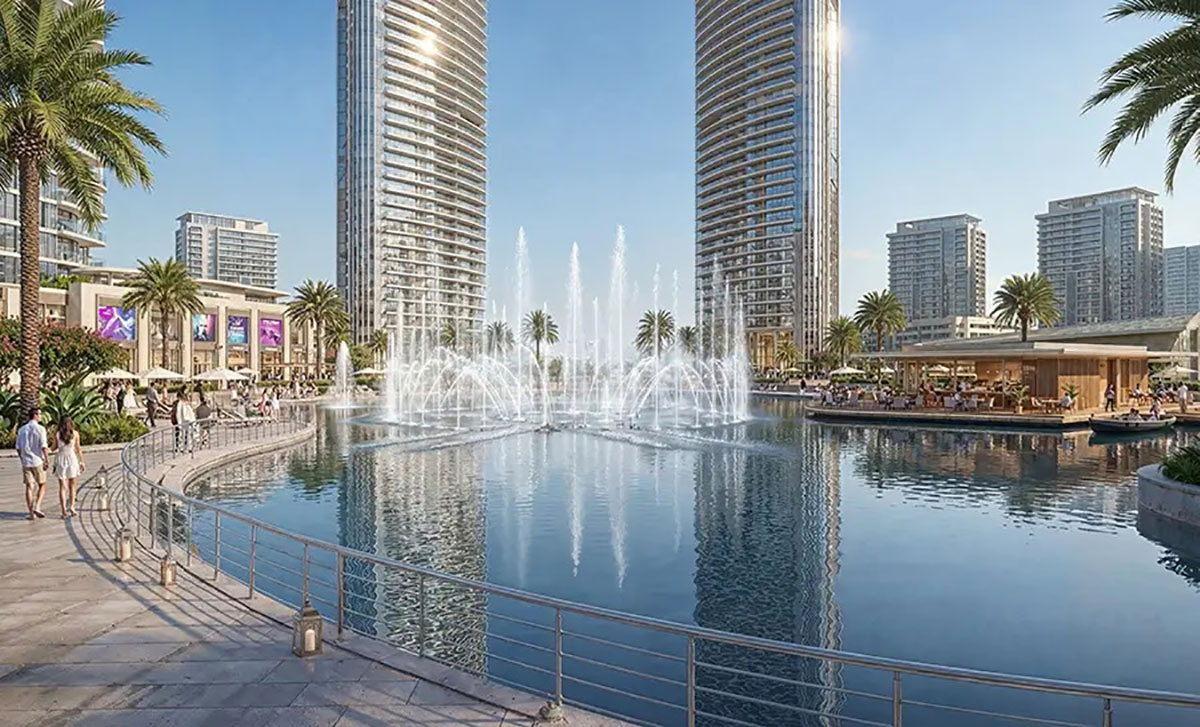
The Spine’s design envisions a 5-km-long linear corridor complex as the heart of Madinaty, the satellite city TMG has been developing for two decades on the eastern outskirts of Cairo. The site covers 2.4 million square metres, upon which 165 towers up to 130 metres tall will be built. The total built area will reach 3.8 million square metres.
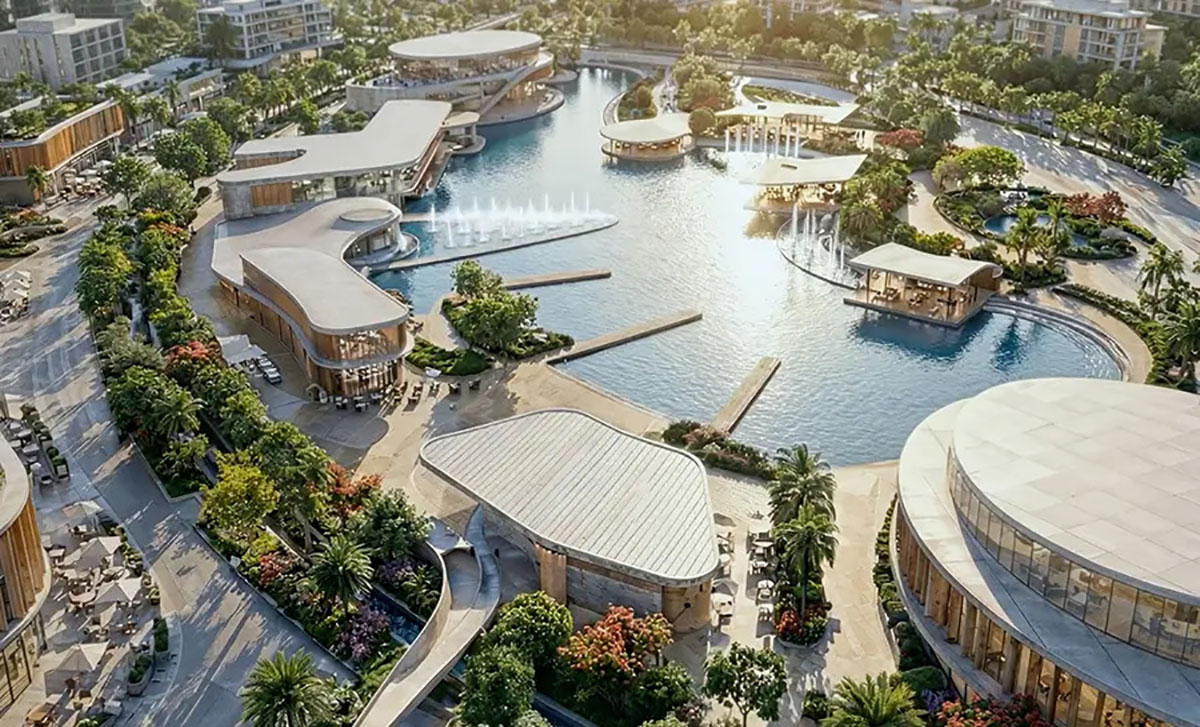
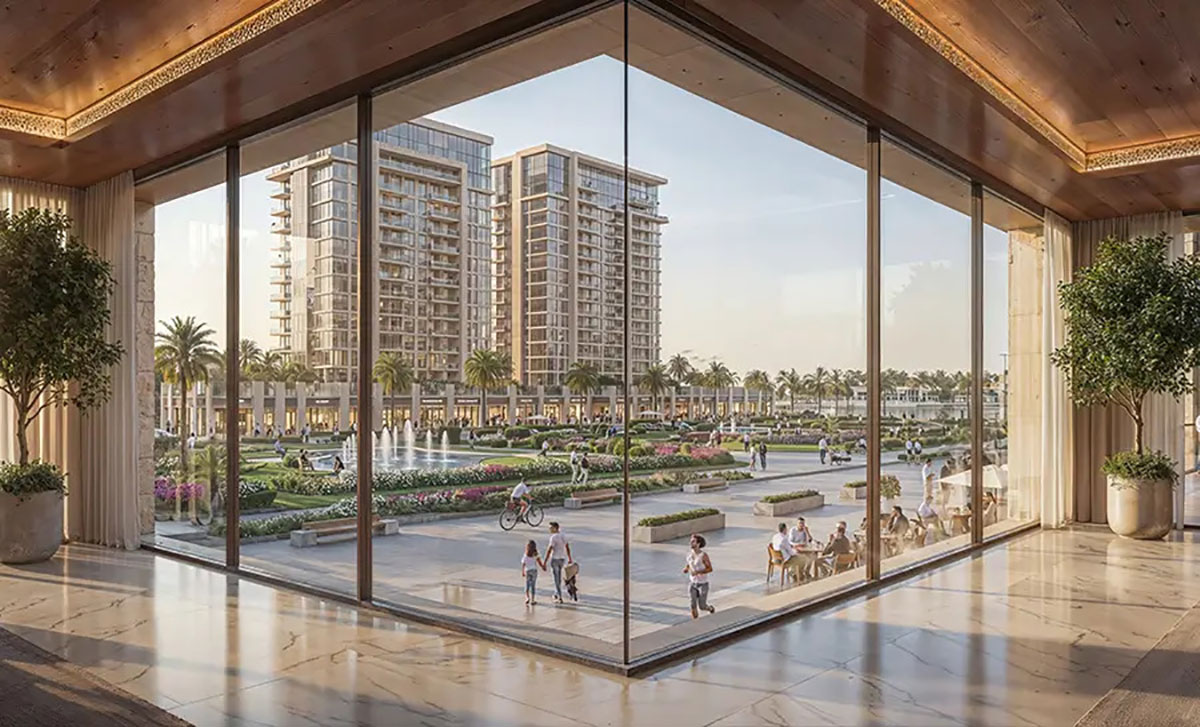
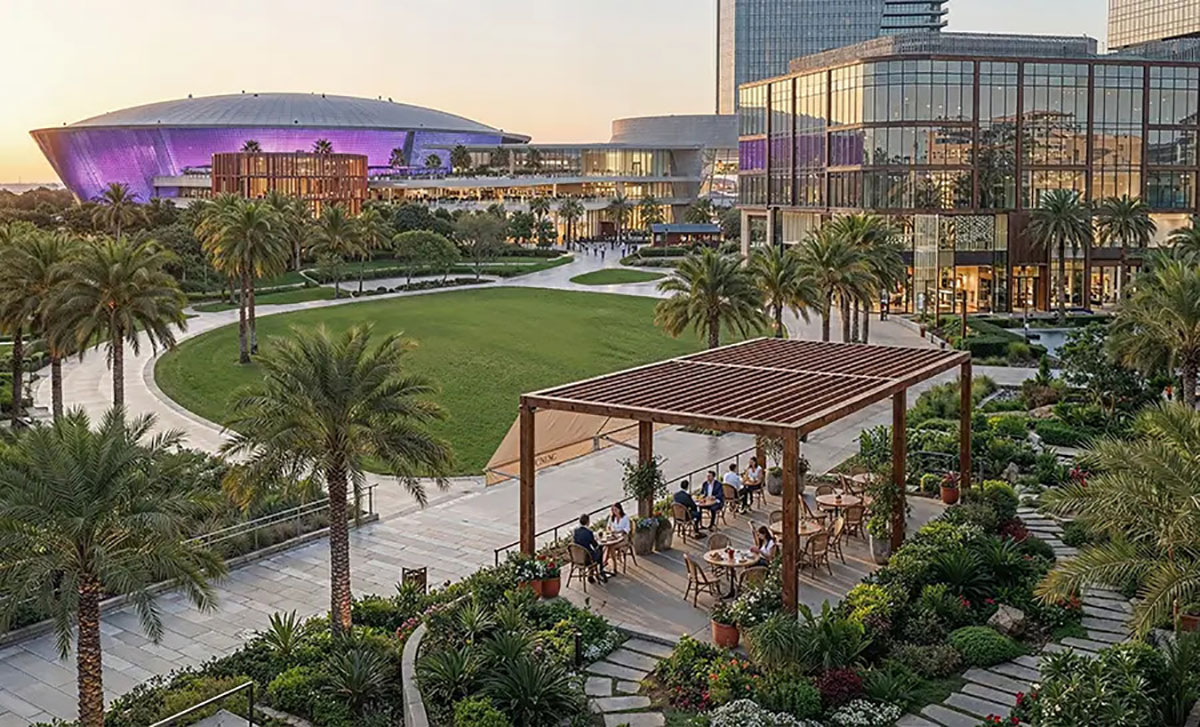
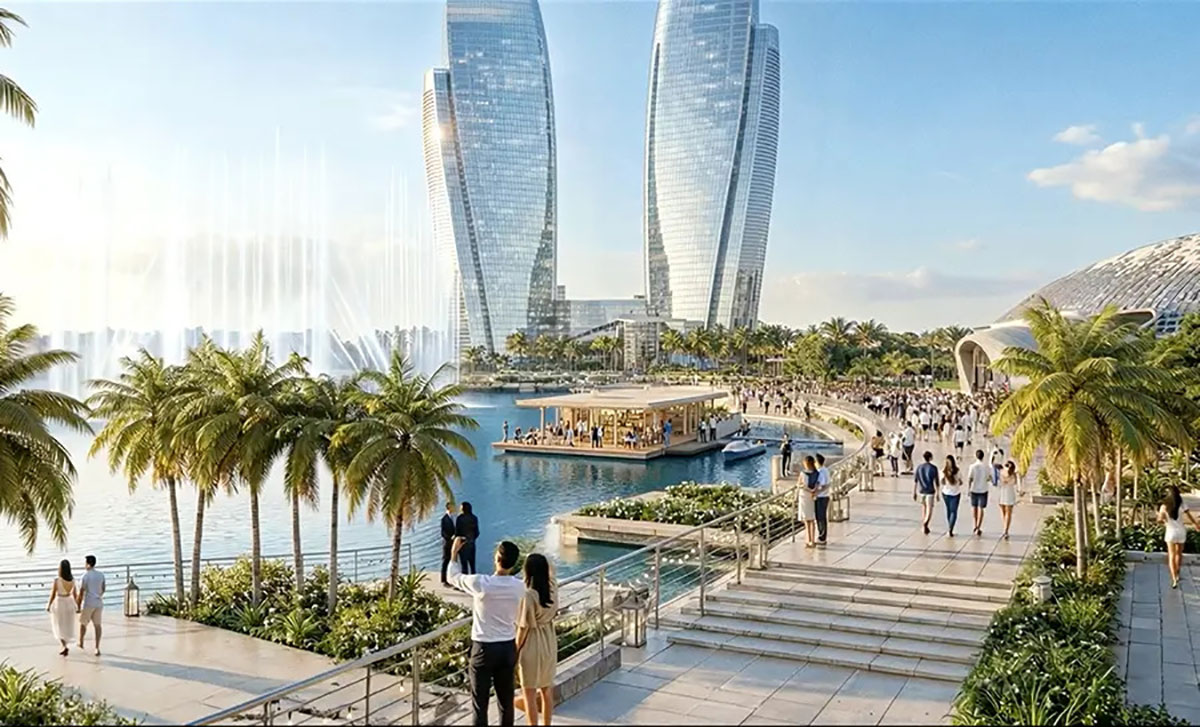
The proposal combines residential, commercial, hotel, and leisure uses with public spaces, in a mobility strategy that aims to eliminate private cars from the area. According to documentation provided by the developer, The Spine is presented as “Cairo’s first car-free community,” with a network of pedestrian streets, parks, and promenades featuring over one million square metres of green space and waterways. Road traffic and logistics services are concealed in an underground level, keeping the street level clear.
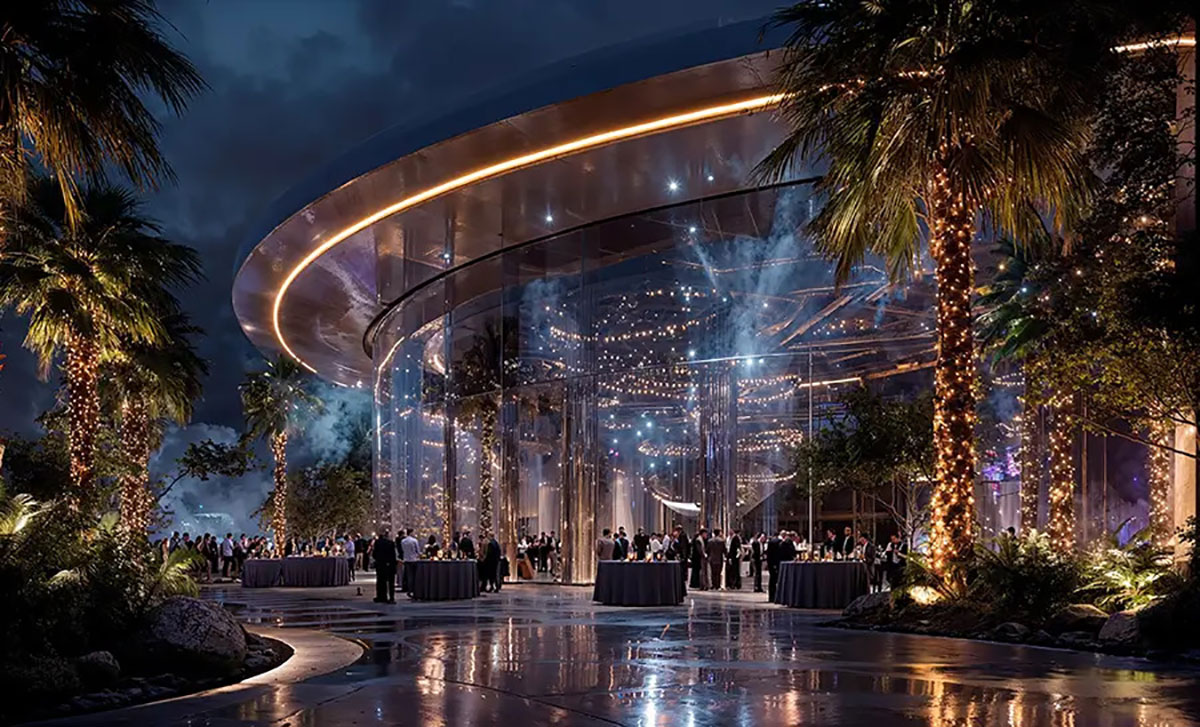
TMG has coined the term “cognitive city”—moving beyond the label of “smart city”—to provide a vivid description of the project’s technological platform. According to The Spine’s official website, it is “an intelligent destination where technology, design and human experience operate as one”, or, in other words, an integrated system that “senses, adapts, and optimises in real time to elevate how people live and work”.
In more technical terms, residents and tenants will interact, via a single app connected to a central control and coordination room, with services for energy, water, security, autonomous mobility and a tram network. The urban development will also feature 5G connectivity, fibre redundancy and satellite backup, as well as cybersecurity systems designed to attract international corporate tenants. Another key operational feature of The Spine is its designation as a Special Investment Zone. This Egyptian regulatory framework provides foreign investors with tax, customs and administrative incentives, as well as a more flexible labour framework and a dispute resolution system.
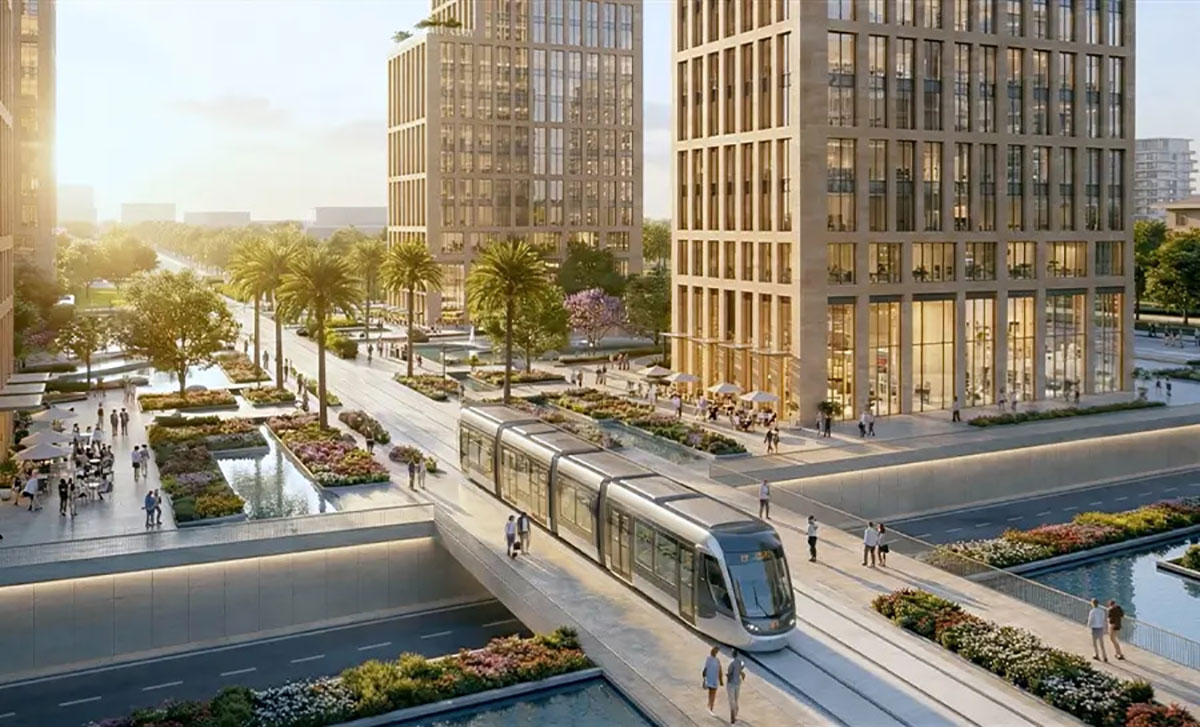
Offices (580,000 m²), hotels (3,500 rooms and suites), a luxury retail area and leisure attractions (565,000 m²), including restaurants, a theatre, a multi-purpose hall, a digital art gallery and facilities for adventure sports, are some of the components planned for the urban development. A unique feature will undoubtedly be Cairo’s first swimming lagoon, as well as its iconic dancing fountain.
On the environmental front, the development incorporates a centralised cooling system which, according to the developer, will reduce energy consumption by approximately 30% compared to conventional systems. Building management using artificial intelligence, the use of eco-friendly materials and, notably, the possibility of trading carbon credits, are other components of the sustainability strategy. TMG describes this latter mechanism as the first of its kind in Egypt.
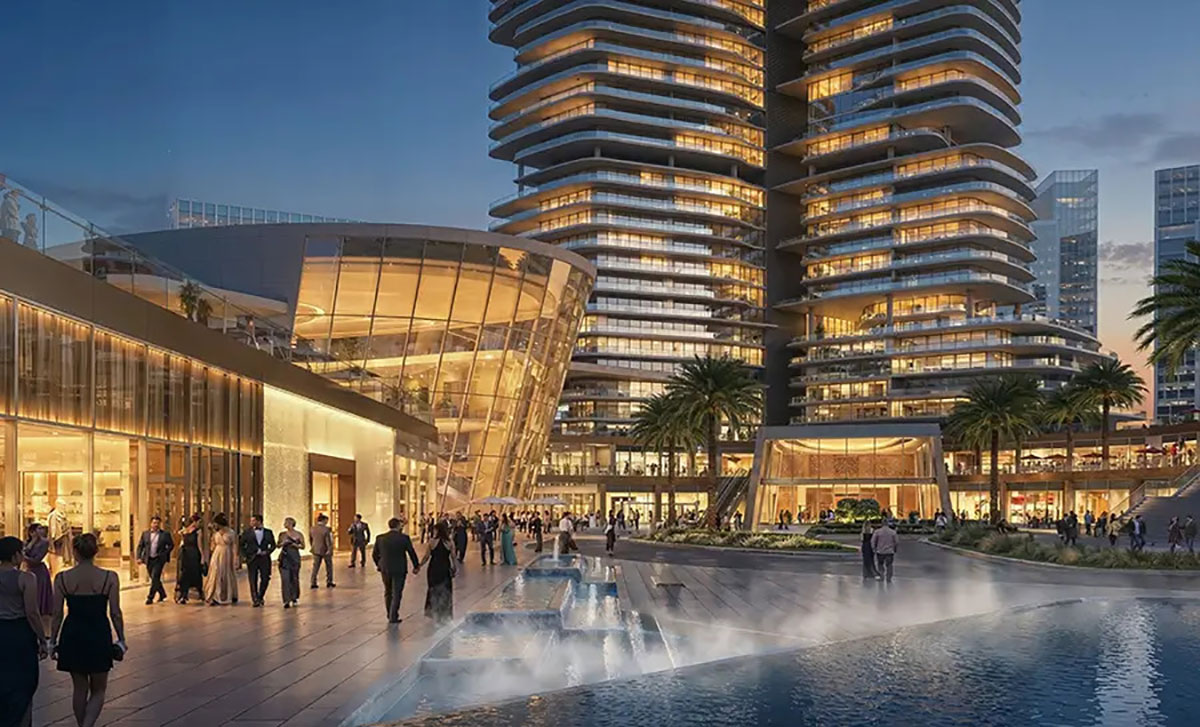
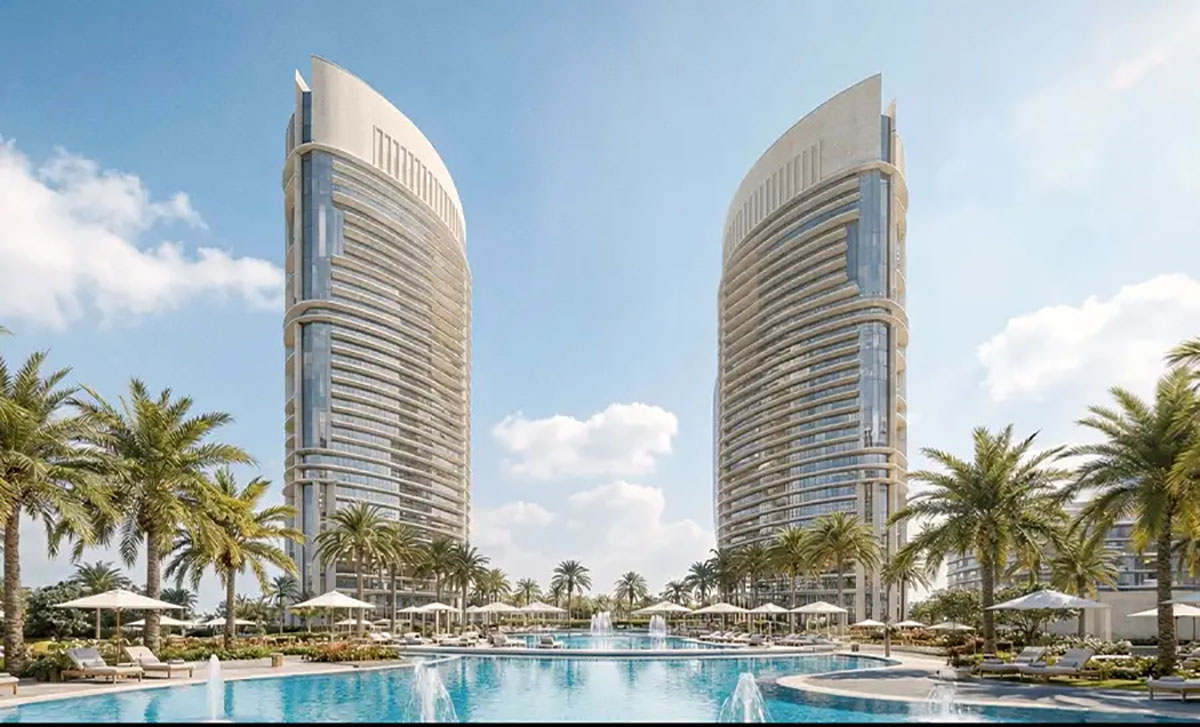
The Egyptian Prime Minister, Mostafa Madbouly, officially launched the project last April (2026), in a ceremony that demonstrated confidence in the country’s growth. Speaking to Arab News, Madbouly stated that investors “see Egypt blessed with security and stability”; consequently, he added, they are also confident of achieving “the highest possible economic returns”. The Spine will also, the Prime Minister said, generate some 155,000 jobs and contribute around €13 billion in tax revenue to the public purse throughout its development. The total investment, meanwhile, will amount to some €23 billion.
The Spine urban development project is not, however, without its questions, as it will compete directly for the same customer segment with the New Administrative Capital, which is already well advanced, or other nearby urban and property developments, such as Mostakbal City. Nevertheless, TMG appears confident in its track record and its ability to attract foreign buyers and Egyptians living abroad, a model that has proven successful in recent years. In fact, the group’s advertising is now also being published in English to reach a wider audience.
Sources: The Spine TMG, Arab News.
Images: The Spine TMG.