
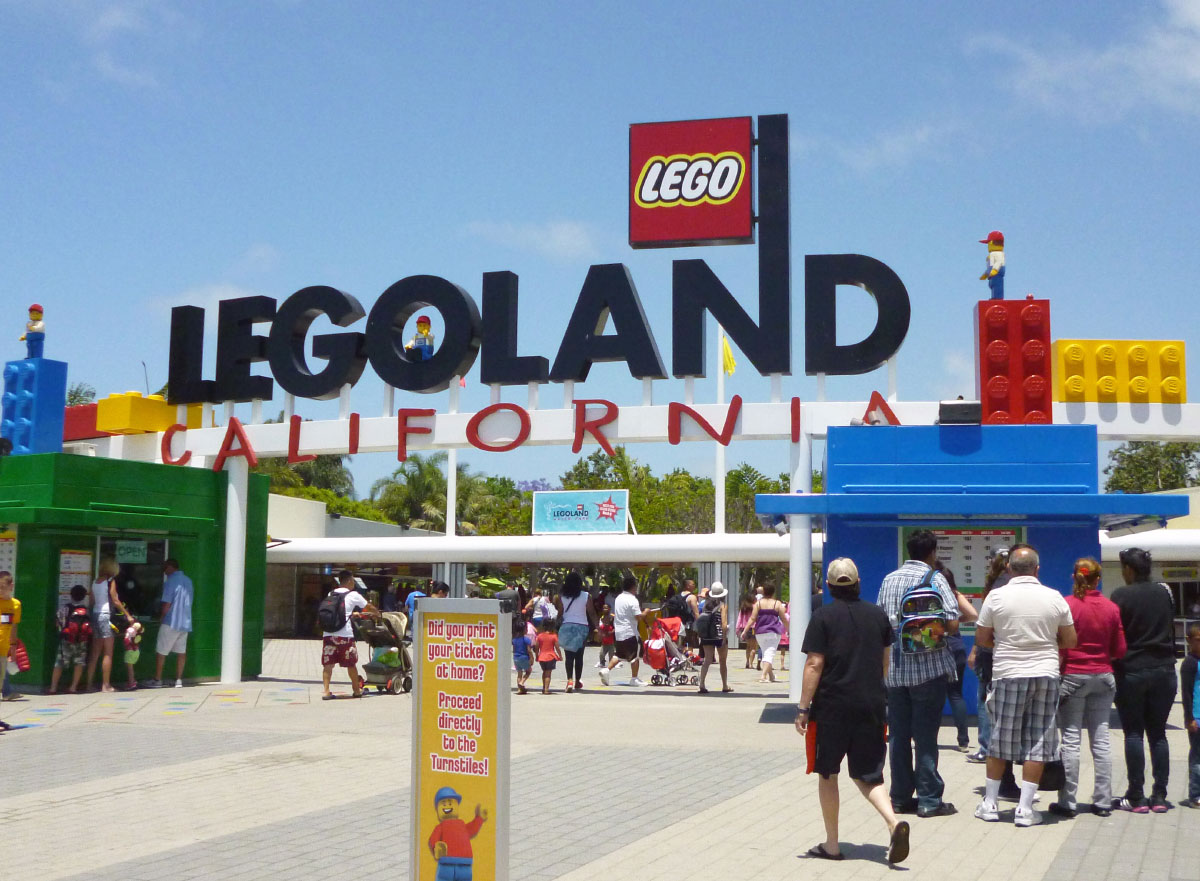
We have identified a trend in the theme park sector: it involves structuring these leisure attractions around non-narrative brands—that is, brands with no connection to fiction or entertainment; in other words, it occurs when the brand’s corporate identity becomes the coherent universe of experiences offered by the theme park. Examples such as LEGOLAND and Ferrari Land illustrate this trend, a concept to which they are firmly committed.
Through its theme parks, the LEGO brand has developed a world of its own based on concepts such as creativity, exploration and learning. This themed universe does not adapt a pre-existing story, but rather constructs a narrative experience based on the brand’s core values. It transforms a physical product—the building brick—into an immersive and globally recognisable experience.
Similarly, Ferrari Land brings the essential elements of a car brand—speed, design, innovation and prestige—to the theme park setting. Ferrari does not originate from the world of entertainment or fiction, yet it creates a narrative and an experience that transforms its industrial and sporting legacy into a themed environment capable of connecting emotionally with a wide audience. The brand itself becomes the story.
Coolcaesar / Wikimedia
By focusing on a single brand—one firmly established in the collective imagination—this type of theme park offers a coherent and focused proposition. Furthermore, the strategy allows the brand to stand out in a highly competitive market. The memorable experiences it offers strengthen visitor loyalty and expand its international reach, often in regions where the company’s commercial presence was previously limited. Compared to theme parks based on intellectual property—such as those of Disney or Universal—these tend to be on a smaller scale.
Beyond mere financial returns, these branded theme parks not only boost their visibility and perceived value, but also serve as ongoing communication platforms. They reinforce their brand image, attract new audiences who may never have engaged with their products before, and cement their cultural relevance in the media landscape.
By Tianshu Liu, Senior Architect in the Architecture Department at Amusement Logic