
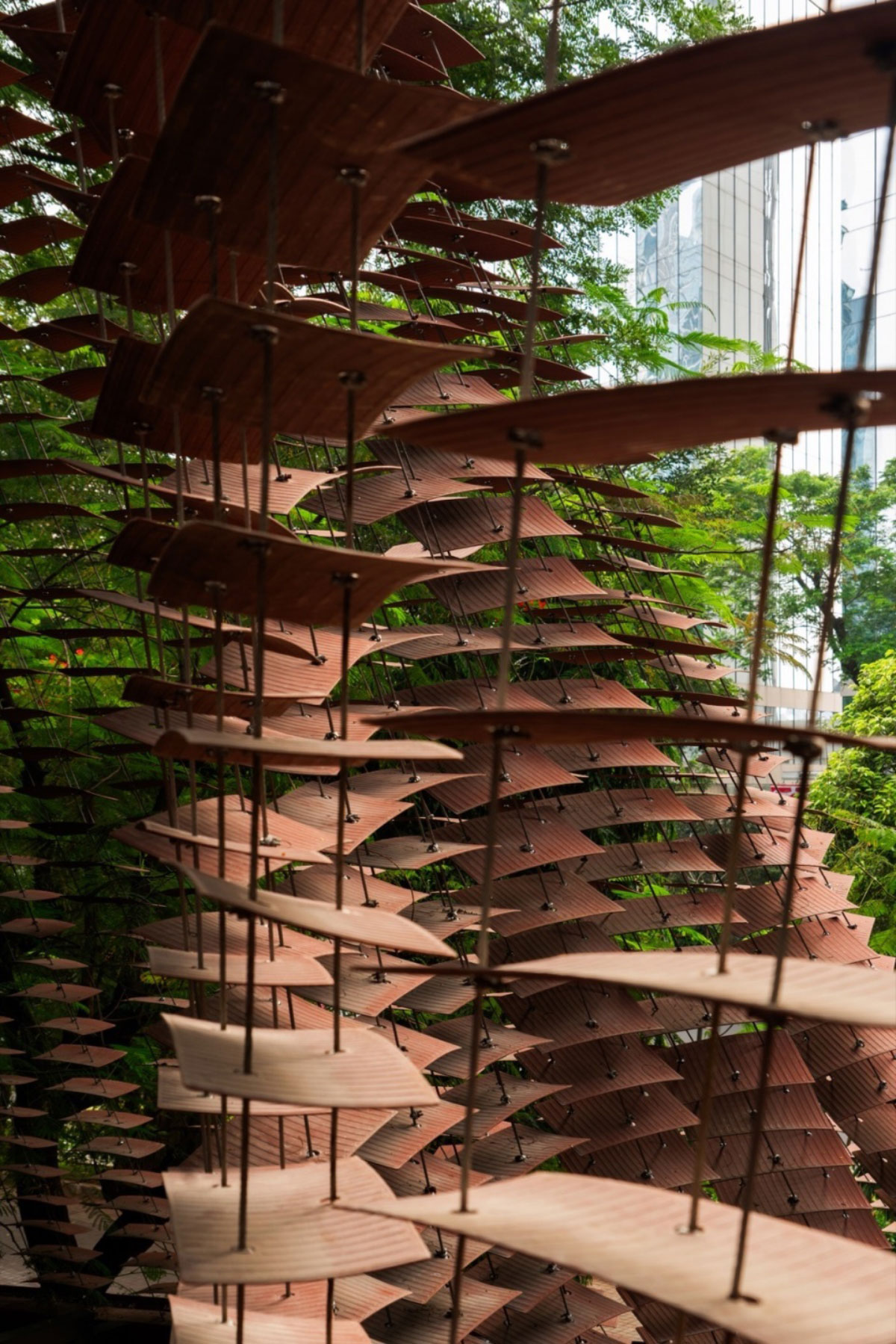
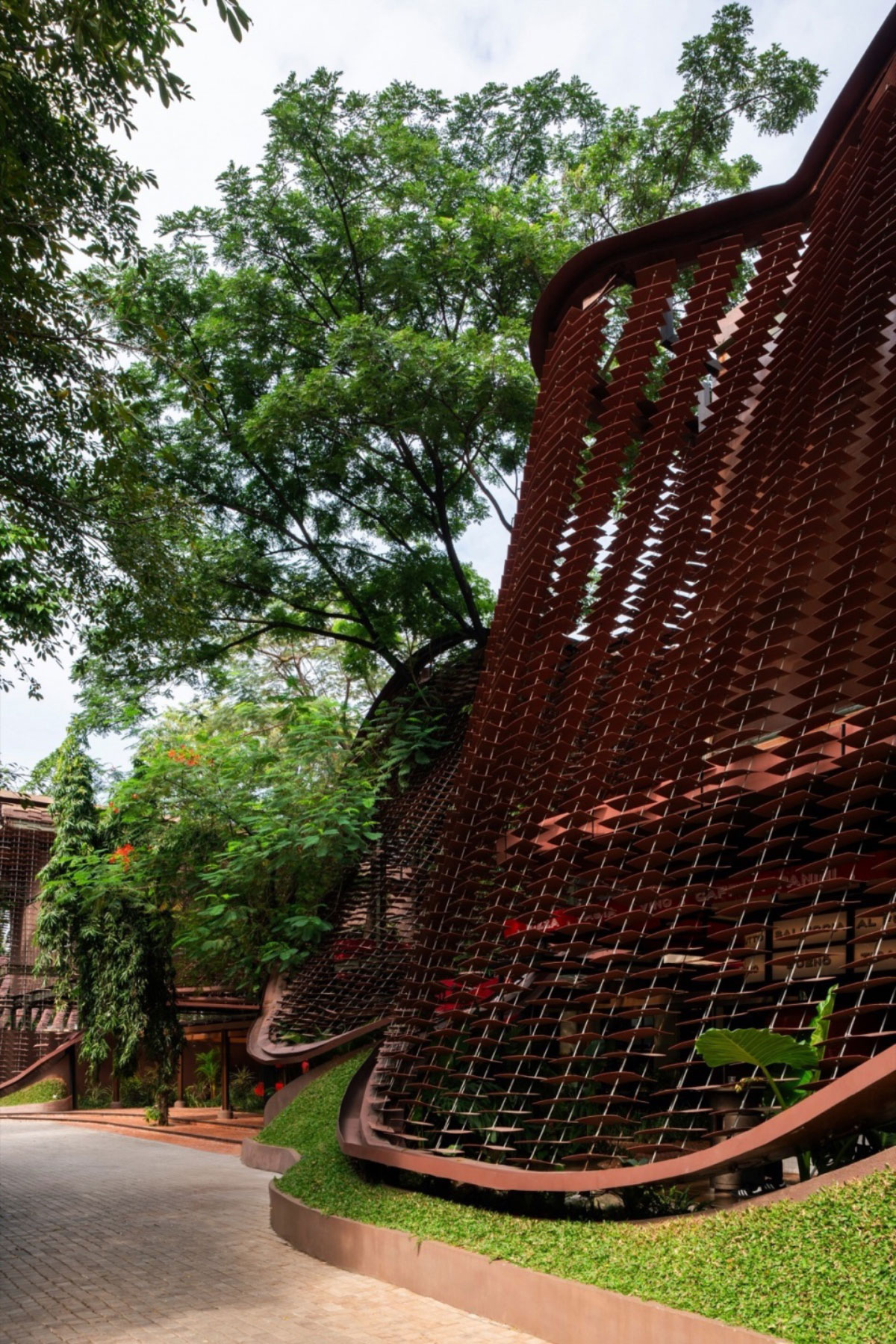
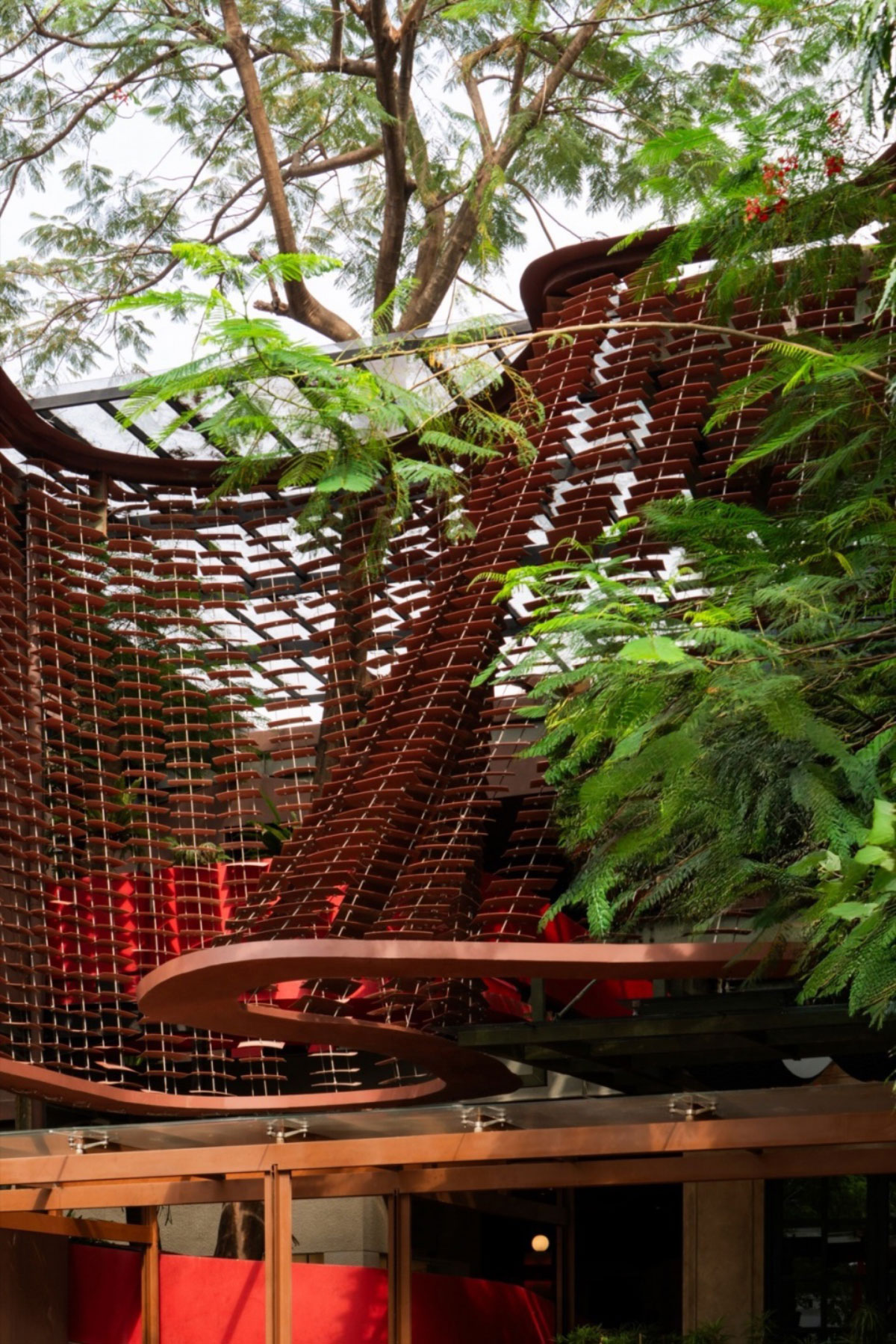
A starting point that is as cultural as it is climatic, for centuries an essential element of Indonesian tropical architecture and an ingenious solution for ventilation and climate control: the lattice. Local architecture studio RAD+ar has taken this starting point and, rather than replicating its tradition, has recoded it. It now gives it a dual function: the practical—sun protection and ventilation—and the symbolic—connection with local identity. The project, a shopping centre in Jakarta, the country’s capital, is called Lattice Creative Garden.
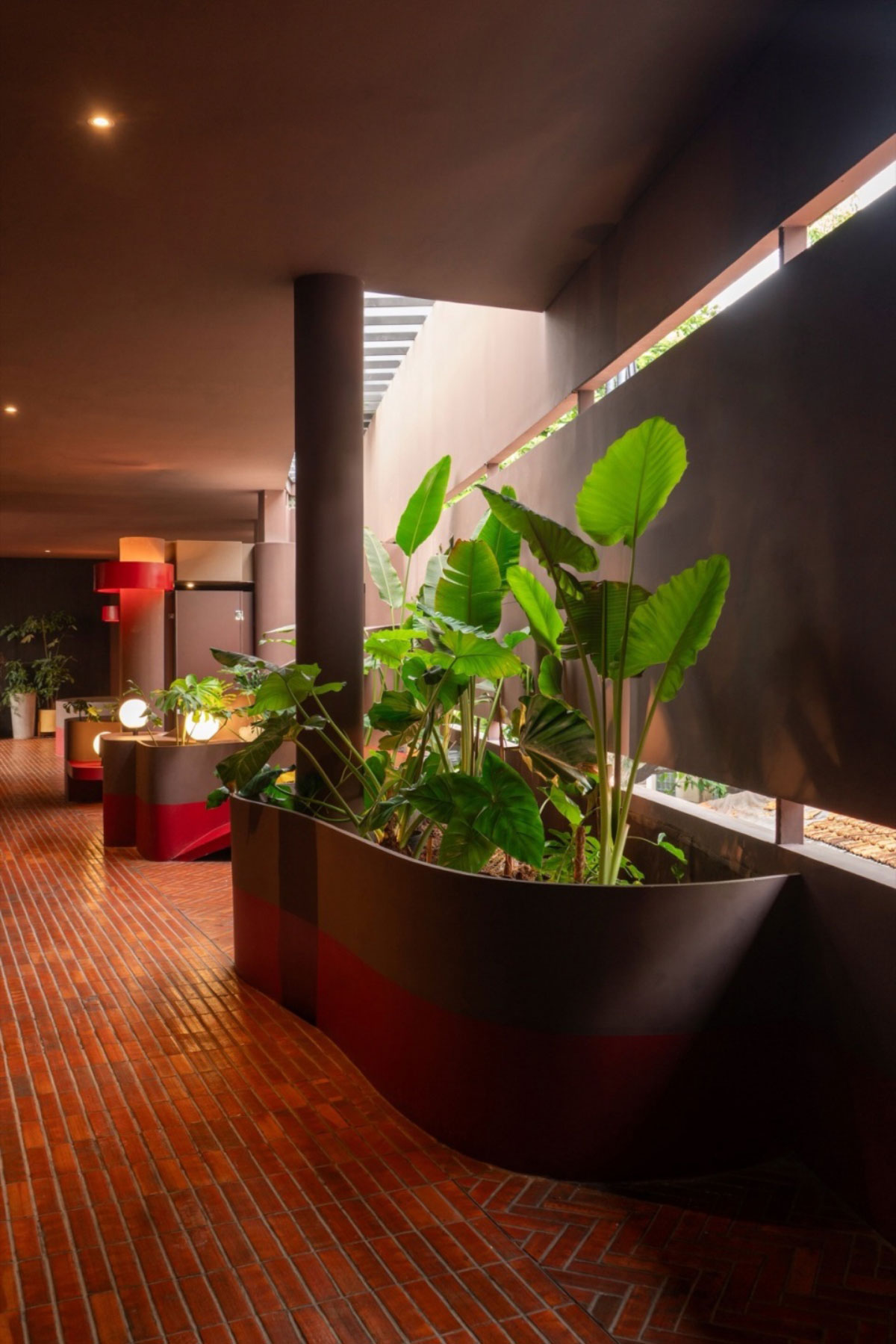
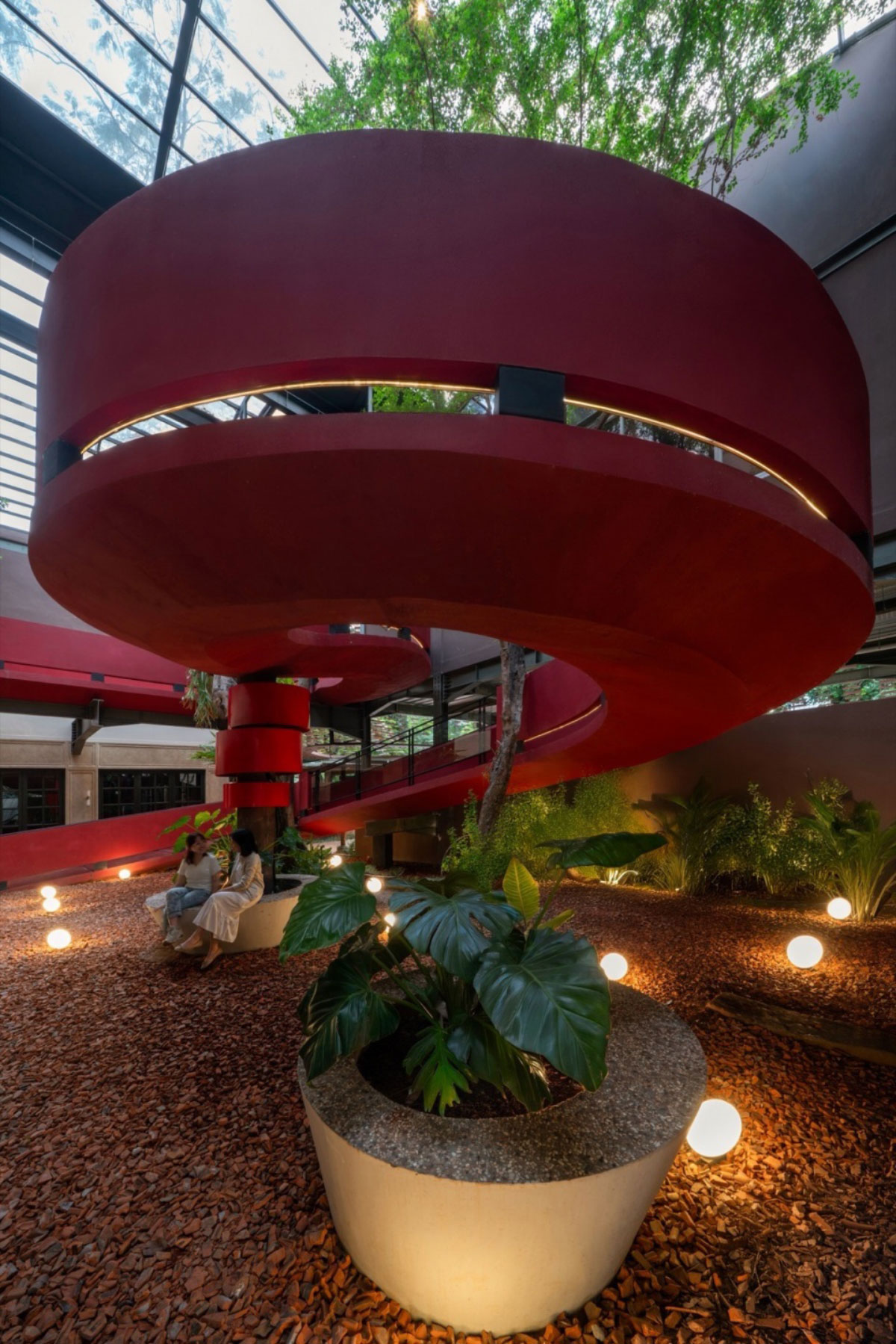
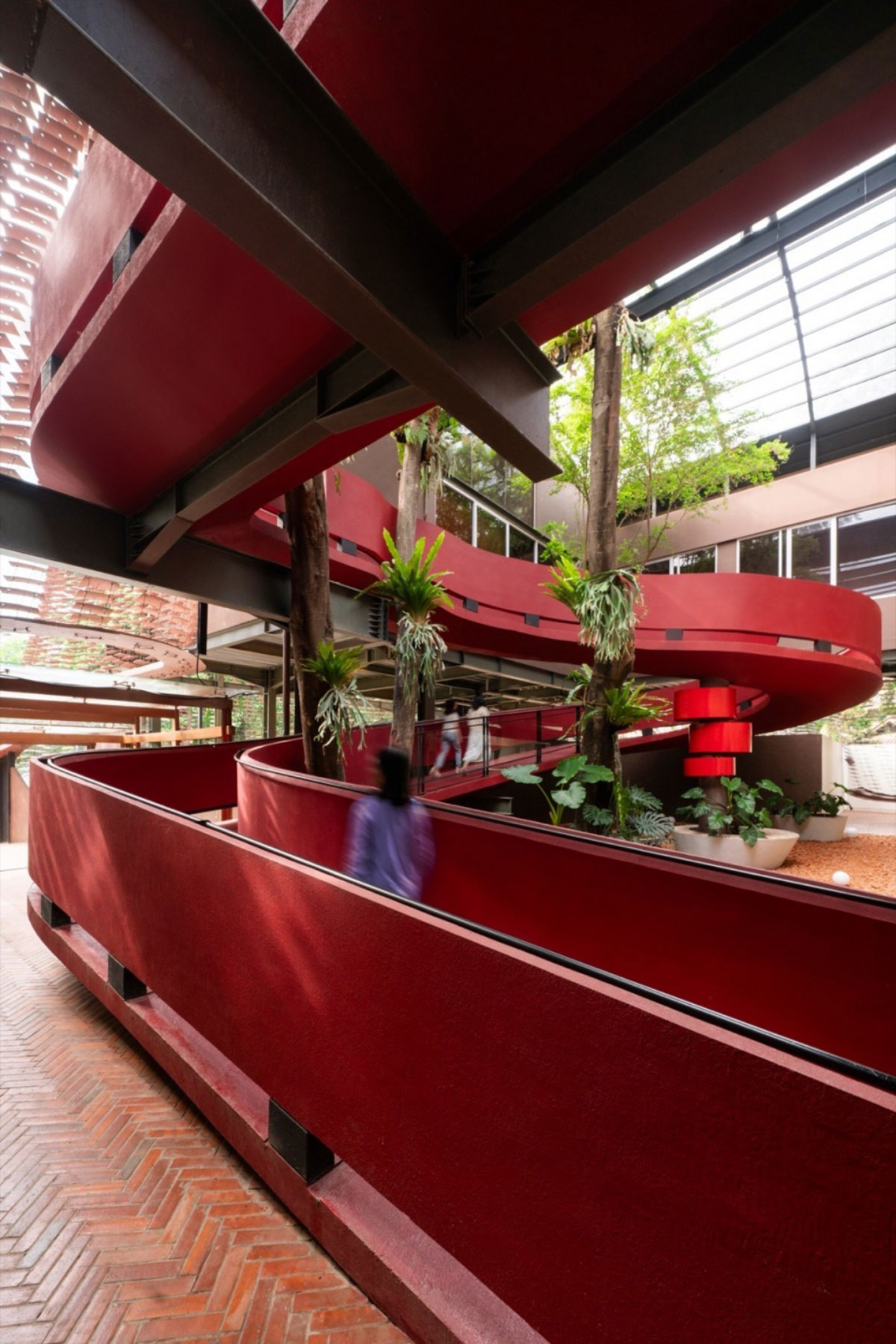
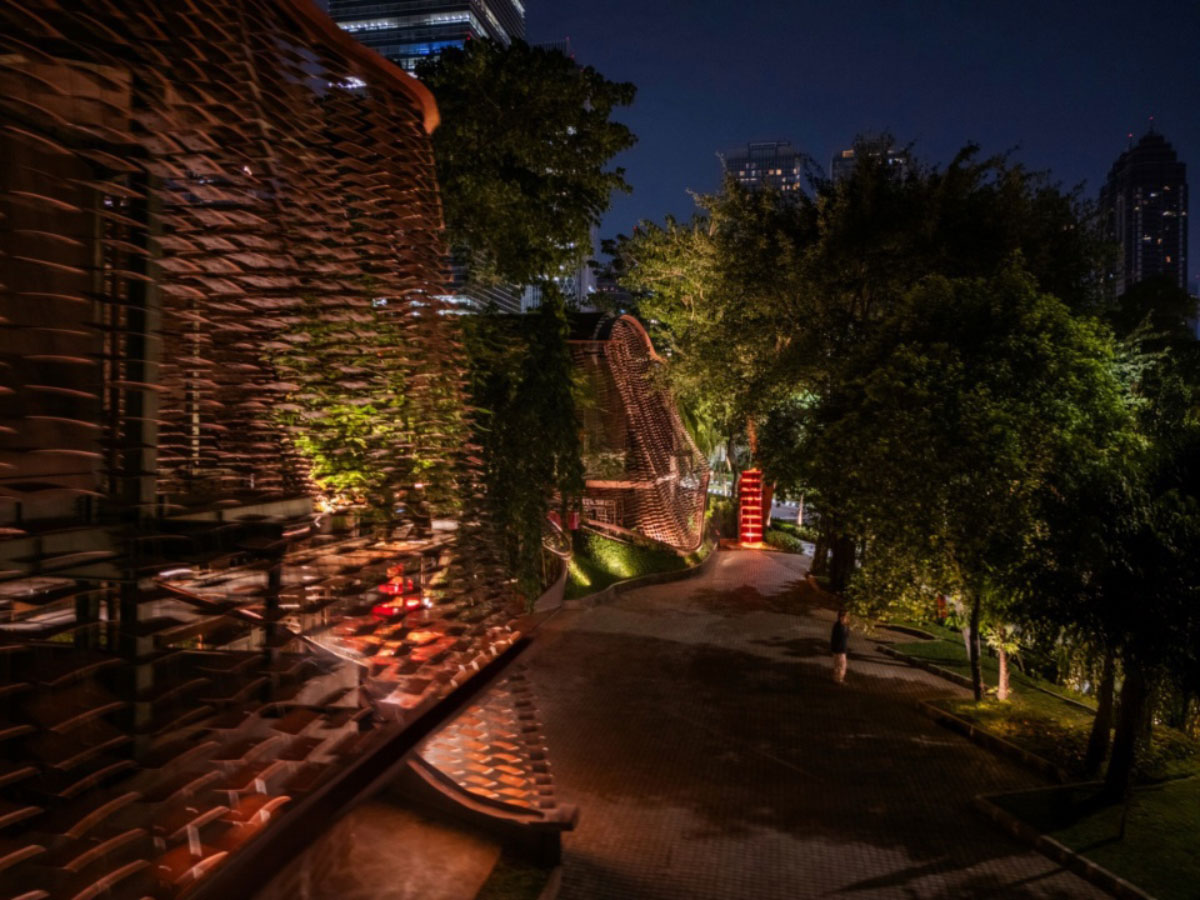
Lattice Creative Garden turns the relationship between building and landscape on its head, because instead of imposing a volume and then “adding” vegetation, the process is reversed: the built mass surrounds the preserved tree areas, therefore embracing existing 20-metre-high trees. This fundamental gesture establishes a “fluid dialogue” between the parametric envelope and nature. Natural ground cover is reduced to a minimum of 40%, and commercial and activity spaces are woven between the trunks and treetops, in “porous” connection with the terraces. The result is efficiency that does not sacrifice the ecosystem, but integrates it as a structural component.
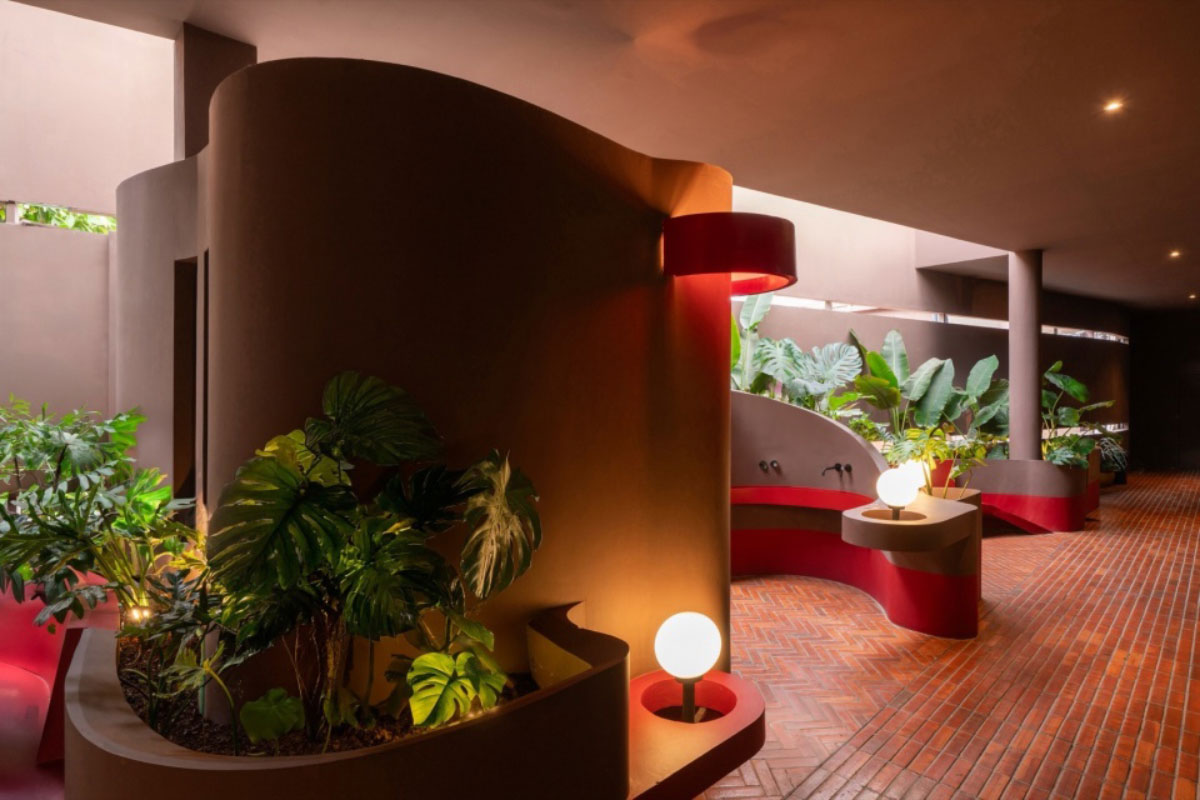
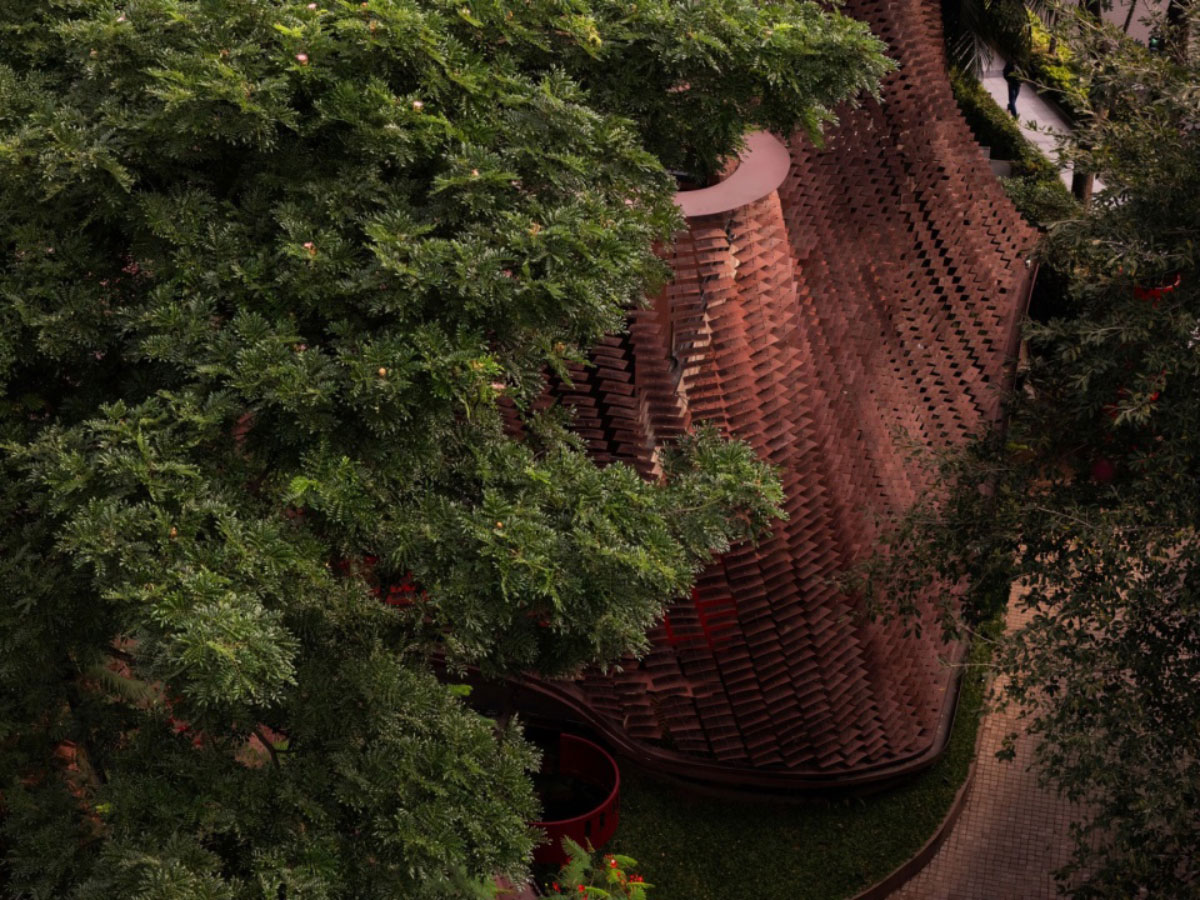
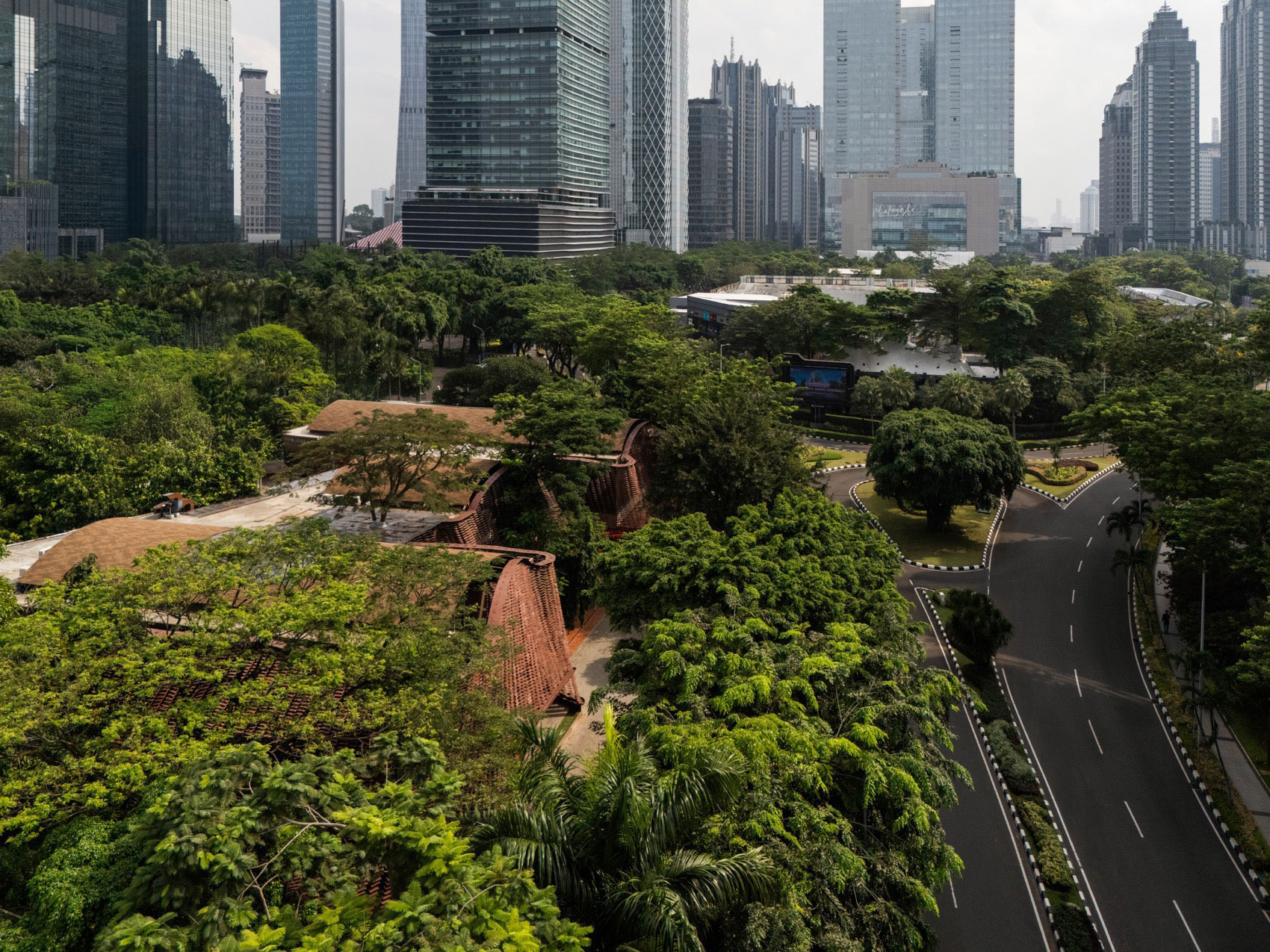
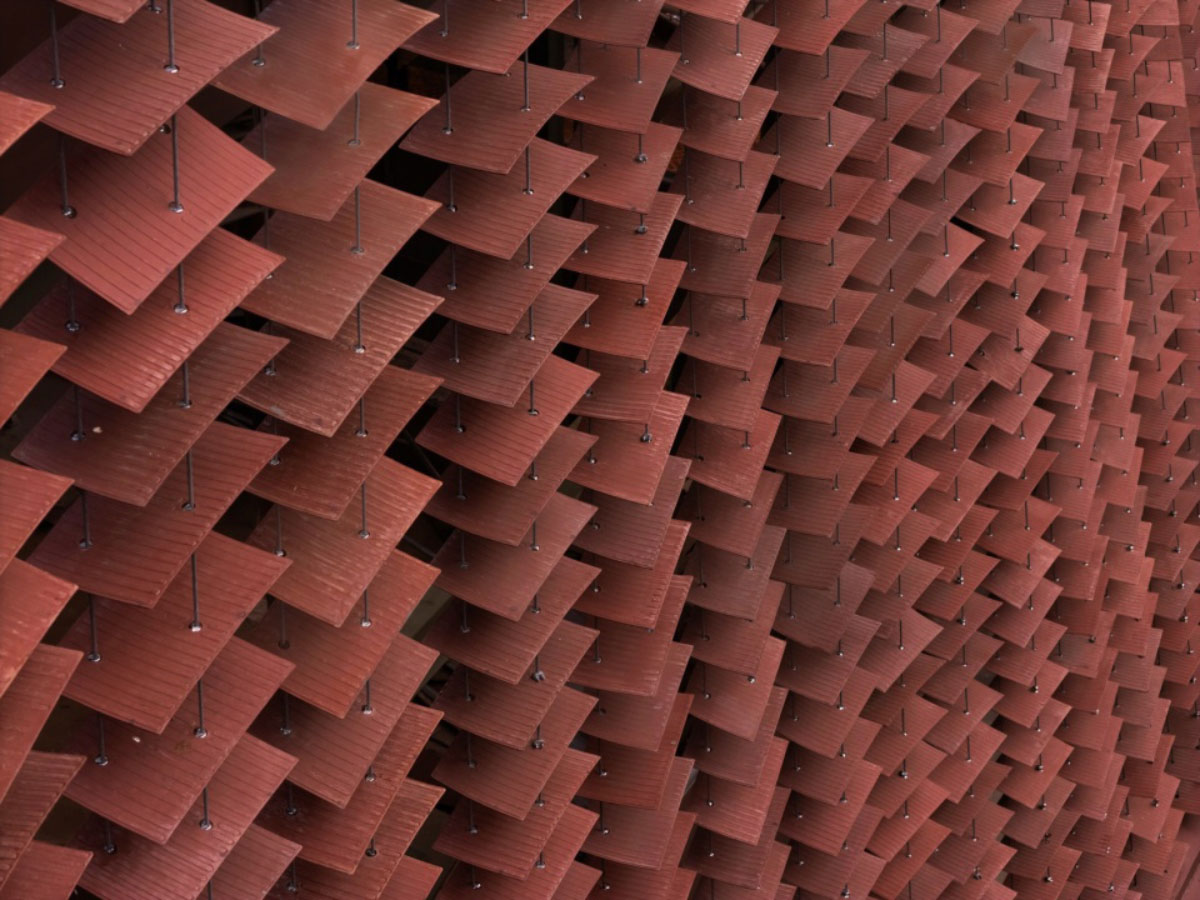
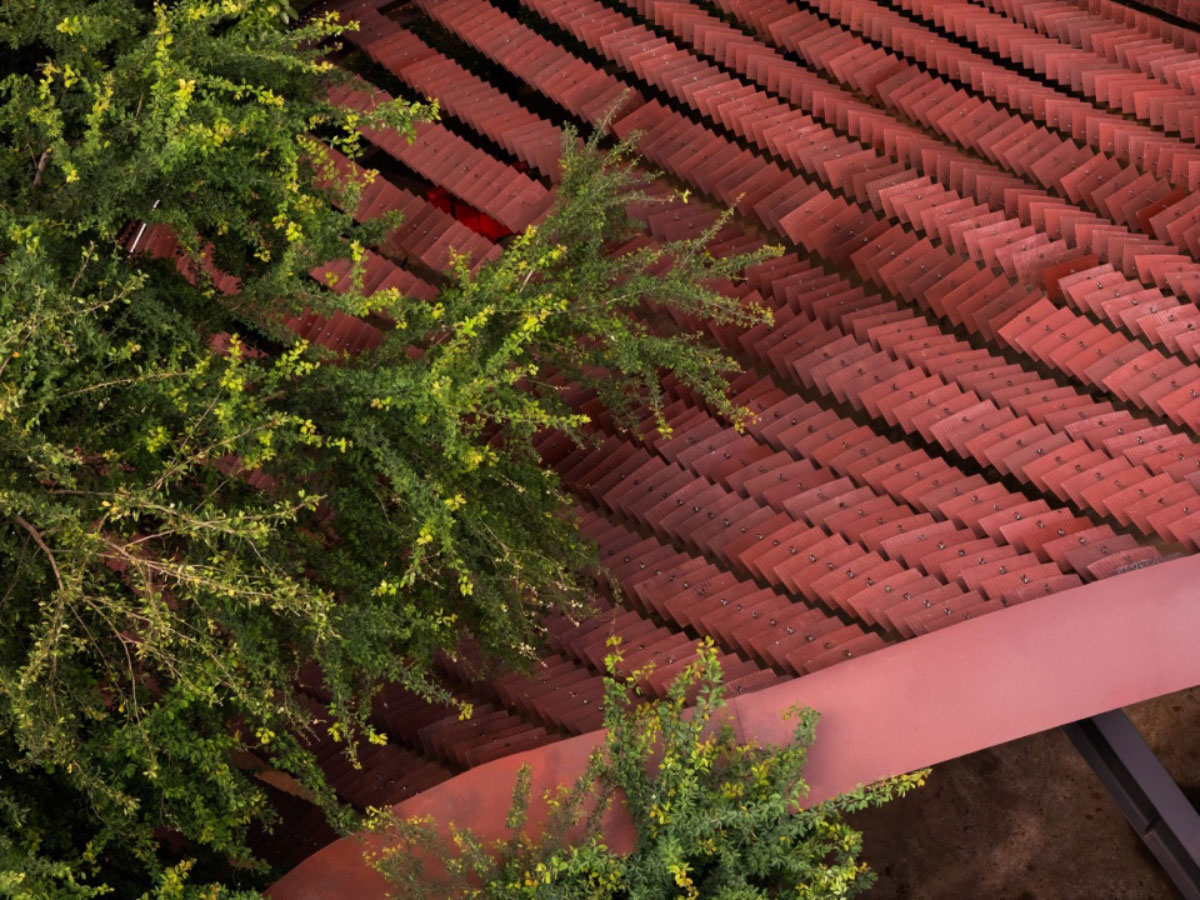
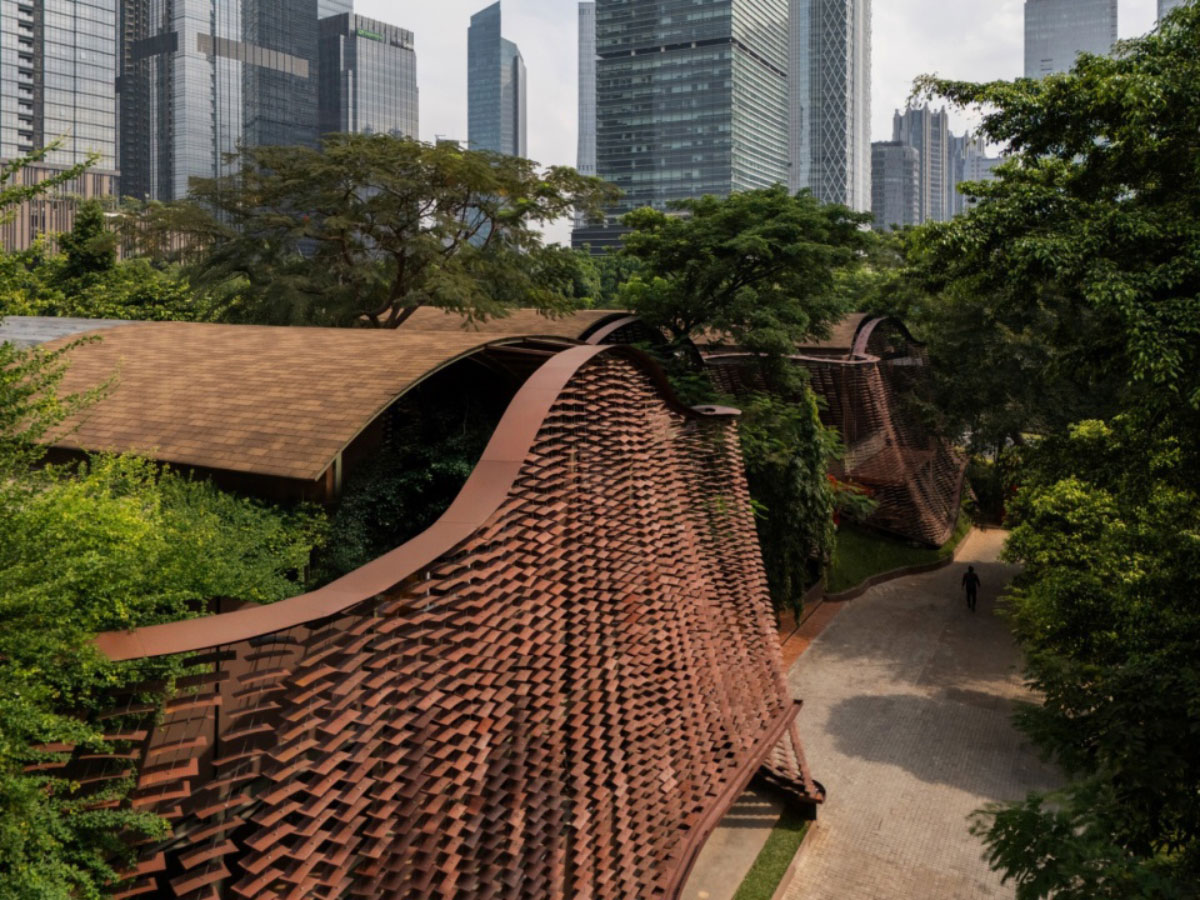
Another outstanding feature of the project is its materiality. The undulating latticework is not made of wood or metal, but from 4,800 kg of recycled plastic. This waste is transformed into the 16,800 panels that make up the structure. Beyond its technical performance as a climate control mechanism, this aspect makes the building a tangible and elegant message—and reminder—to citizens and authorities: the 7 million tonnes of untreated plastic produced annually in Indonesia can have a second life in architecture.
The decoupled façade of Lattice Creative Garden produces breeze corridors and thermal chimneys that promote natural ventilation. Mechanical lifts, which are major energy consumers, are largely replaced by a winding garden ramp. This movement, in addition to reducing the complex’s energy dependence, turns the act of walking into a sensory experience in contact with nature. The result is a significant reduction in dependence on air conditioning and lifts, and a demonstration that comfort is not necessarily linked to intensive energy consumption.
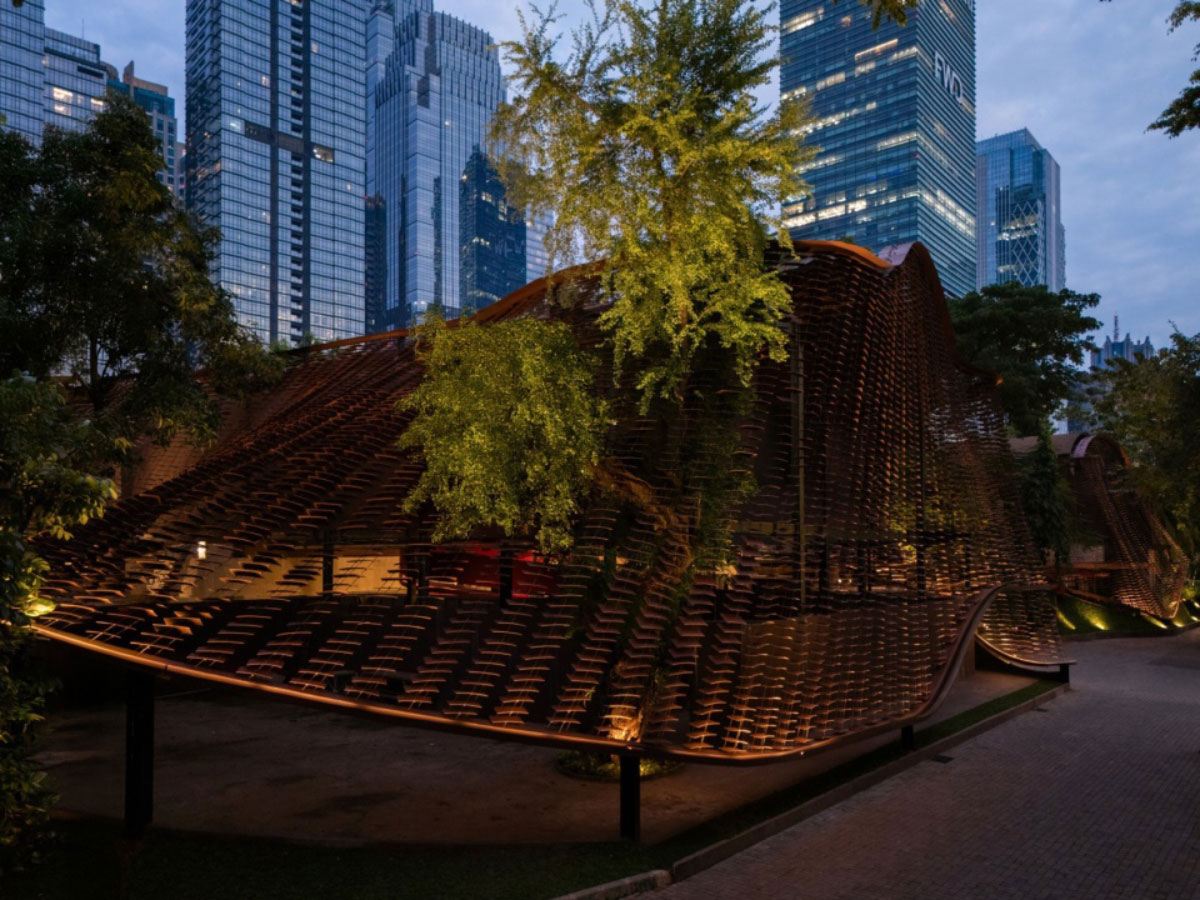
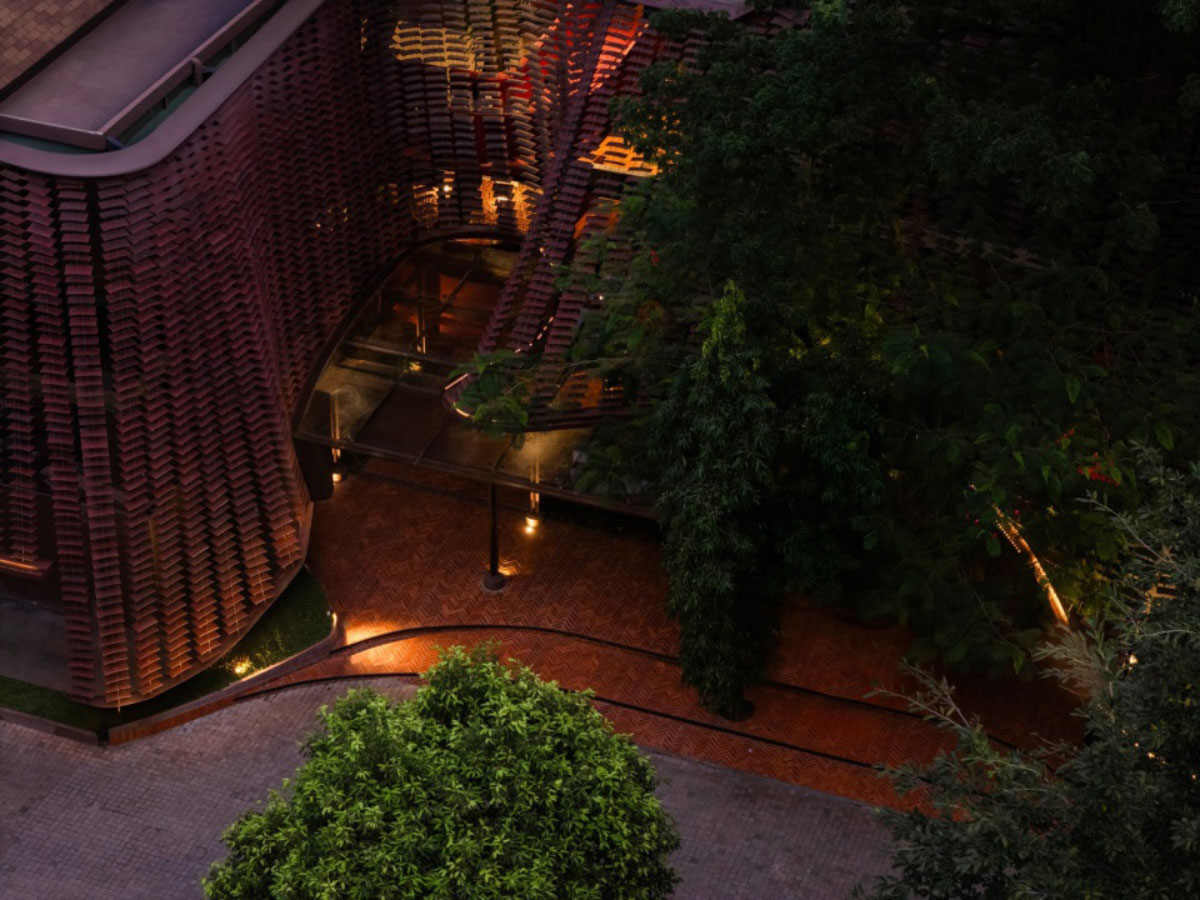
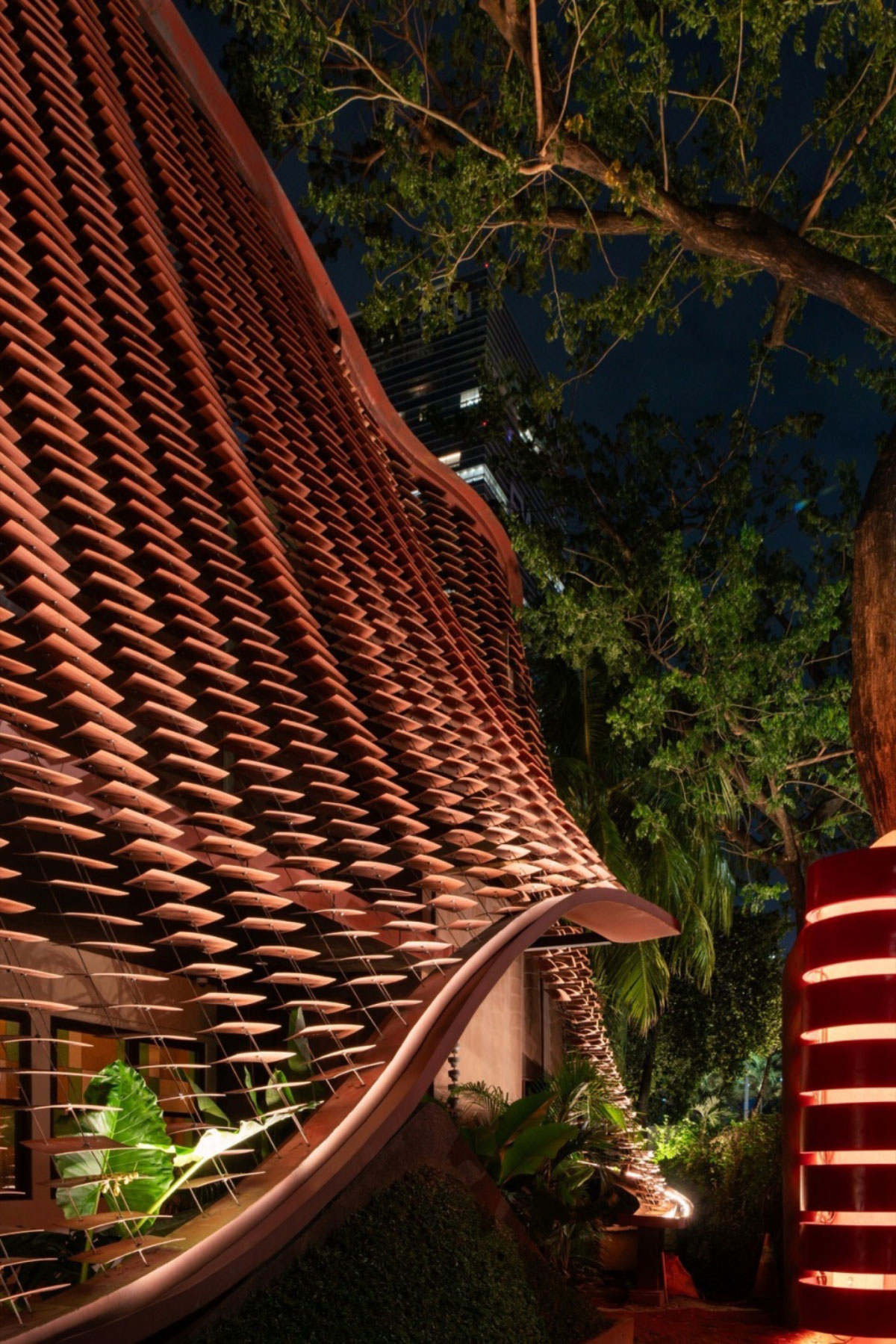
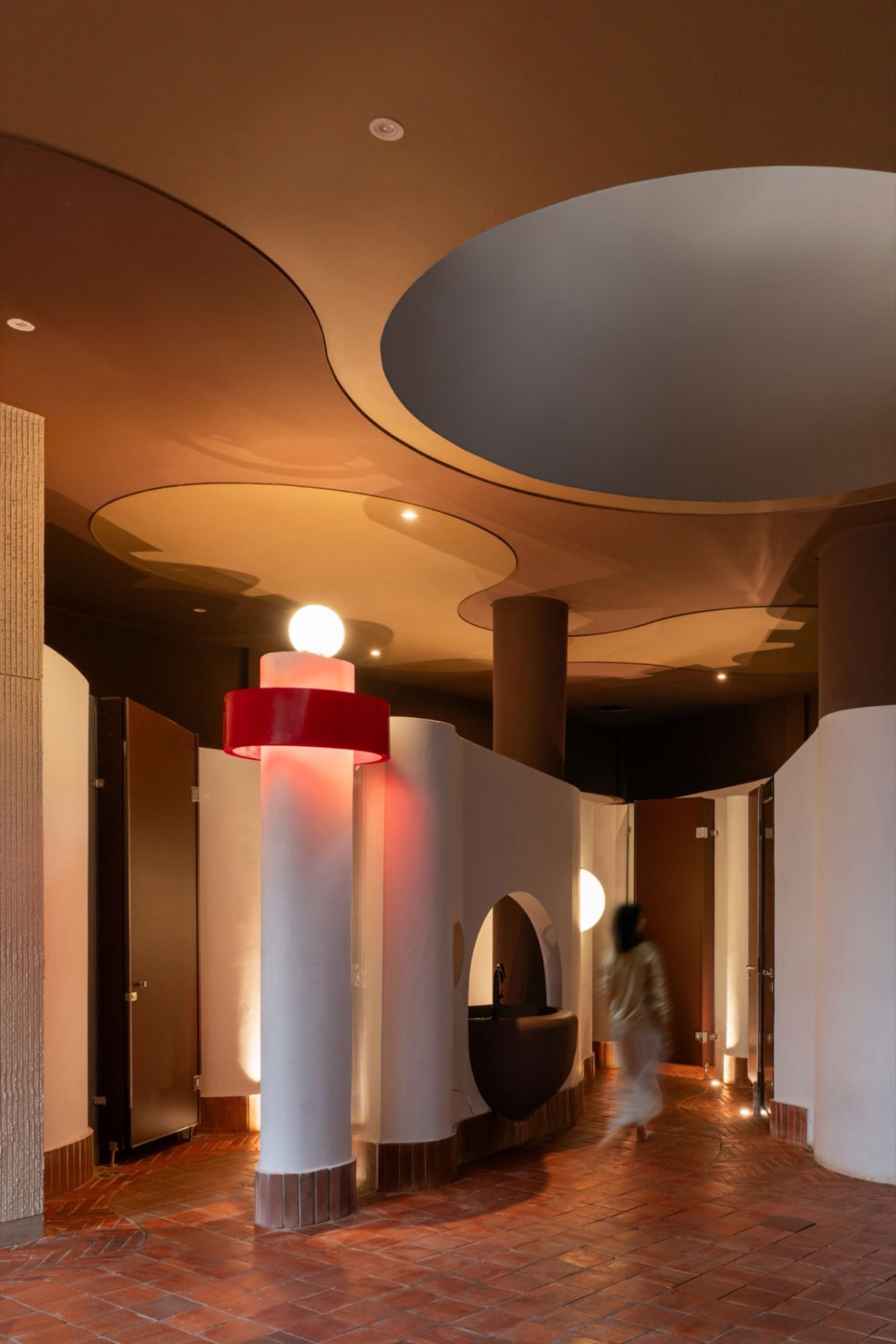
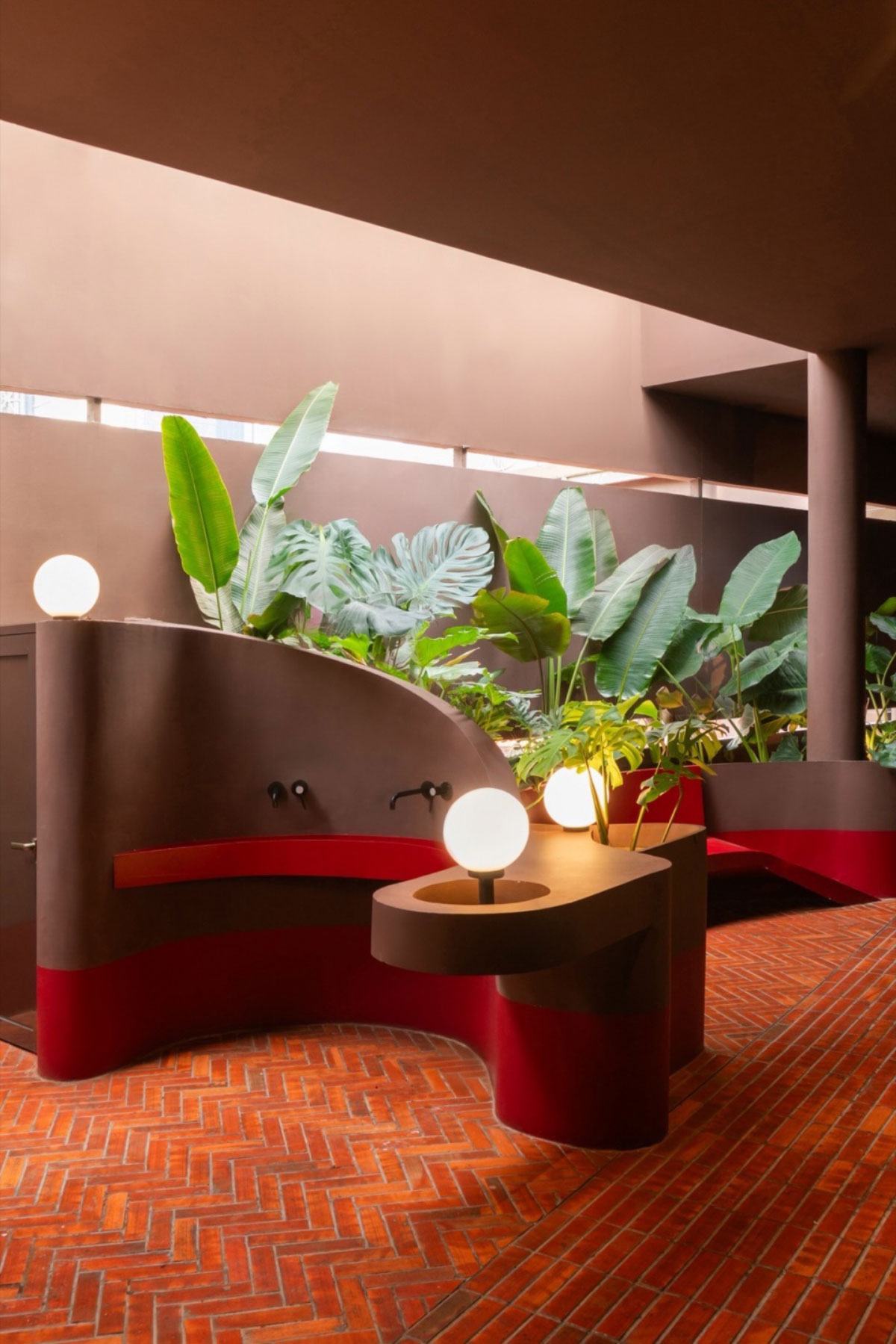
All in all, Lattice Creative Garden transcends its programmatic function as a beacon of possibility. In a developing country such as Indonesia, often faced with the dilemma between economic progress and sustainability, the project demonstrates that synergy is possible and, therefore, that this dilemma can be overcome. It is a rigorous, beautiful and contextual proposal that calls for architecture to play a leading role in overcoming this dilemma.
Source: RAD+ar
Images: Ernest Theofilus via RAD+ar