
Albania’s coast remained largely untouched by Mediterranean tourism development for decades. However, after that period, the country experienced a rapid opening to international tourism. In fact, Albania is now one of the fastest-growing destinations in the region. In 2024, it welcomed over 12 million tourists. Its mixed forests of deciduous, coniferous, and sclerophyllous species, as well as its mountainous coastlines and the fragility of its ecosystem, are both a preserved treasure and a limitation. Specifically, in the south of the country, in the space between the Adriatic and Ionian Seas, towns like Dhërmi have become a magnet for urban and hotel development. One example of this is the project we’re going to tell you about, The Veil, a resort designed by the architecture firm Bofill Taller de Arquitectura.
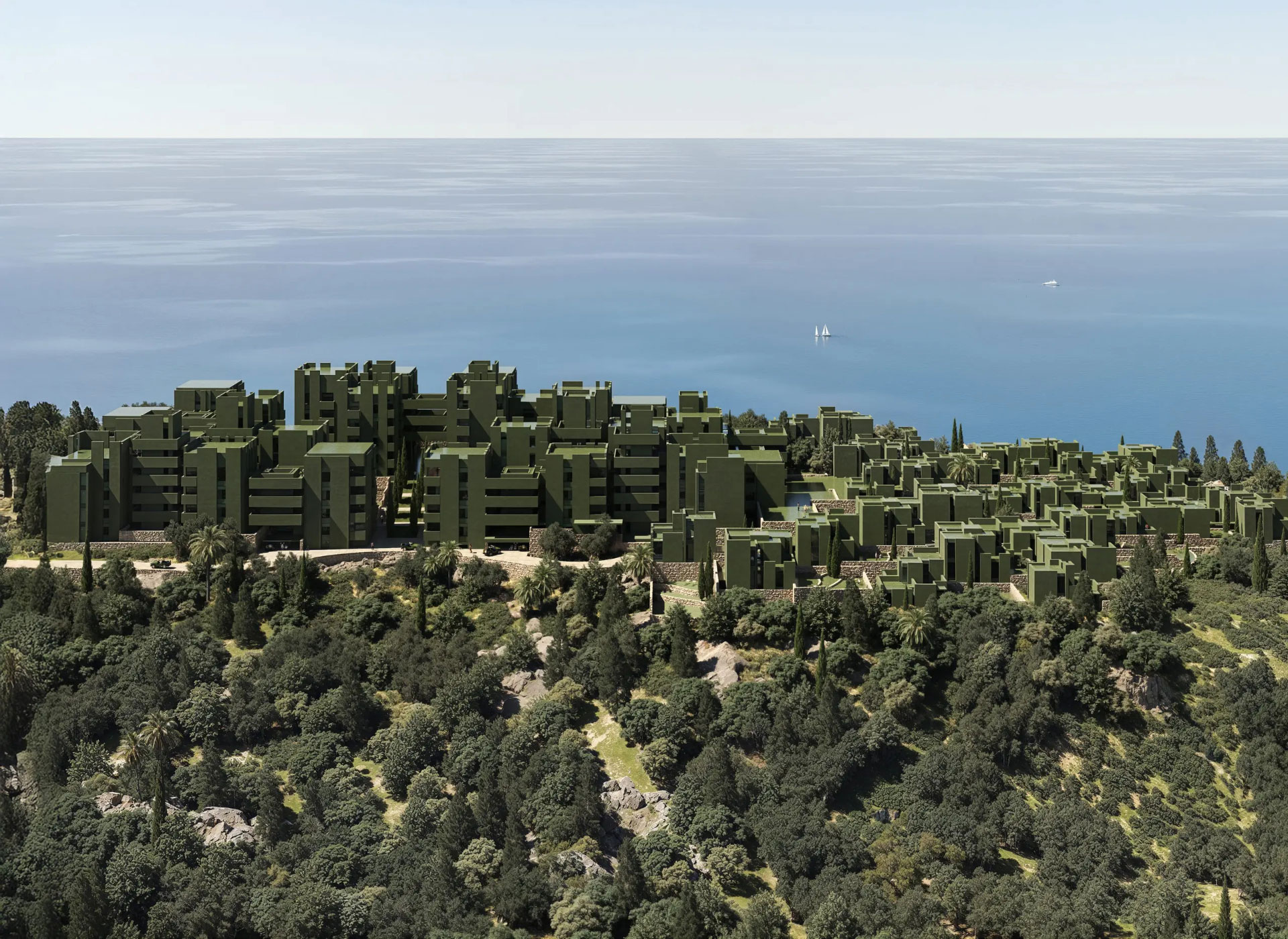
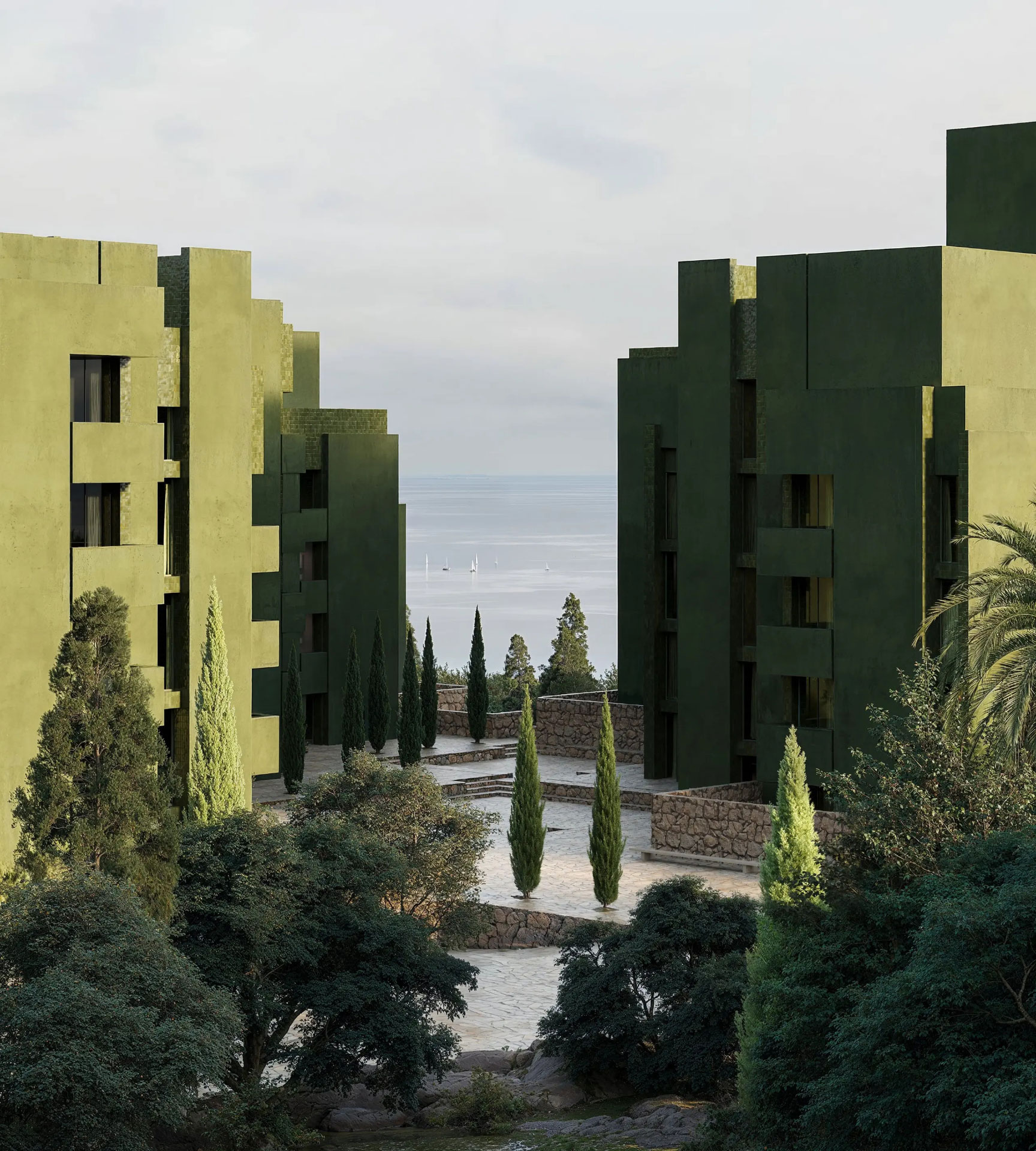
The Veil, currently under construction, seems to rest upon the peaks of the Albanian Riviera with the delicacy of a leaf gently falling to earth. This metaphor serves to express both the low impact of its construction and the preservation of the centuries-old trees on the site. It also reflects how its architecture blends into the landscape through the colour of its façades, the small scale of its buildings, and its terraces, as well as through the use of local materials such as stone and glazed ceramic.

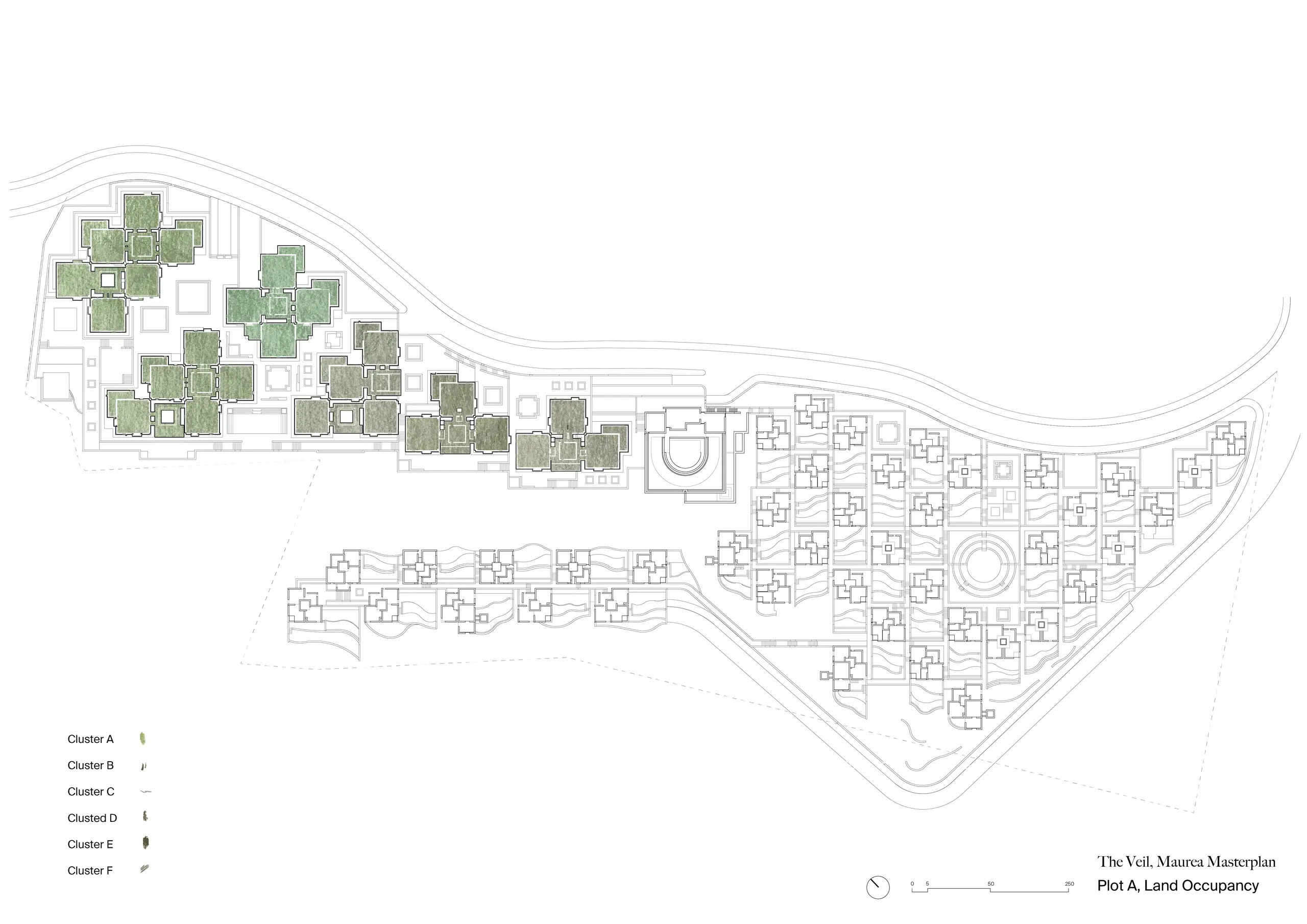
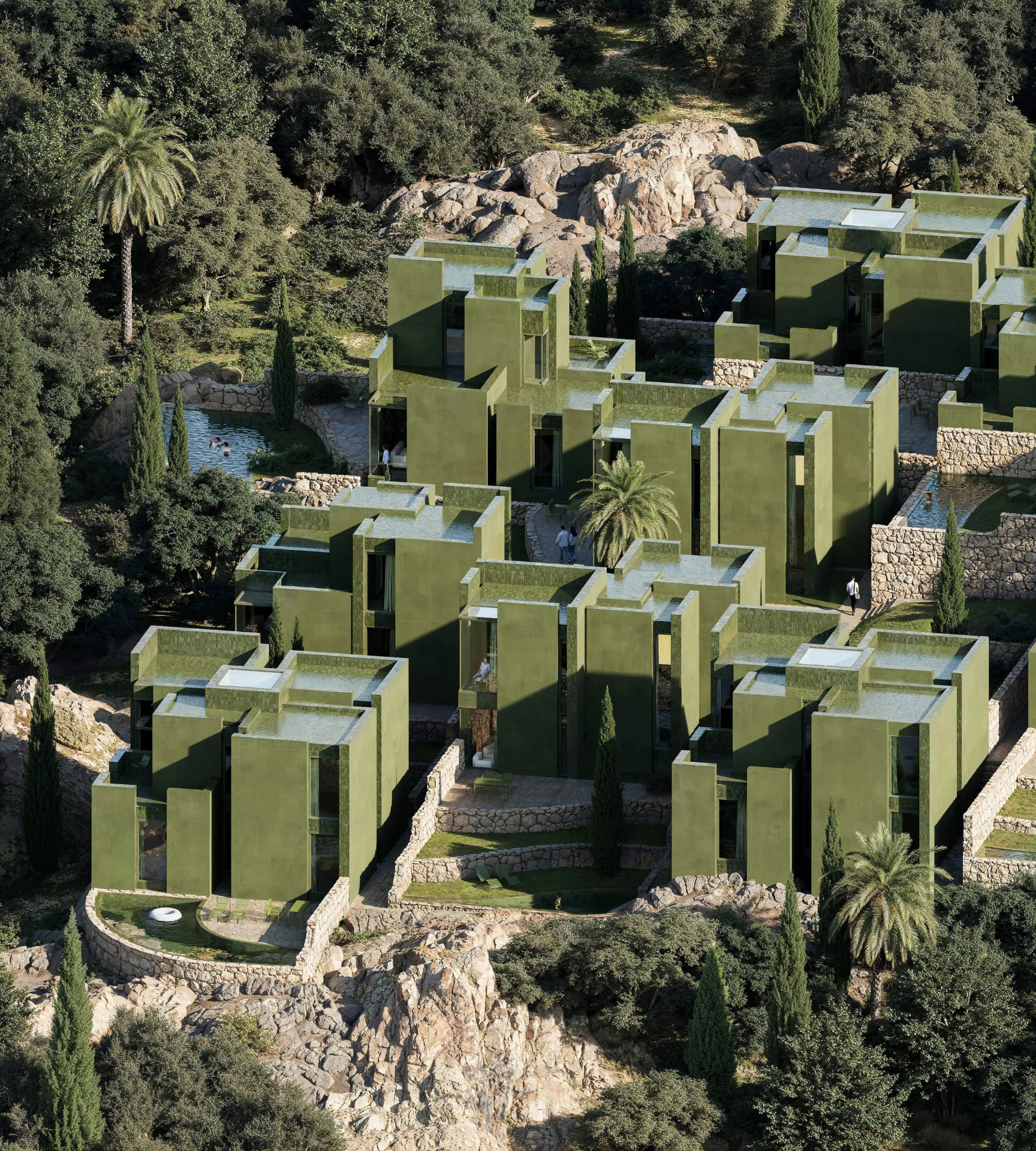
The project comprises 366 apartments and 77 villas distributed across 16 different building types, spread over two plots of varying sizes. What is truly remarkable, however, is the strategy behind the buildings’ arrangement. Resisting the temptation of large-scale earthworks, “the way these buildings are positioned in the landscape follows the logic of the topography,” as stated in the documentation provided by the architecture firm. In other words, these buildings “they settle onto platforms that align with the natural contours and therefore avoid extensive excavation.”
This sense of lightness, this suggestion of plant debris naturally deposited on the land, serves as the inspiration for the name of the tourist and residential complex: The Veil. Or, in the words of Bofill Taller de Arquitectura, the building behaves ” like a light or invisible veil that has been laid down gently over the land.”
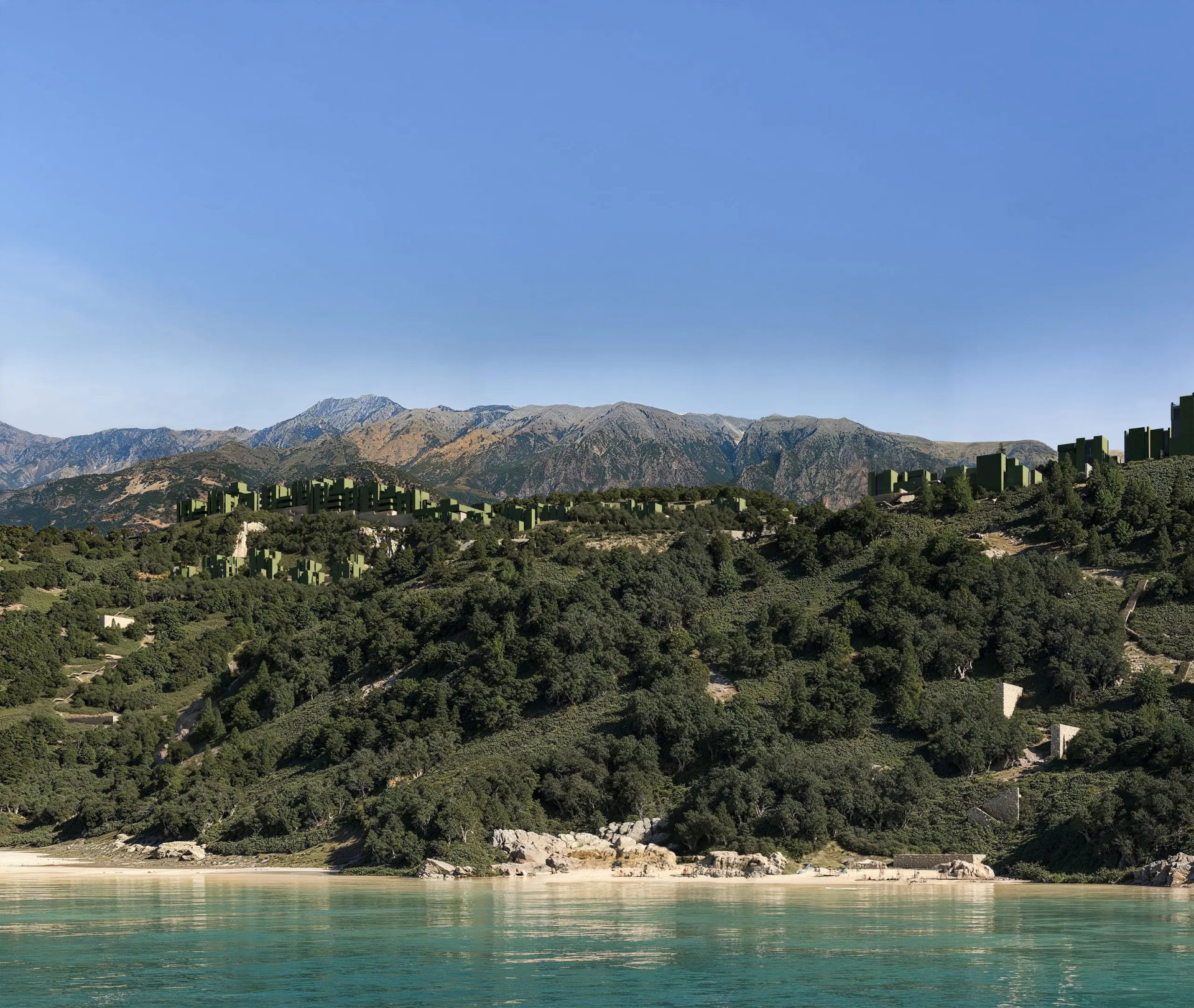
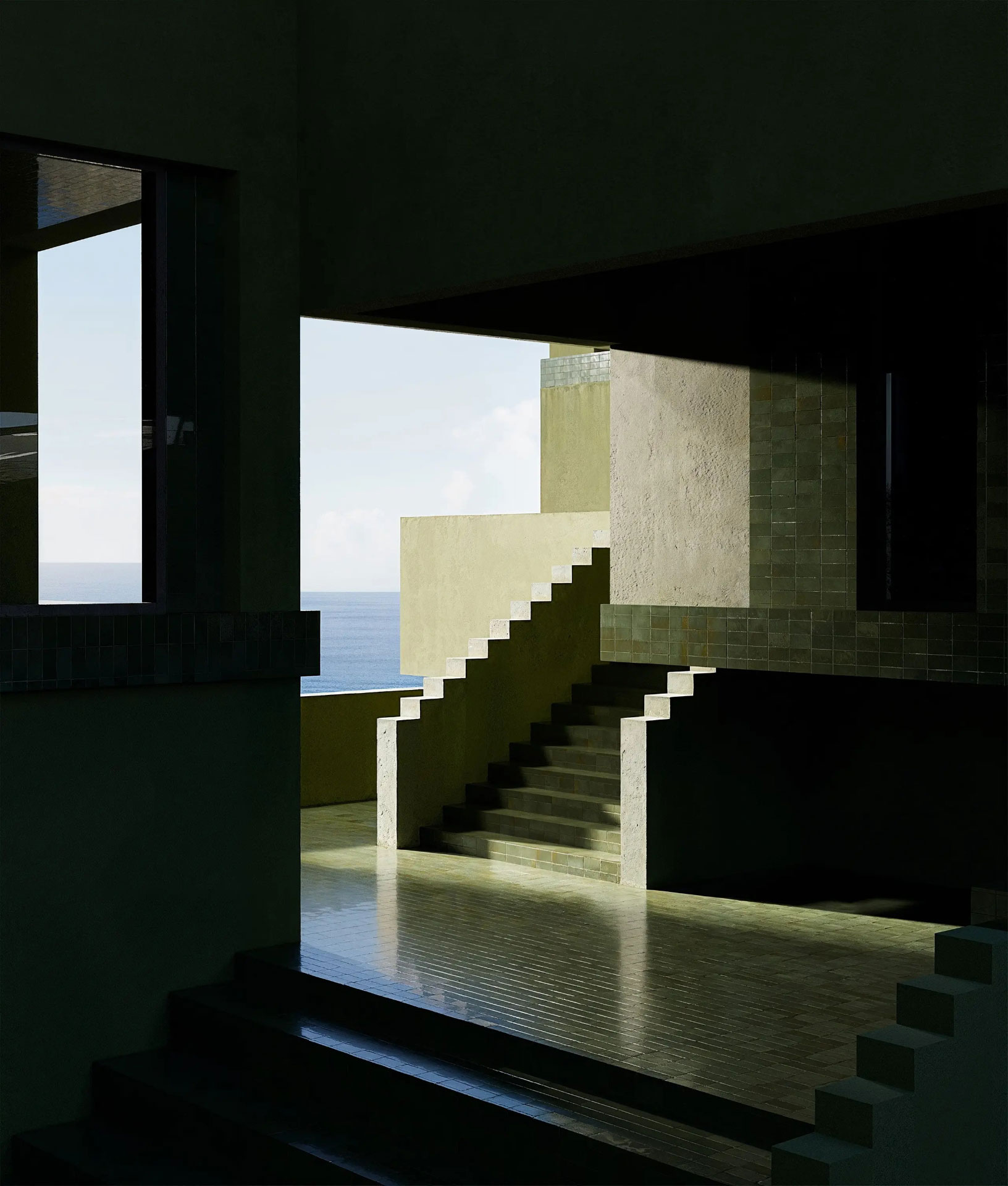
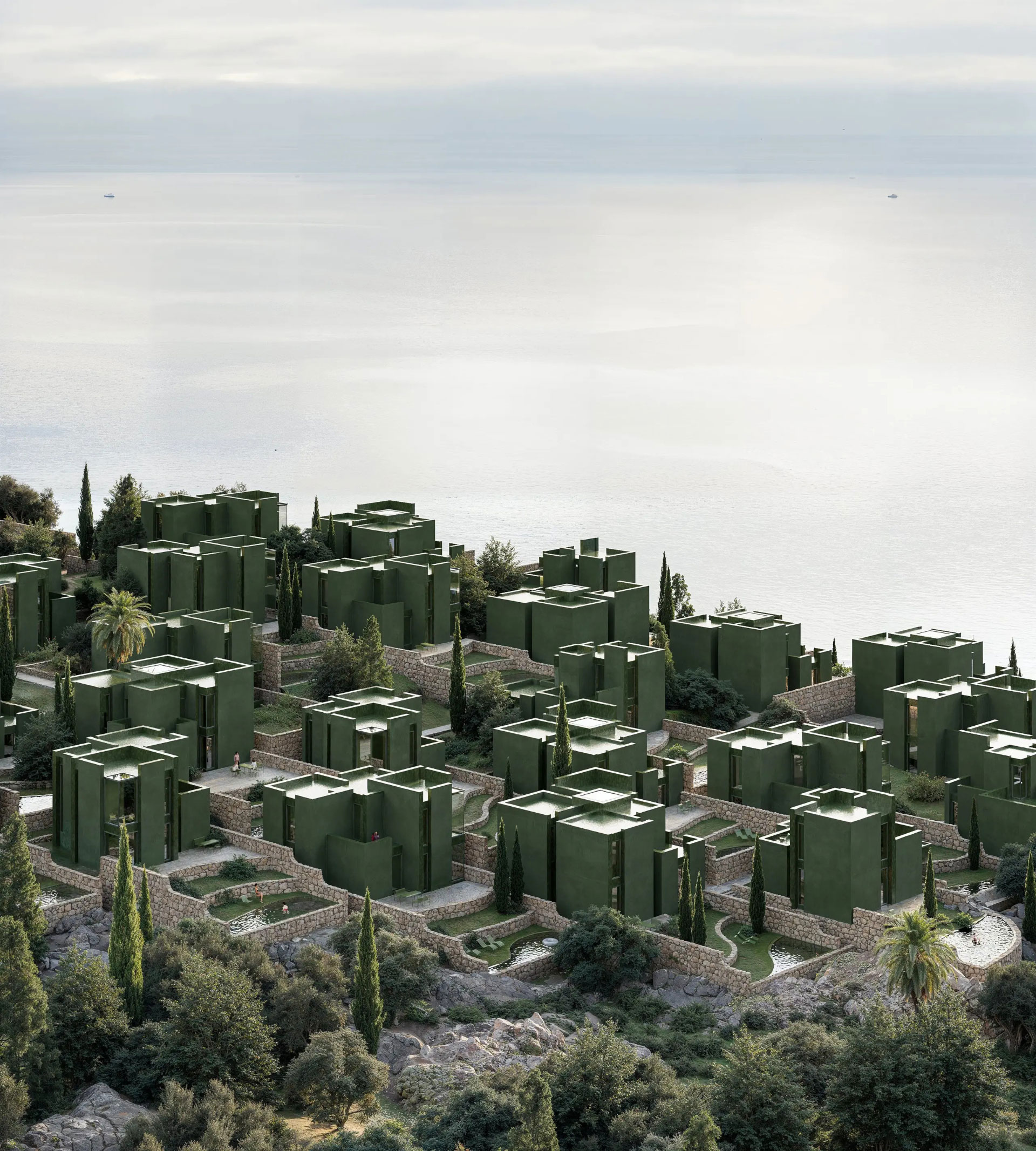
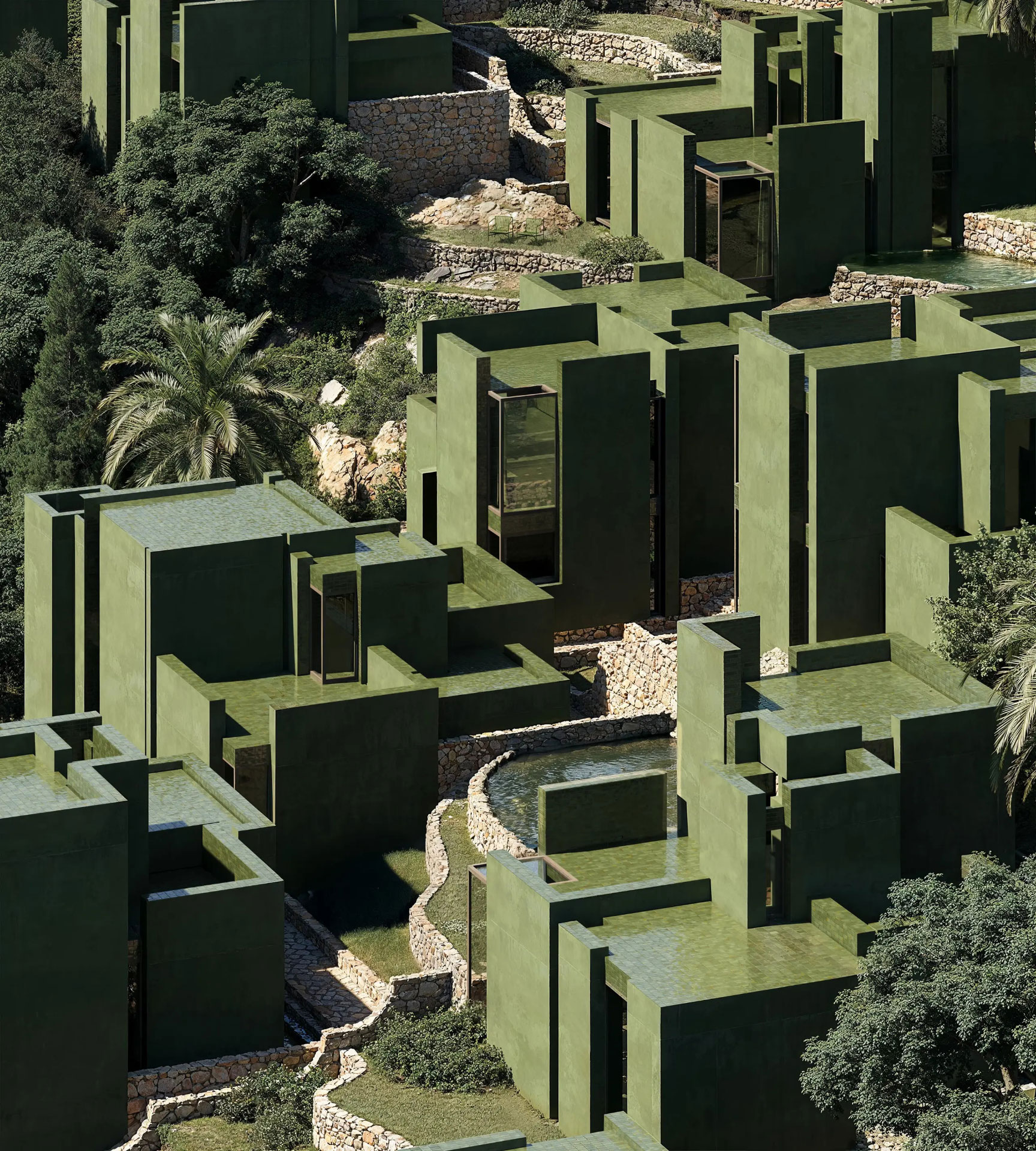
The challenge posed by this approach, which requires placing the buildings on slopes, is resolved with a continuous plinth of locally sourced stone. This plinth rises and falls with the contours of the land, in a network of paths and staircases that connects the entire complex. “To determine the tones of this paving stone,” the architects explain, “samples were taken from the natural landscape and a palette of four colours resulted.”
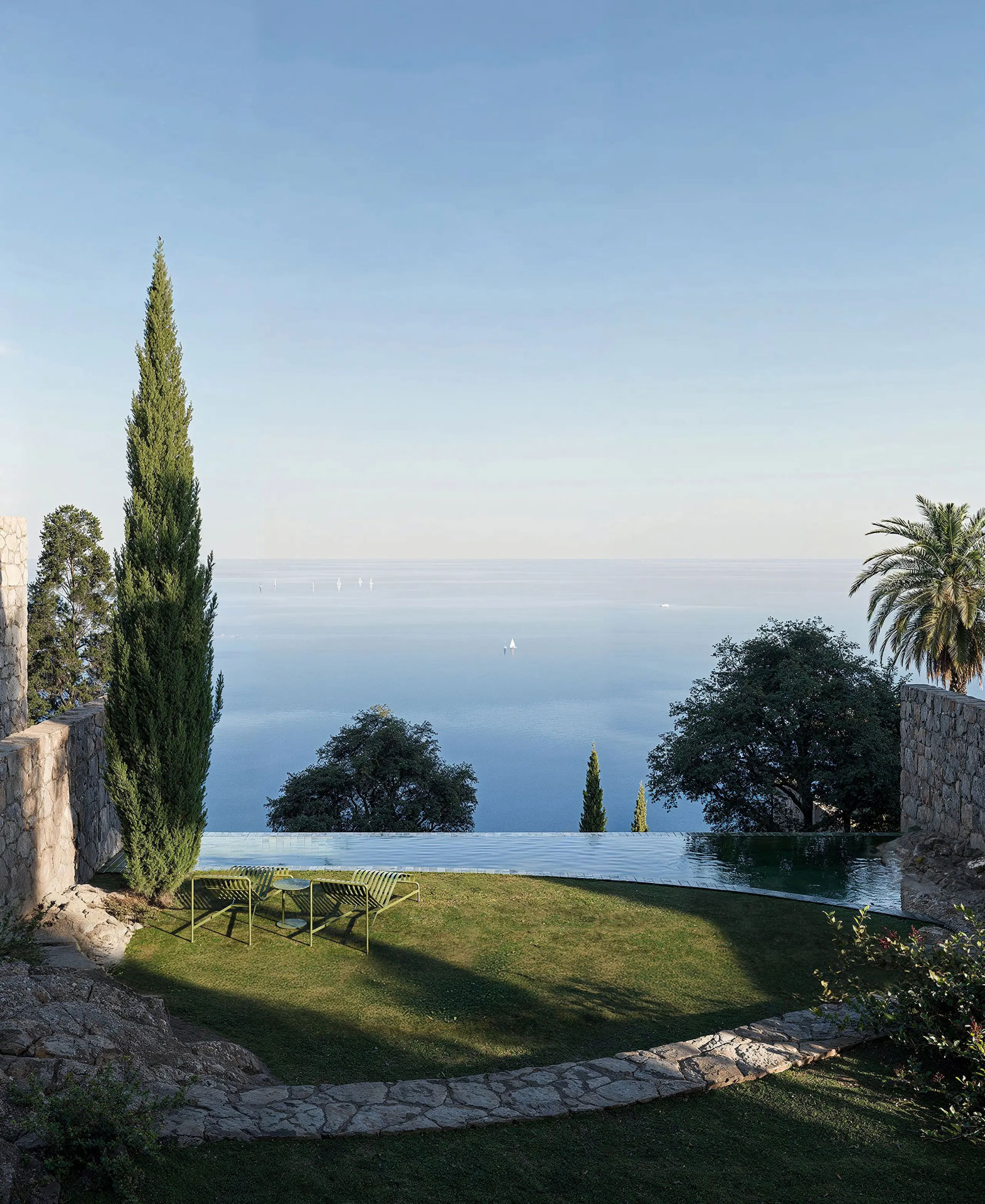
This meticulous attention to detail extends to the vegetation. The design avoids larger trees and respects the existing flora as much as possible. The result combines horizontal platforms with the vertical growth of the buildings. These rise in harmony with the trees, opening up to views of the Adriatic through generous windows, balconies, terraces, and swimming pools.
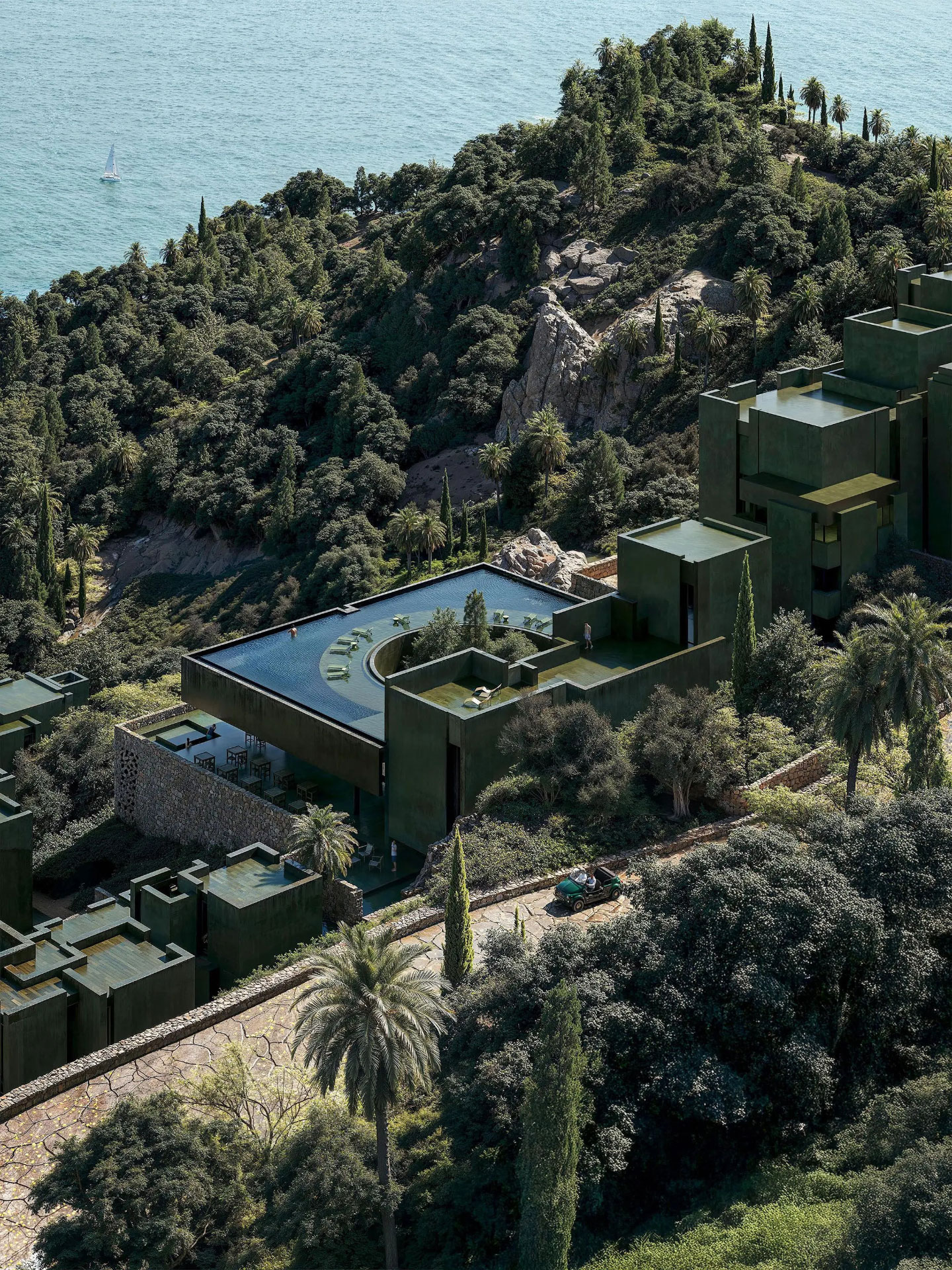
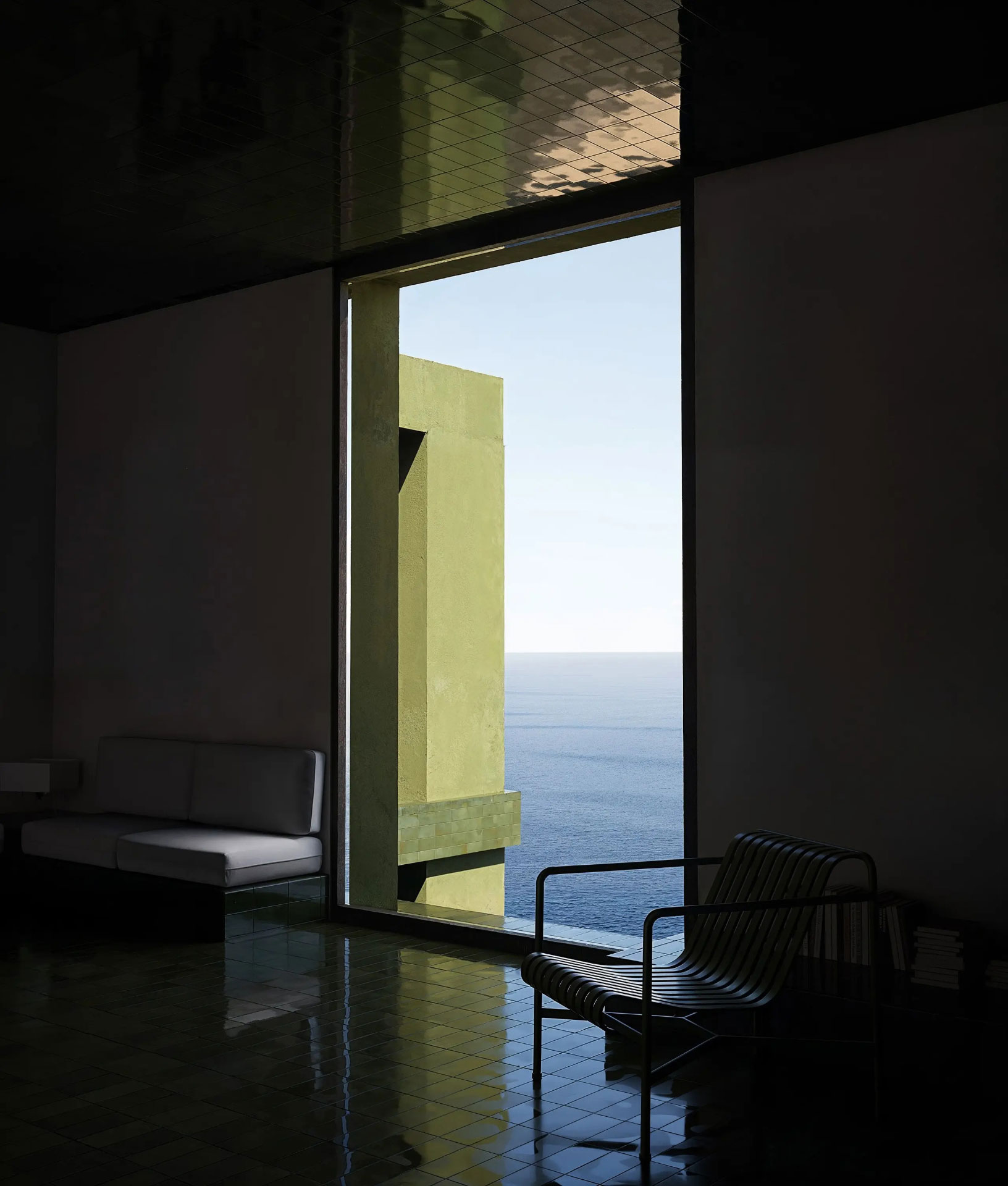
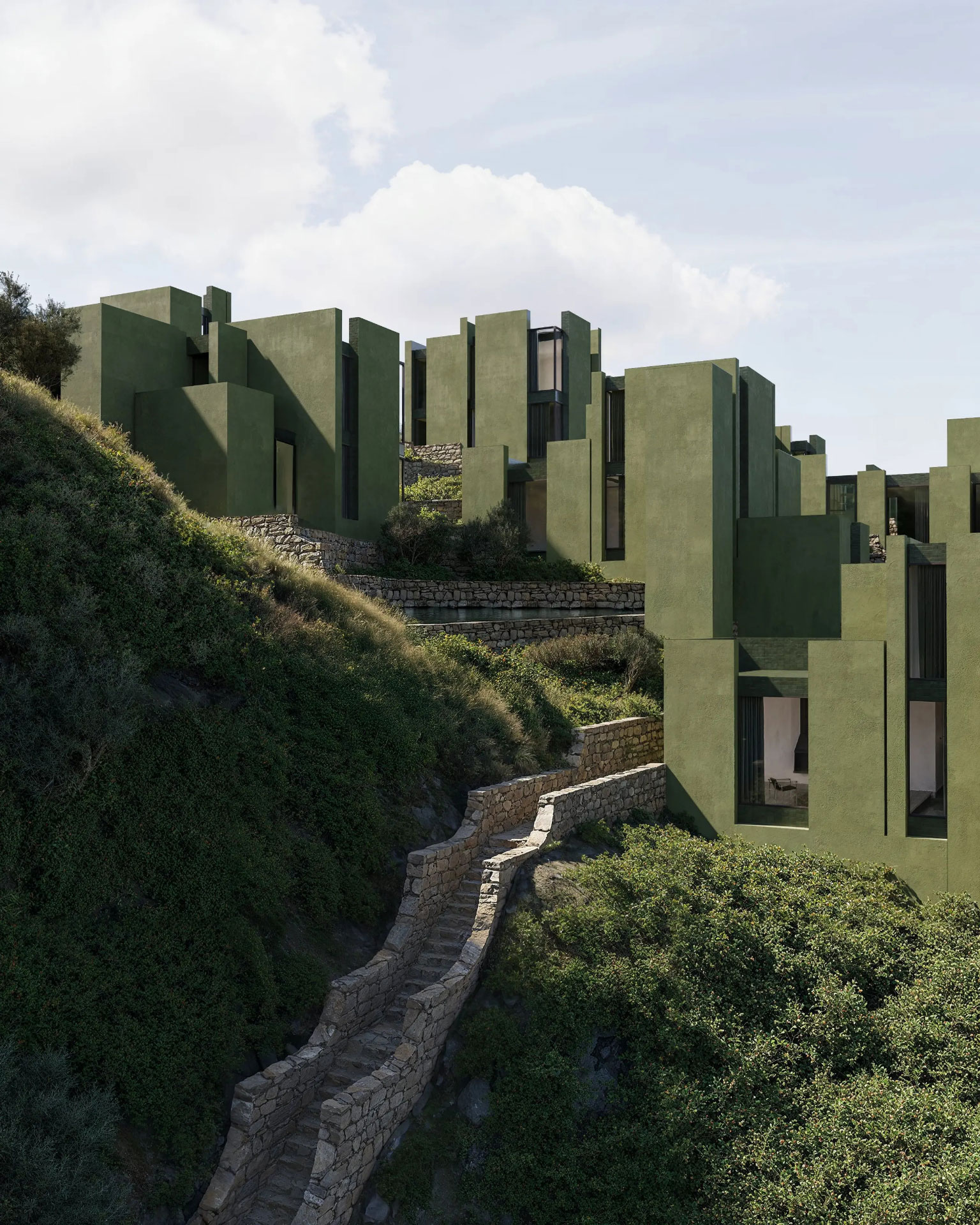
The main community building houses the social club, restaurant, gym, and a series of swimming pools. At its centre, a courtyard breaks with the project’s predominantly rectilinear geometry, curving around a group of centuries-old trees. The overall strategy becomes more explicit in this restrained gesture. As the studio itself notes, “the rationale for the design becomes most apparent, as the architecture sits back to make the landscape the focus.”
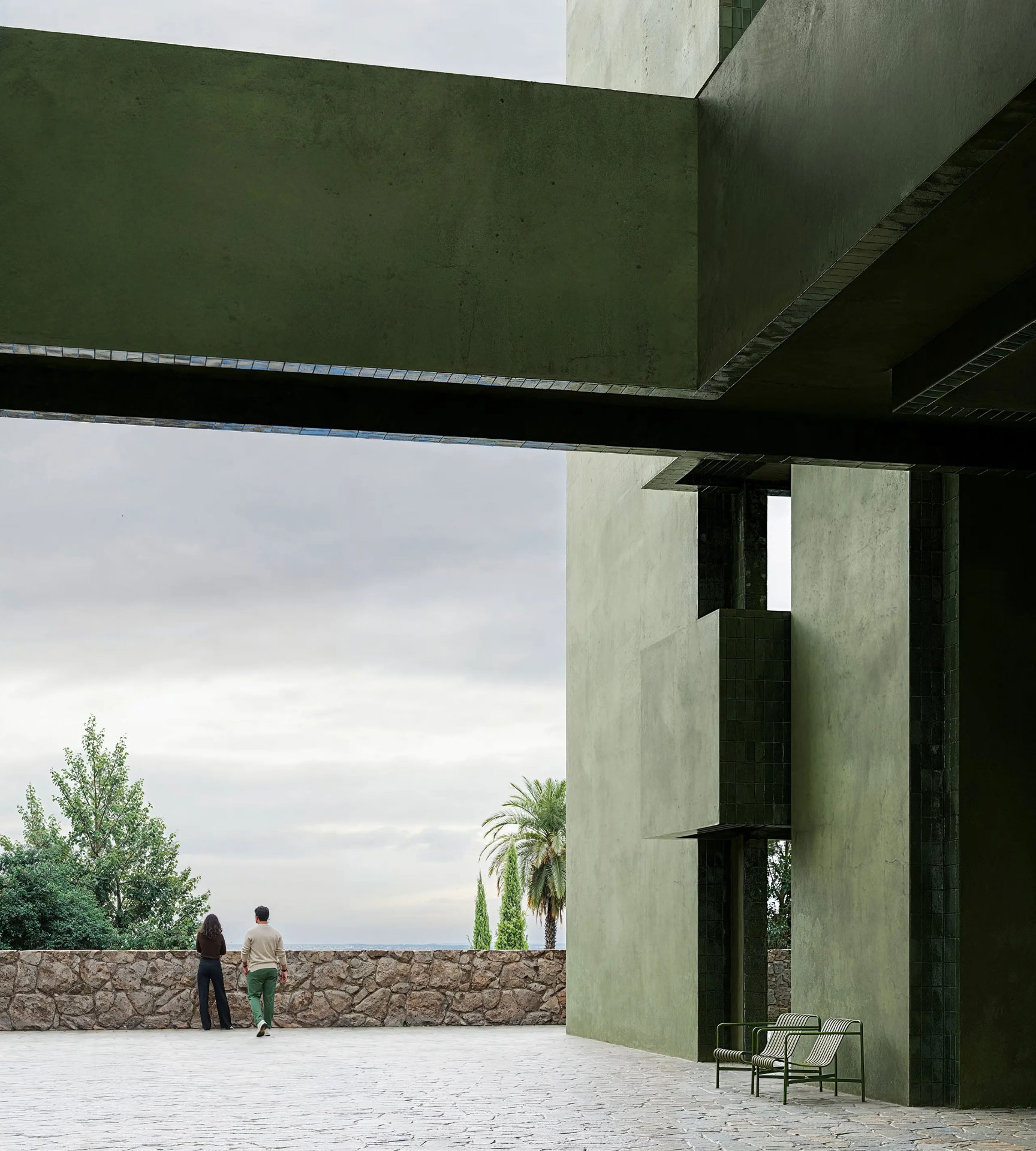
The aim is “to give the whole resort an open and permeable feeling,” or, in other words, to achieve an architecture “that is absorbed into the landscape and perhaps reflects its light and shadow.” Despite the variety of volumes, the complex maintains visual unity thanks to a common façade treatment, executed in concrete and the aforementioned glazed ceramic tiles.
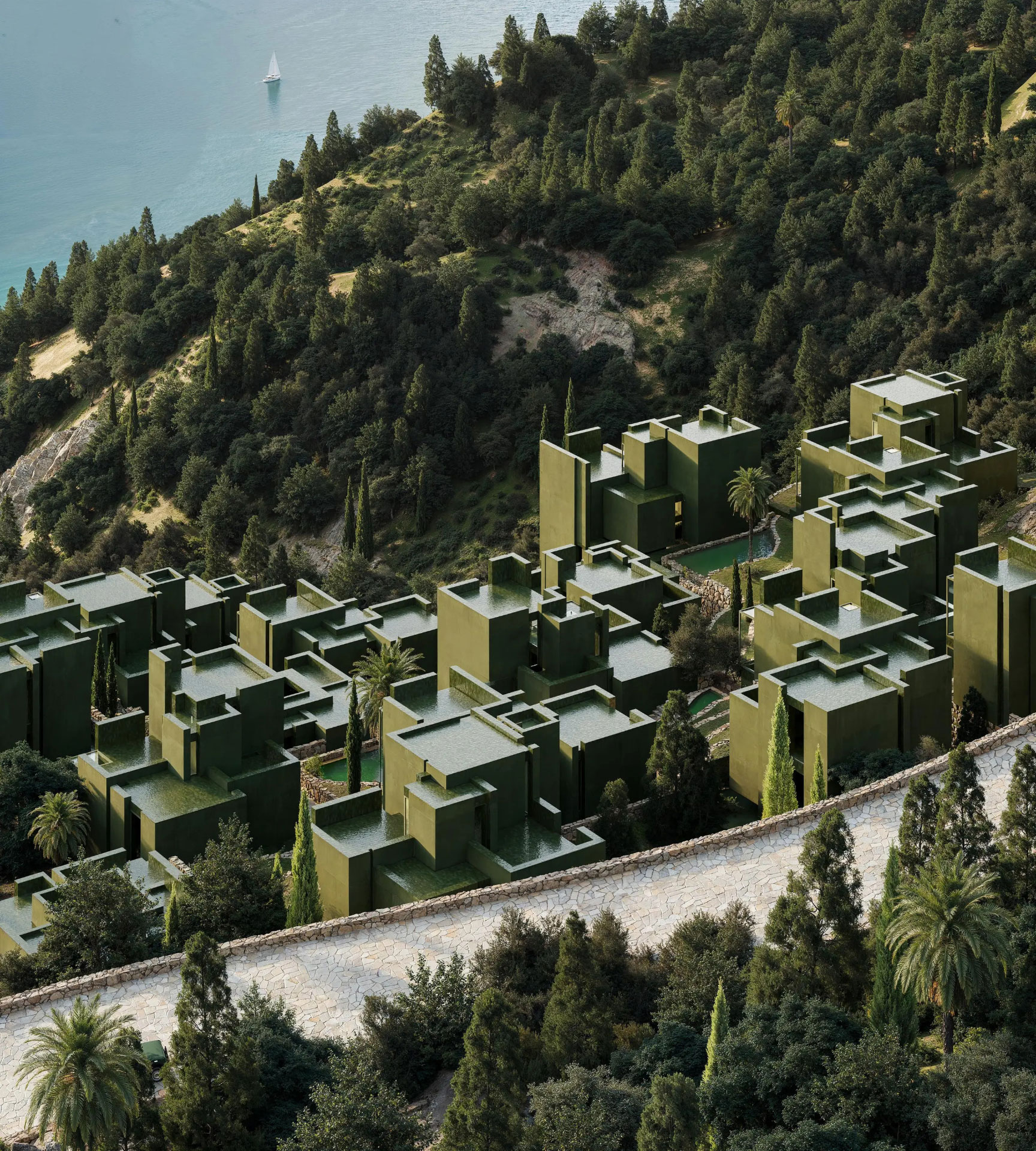
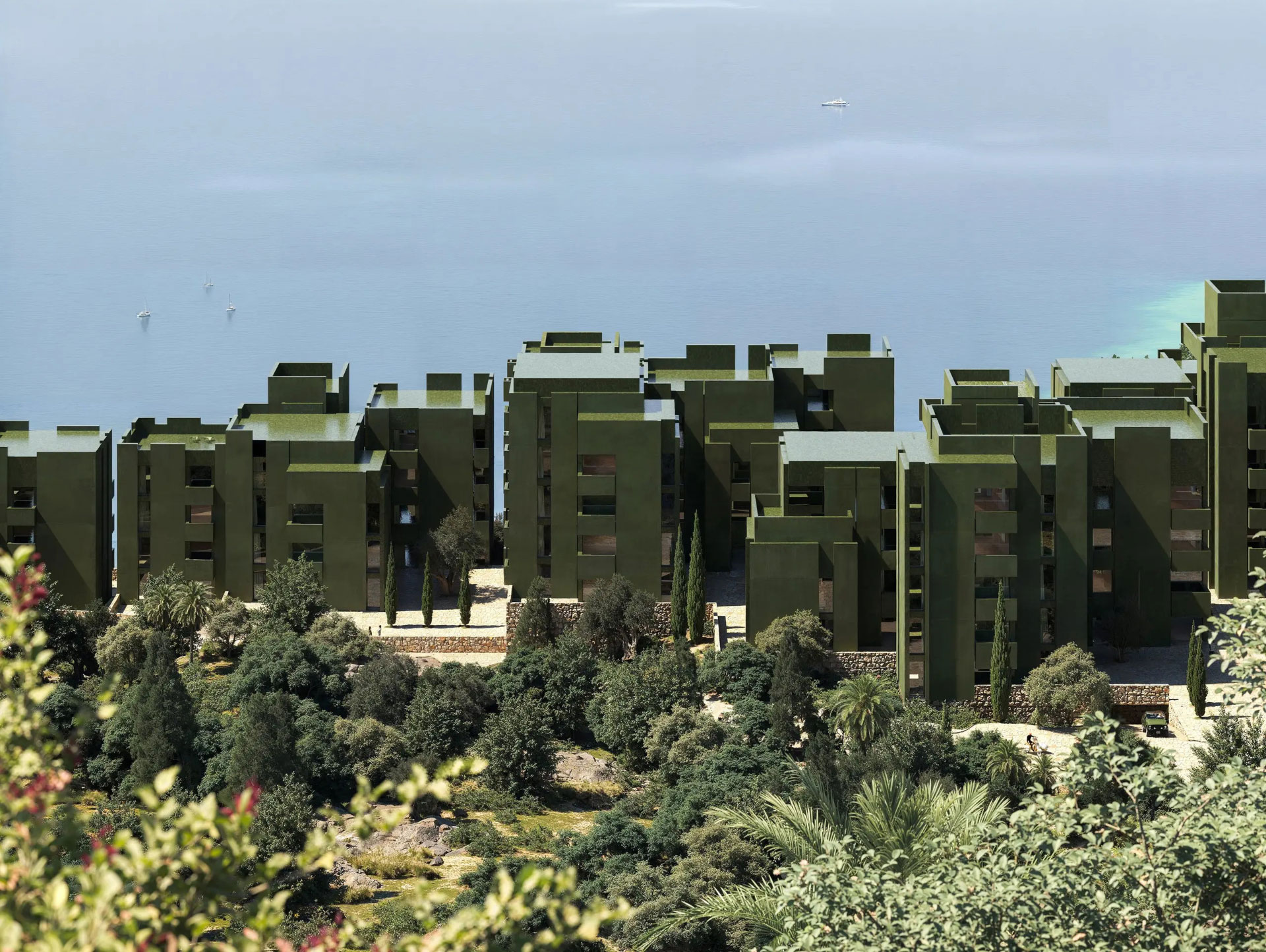
The project is being developed under the direction of Pablo Bofill, with Hernán Cortés and Alborz Mhammadi as design directors. The landscaping is by Vivian Rotie, and the technical coordination is by Bàrbara Gimeno. However, The Veil addresses a common dilemma in contemporary tourist architecture: how to introduce density into a fragile environment without destroying what, precisely, attracts the public.
Sources: Bofill Taller de Arquitectura, Albanian Telegraphic Agency.
Images: Bofill Taller de Arquitectura.