
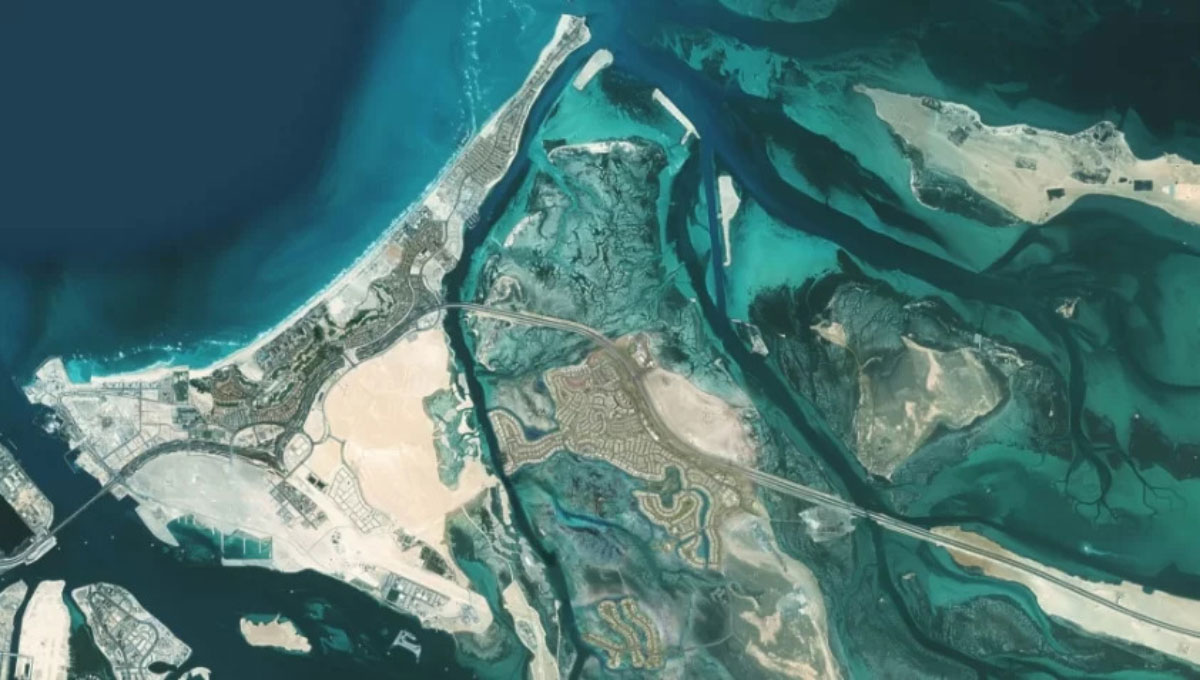
The occasional downpour, sometimes torrential, in places like Abu Dhabi, in the United Arab Emirates, can become a nuisance or, worse, a phenomenon that brings flooding—as indeed happened just a month ago. However, Jubail Island, a waterfront residential development in the city’s Central District, has developed and implemented a simple yet effective water management system, applying a good dose of common sense to ecosystem care and future planning. Let’s see how this smart water management system works.
For years, cities in the region have responded to rainfall events with conventional drainage solutions: pipes, pumping, and asphalt. This is a well-known problem for any operator managing a resort hotel, tourist complex, or residential development in an arid area: when it rains heavily, nothing retains the water, which has nowhere to infiltrate the ground. The ground, sealed by concrete and asphalt, along with the lack of natural vegetation, causes waterlogging, flooding, runoff, and consequently, damage to infrastructure. This is in addition to the waste of a resource that, in any other context, would be welcome.
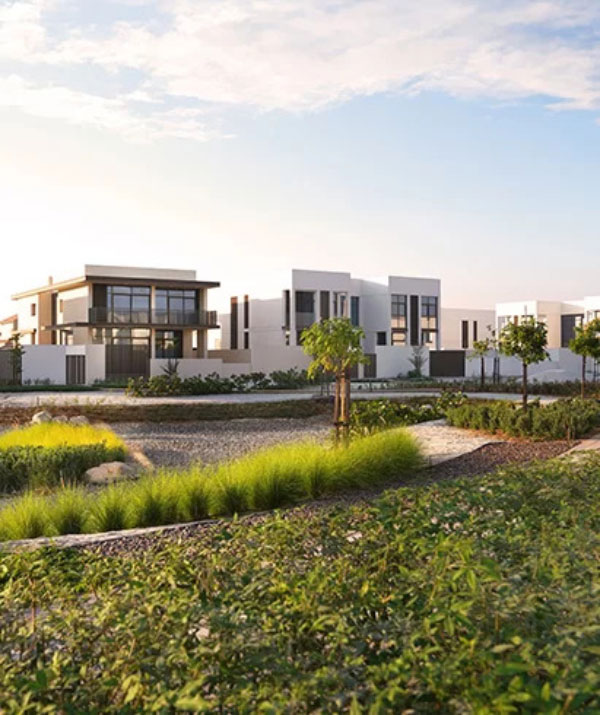
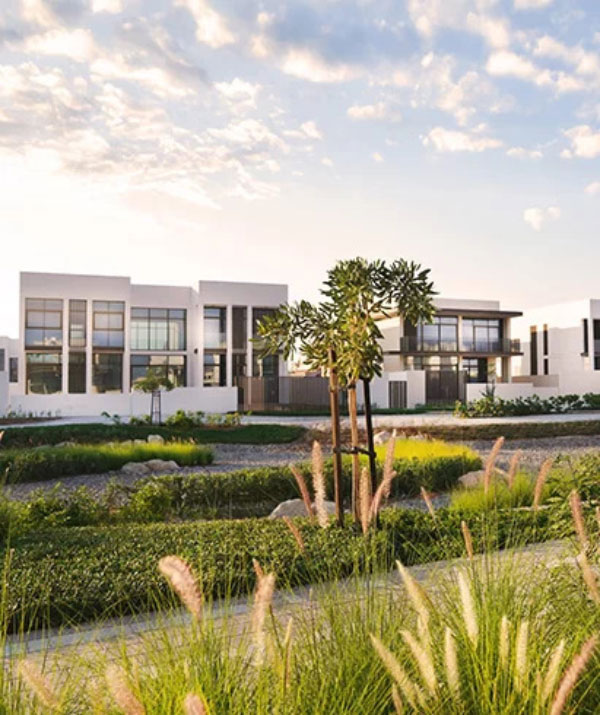
The solution on Jubail Island doesn’t rely on large-scale engineering projects. A series of retention ponds have been strategically placed and integrated into parks and public spaces throughout the island. During episodes of rain, these ponds collect runoff, preventing it from flooding streets or properties and reducing pressure on traditional drainage systems. But that’s not all: over time, the accumulated water slowly infiltrates the ground.
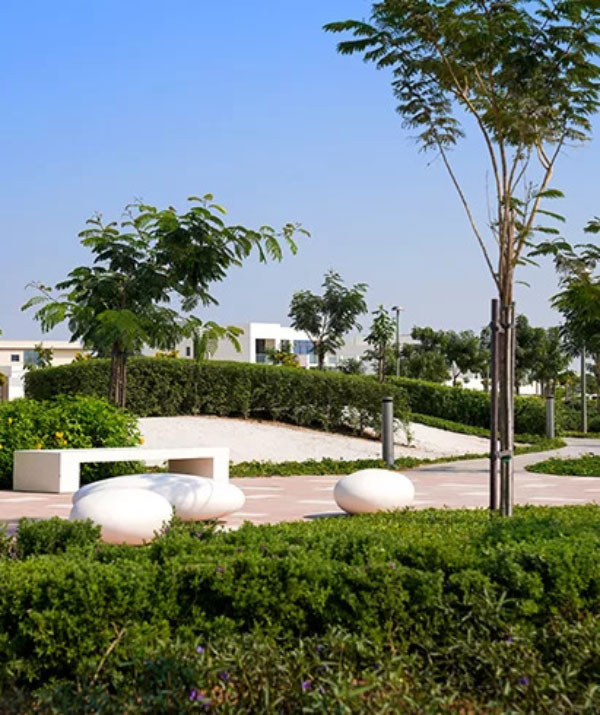
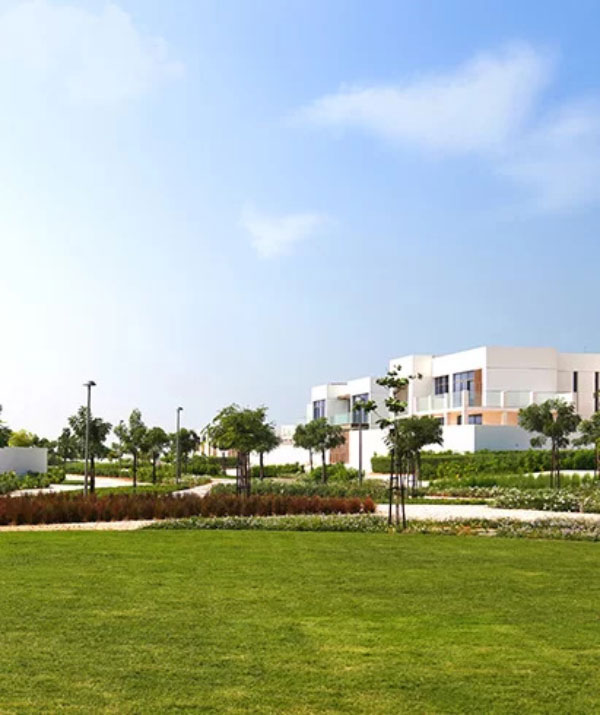
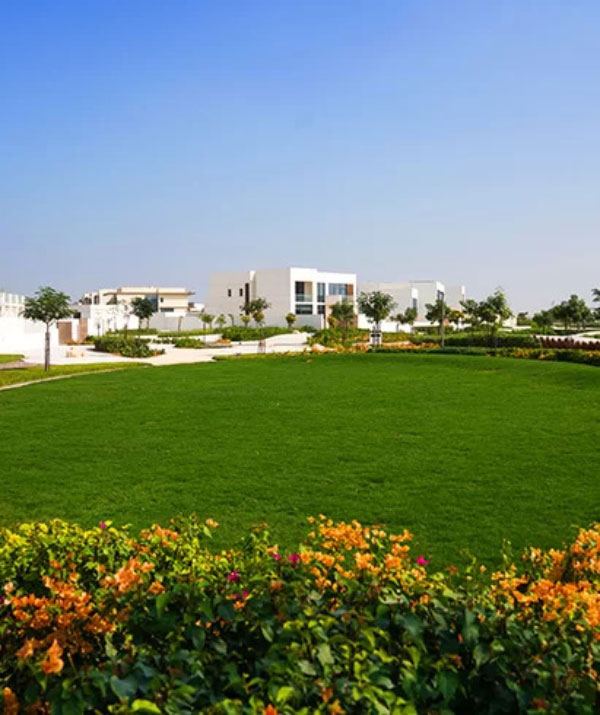
This process of water retention and aquifer recharge simultaneously nourishes native vegetation and contributes to the ecosystem of the mangroves that border the island. In this way, rainwater—once seen as a nuisance—becomes an active resource for natural irrigation and for reducing dependence on treated water or water from desalination plants. The cycle is completed with an additional benefit: when it’s not raining, the ponds become part of the landscape. They bring freshness to the atmosphere, scenic richness, biological activity, and a pleasant meeting place for residents and visitors.
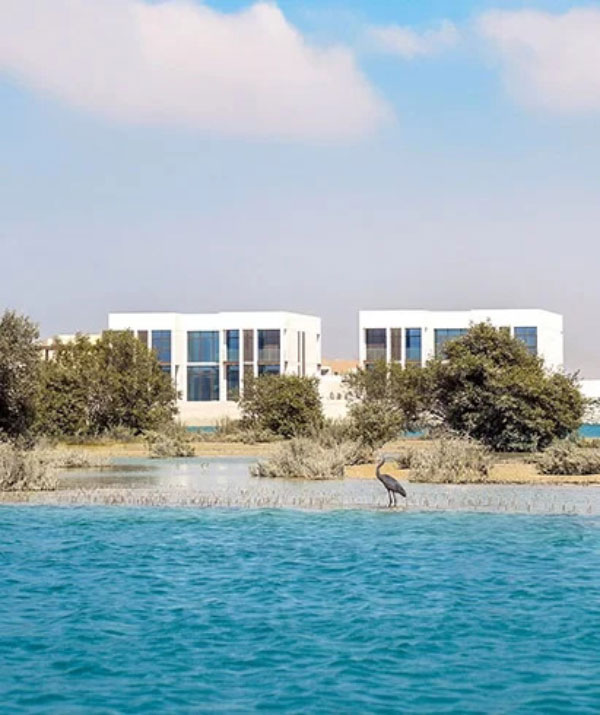
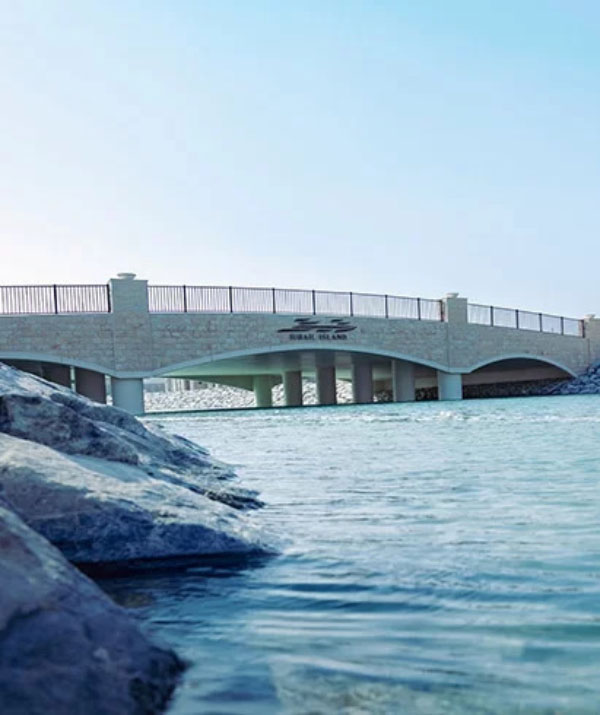
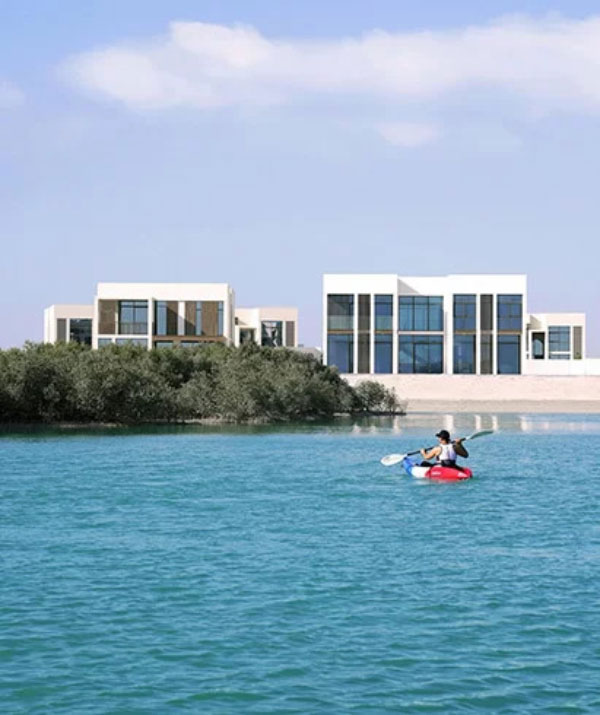
From the perspective of the hospitality and leisure industry, these types of solutions have immediate practical implications. A resort hotel or tourist complex that integrates similar systems will reduce its green space maintenance costs, minimize operational risks during heavy rains, and offer a more stable and attractive environment for its guests. But there is also a strategic aspect: travellers value accommodation that demonstrate responsible water and environmental management.
The Jubail Island system is neither a rarity nor an experiment. It’s part of a broader trend in urban planning that views infrastructure as an opportunity to improve environmental resilience and, consequently, the quality of life for guests and residents. For architects and designers, there’s a clear lesson: working with the natural water cycle, however limited it may be in arid climates, requires observing the land, understanding its rhythms, and avoiding the temptation to solve everything with larger pipes. For tourism professionals, Jubail Island demonstrates that sustainability doesn’t have to compromise comfort, and that good water management can be, beyond its necessity, a valuable selling point for the contemporary traveller.
Sources: Construction Week Online, Gulf News, LEAD Development, El Correo del Golfo.
Images: LEAD Development.