
Universal Parks & Resorts is reportedly in the early stages of planning to build a new theme park in Saudi Arabia, according to recent reports in the Wall Street Journal and other specialised media outlets. This move, which has not yet been officially confirmed by the company, could spark a new rivalry with Disney in the booming Middle East region.
A theme park project in its early stages
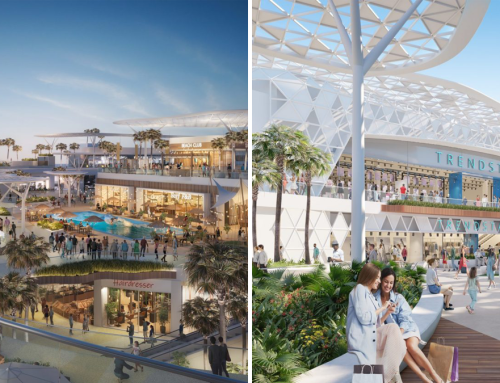
According to available sources, Comcast Corporation—owner of Universal Parks & Resorts through its subsidiary NBCUniversal—has begun initial conceptual designs for a theme park that will likely be financed by an entity backed by the Saudi government as part of a licensing agreement. This model, which would not require an initial capital investment from Universal, is similar to the one adopted by Disney for its future Disneyland Abu Dhabi, announced earlier this year.

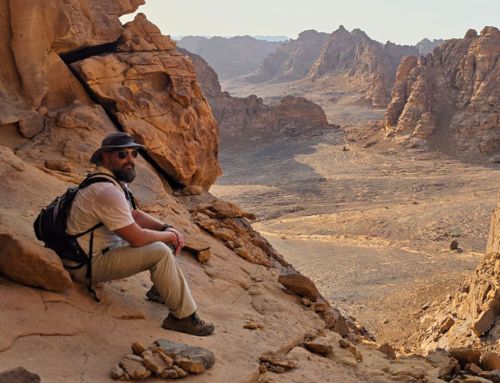
The possible location for Universal’s new theme park would be Qiddiya, an entertainment and sports “city” located about 40 km southwest of Riyadh, the capital of Saudi Arabia. Qiddiya is home to the recently opened Six Flags Qiddiya theme park (December 2025), as well as future attractions, including a theme park inspired by the Dragon Ball Z anime series and a water park.
The race for the Middle East: Universal vs. Disney
The news comes at a time of expansion for Universal, which recently opened Epic Universe in Orlando, United States, and has projects underway in Texas, Chicago and the future Universal United Kingdom Resort, scheduled for 2031, which would be the company’s first theme park in Europe.

Disney, for its part, had already announced its own advance in the region with Disneyland Abu Dhabi in the United Arab Emirates. This project, also in the development phase, will not involve any direct expenditure for the company, as it is being financed and operated by the local Miral Group.
This licensing strategy seems to be establishing itself as the preferred model for entering markets with high potential but also with operational risks. Both companies thus avoid taking on the initial financial burden, while obtaining a recurring revenue stream from royalties, as is the case with Tokyo Disney Resort, operated by Oriental Land Company.
Economic context and challenges
Saudi Arabia’s interest in attracting major entertainment brands is part of its Vision 2030 strategy, which seeks to diversify an economy traditionally dependent on oil. Theme parks are emerging as a key resource for boosting tourism and projecting an image of modernity and openness.
Universal Parks & Resorts has previously attempted to establish itself in the Middle East with Universal Studios Dubailand, a project that began in 2008 and was cancelled after the global financial crisis. This time, however, the context is different: local financial backing appears more solid, and international acceptance of investment in the region has been growing, partly due to the normalisation of trade agreements.

Although Universal usually announces its projects when they are more advanced, everything points to this initiative finally coming to fruition. The rivalry with Disney adds a fascinating strategic component: both giants are seeking to capture a growing market, without taking on direct financial risks, in a region that is eager to establish itself as a global centre for entertainment, leisure and tourism.
Sources: Reuters, Wall Street Journal, Disney Tourist Blog.
Images: Universal Destinations & Experiences.