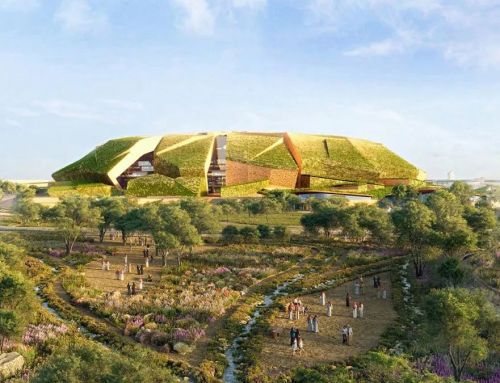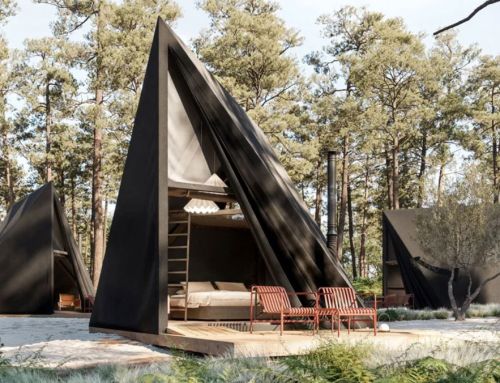

For decades, steel and concrete have been the sole language of our cities’ architecture. Cold, inflexible, solid… And then, suddenly, timber construction burst onto the scene, using cross-laminated coniferous panels bonded under high pressure. But this was not merely a new material in architecture; it represented an ecological promise to alleviate the industrial footprint of large metropolises.
Today, that initial enthusiasm is coming up against a more complex reality: fragile supply chains, strict fire safety regulations and high costs. And although numerous impressive timber towers already dot the urban landscape in cities from Oslo to Portland, large-scale architectural projects built from timber remain the exception rather than the rule.
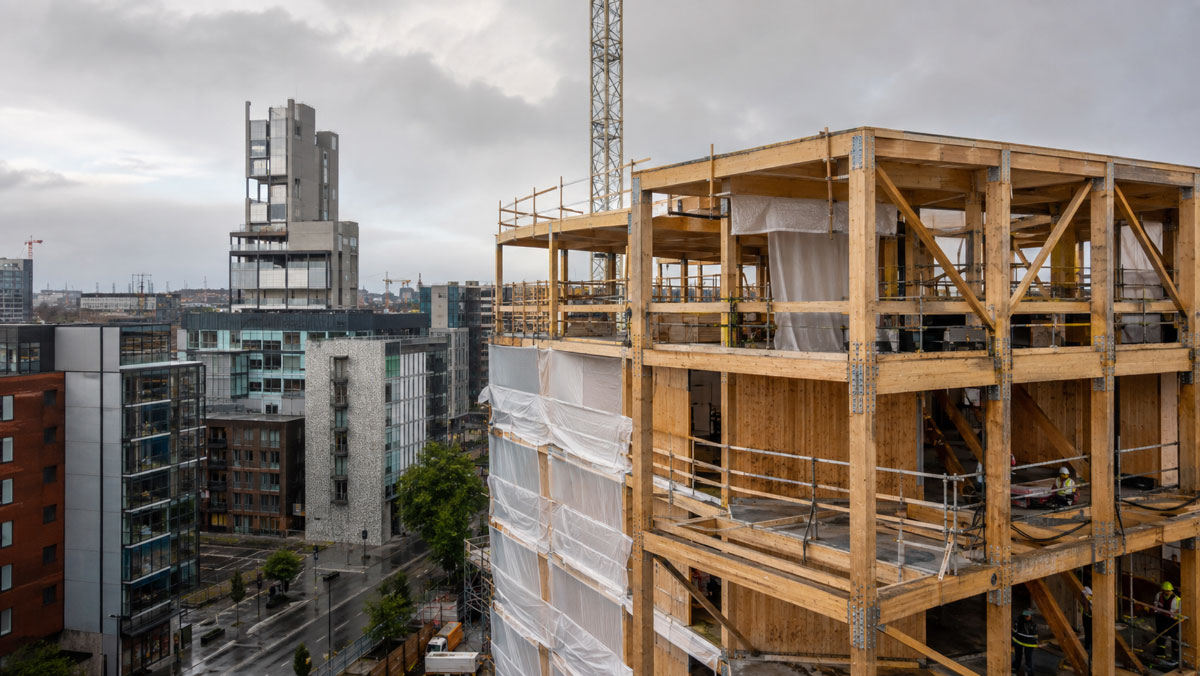
The fact is that, following those experiments in timber architecture, we are now witnessing an inevitable technological restructuring. The actual industrial capacity for constructing timber buildings has its limits, even though the environmental urgency that drove it remains undiminished.
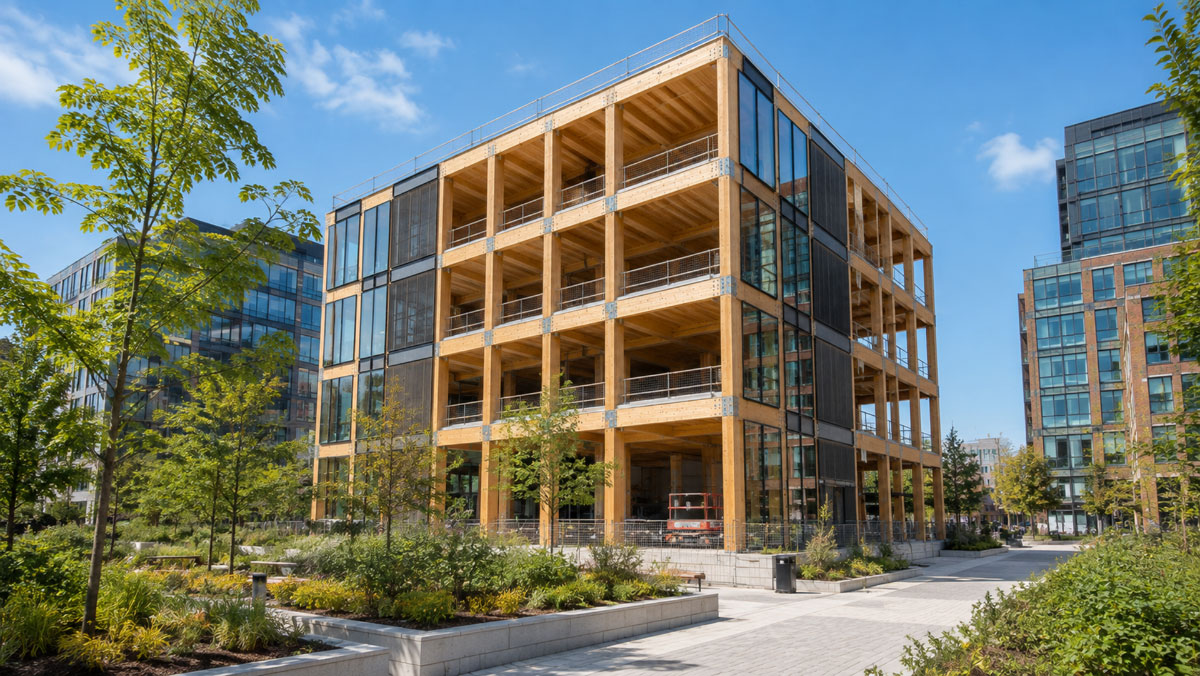
Progress takes time, and timber demands a level of patience that does not sit entirely well with today’s property market pressures. We can safely say that timber in architecture and construction will not dethrone steel overnight. However, it does prompt a healthy reflection on the way we inhabit the planet.
By Manolo Barberá, senior hydraulic modeller in the Architecture Department at Amusement Logic