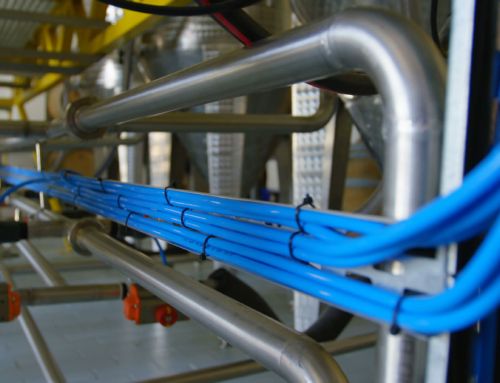

A key factor in the success and profitability of a water park depends not only on what visitors see, but also on what remains hidden: the ‘backstage’ areas, that is, the technical service and operations areas. These form the park’s nervous system, an absolutely essential part of ensuring that everything runs smoothly.
Indeed, a water park relies on complex technical systems: pumping and filtration, chemical and sanitary water control, electrical installations, structural maintenance of the attractions, and a long list of equipment. If access to this equipment and these systems is not properly planned during the design of the water park, any incident can result in partial closures, delays in opening, unexpected interruptions and, worse still, a negative perception on the part of the visitor.
Conversely, well-designed and efficiently laid-out technical installations will facilitate swift preventive maintenance and rapid response, thereby ensuring operational continuity even at peak times. Internal staff circulation routes, separate access points for suppliers to avoid interference with visitor flows, appropriately sized storage areas, and the organisation of technical zones based on functionality are just some of the issues that water park design must take into account.
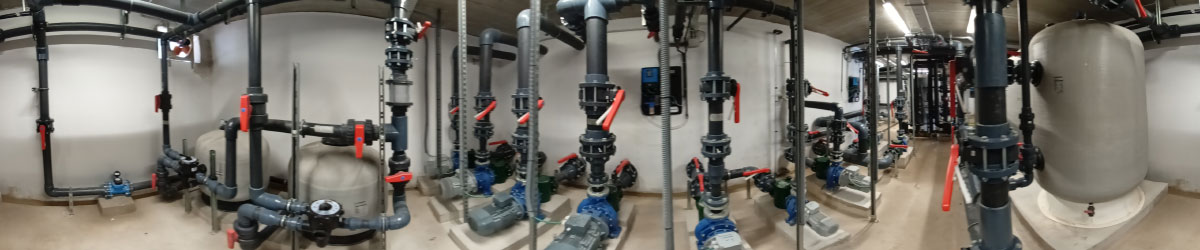
Furthermore, designing these service areas correctly lays a solid foundation for future phases of development and/or expansion of the water park. New attractions can then be incorporated without operational issues, and the technical infrastructure will adapt easily to the park’s evolution.
All of this translates into a reduction in the water park’s annual operating costs and, consequently, an improvement in its operating margin. In short, what the visitor does not see is, paradoxically, what contributes most to making their experience perfect.
By Ángel Ibáñez Pérez, Senior MEP Engineer in the Architecture Department at Amusement Logic