
At numbers 68–69 Via Garibaldi, in the heart of Rome’s Trastevere district, Villa Lontana has opened a new space: Bar Far. It is neither a conventional exhibition gallery nor a typical commercial venue; it is both at once — an artistic installation and a functioning bar, conceived by artists Clementine Keith-Roach and Christopher Page. The initiative extends Villa Lontana’s line of work, a non-profit project dedicated since 2018 to “exploring the intersections of ancient and contemporary practices in visual arts and sound”.
From the joint work of Keith-Roach, a sculptor, and Page, a painter, emerge pieces that explore the construction of new worlds upon the remnants of the old. At Bar Far, this exploration takes the form of a walkable space — an interior, even an exercise in interior design — an inspiring environment with a unique theming. This theming does not merely decorate the rooms; it animates them from within, drawing on elements of ancient Roman and Baroque tradition, while also evoking the legendary artistic bars of the 20th century: Cabaret Voltaire, London’s Colony Room, or the Caffè Greco frequented by De Chirico.
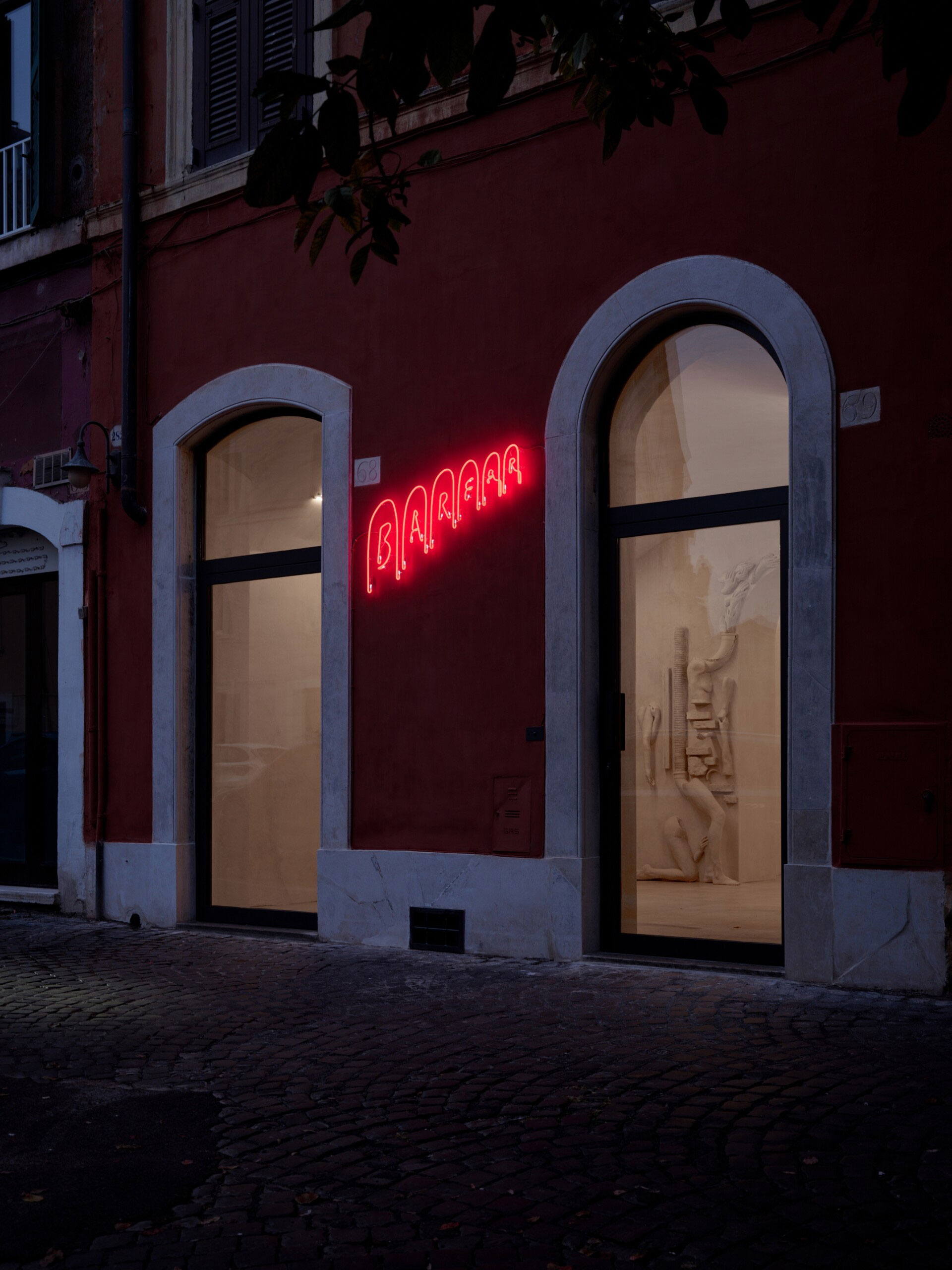
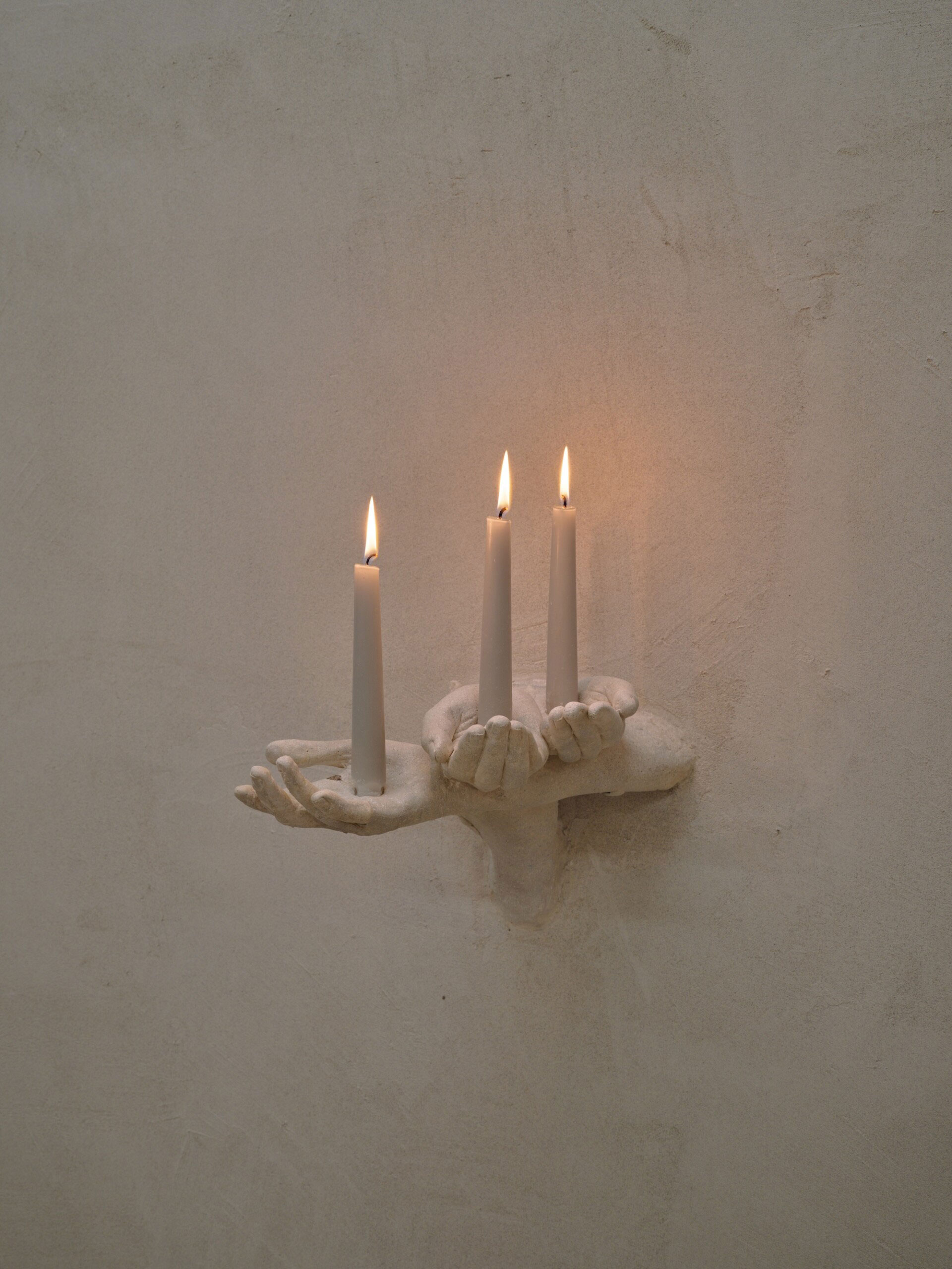
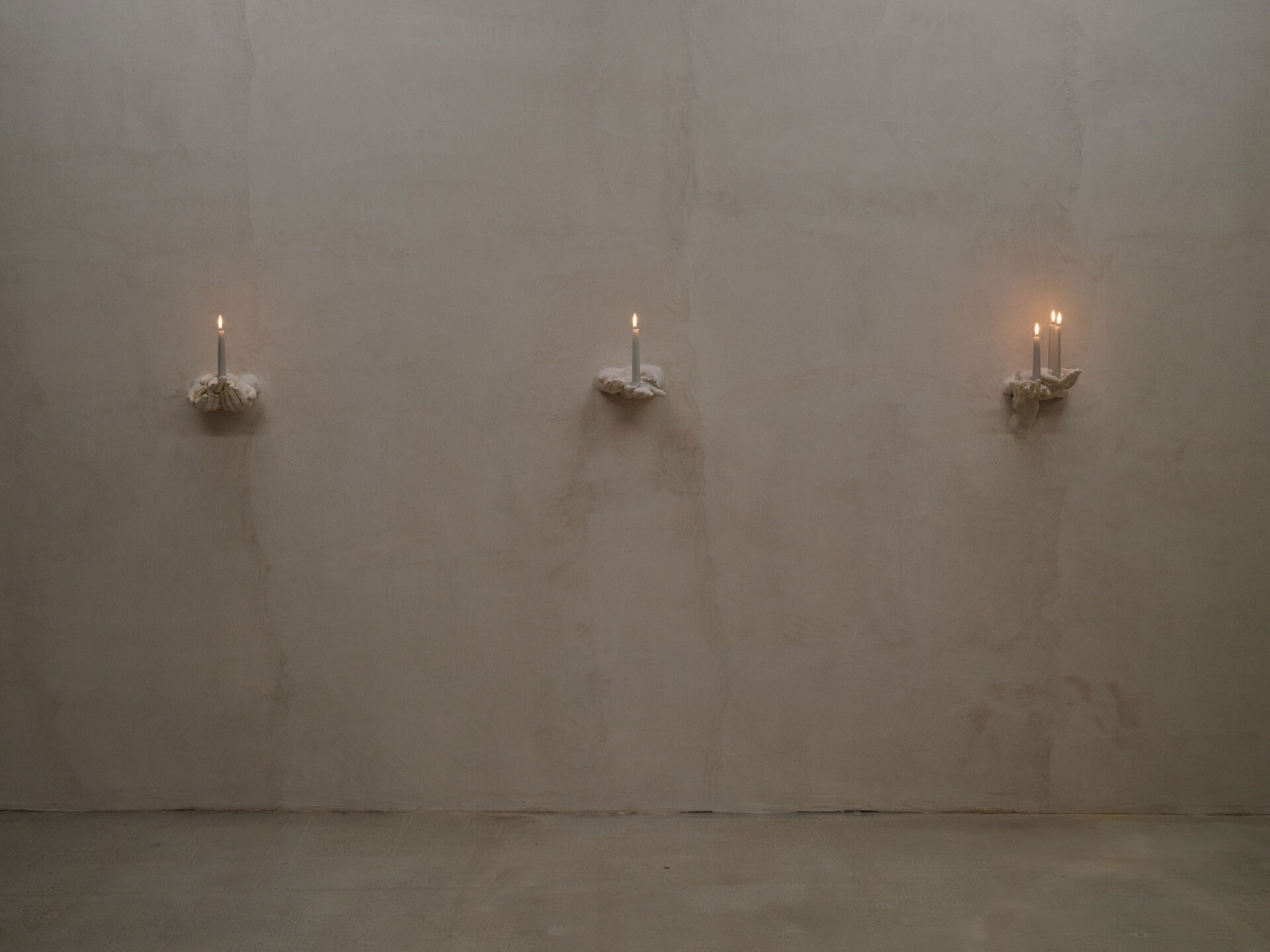
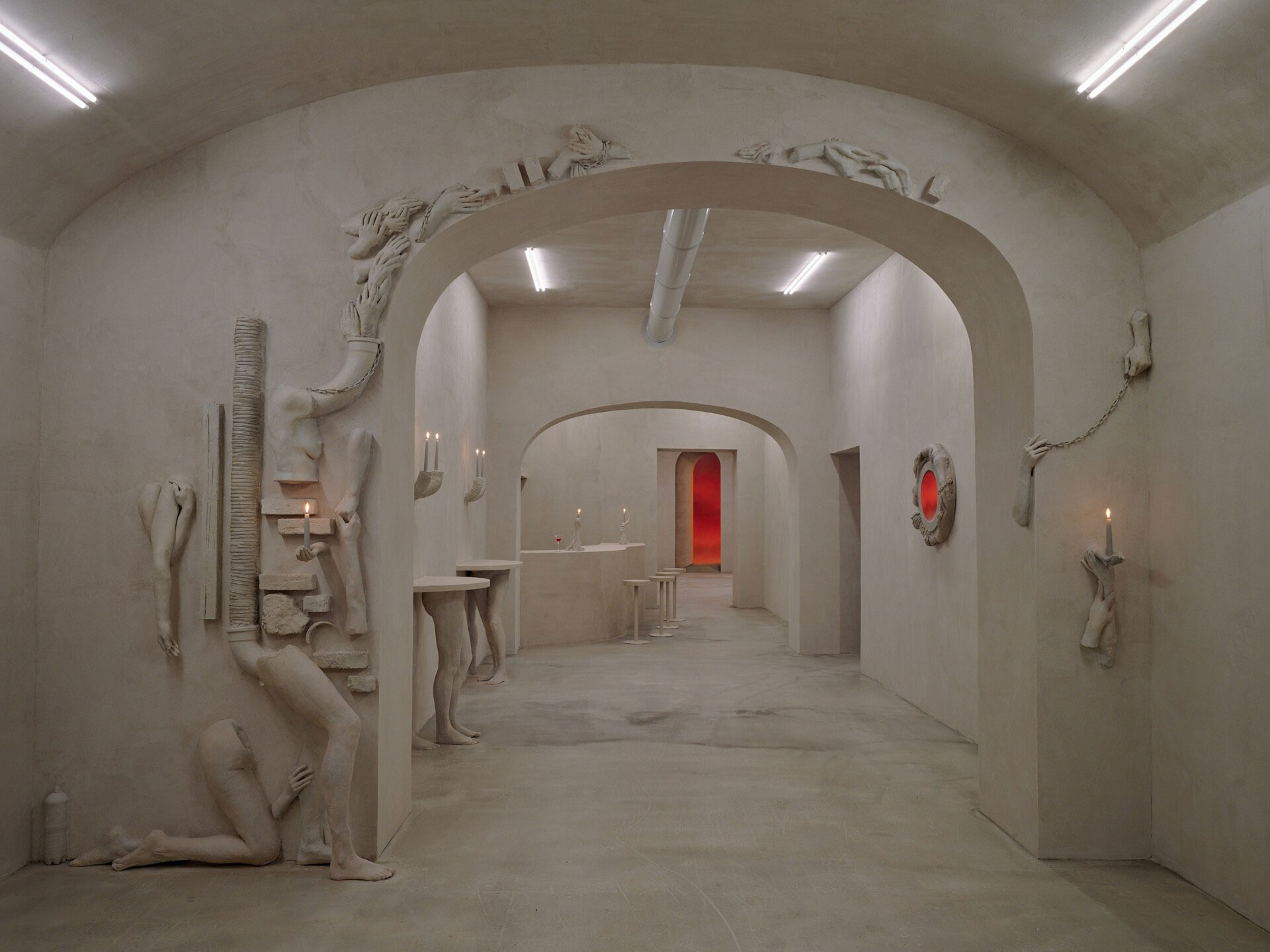
Those who step through the doors of Bar Far find themselves enveloped in an unsettling, somewhat paradoxical atmosphere. The extreme architectural sobriety — the result of the refurbishment carried out with Studio Strato — coexists with flashes of a bleeding future, but also with echoes of an ancient, almost perverse splendour. The interior materiality takes on a human, almost spiritual dimension; the walls seem to breathe, and one half expects to receive a cold embrace, as sudden as it is unsettling, upon leaning against them.
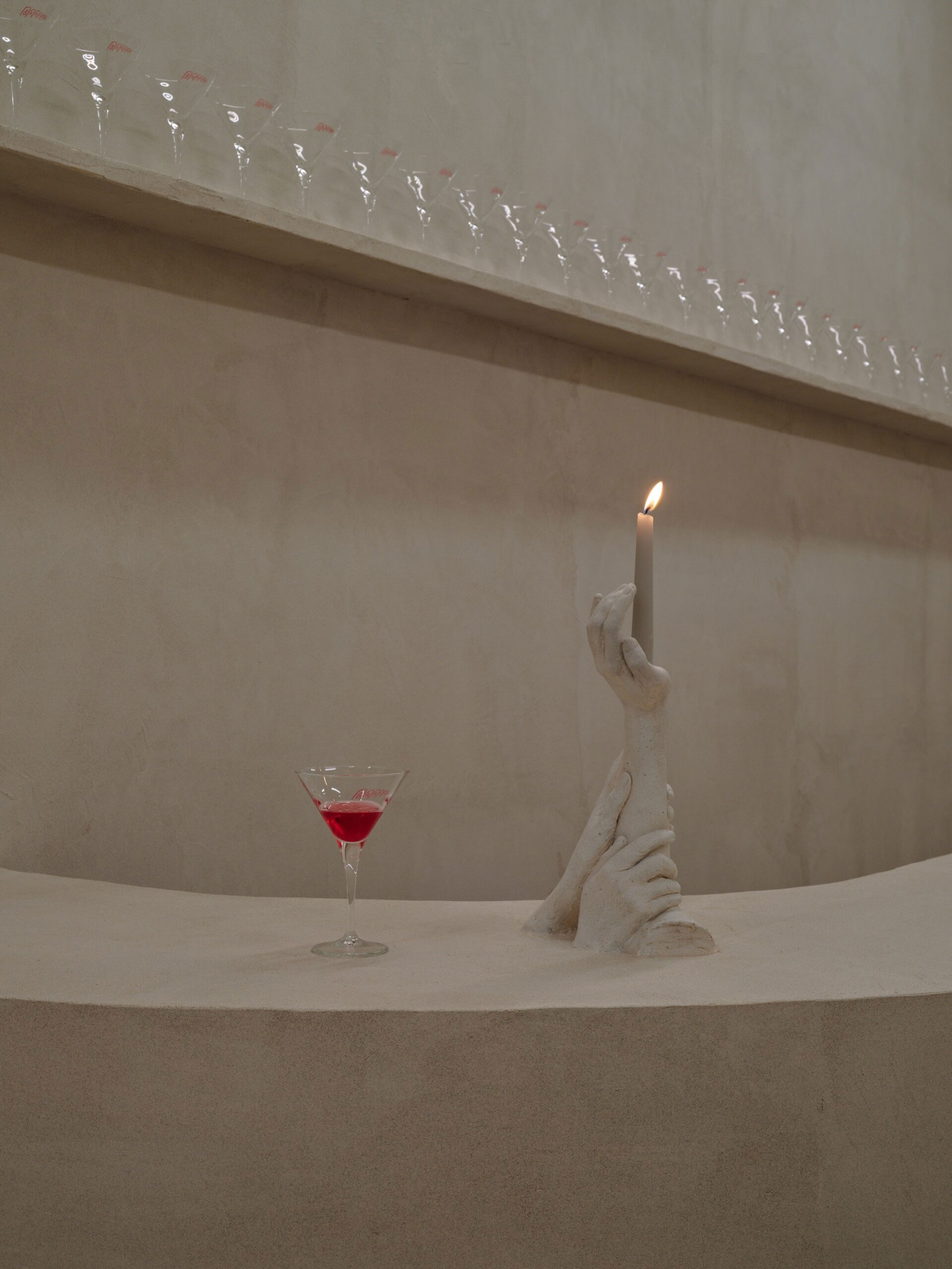
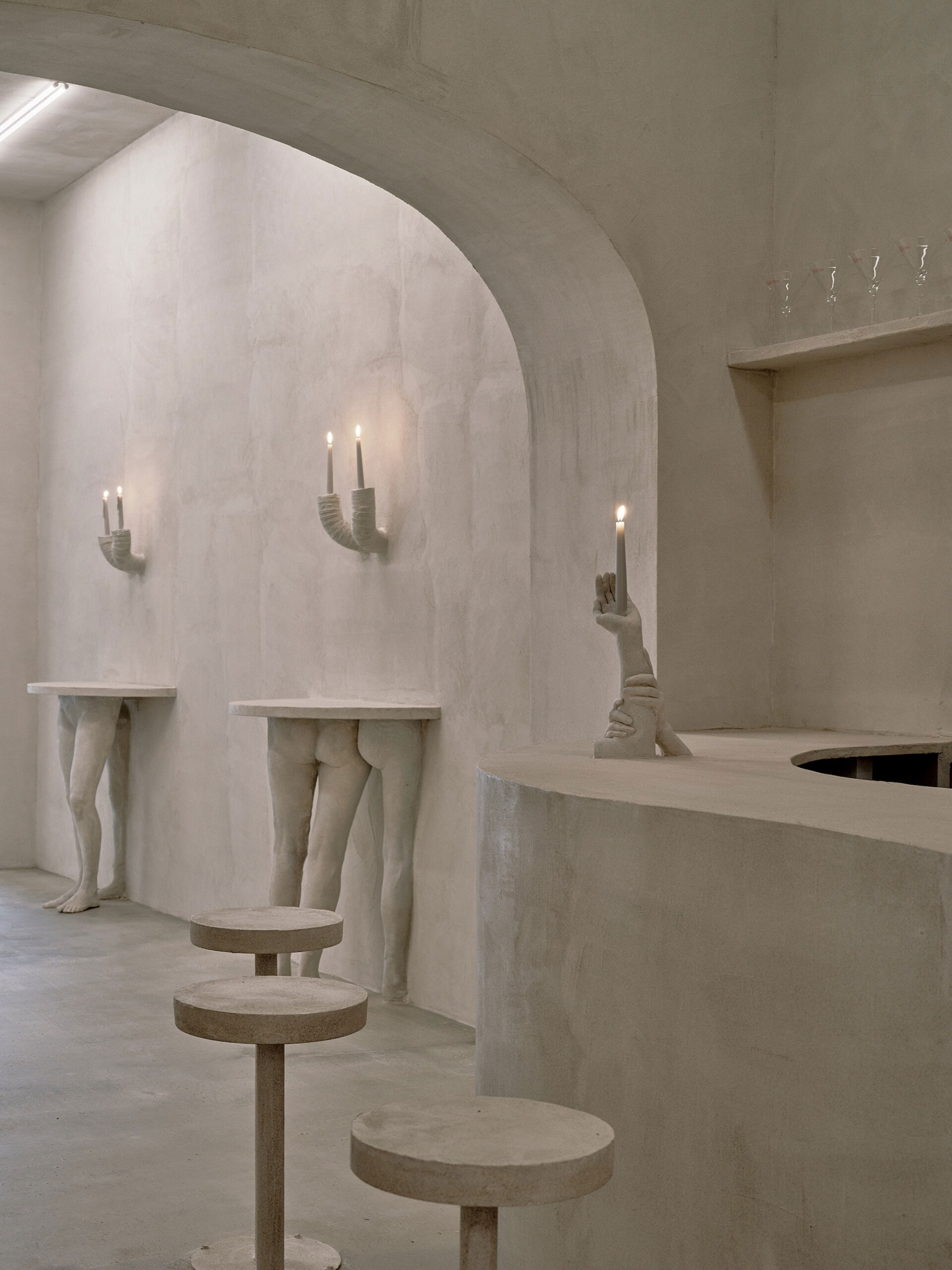
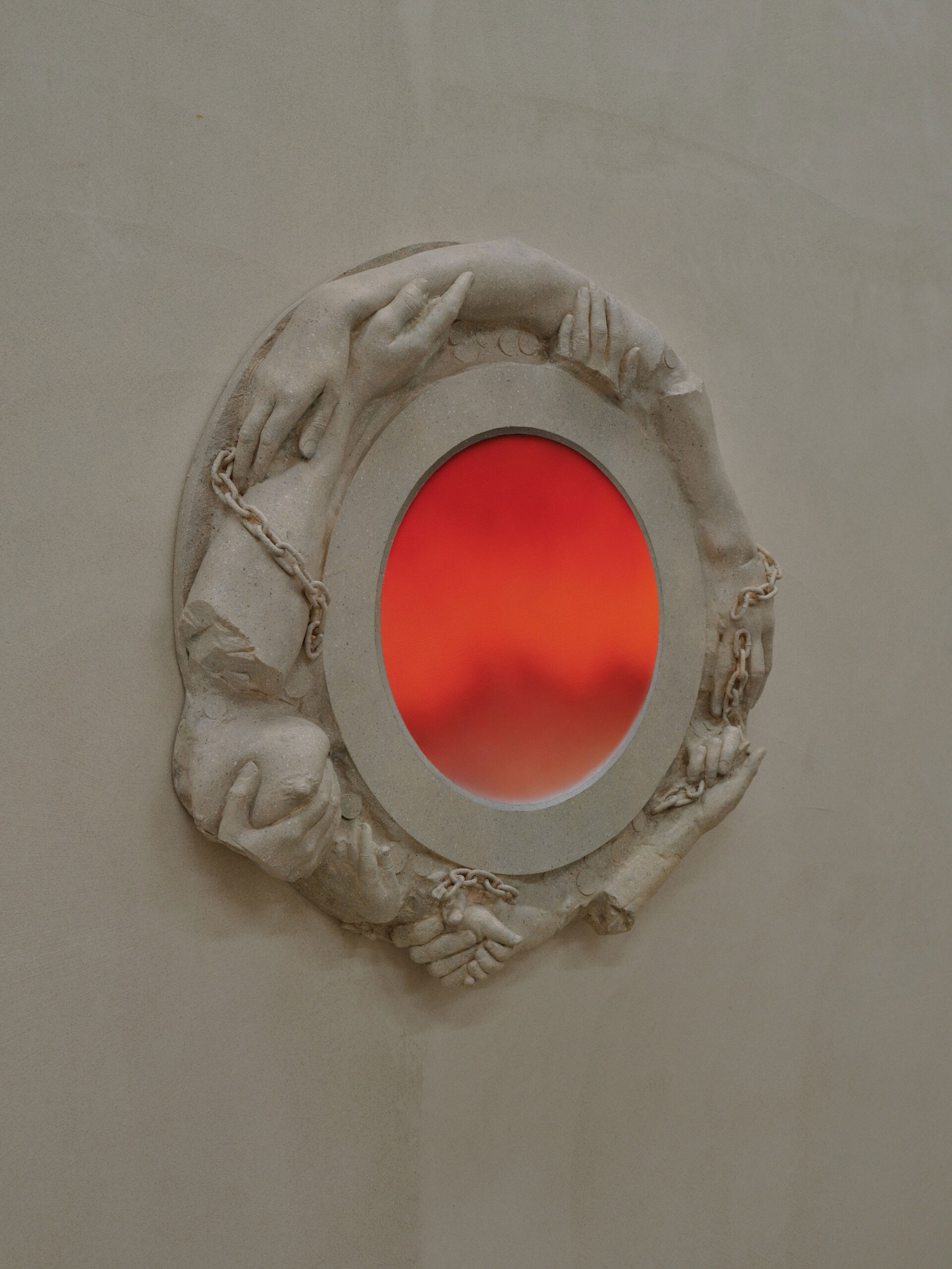
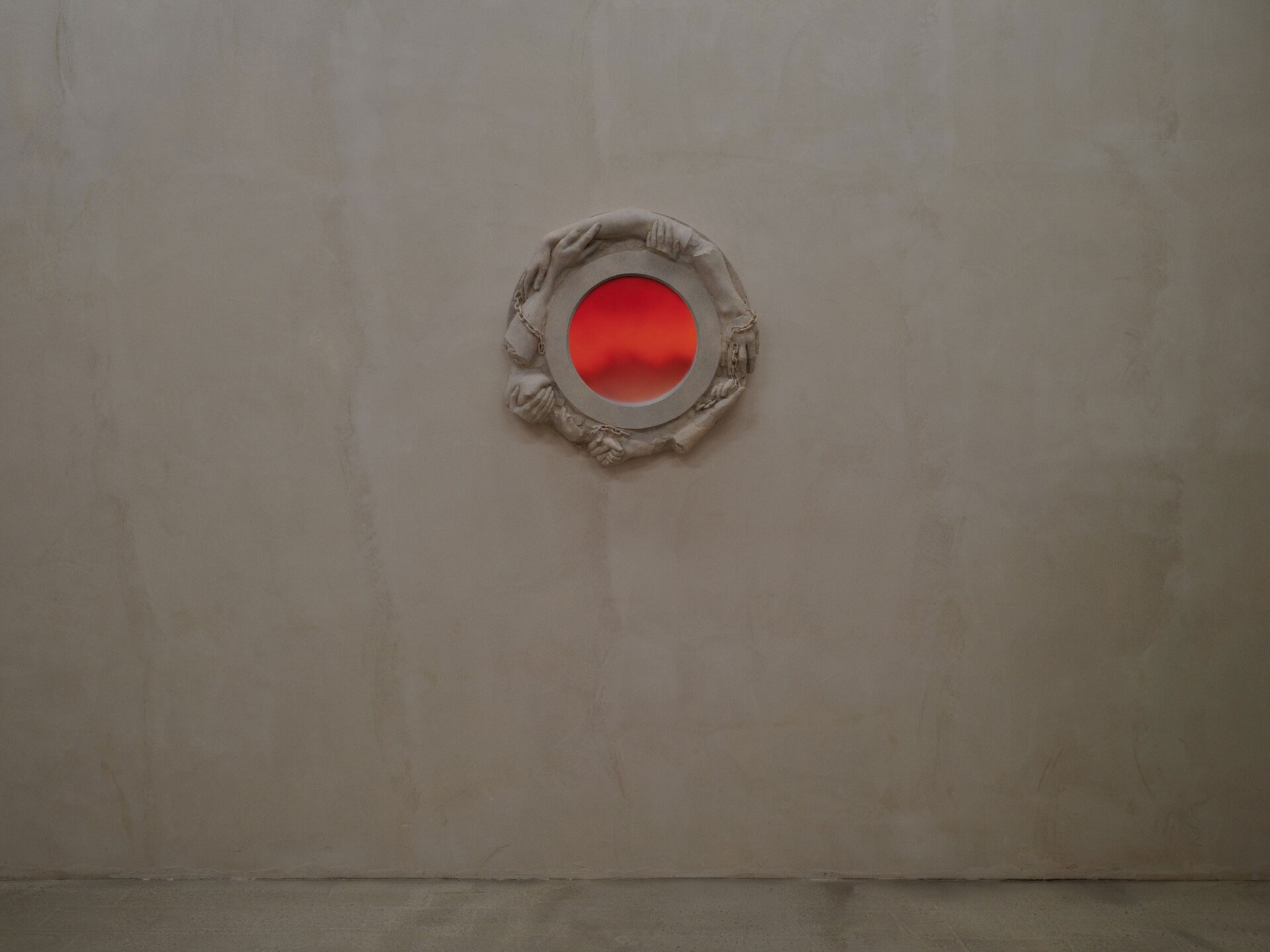
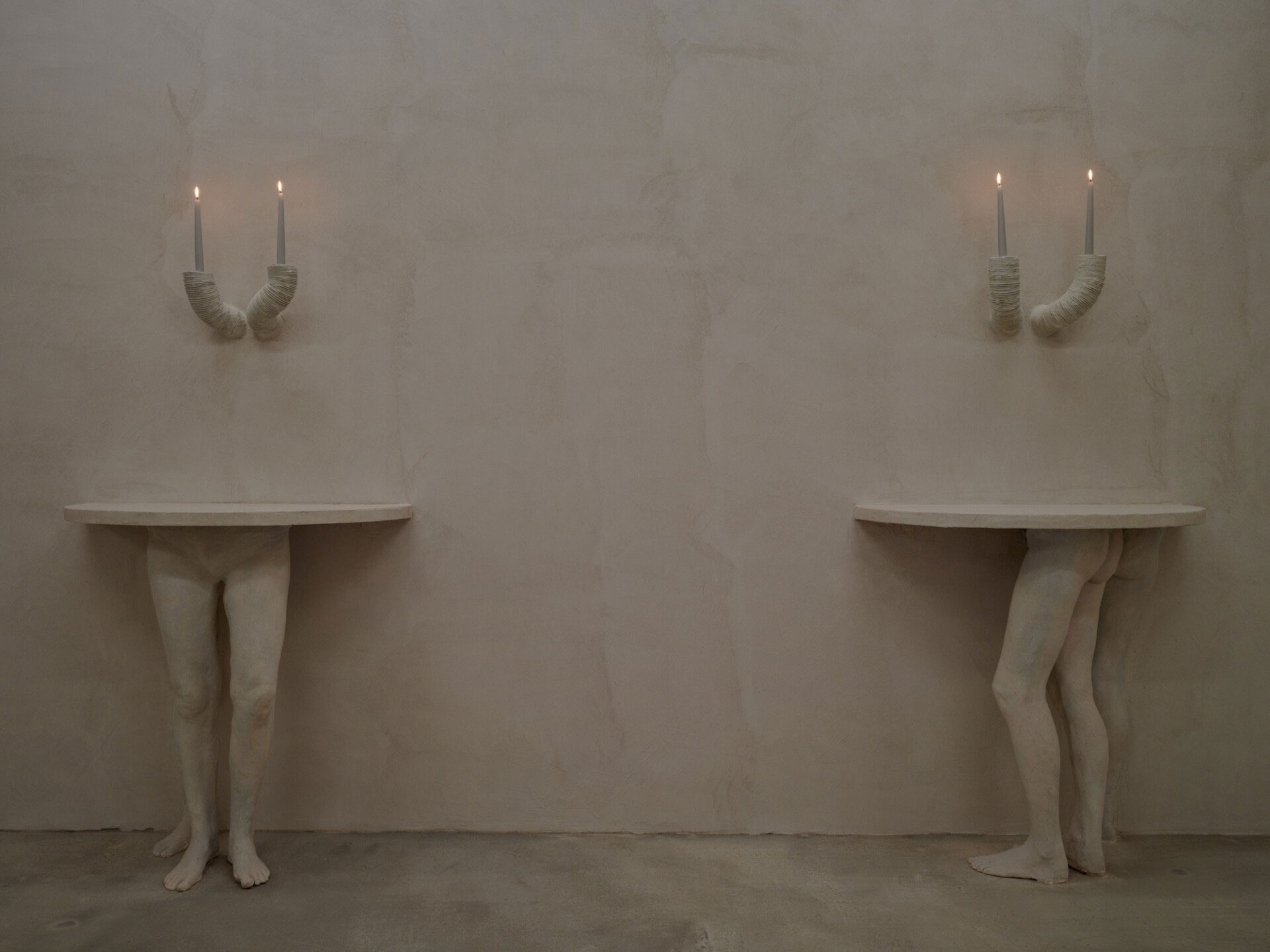
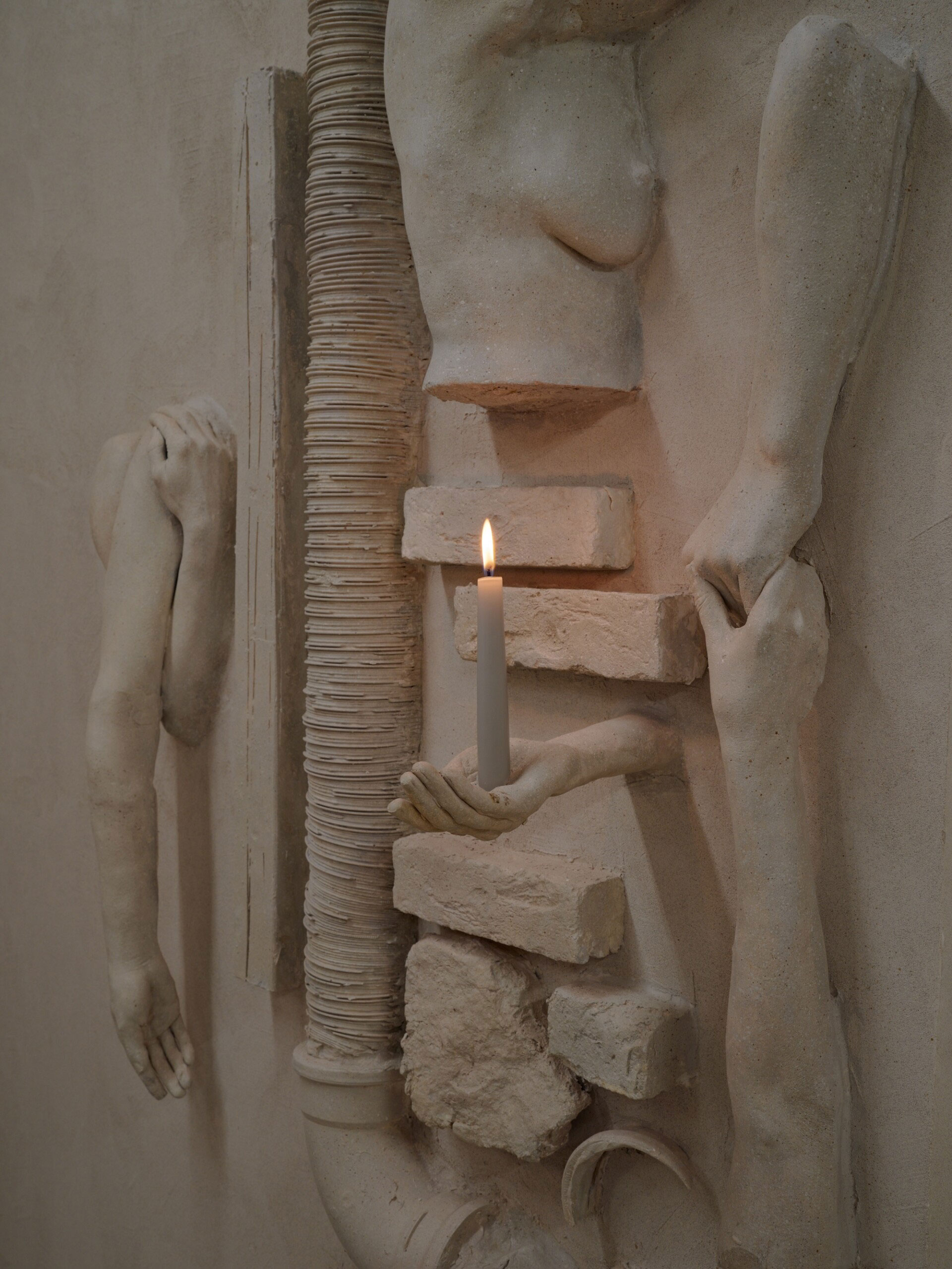
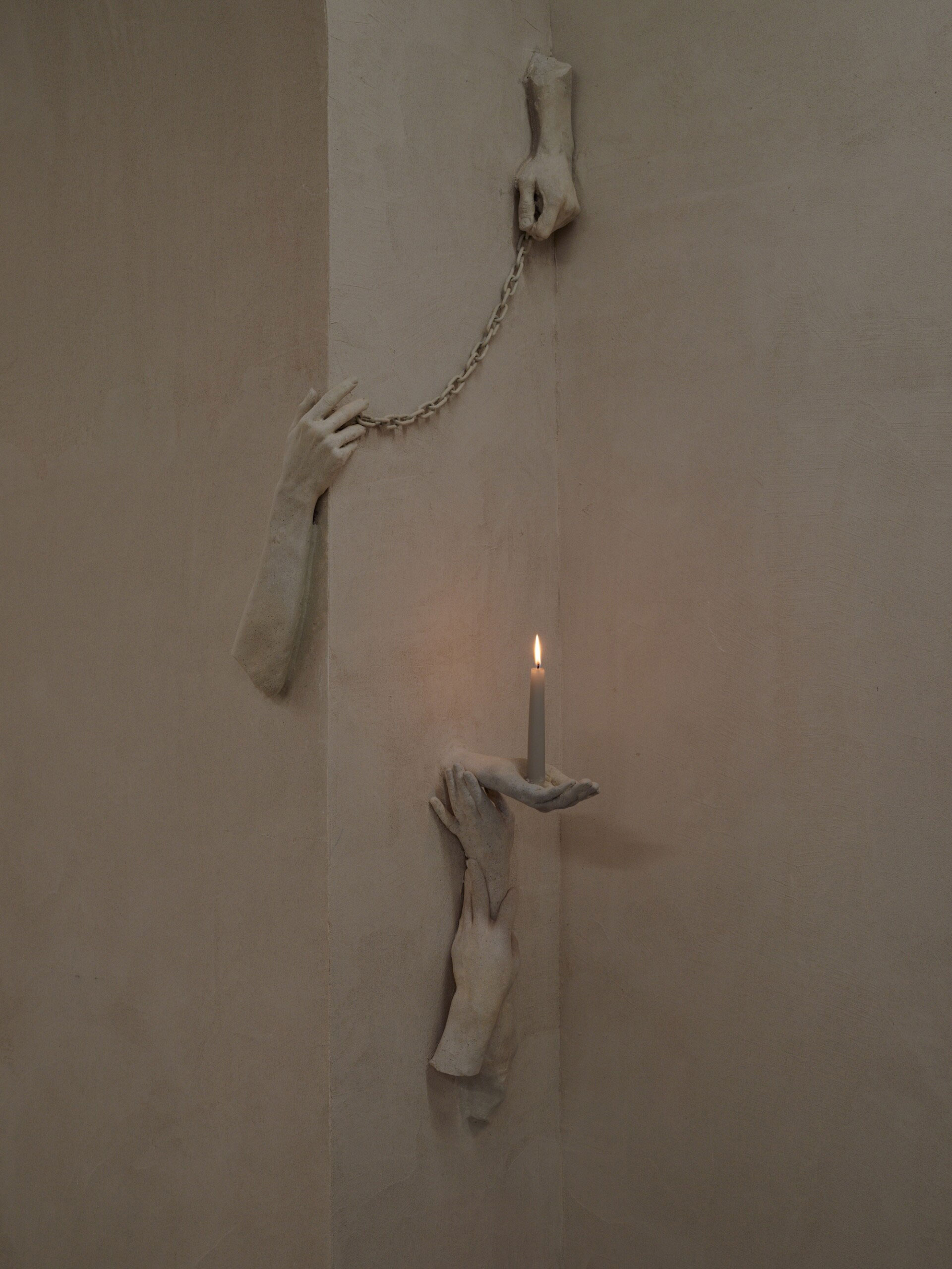
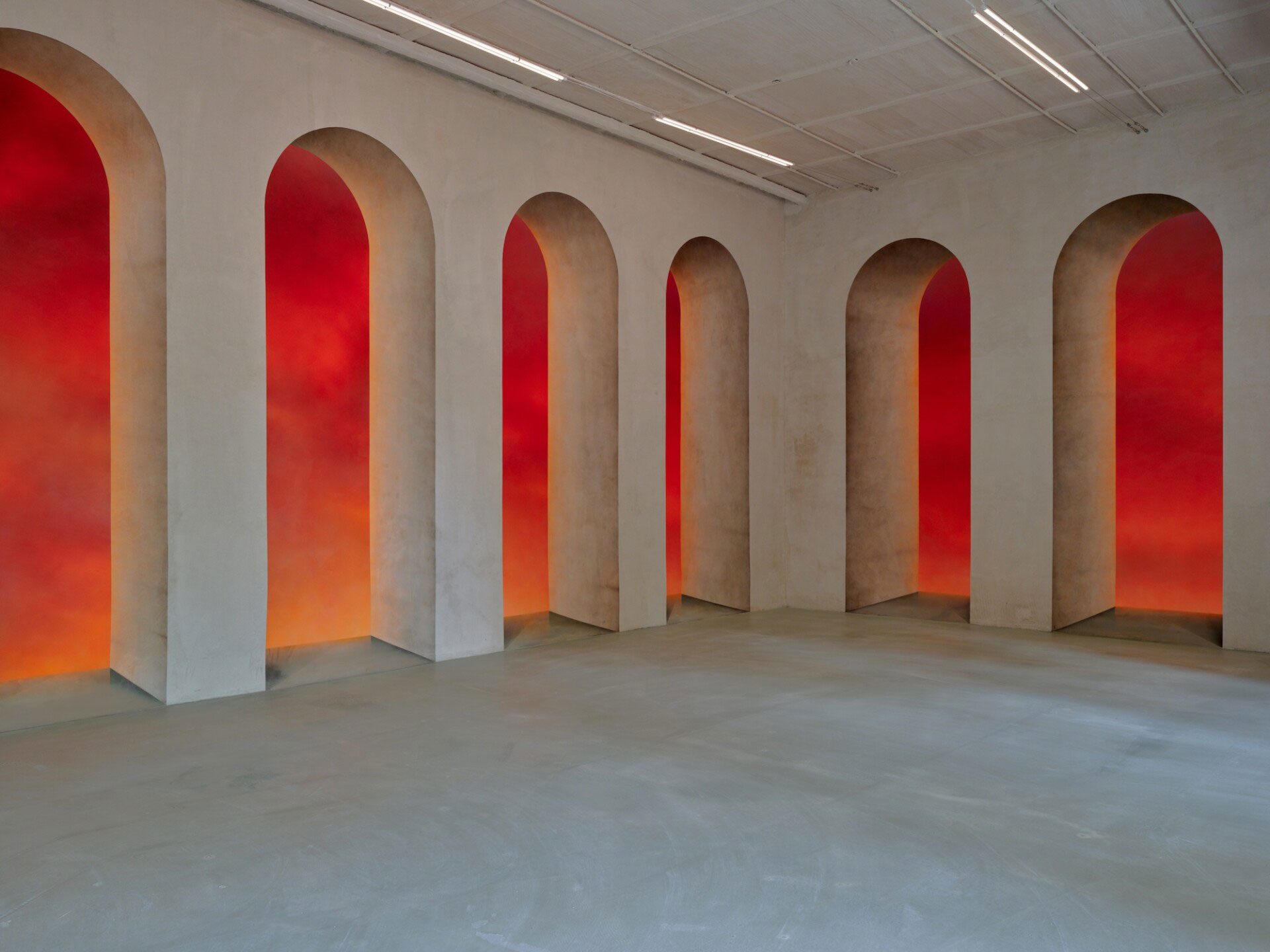
The effect is that of a space oscillating between the sacred and the sepulchral, between ruin and prophecy, between the grotesque and the ghostly. Keith-Roach’s pieces heighten this ambiguity: fragments of plaster bodies emerge from the walls and combine with objects and motifs, like rebellious caryatids that have renounced the noble task of supporting the building to devote themselves to other, perhaps lighter pursuits. Page, meanwhile, paints the final room with a false colonnade opening onto an infinite and threatening horizon, illuminated by an ambiguous glow.
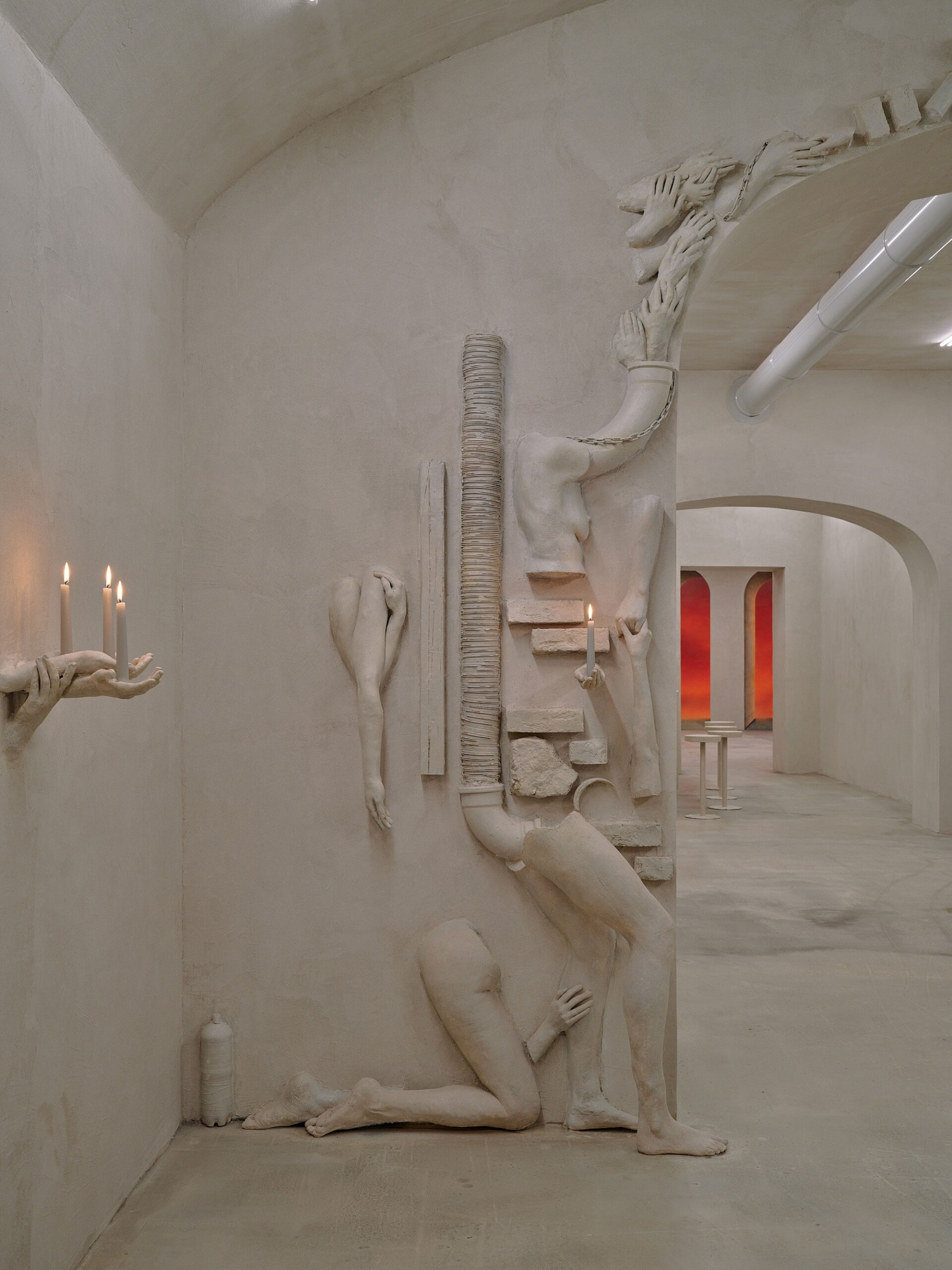
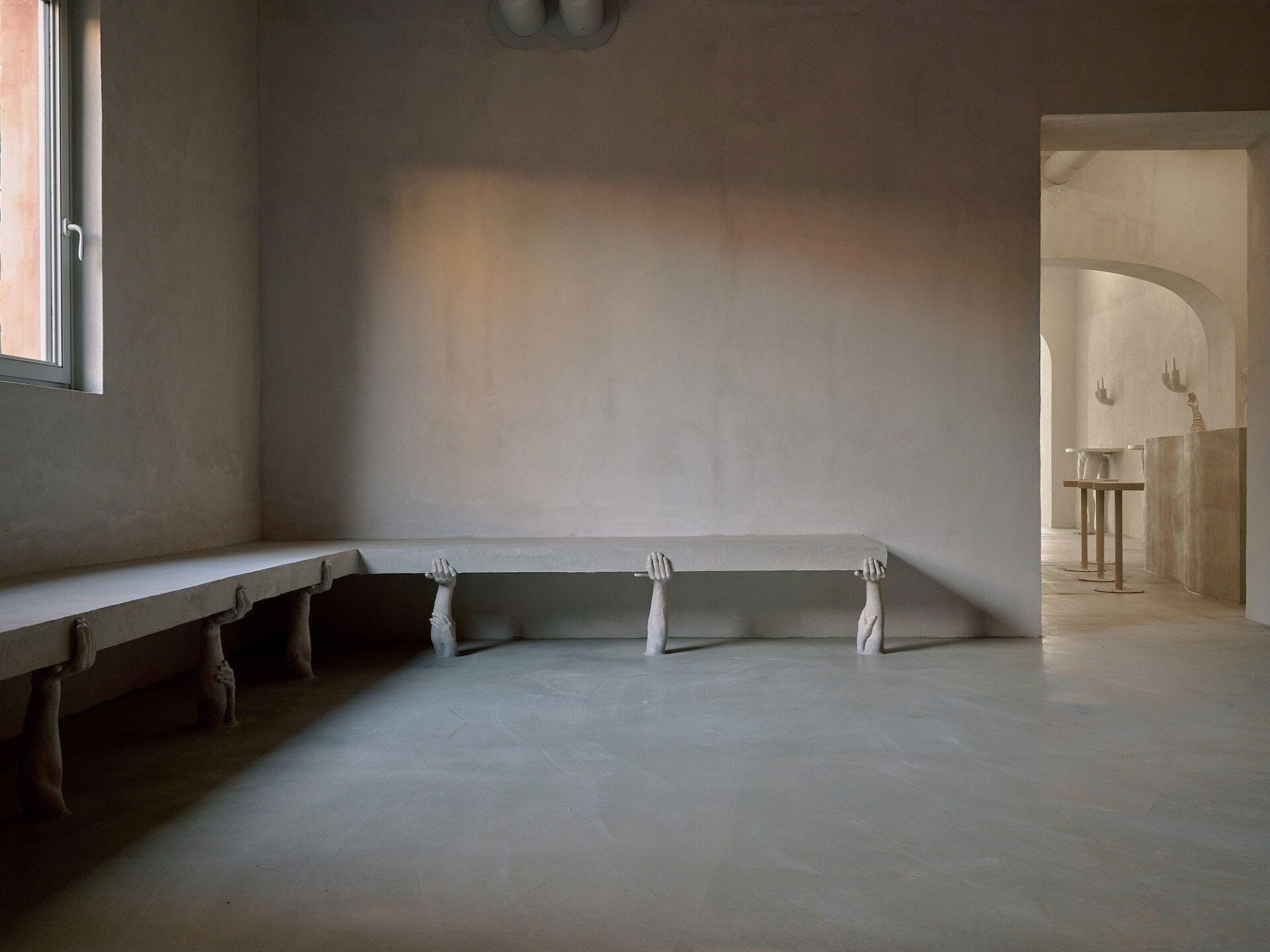
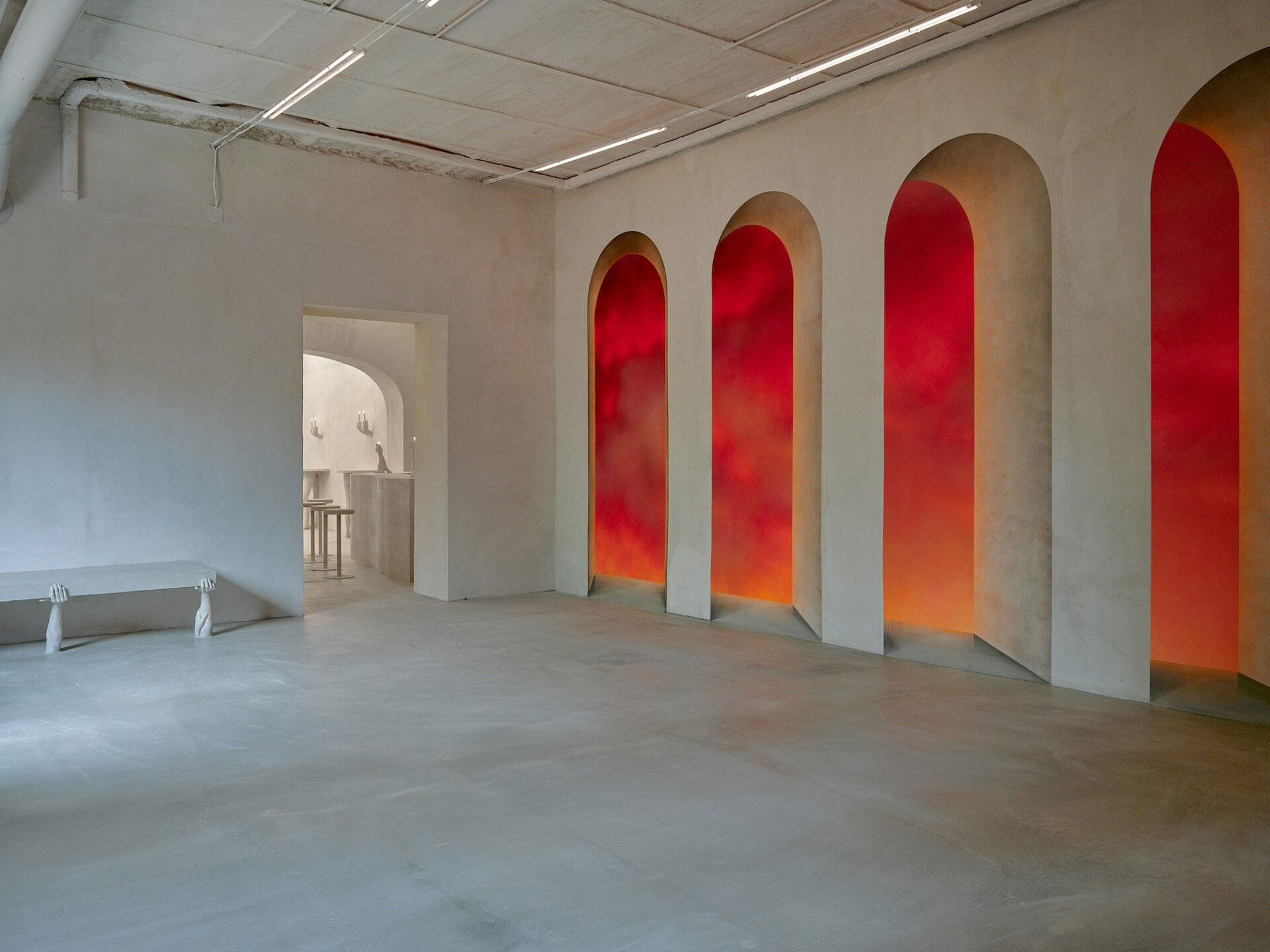
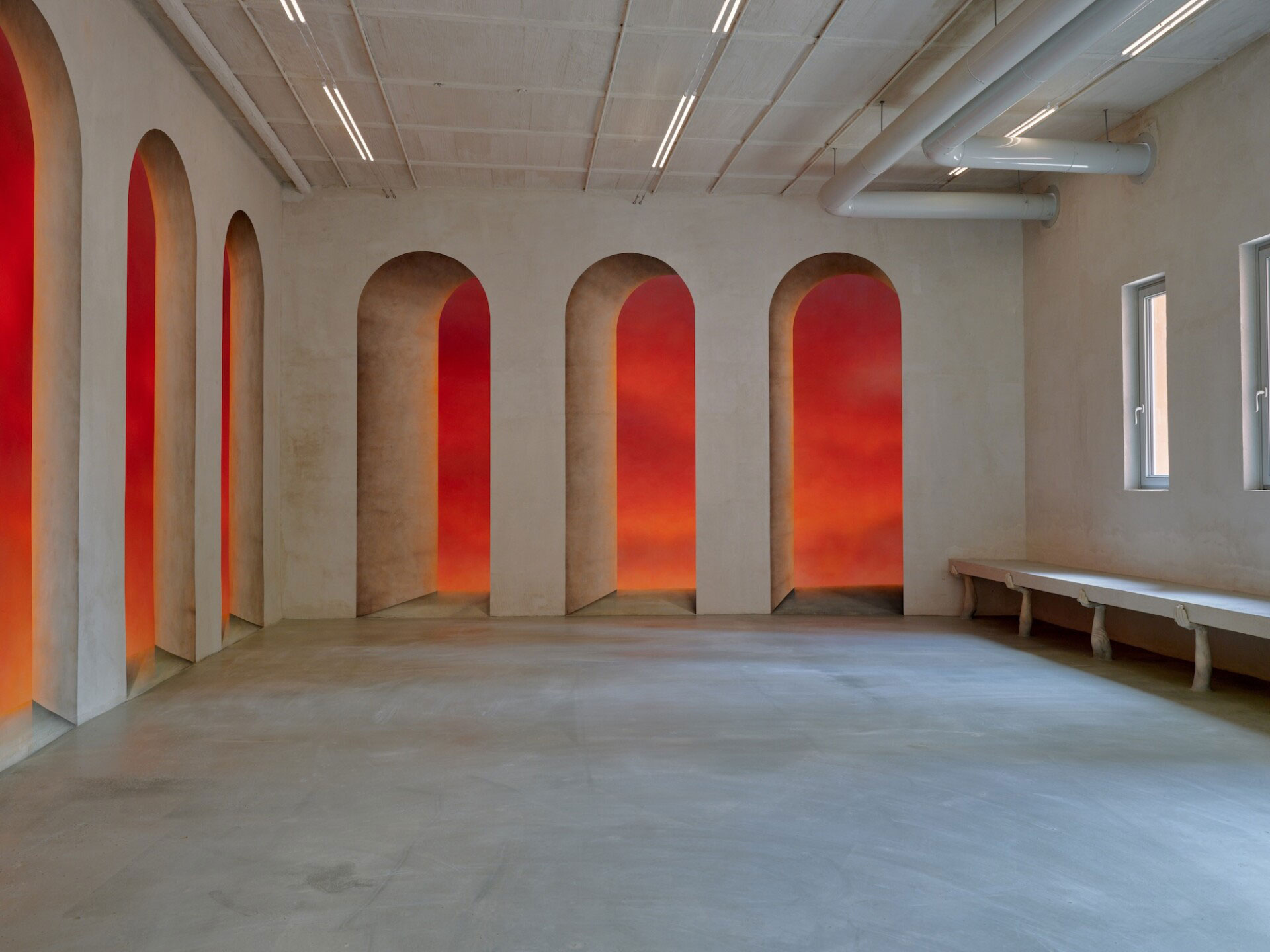
Deception is part of the game. The stone-like surfaces of the reliefs turn out to be painted plaster; the depth of the mural perspective dissolves as one shifts position. The sculptural merges with the architectural, while the pictorial contradicts it, in a continuous play of trompe l’oeil that invites one to look two, three, four times over. This is not an illusion striving for perfection, but rather a deliberately imperfect fantasy — a dream that reveals its seams and, in doing so, says something about the nature of what we see and, perhaps, in a subtly unsettling way, about our own nature.
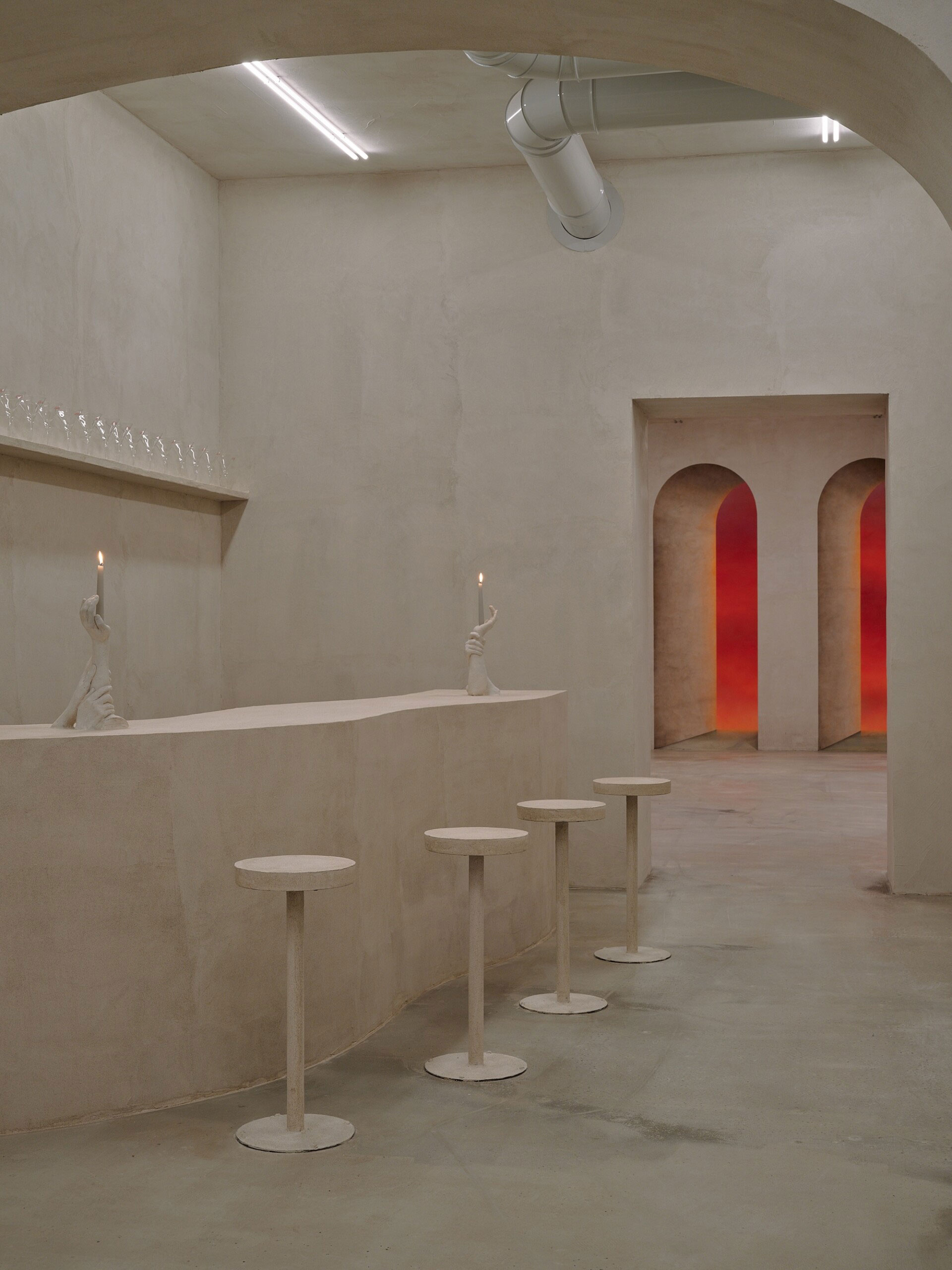
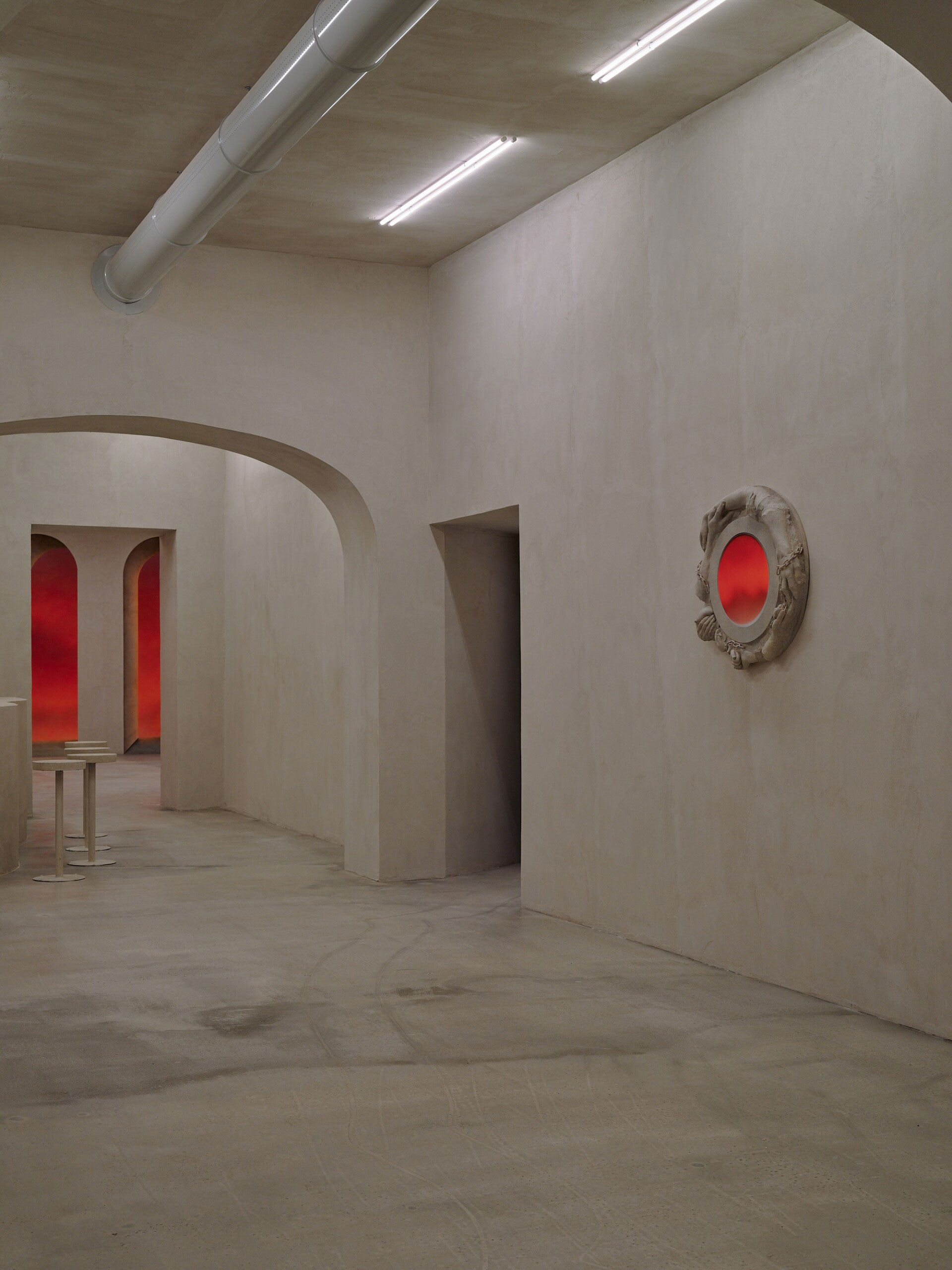
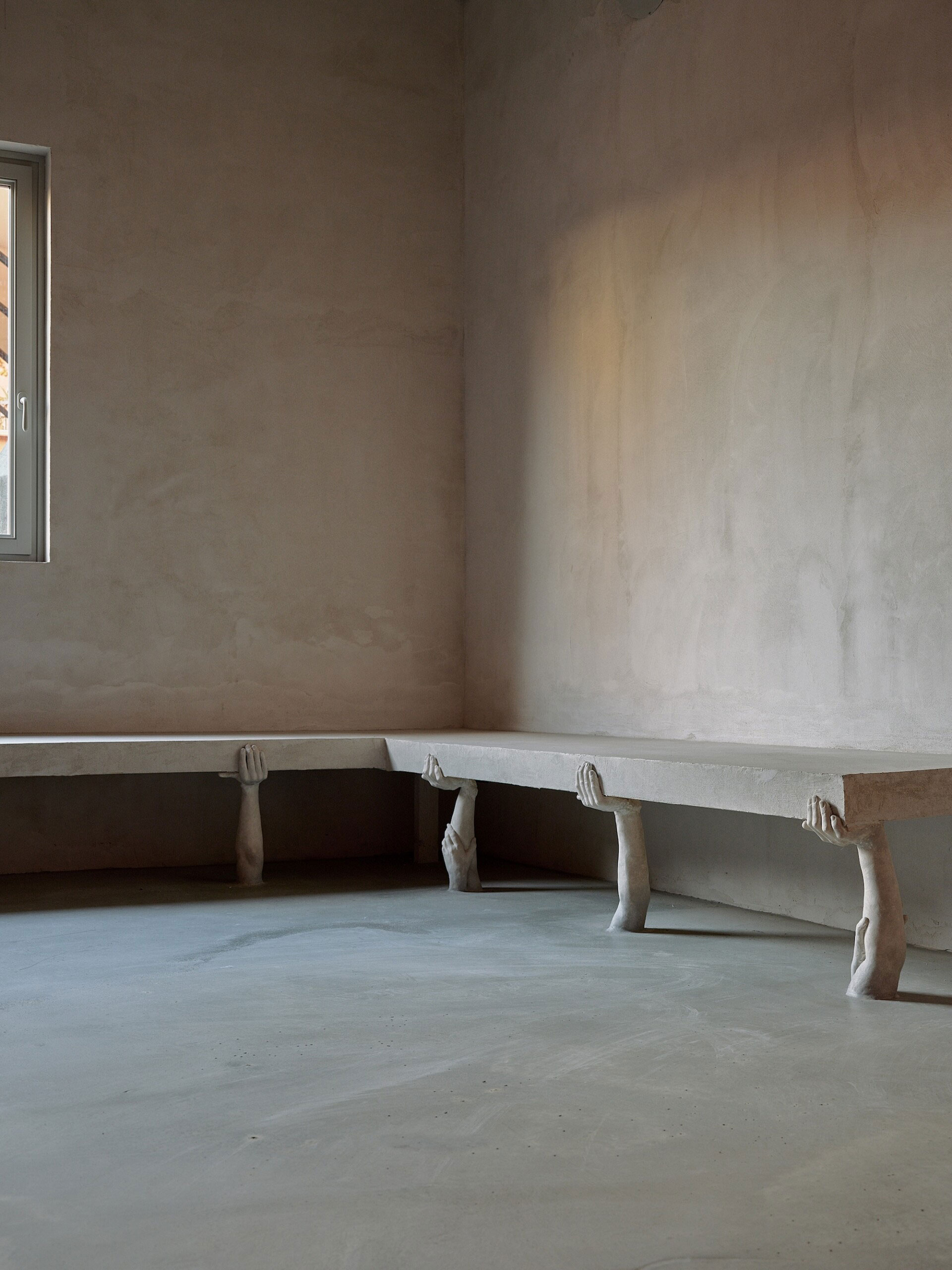
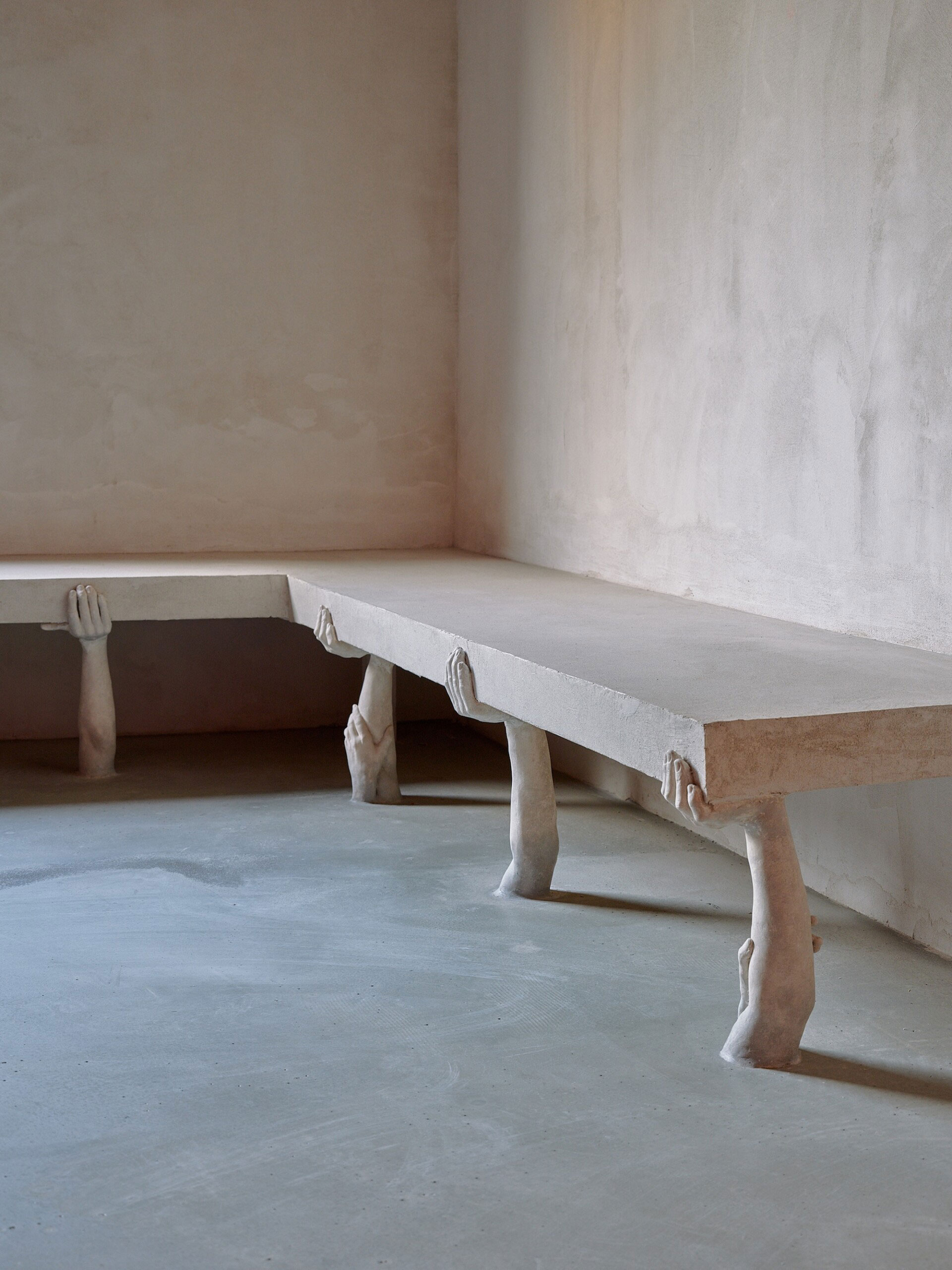
One might wonder what the purpose is of a bar that is also a work of art, or a work of art that functions as a bar. Perhaps the answer lies in the tradition of old conversation venues: offering a place to pause, to look without haste and, who knows, to discover something unexpected. At Bar Far, the unexpected lies in the tinted image perceived through a glass of wine, in a relief emerging from the wall to brush against one’s cheek, or in the gesture of the person behind the bar, serving that glass as though it were part of a macabre dance.
Source: Villa Lontana.
Images: Villa Lontana.