
Small reservoirs and river pools have traditionally served as places for swimming and recreation for local populations. However, demographic and tourist movements towards the coast have partially relegated these enclaves to a secondary position, with modest and sustainable, albeit loyal, visitor numbers.
This balance has been drastically altered in recent years. Population growth, improved access and, above all, the dissemination of these sites on social media have increased the number of visitors. The combination of overcrowding and the limited capacity of these places often turns the experience expected by visitors into a logistical and safety problem.
The municipalities affected, often small and with limited resources, are overwhelmed by this new reality. In response, they are implementing various management strategies. In some cases, they are establishing an access fee, the proceeds of which are reinvested in essential services such as first aid, maintenance, cleaning and parking management. Other localities opt for a pre-booking system to control capacity without charging a direct fee. In cases of greater environmental impact, where native flora and fauna are seriously threatened, the authorities are often forced to prohibit access.
It is essential to understand that natural sites of special interest, such as reservoirs and river pools, are collective resources that, with proper management, bring social and economic benefits to local communities. To this end, it is key to diversify visits, both throughout the year and during the day, to avoid traditional peaks (August, weekends, peak hours, etc.).
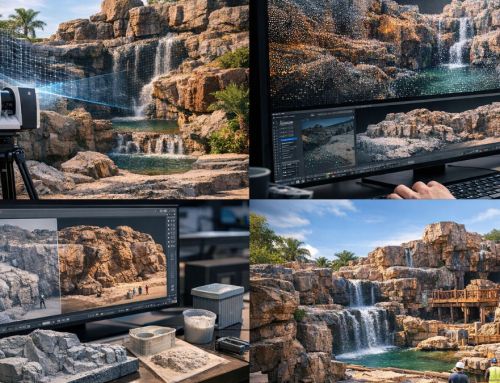
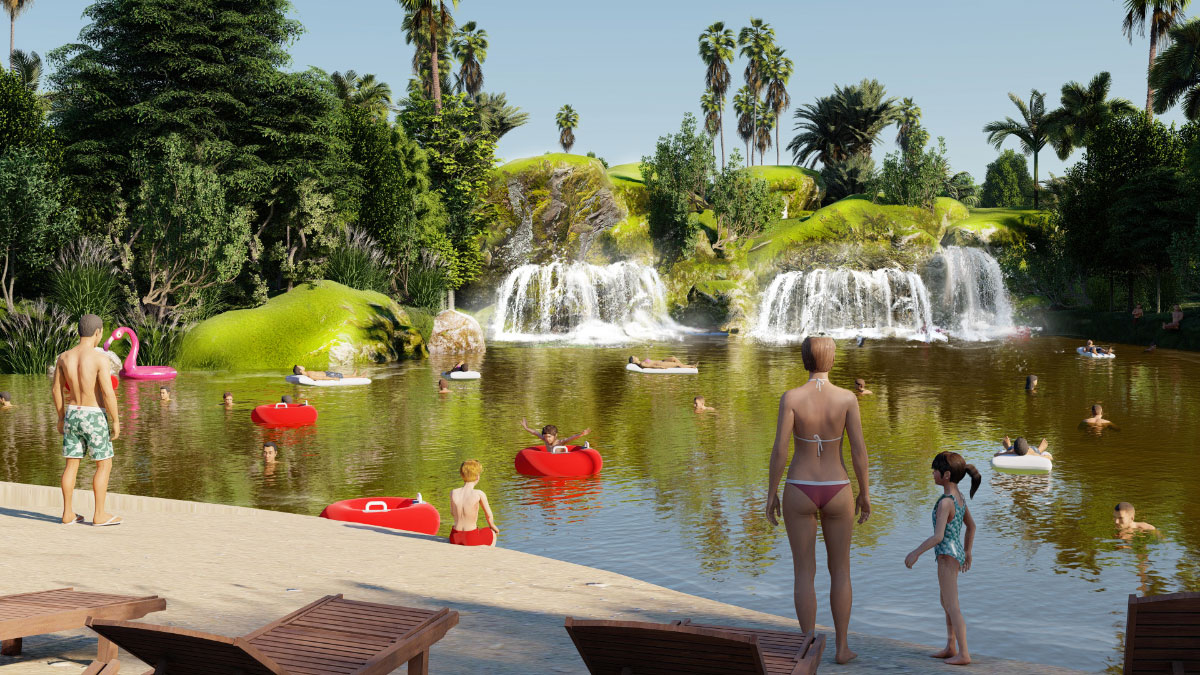
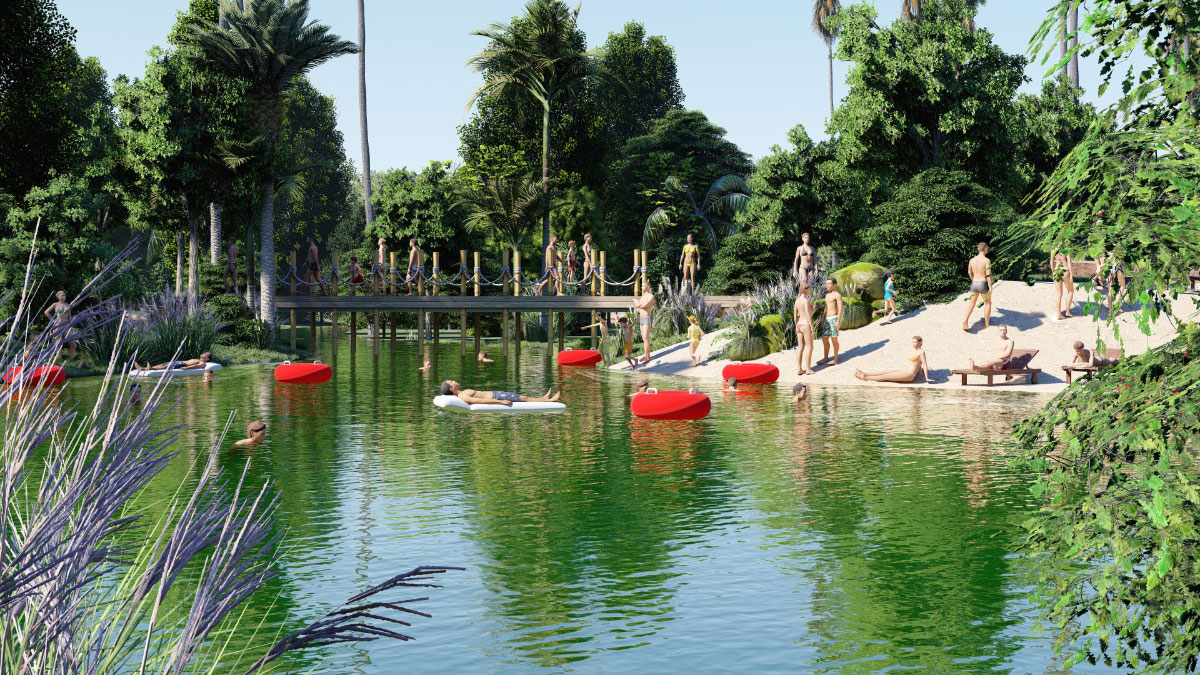
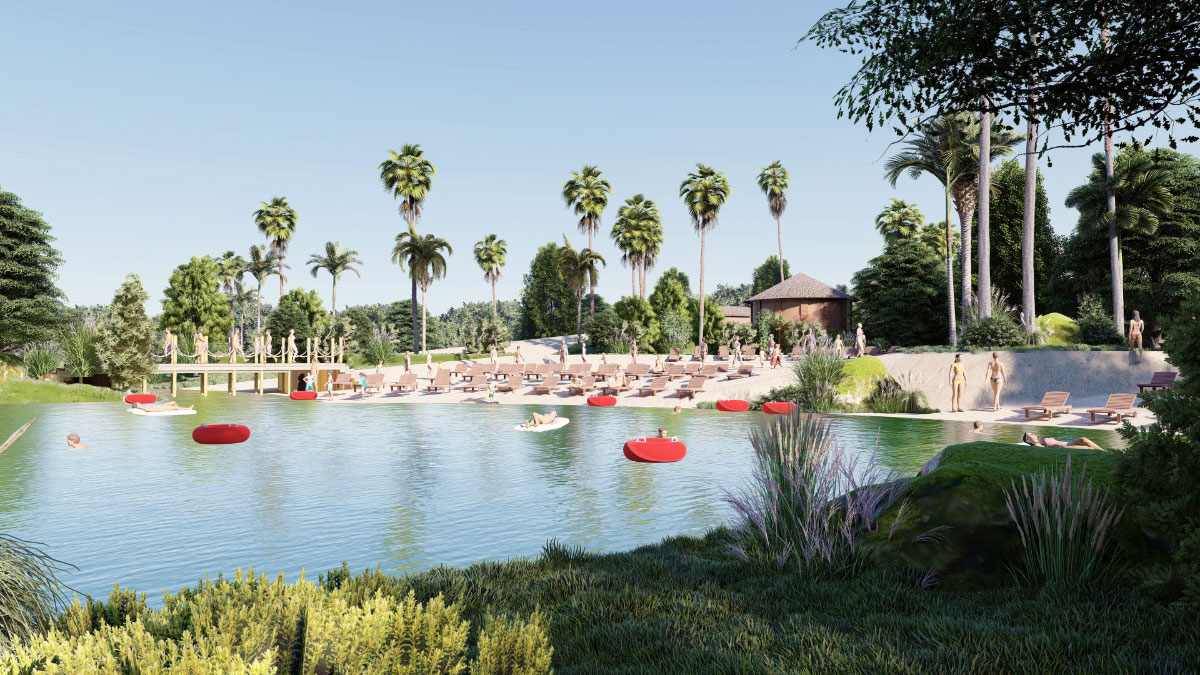
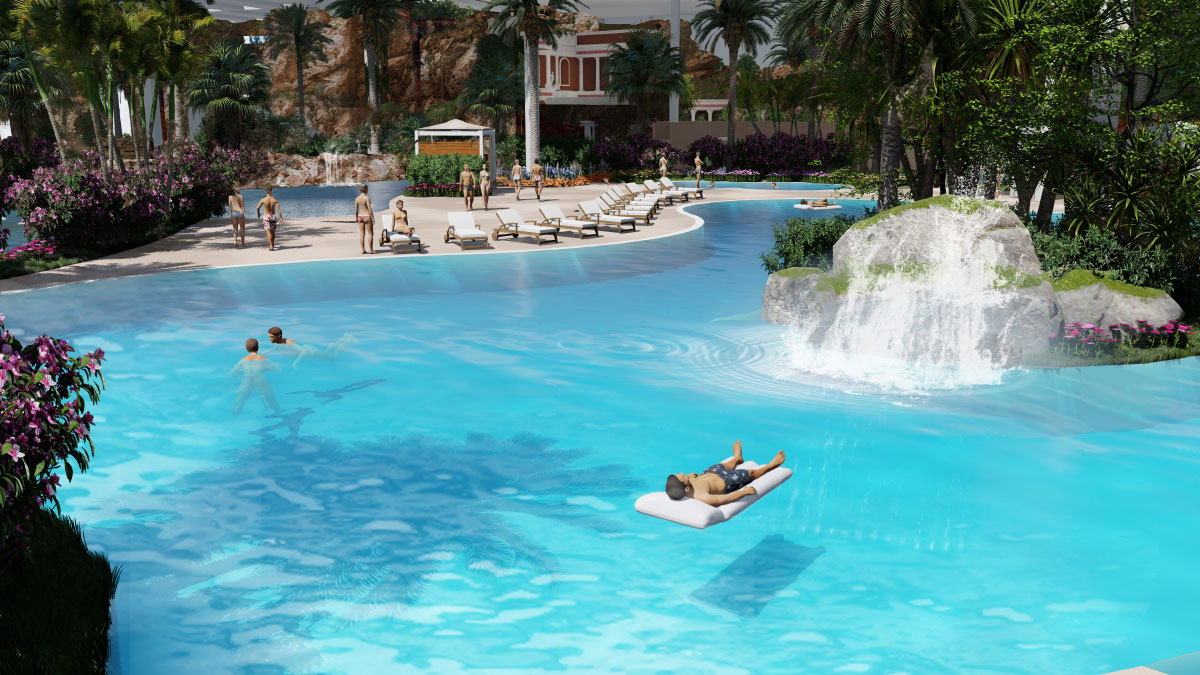
As a valuable alternative, both for their controlled accessibility and safety, naturalised swimming pools—or, for example, canyoning parks—are gaining prominence. These artificial spaces incorporate elements such as rocks, cascades, gently sloping beaches and waterfalls. The truth is that they offer an experience similar to the natural one. Their construction represents an effective solution to reduce pressure on fragile river ecosystems. After all, they are specifically designed to withstand intensive recreational use and allow for comprehensive and sustainable management of the space.
By Miquel Solís, senior architect in the Architecture Department at Amusement Logic