
Félix Candela (1910–1997) was a leading figure in 20th-century architecture due to his unique ability to integrate design and structure under the principles of building economy, formal simplicity and spatial versatility. Although he possessed profound technical mastery, his true strength lay in the conception of highly expressive spaces, which earned him recognition as an essentially structuralist architect.
After training in Madrid and participating in the Civil War as a captain in the engineering corps, he went into exile in Mexico in 1939. This new professional stage led Candela to collaborate with the Fernández Rangel brothers. A decade later, he founded the company Cubiertas Ala, a platform from which he developed his famous reinforced concrete shells.
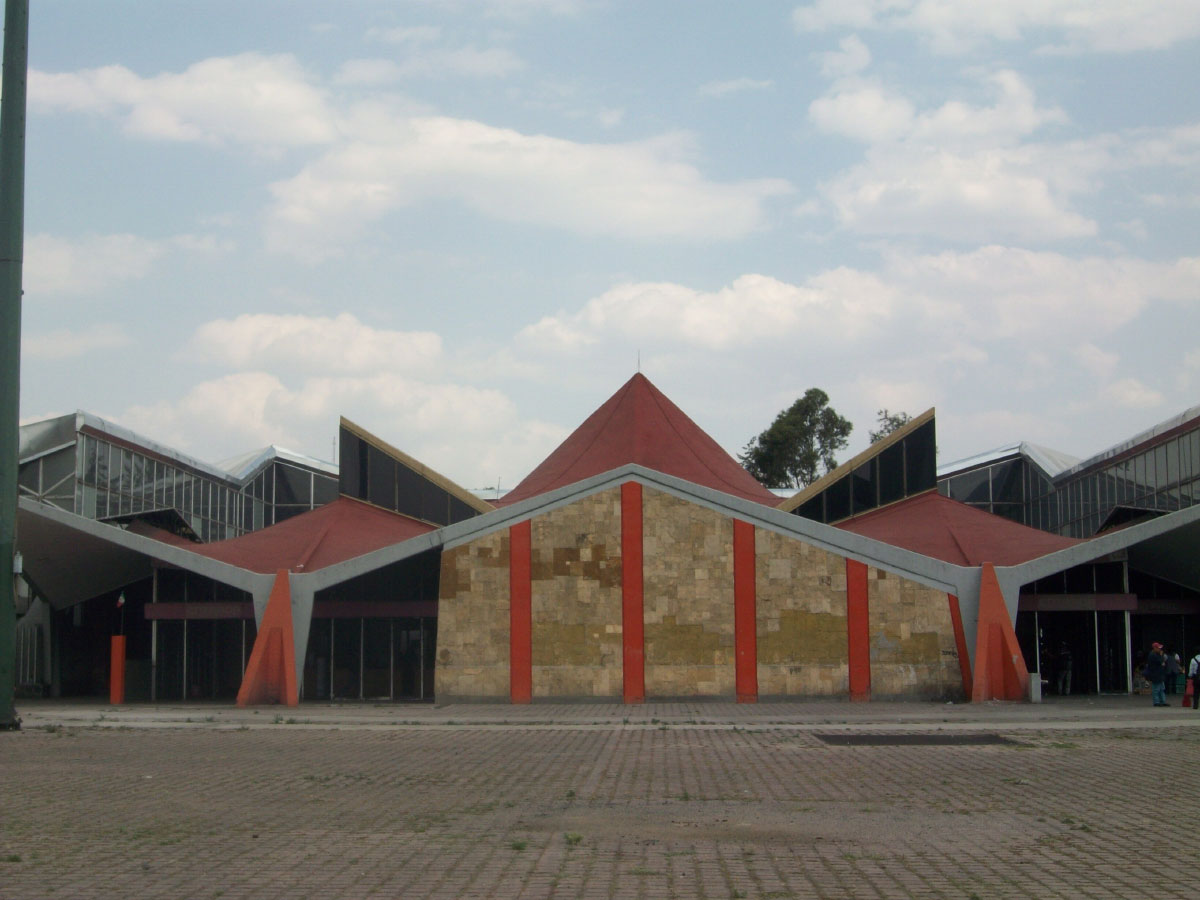
Candela’s reinforced concrete shells are laminar structures, extraordinarily thin and resistant. During the 1950s and 1960s, the architecture of these laminar structures attracted international attention. His active participation in specialised conferences and his publications in the American Concrete Institute consolidated his technical prestige. In 1961, he received the Augusto Perret Award, and his company began to receive commissions from numerous countries.
In 1971, after completing the Sports Palace for the Olympic Games in Mexico, he moved to the United States, where he devoted himself fully to teaching and research in architecture as a professor at the University of Illinois.
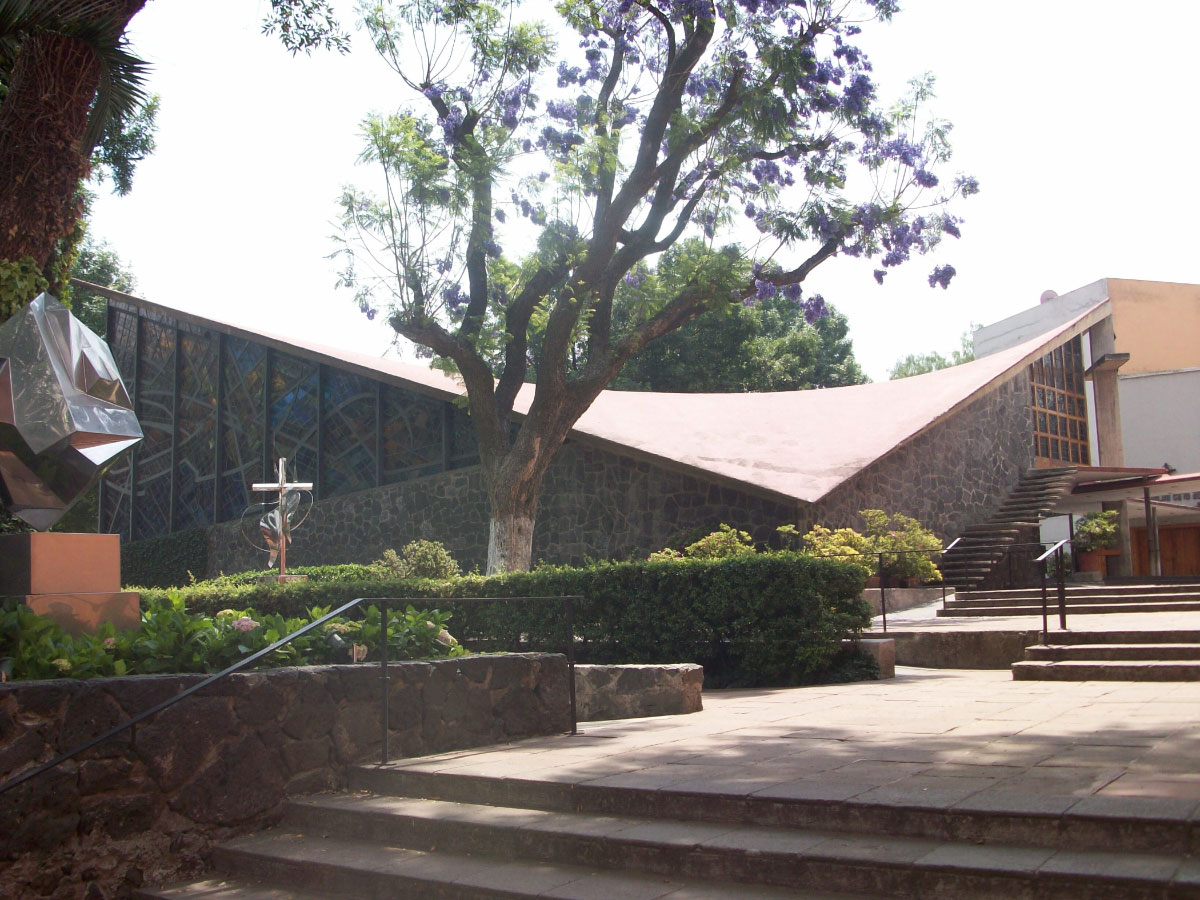
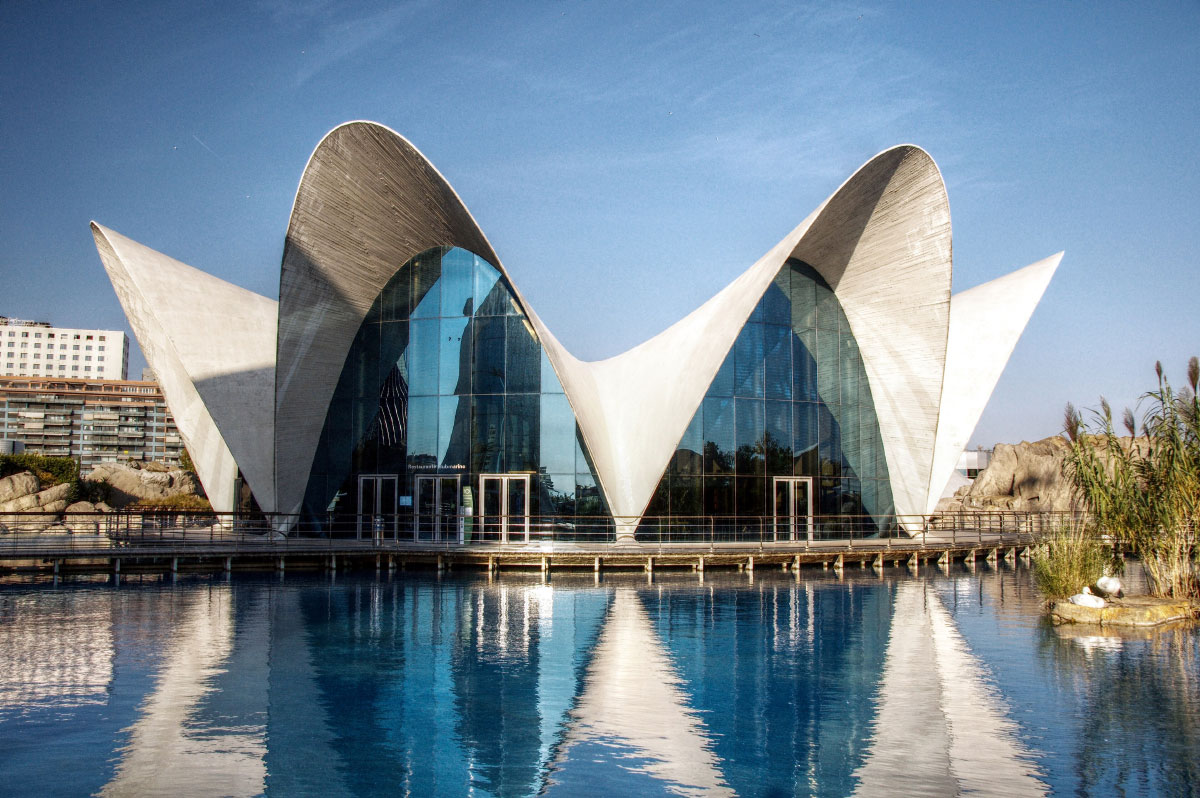
Although he conceived numerous ambitious projects, only some of them came to fruition. His most distinctive legacy remains linked to his formal and structural mastery of the hyperbolic paraboloid, a geometry that defined iconic works such as the UNAM Cosmic Ray Laboratory, La Milagrosa Church, Los Manantiales Restaurant, and the aforementioned Sports Palace for the Mexico City Olympic Games.
By Alberto López, senior structural engineer in the Architecture Department at Amusement Logic.