
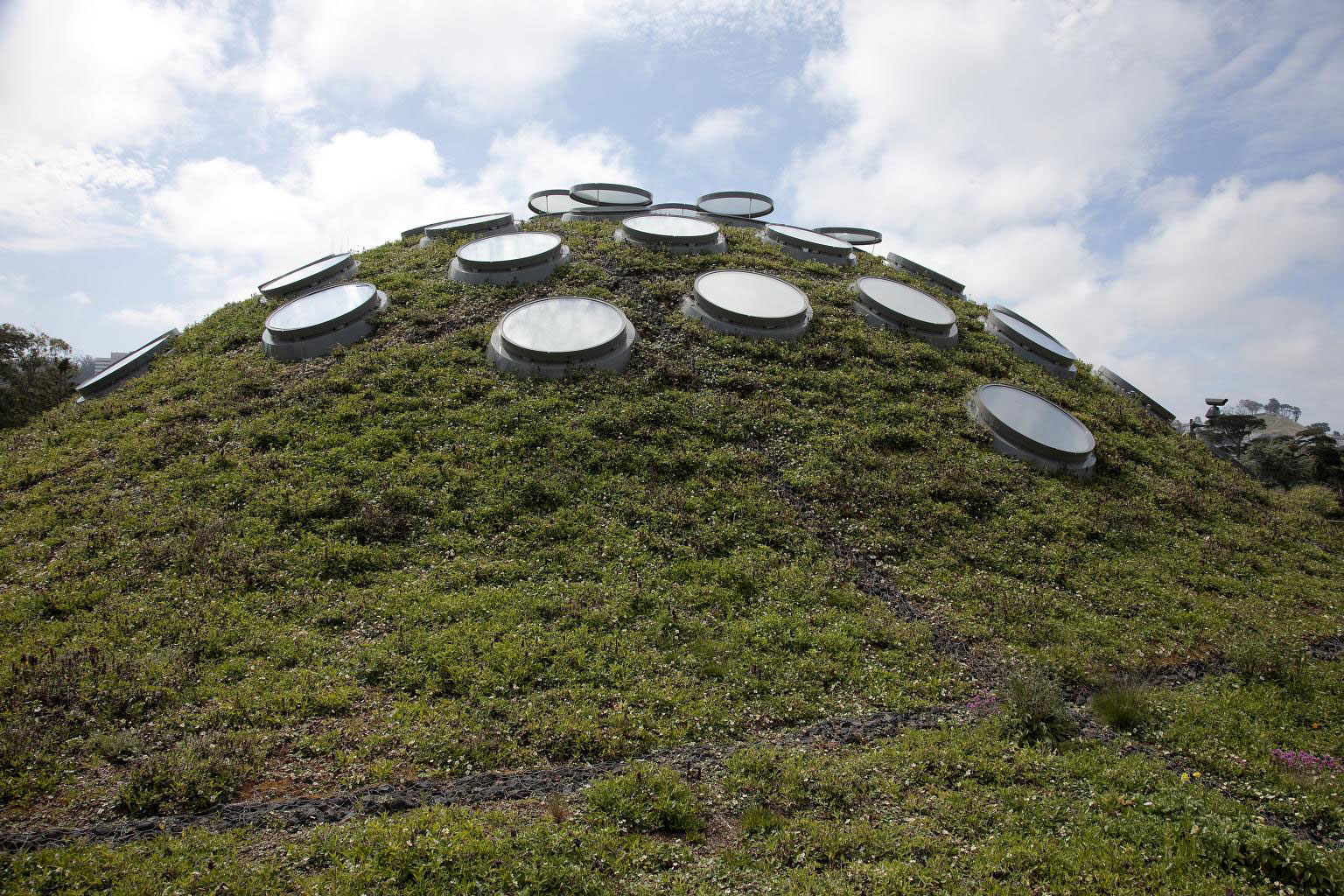
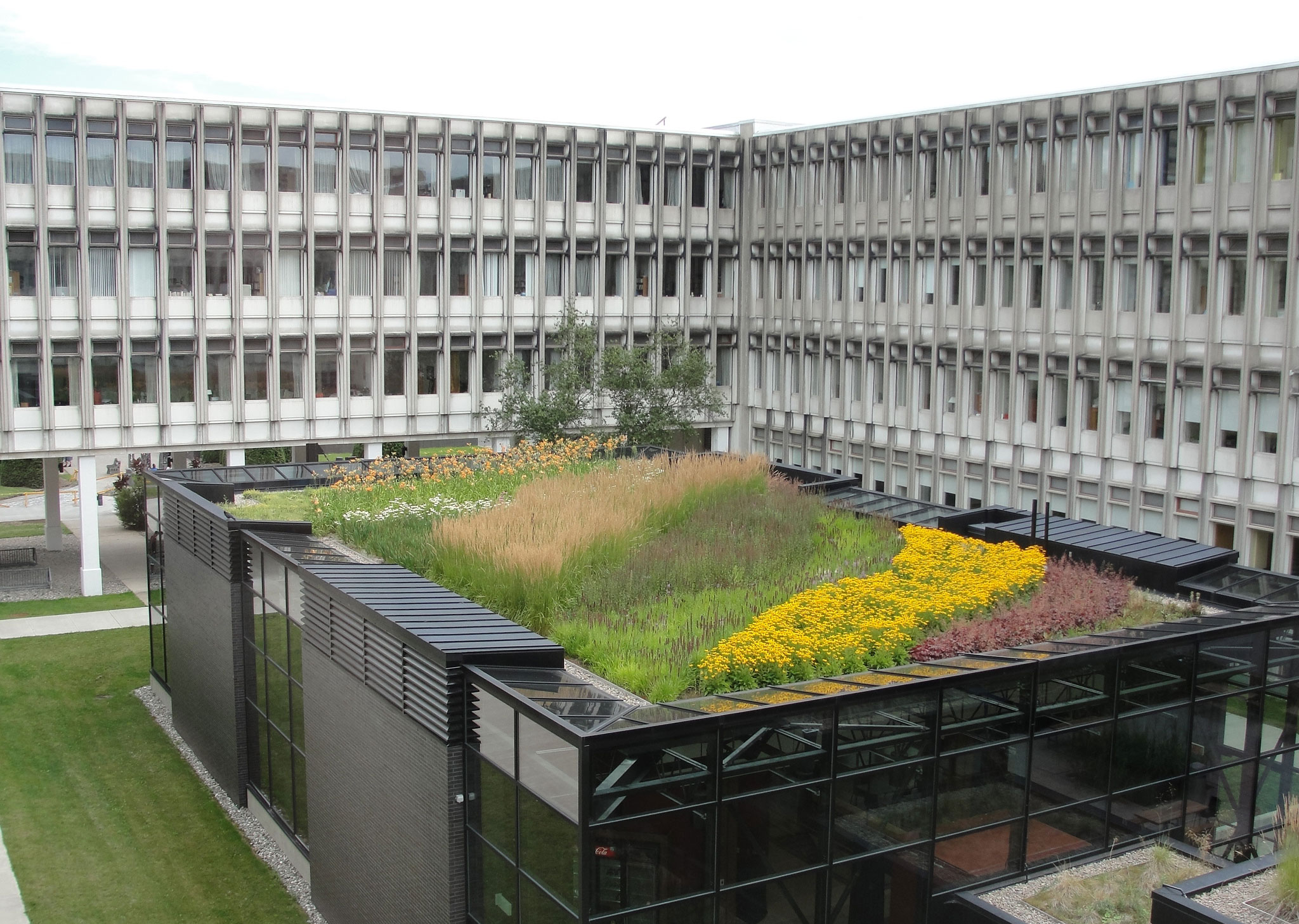
Sustainable practices have taken on crucial importance in recent years, including in architecture and construction. Buildings are striving for sustainability and, to this end, one strategy is to make use of their rooftops to install green roofs. These may be extensive — with a shallow substrate and not designed for access — or intensive — with greater depth and accessible. In any case, green roofs produce clear benefits in the urban environment: they reduce the “heat island” effect, retain rainwater, absorb noise and promote biodiversity.
Despite this, they are a solution that also raises certain questions. Let us consider what these are:
Constructing a building with a green roof increases the budget by between 10% and 30% compared with a conventional one. Ultimately, longer timeframes and more materials are required, given the complexity of installation. Green roofs demand denser waterproofing membranes, less common materials that require transportation and, as they add weight, may necessitate more substantial structural systems.
wikimedia.org
wikimedia.org
Moreover, the promise of installing a green roof is that energy savings will offset the higher investment. However, reality has tempered that optimism: actual performance, especially in winter and in damp conditions, results in lower savings than those indicated by initial simulations. Although the substrate provides thermal mass, it does not insulate effectively against atmospheric conditions.
Throughout the building’s service life, maintaining the planting requires specific budget allocations. For example, to prevent invasive species from displacing those originally specified. In addition, droughts can kill the vegetation, and excessive rainfall increases the risk of water ingress if water remains on the membrane.
Furthermore, the watertightness of the waterproofing materials beneath the green roof may affect the building’s breathability, which would require appropriate ventilation solutions.
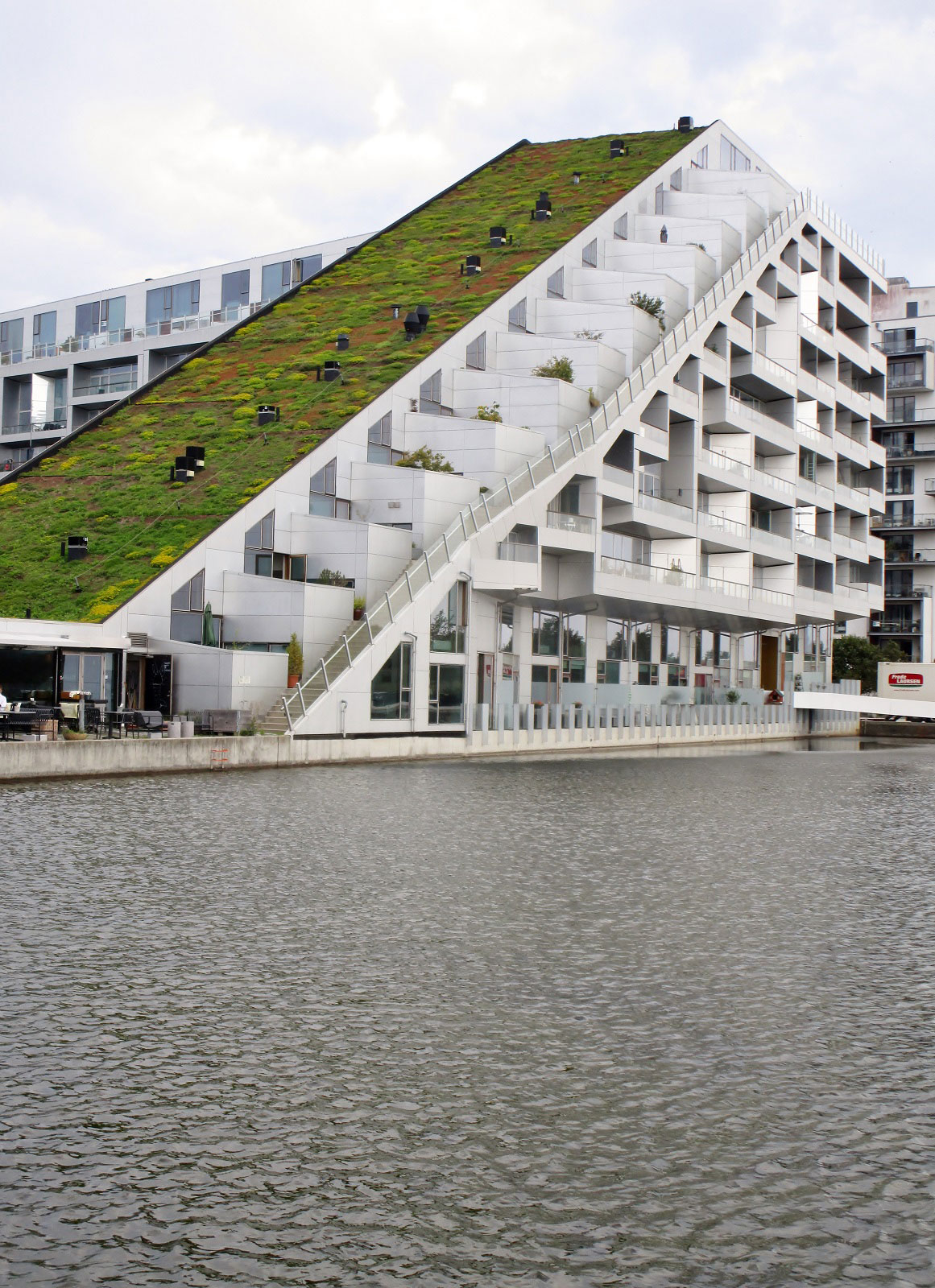
wikimedia.org
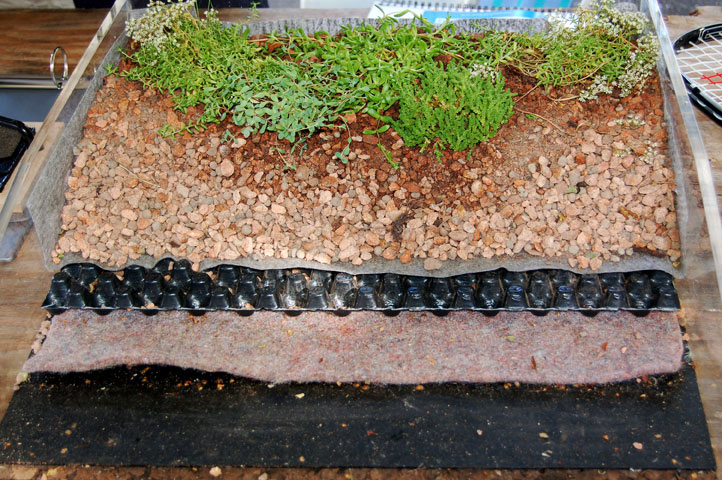
wikimedia.org
From the developer’s perspective, the commercial appeal also diminishes. While upgrading kitchens or bathrooms may increase a property’s sale price by between 7% and 10%, green roofs raise it by only 2% to 3%.
In short, it is worth asking whether it makes sense to attempt to retain water and encourage root growth on top of a building, or whether it might be more appropriate to discharge that water quickly and channel it into the public realm — to ground capable of absorbing it — and concentrate green surfaces and biodiversity there instead. The answer is not definitive, but the question is necessary.
By Miquel Solís, Senior Architect in the Architecture Department at Amusement Logic.