
Science has shown that light is a biological regulator that directly influences our mood, energy levels and the quality of our rest. In this context, full-spectrum lighting emerges as an alternative that seeks to reproduce the properties of sunlight, offering a continuous and balanced spectrum that traditional artificial sources cannot match.
Our bodies evolved under the Sun and the spectrum of its light — particularly the blue component during daylight hours — acts as a synchroniser of the circadian rhythm. Adequate daytime exposure to this full-spectrum light promotes alertness and prepares the body for restorative sleep at night. Conversely, the lack of this stimulus can disrupt sleep patterns and affect overall wellbeing.

Precisely because of this biological influence, light therapy has become established as a clinical treatment for Seasonal Affective Disorder, a form of depression linked to insufficient exposure to sunlight. The American Psychiatric Association supports this practice, which uses light sources designed to imitate the beneficial properties of solar radiation.
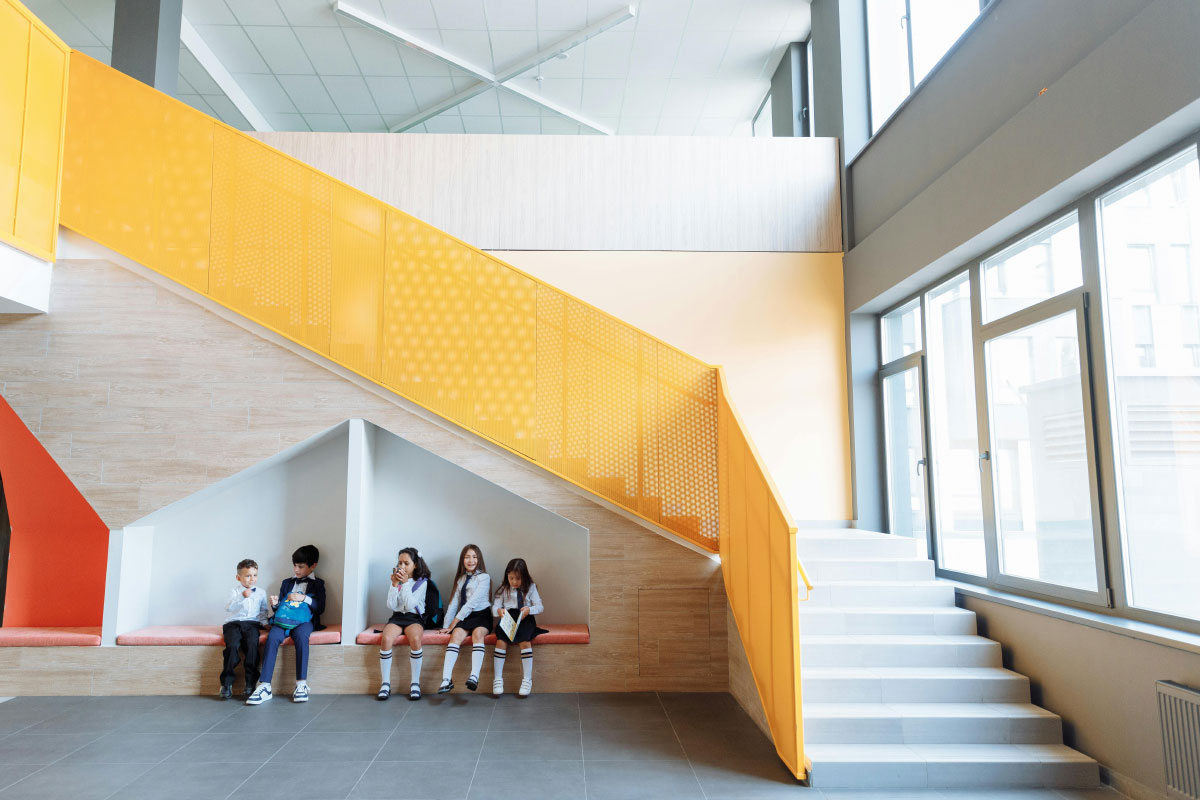
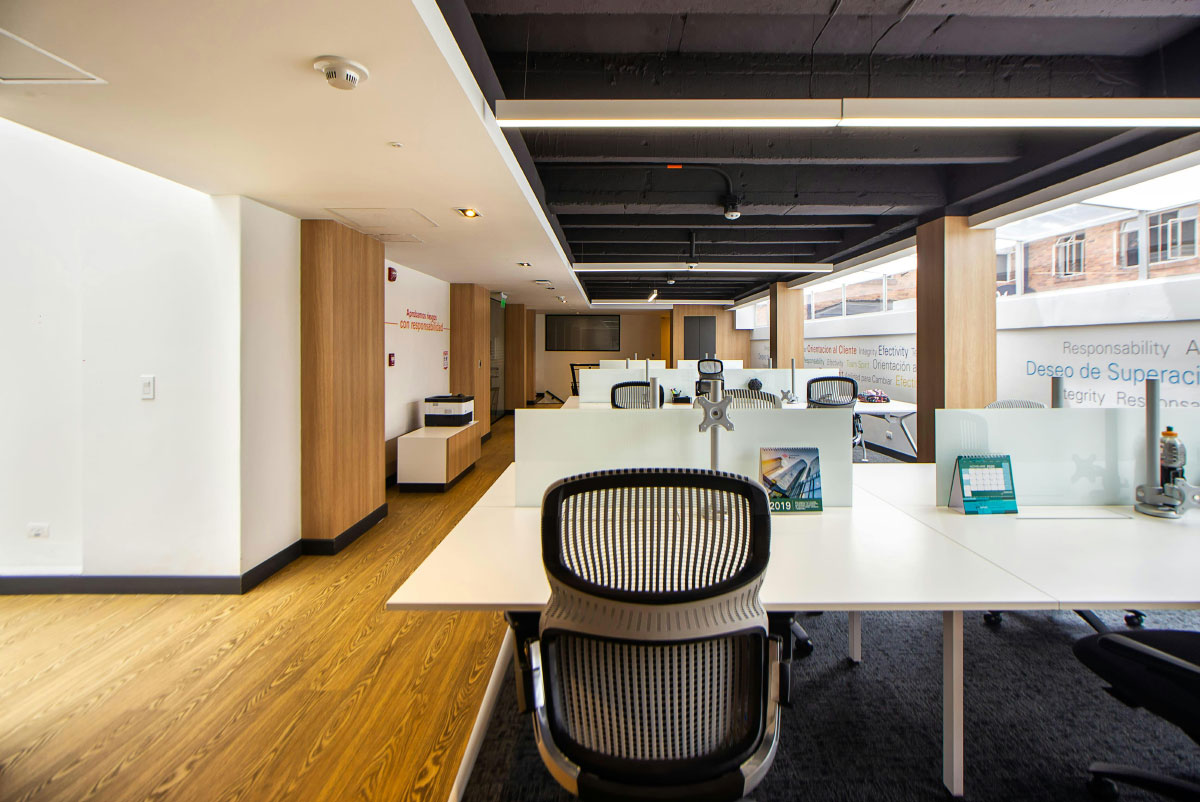
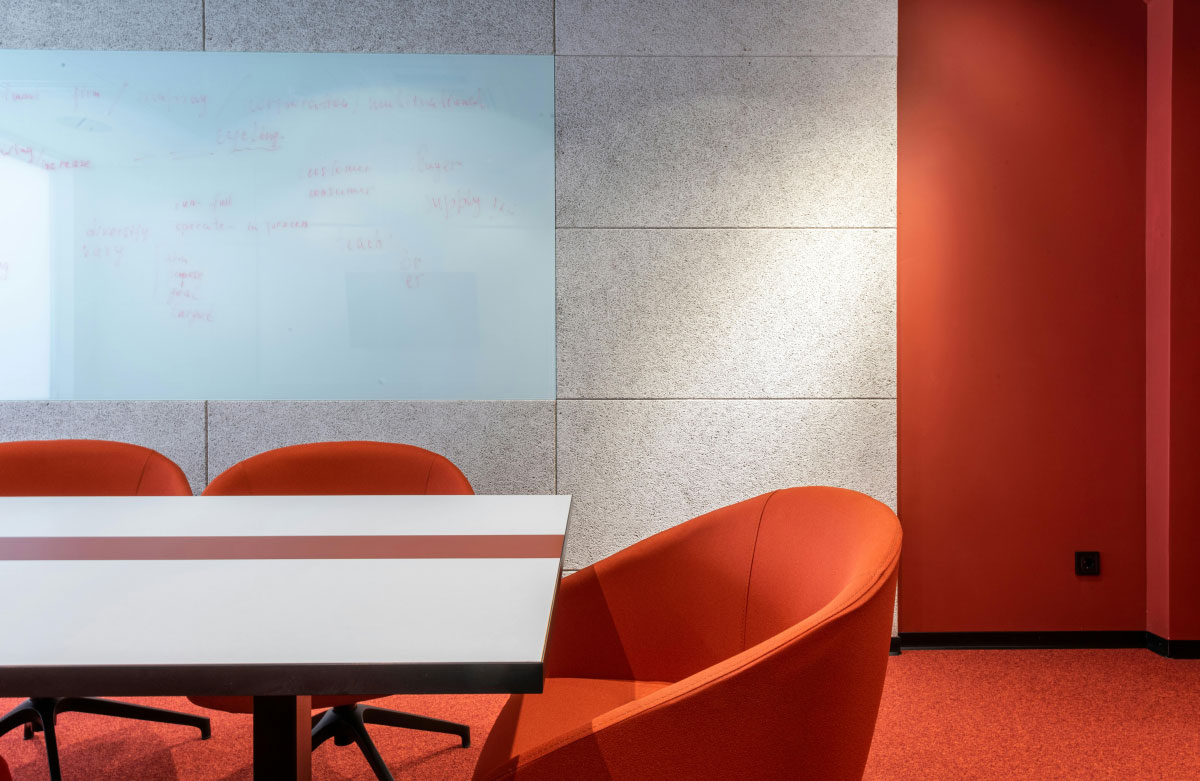
In workplace and educational environments, where we spend long hours under artificial lighting, the quality of illumination makes a tangible difference. A continuous spectrum with a high colour rendering index (CRI ≥ 90) enhances colour perception, reduces visual fatigue and promotes concentration and performance. Spaces are perceived as more natural and comfortable, directly improving the experience of those who occupy them.
However, the biological effectiveness of lighting depends on factors such as light intensity, timing of exposure and, in particular, technical parameters such as the melanopic metric, which measures the real impact of light on our biological rhythms.
Increasingly, owners and companies are incorporating this technology with a clear objective: to create healthier environments without sacrificing efficiency. Full-spectrum lighting not only enhances natural colours and creates more pleasant atmospheres, but also helps to reduce visual strain during prolonged working hours and improves the overall spatial experience. In short, light ceases to be a passive element and becomes an active tool for wellbeing.
By Francisco Lozano, MEP Engineer in the Architecture Department at Amusement Logic