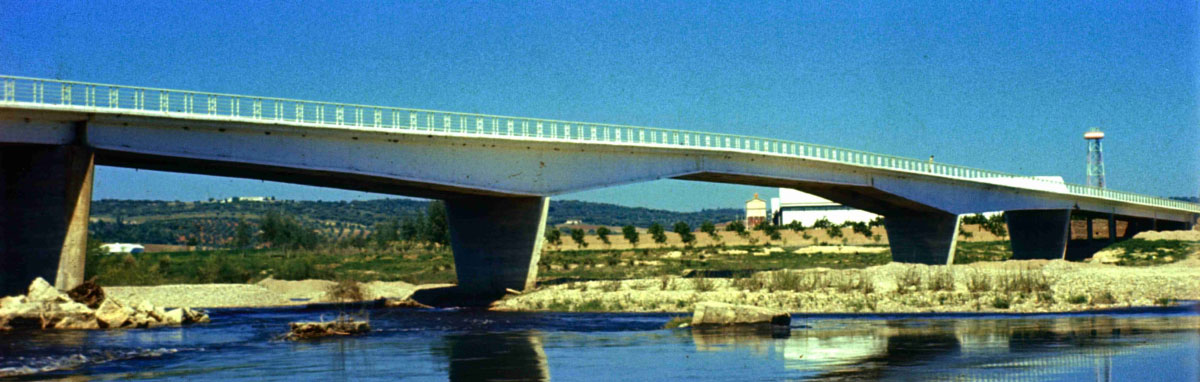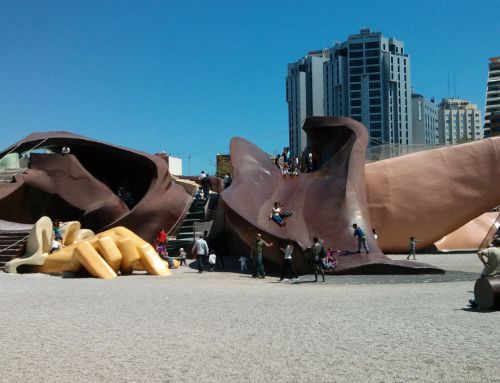

Carlos Fernández Casado (Logroño, 1905–Madrid, 1988) was one of the most influential civil engineers of the 20th century in Spain and a key figure in the modernisation of structural and bridge engineering. He qualified as a civil engineer in 1930. Throughout his career, he combined professional practice, research and teaching, leaving behind a legacy of built works and a clear influence on structural theory.
In this latter regard, he played a fundamental role in introducing rational and scientific criteria into the calculation and design of structures. His austere and efficient approach became a model to follow in an era marked by a scarcity of resources and materials. In bridge design, for example, Fernández Casado combined structural efficiency, formal elegance and economy of means.
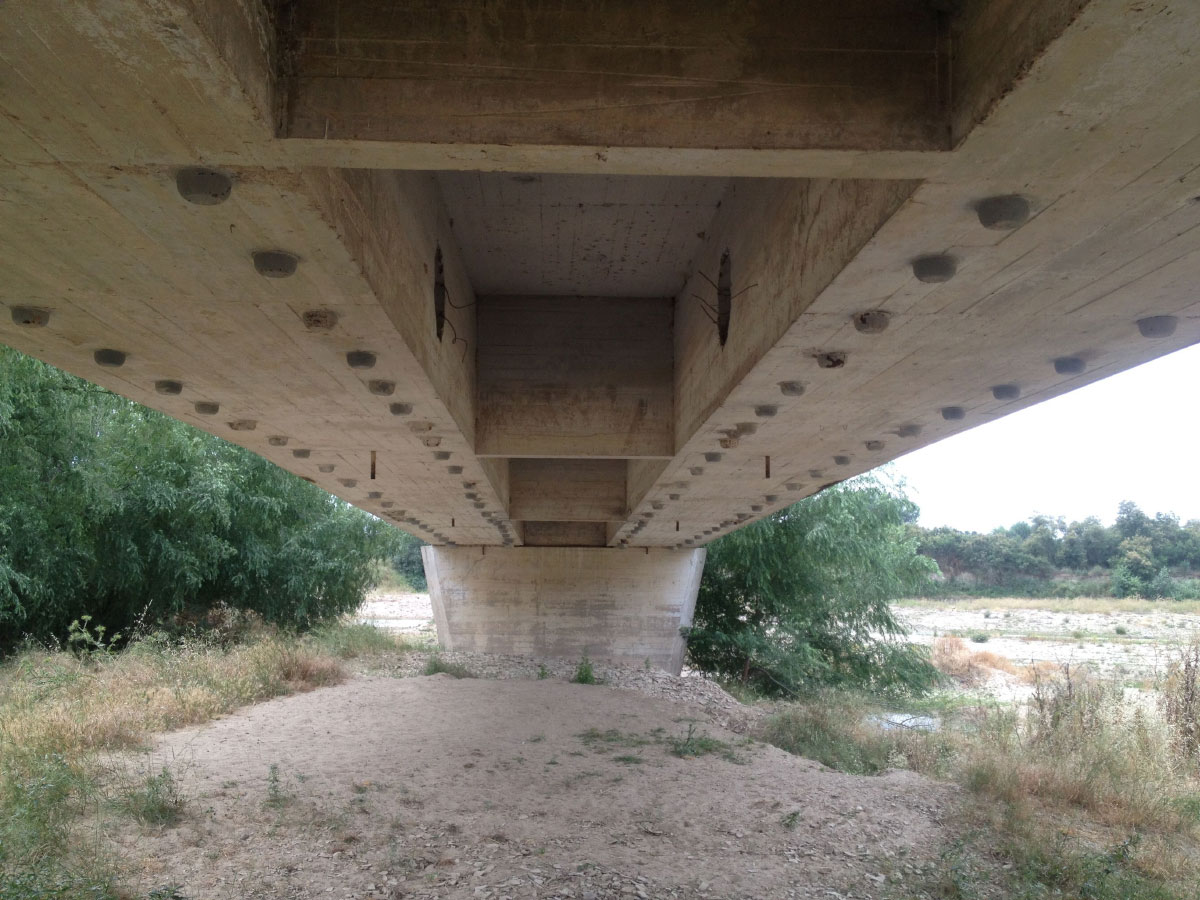
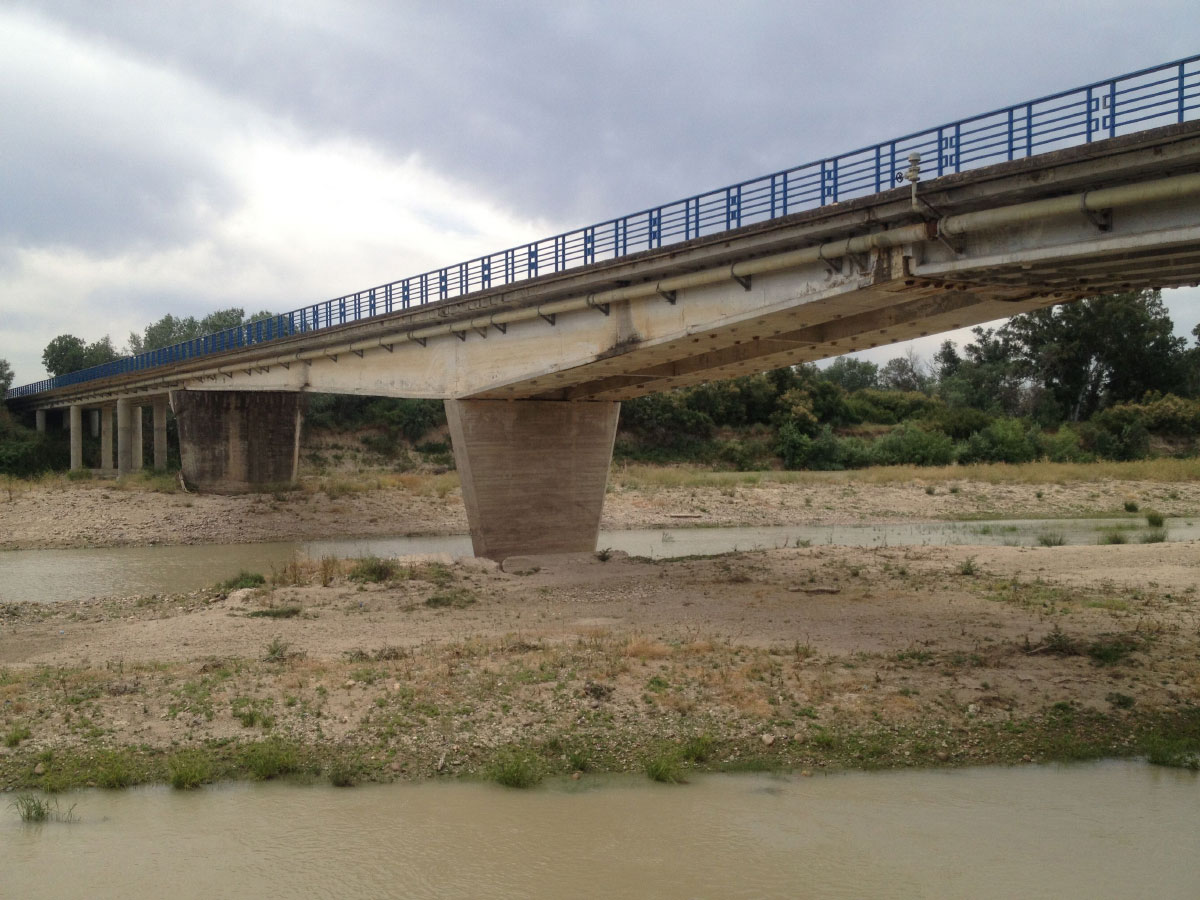
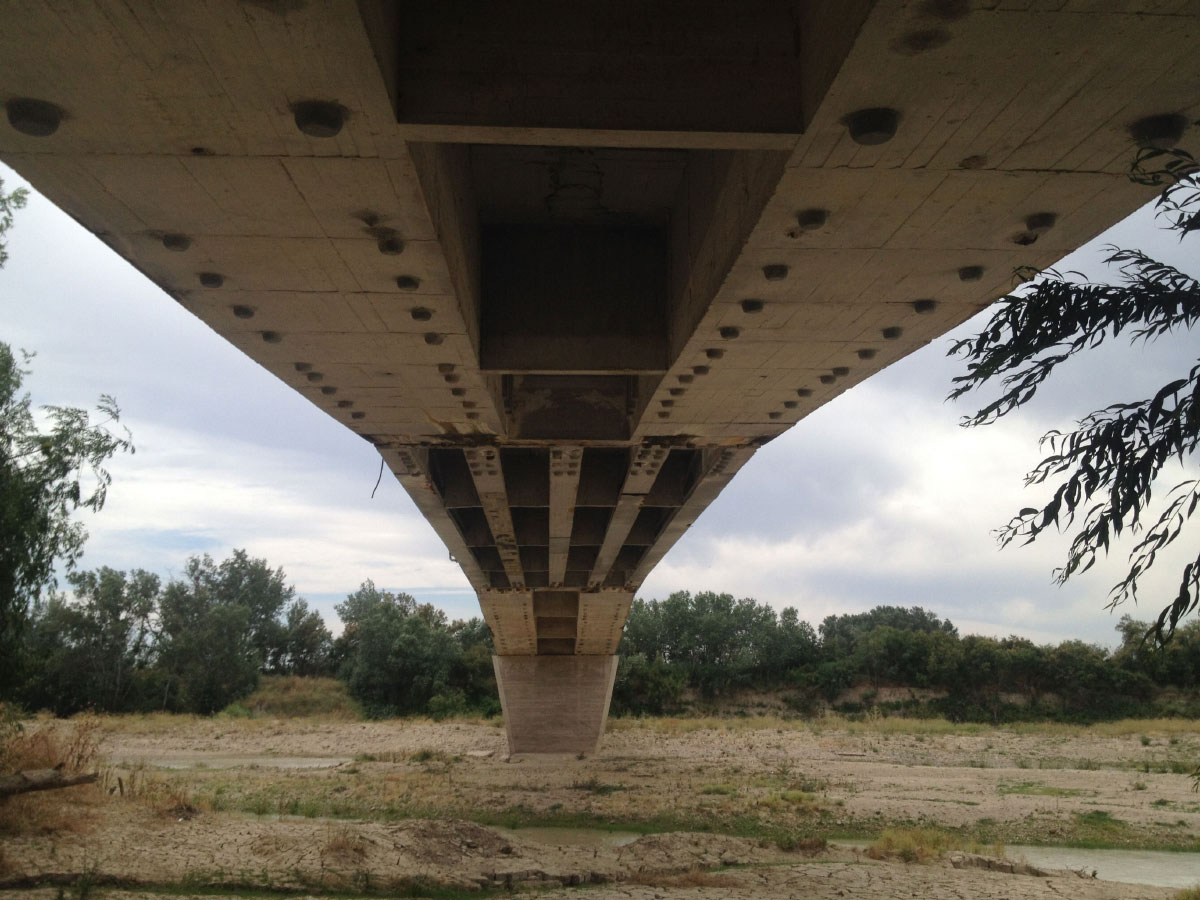
The bridge at Almodóvar del Río (Córdoba) is one of his works, an example of concrete optimisation and structural elegance. He built many other road and railway bridges, especially during Spain’s reconstruction and modernisation process in the 20th century. His contribution was decisive in the typological development of reinforced and prestressed concrete bridges.
By Alberto López, senior structural engineer in the Architecture Department at Amusement Logic
Images: Asociación Caminos-GOING.