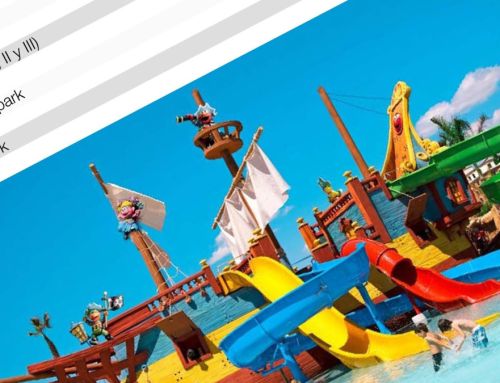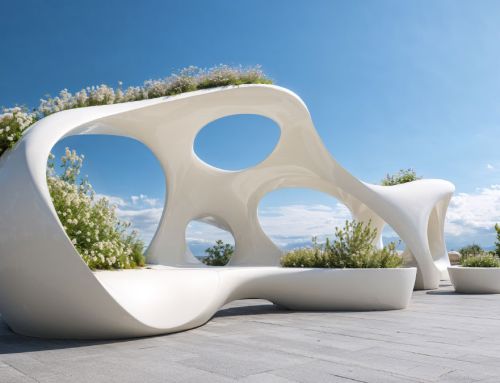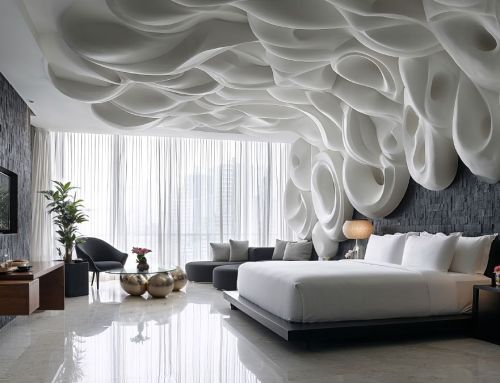

In the leisure and tourism sector, user experience has, in recent years, risen to the very top of the pyramid of objectives. Everything in this sector revolves around it, supports it, nurtures it and pursues it. However, from the perspective of the developer, investor or operator, that experience is a means to the ultimate success of an attraction, namely its profitability. Today, we will look at how, in order to reach the top of that pyramid and achieve profitability, the role of architecture is crucial — not just any architecture, but one that is properly understood.
The first thing to understand, as the dedicated professionals in Amusement Logic’s Architecture Department do, is that the discipline does not merely produce containers for experience. On the contrary, architecture is one of the tools that ensures its magic — that it is unique, memorable and also shareable, worthy of being made public. In this sense, it is not simply a technical or formal exercise, but one of the key pillars in the structure that elevates a project to the top of that pyramid and, therefore, to profitability. In other words, architecture is a solid bridge between conceptual design and physical construction.
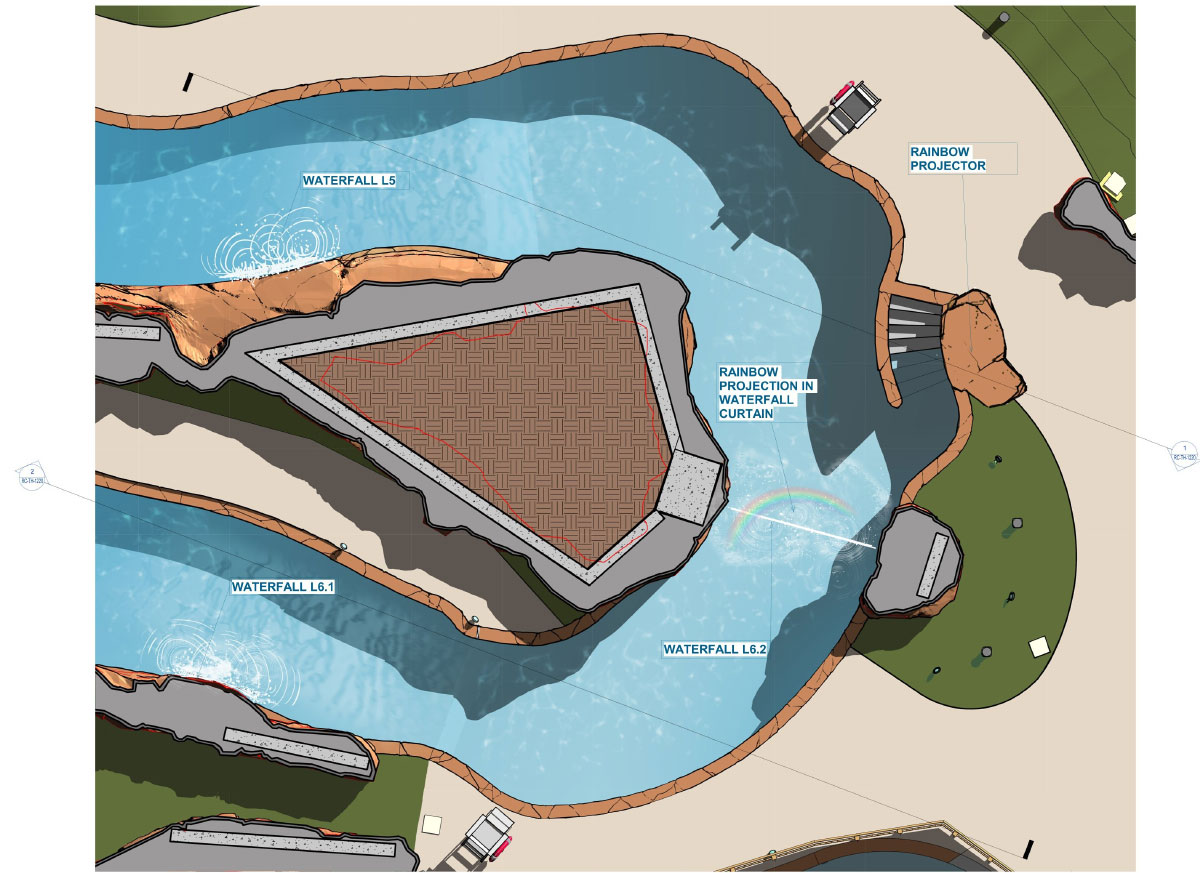
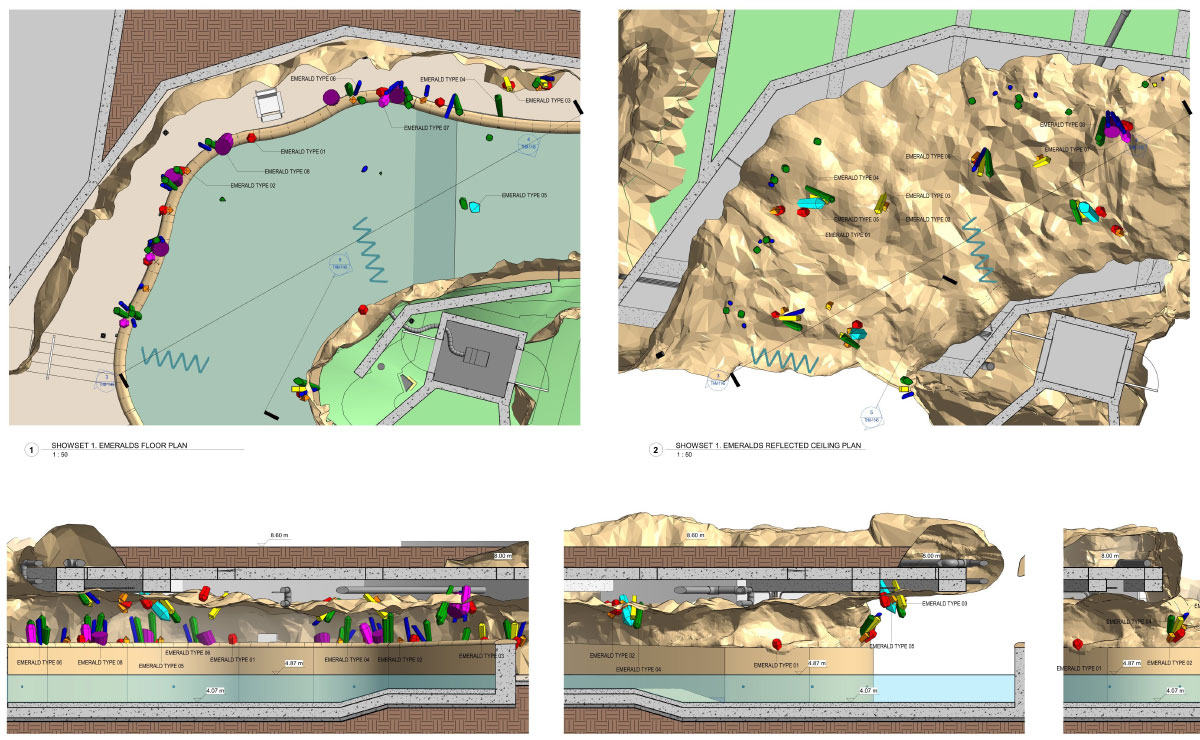
This way of working within the Architecture Department — just like that of the Design Department — is integrated into a broader system that we have developed and call AALOS™ (an acronym for Asset Lifecycle Operating System). This framework structures, validates and optimises every phase of an architectural project, from the preliminary design stage to the commissioning of the attraction or leisure and tourism facility, whilst always keeping in mind its subsequent operation and maintenance.
The function of AALOS™ in architecture is therefore to align context, technology and business, ensuring that every decision — ultimately in service of the user experience — is viable, safe and economically efficient, both in terms of initial investment (CAPEX) and operational and maintenance costs (OPEX). The aim is to eliminate uncertainty as far as possible, thereby avoiding rework and ensuring that the project meets the objectives of developers, investors and operators — or, in other words, delivers the experience they have defined from the outset to attract an audience.
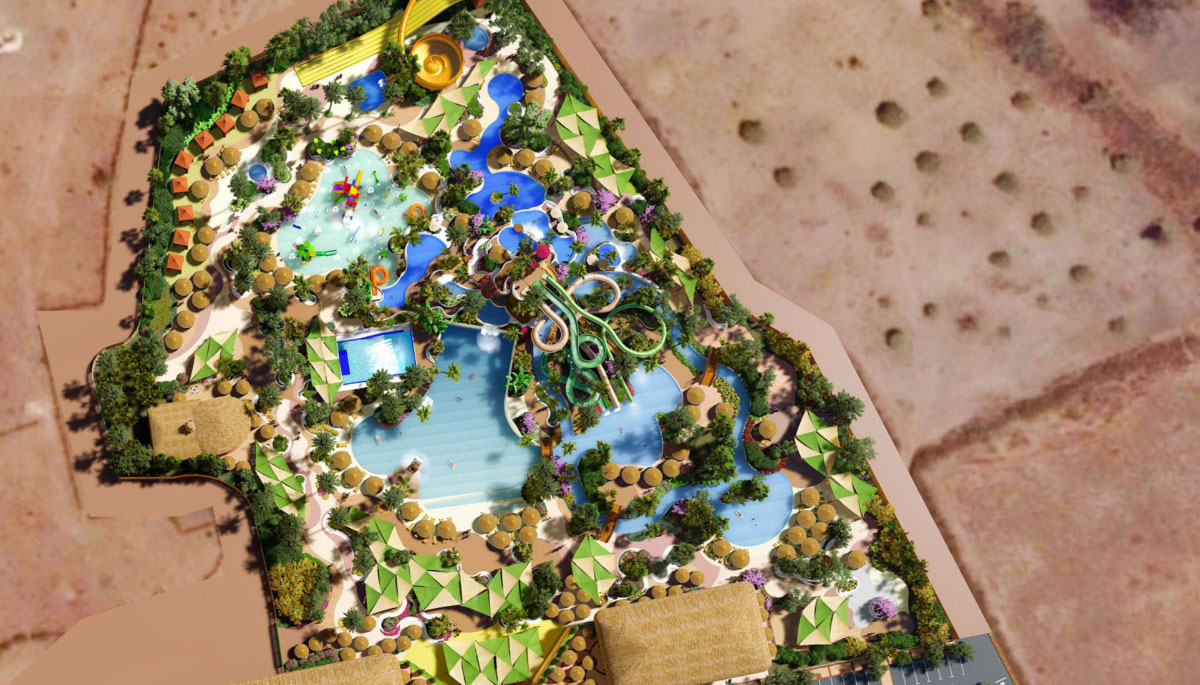
To achieve this, we rely on advanced tools such as BIM methodology (Building Information Modelling), artificial intelligence, and simulations of structural behaviour, energy performance and visitor flow. These technologies allow us to anticipate conflicts at early stages and optimise construction processes. However, technology is not an end in itself, but a means to success and profitability — and ultimately, to the best possible user experience. In other words, final judgement, data interpretation and responsibility lie with a human team with decades of professional experience.
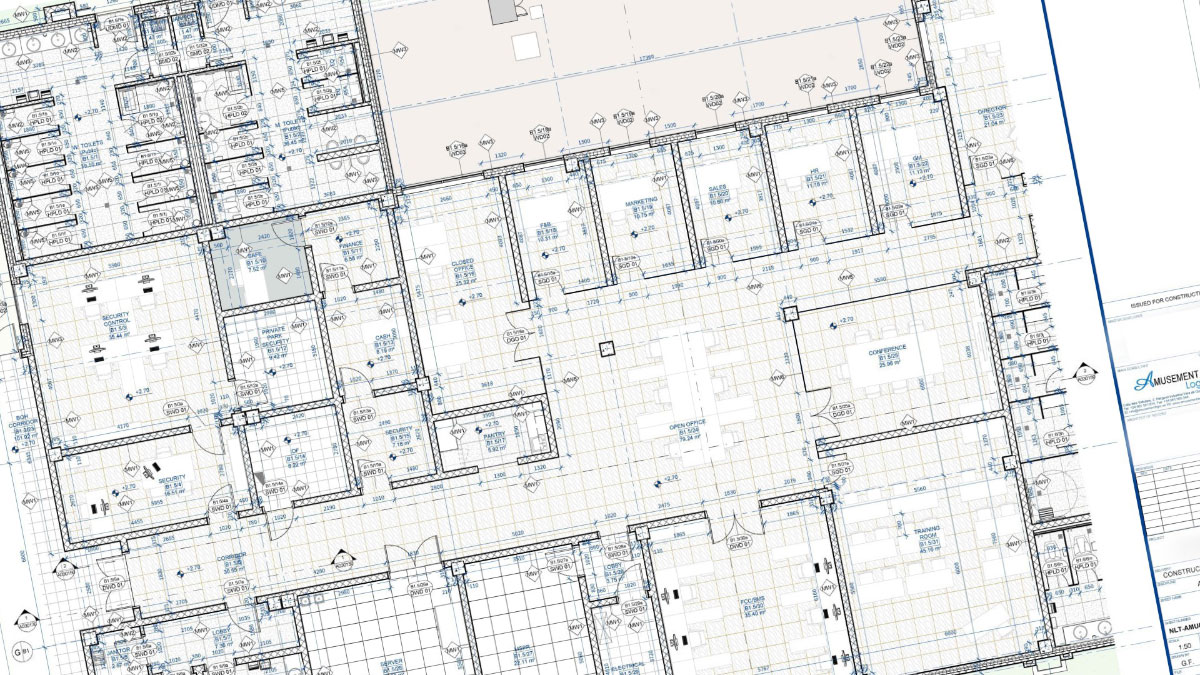
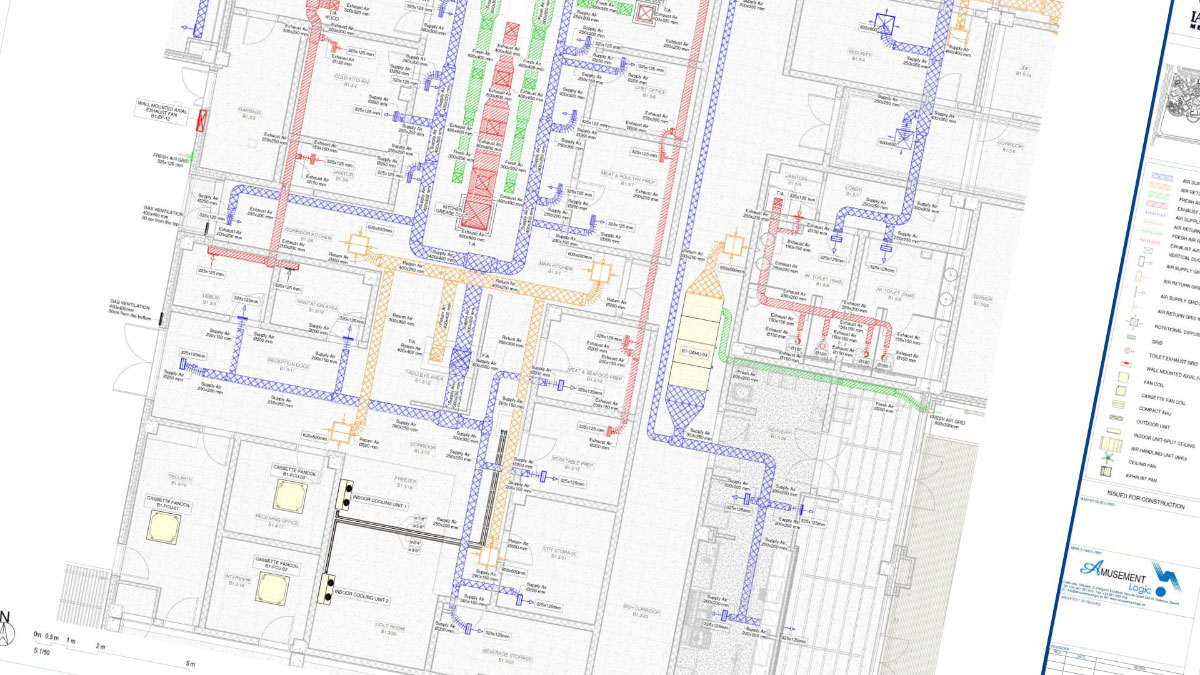
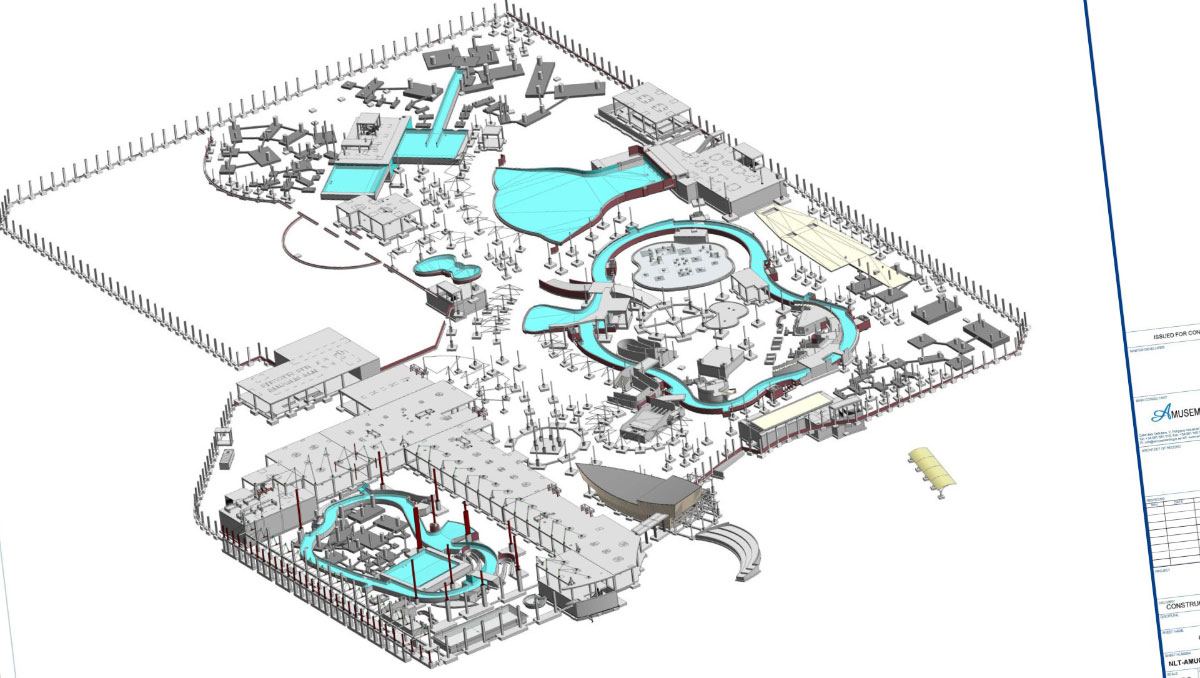
This way of understanding architecture means that its practice accompanies the project throughout its entire lifecycle. While its ultimate aim is to elevate the experience of guests, visitors, tourists and users, it also considers what supports it — the base of that pyramid. At that base lies the interpretation of the design and its execution during construction, but also the opening day, the first year of operation, the anticipation of future adaptations or expansions, and, of course, maintenance throughout the entire lifecycle.
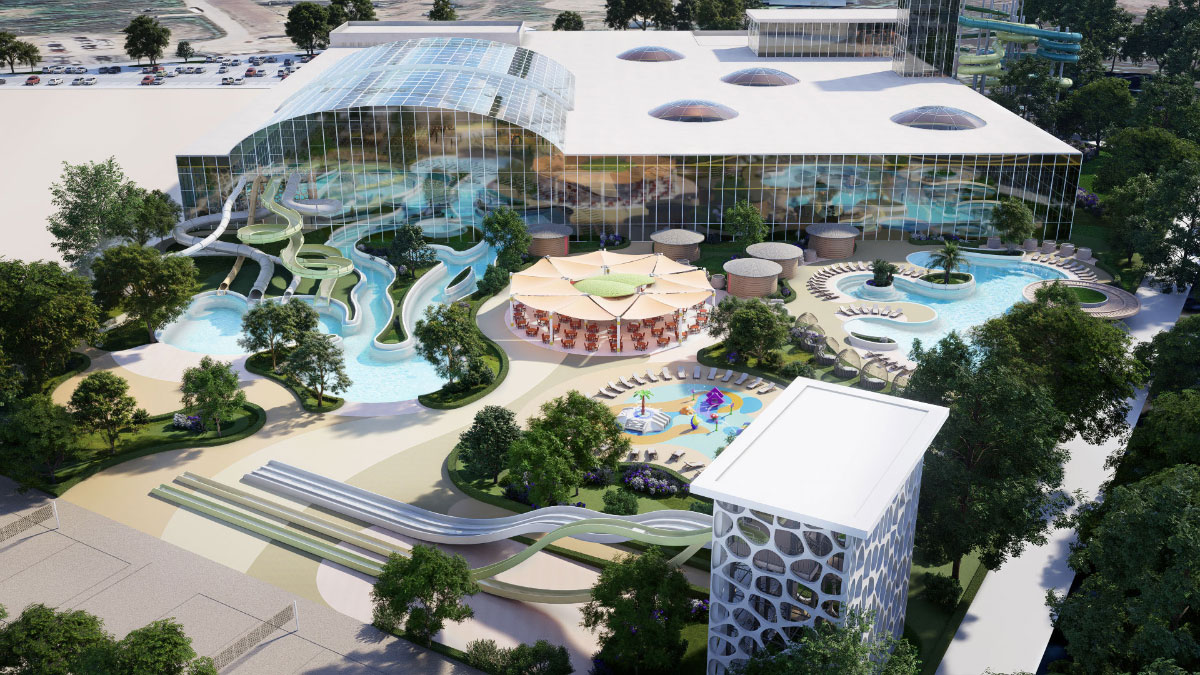
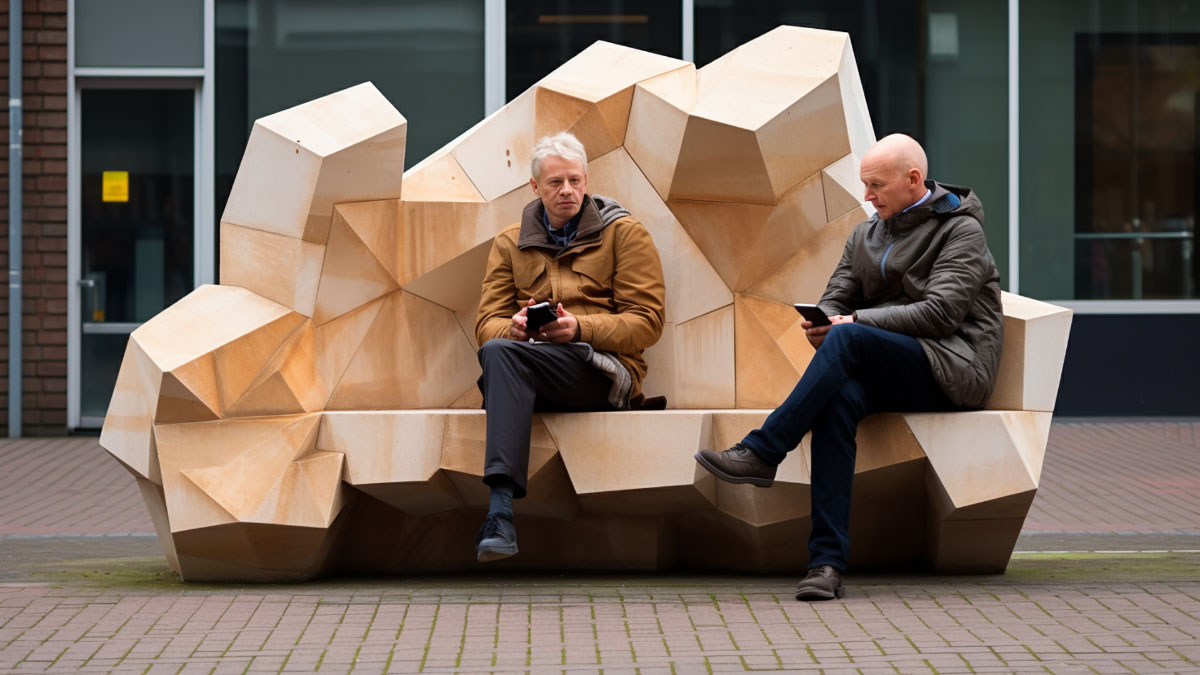
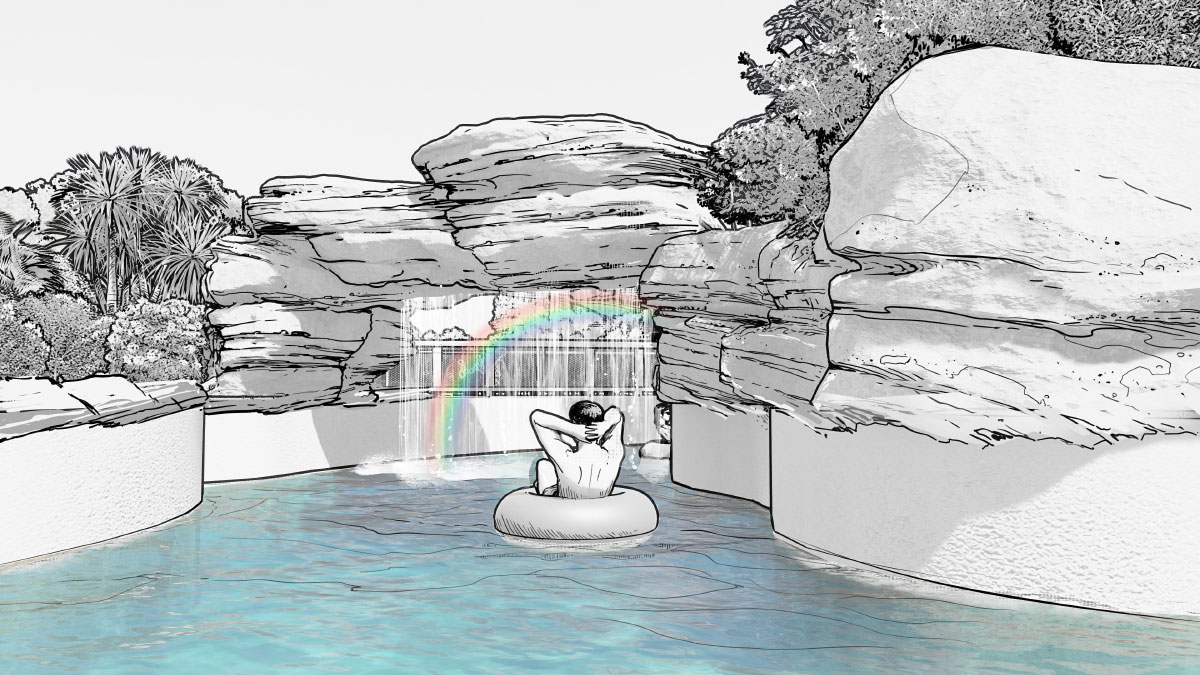
As you can see, it is not simply a matter of drawing plans; there are faster ways to do that. The real task is to coordinate all disciplines — structures, installations, theming — ensure regulatory compliance, and build safely, with control and with a long-term vision. And all of this, as you know, is in pursuit of an outstanding user experience. Because, as you are well aware by now, that experience is essential to the profitability of any leisure and tourism project.
Feel free to find out more about this architectural system through our website here: https://amusementlogic.com/services/architecture/