
In the design of zip lines for leisure and tourism facilities, the braking system is one of the key elements for safety and for ensuring the activity can take place under the right conditions. In this regard, there are two main categories of zip line braking systems: active systems, in which the user controls the braking force, and passive systems, which operate automatically without the participant’s intervention. Let’s take a look at what each of these categories involves:
Active braking systems allow the descent speed to be controlled and facilitate arrival at short platforms. However, their use requires a certain level of skill, which makes them less suitable for family users or inexperienced users. One example of the options within this category is the brake pad, which consists of a pad integrated into the carriage that, when activated, gradually applies friction to the descent cable.
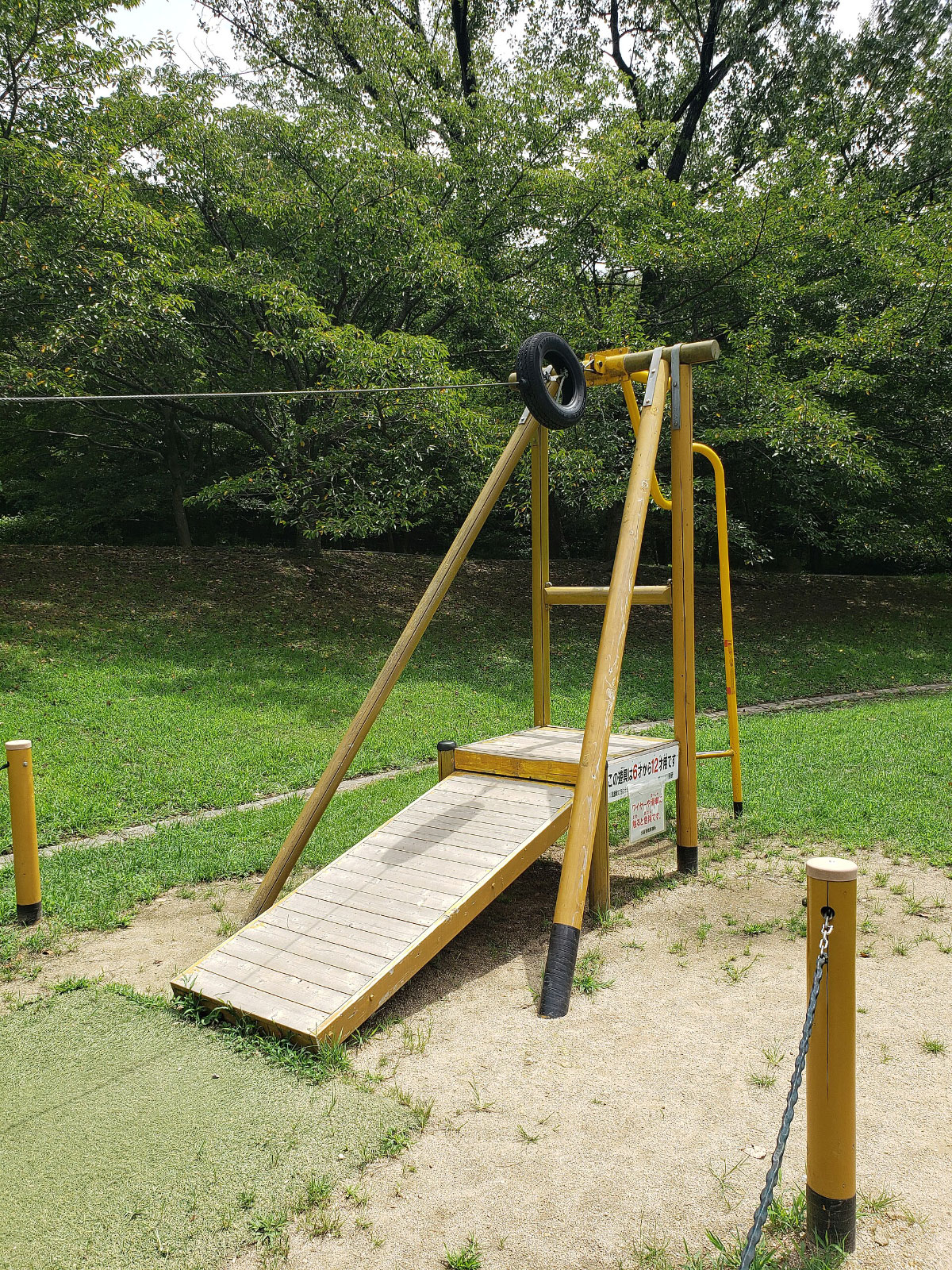
The aim of passive systems, by contrast, is to bring the carriage to a gentle halt over the shortest possible distance, in order to optimise the experience at the end of the ride. The simplest of these systems is gravity braking, which utilises the cable’s catenary to create a lower point that slows the user down before the end of the ride. Its main drawback is that it requires a long braking zone, which extends operating times and causes swaying. Furthermore, on occasions, if the user does not disembark, assisted recovery is necessary – a feature with which the system is, in any case, already equipped. Due to its low cost and ease of maintenance, it is used primarily in public parks.
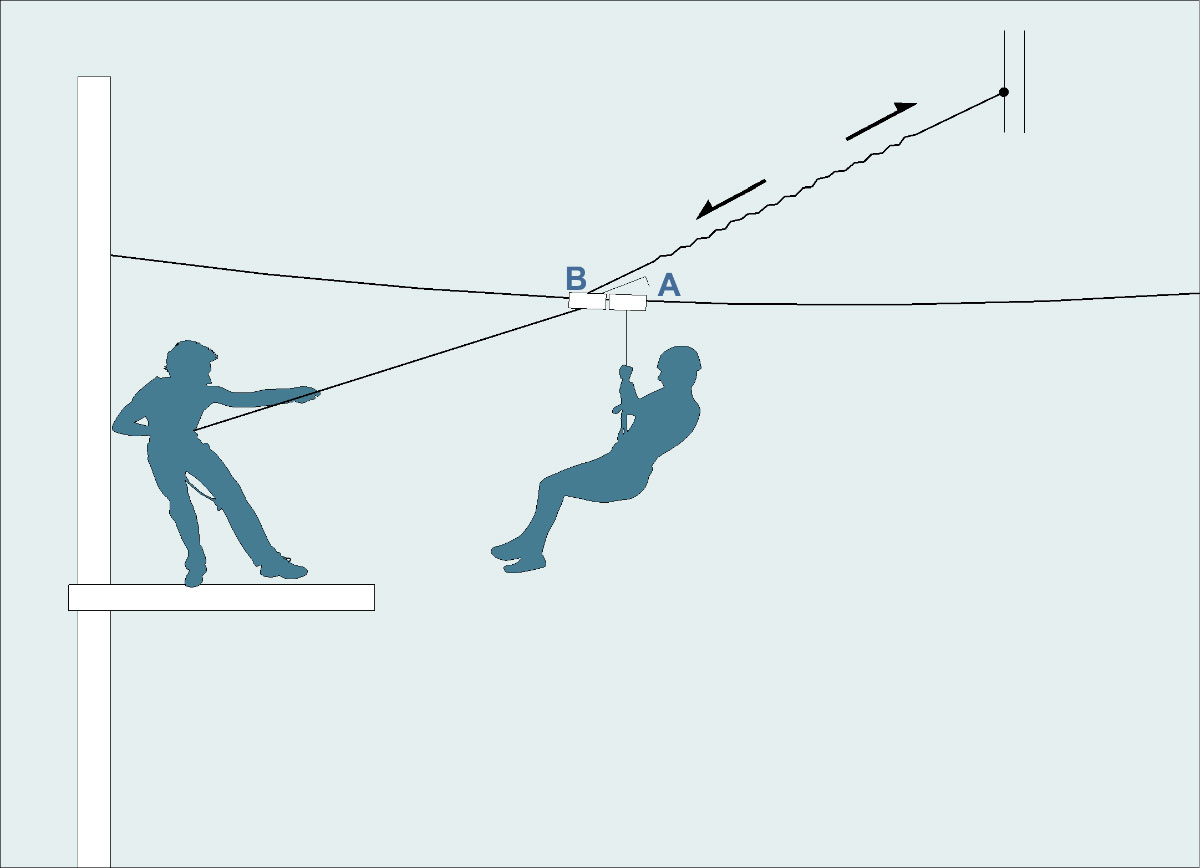
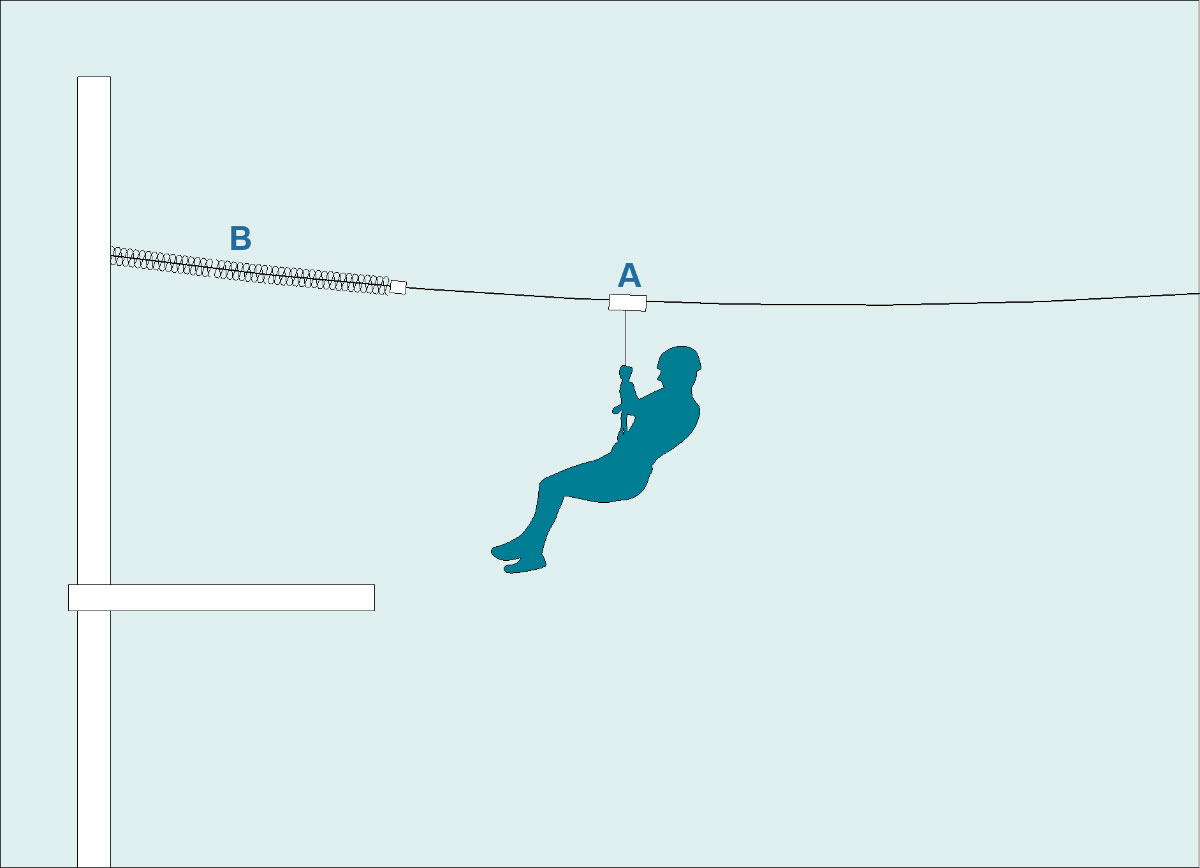
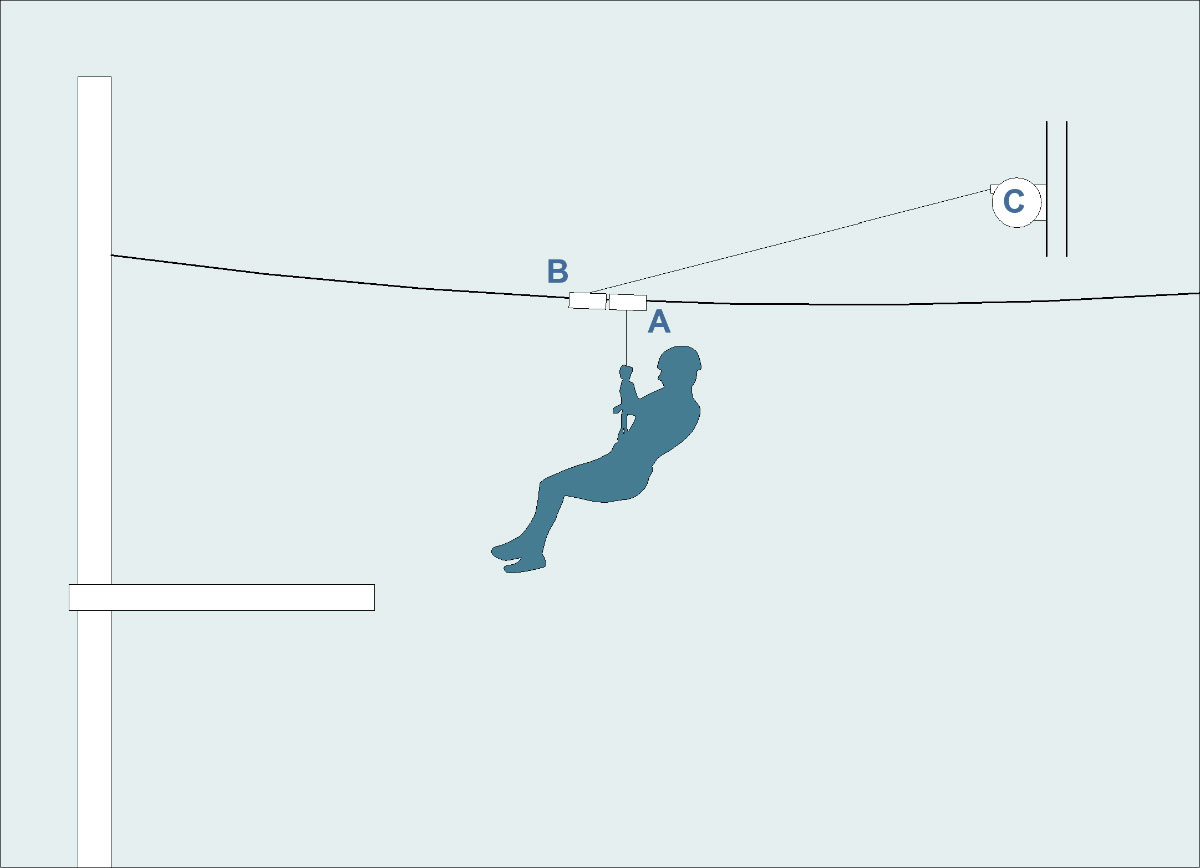
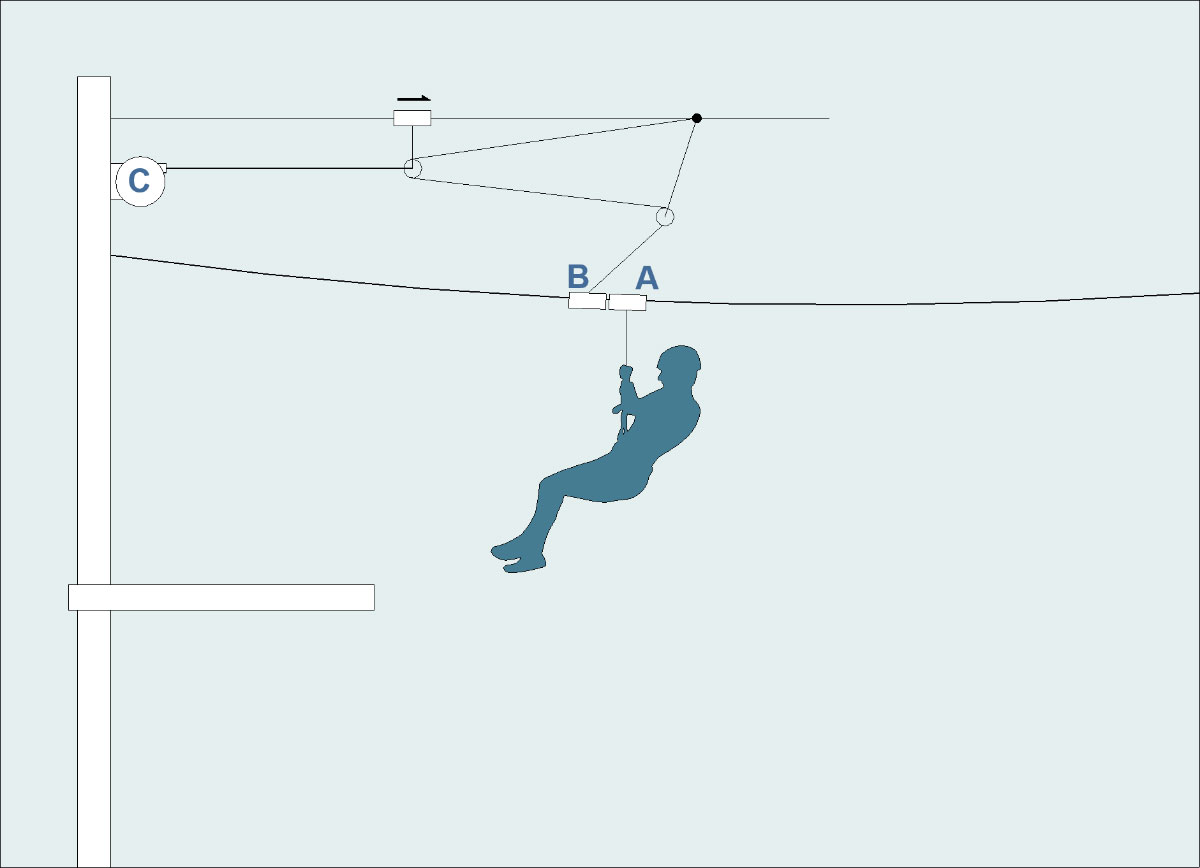
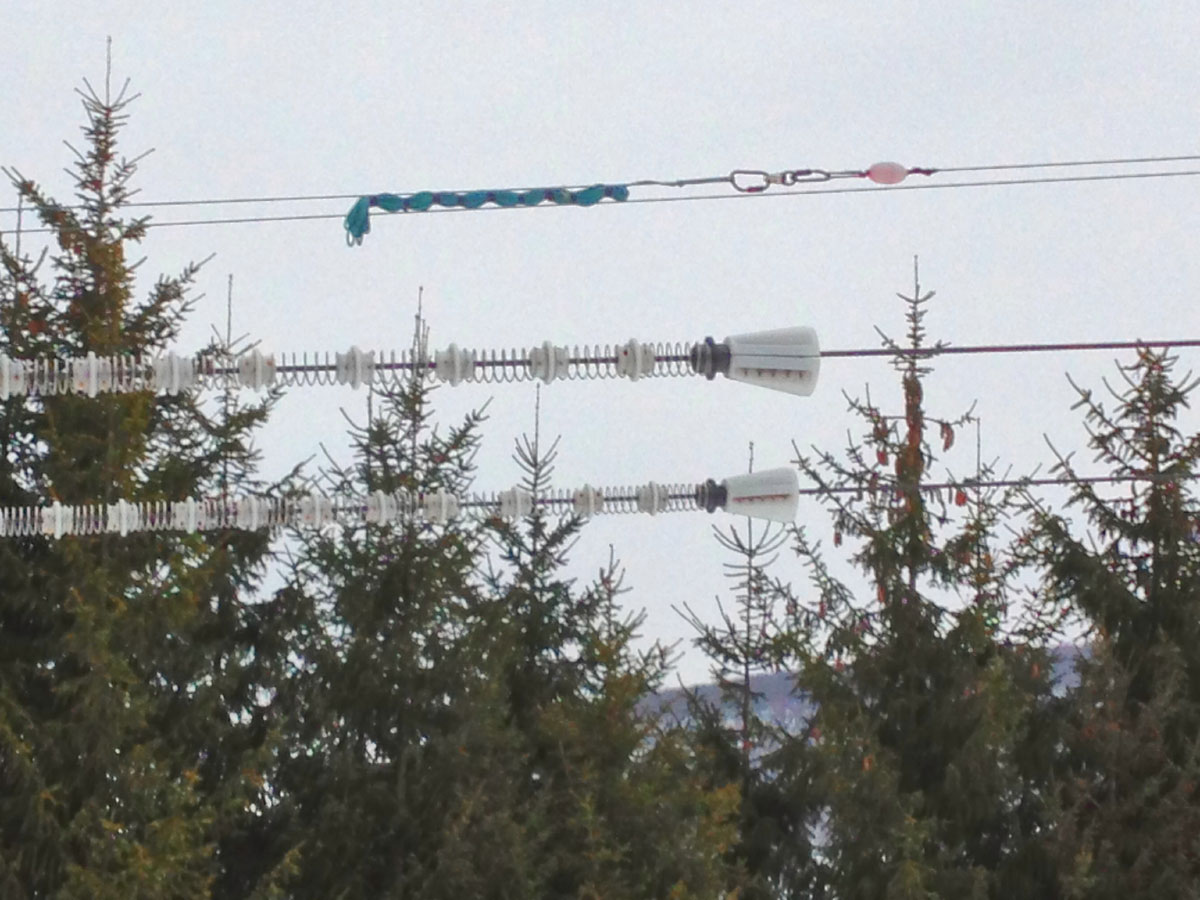
Other passive systems include methods of cushioning at the end of the descent. One example of these is springs arranged around the cable, which, when arranged in series, combine different levels of stiffness to adjust the braking. In some cases, this system features a catch mechanism that prevents rebound. Another example is the elastic cord or bungee. In this case, a braking carriage connected to an elastic cord—with various tensioning options from the platform—catches the user.
Of all these, the most technologically advanced system is the magnetic brake, which has no elastic or friction components. It uses a reel with magnets, which increases the service life and safety of the assembly. A spring returns the brake carriage to its initial position after each use. Although it is expensive, it is the most convenient and effective system, and allows the force to be multiplied via pulleys to double the braking distance at a ratio of 2:1.
In addition to end-of-travel braking systems, there are carriages with integrated passive speed control. They incorporate a centrifugal mechanism that brings the braking magnets closer together as speed increases. In this way, they automatically apply greater friction, regardless of the user’s weight. This solution is particularly useful on steeply sloping tracks, as it reduces the length required for the braking zone.
By Miquel Solís, senior architect in the Architecture Department at Amusement Logic