
In architecture for leisure and tourism, signage is a kind of Ariadne’s thread within the labyrinth of water and concrete that is a water park — a slender guide-rope that transforms disorientation into orientation and dispels the fear of getting lost. In the space between the visitor’s desire and their fulfilment, a mental process unfolds in four stages: orientation, decision, navigation and recognition. Amid the reflections and splashes of a water park, design must provide certainty about the correct path.
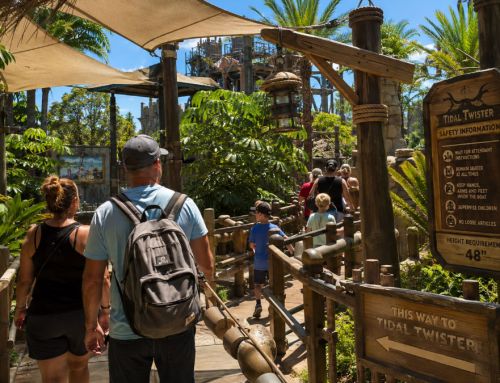
The signs that decode the spaces of a water park are expressed in four “languages”. There is the language of directional signage, which projects the way forward; that of informational signage, which communicates waiting times and prepares the user for what lies ahead; that of identification signage, which names and distinguishes each attraction; and that of regulatory signage, which imposes the necessary order for safe and harmonious coexistence.
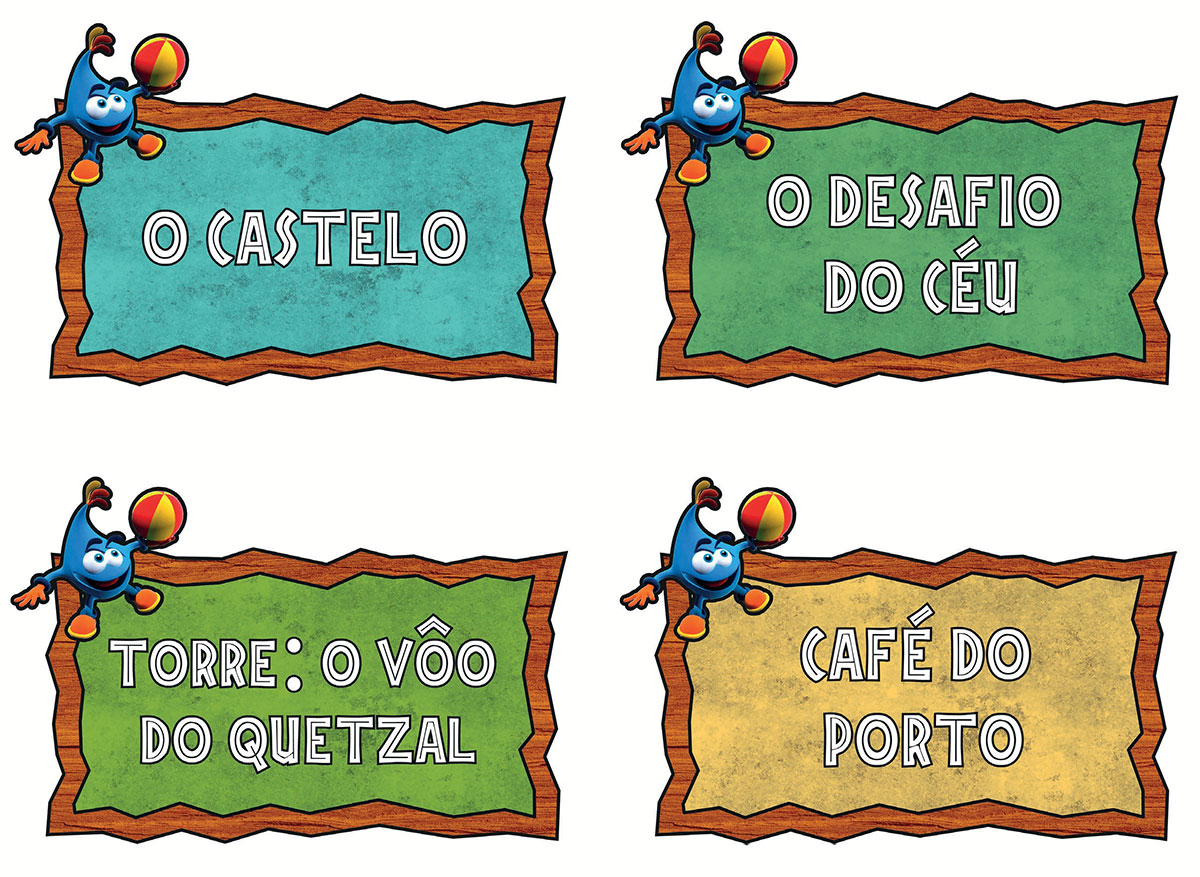
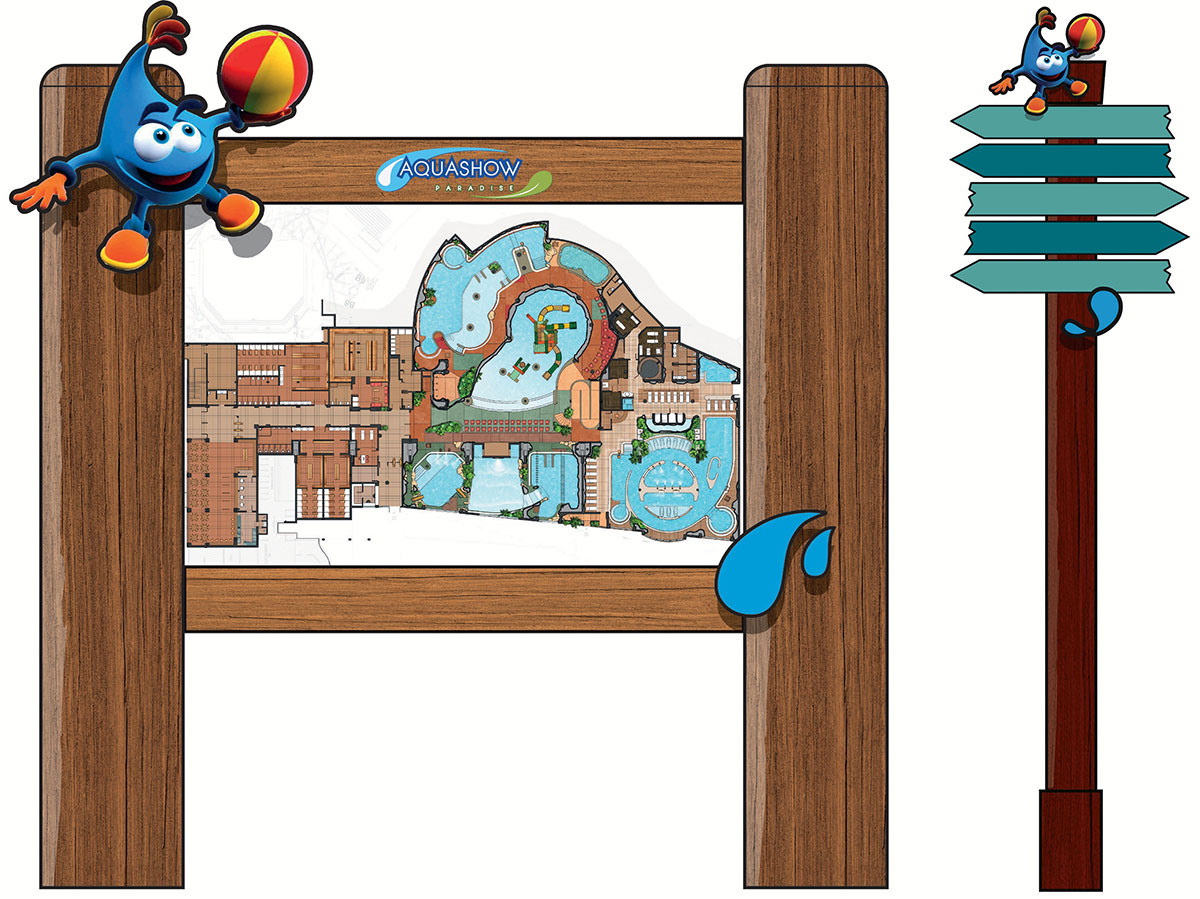
The effective design of these systems requires their placement at decision points and at junctions where uncertainty threatens to interrupt the flow of the experience. Each sign must act like a flash of lightning: brief, clear and impossible to ignore. If, upon pausing, the user looks up in search of confirmation and does not find it, the design has failed. The ultimate objective is for the space to explain itself — for the need for orientation to be satisfied even before the question is asked.
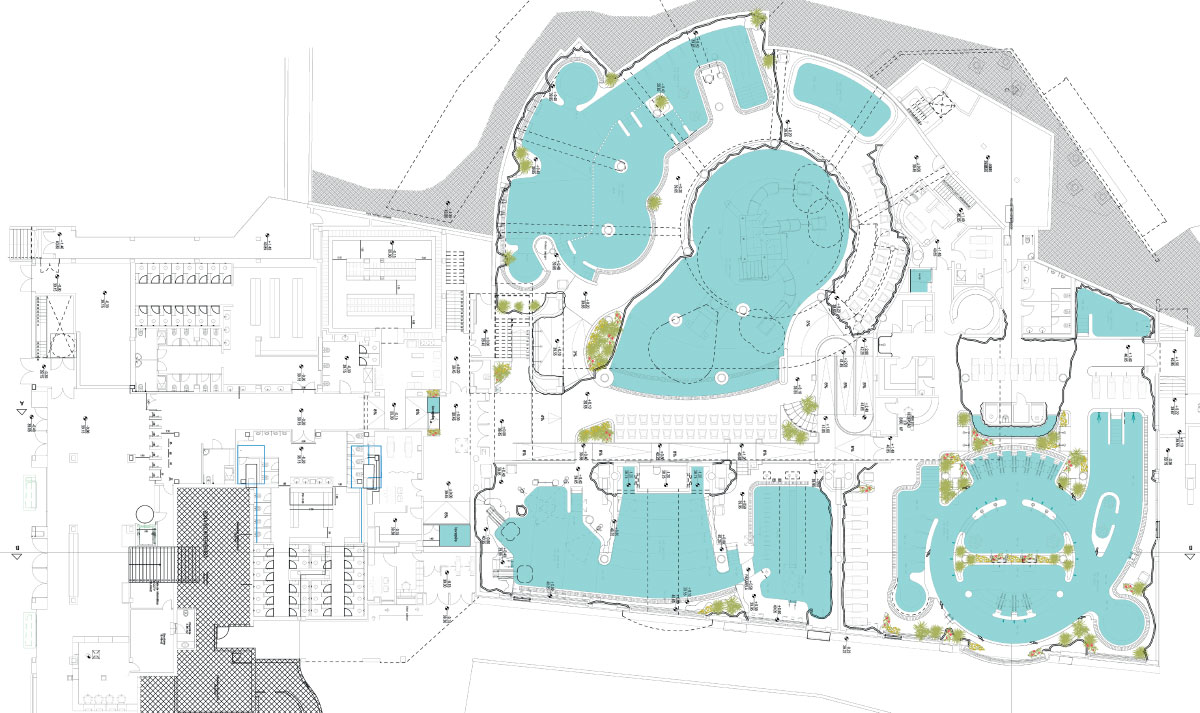
Maps, however, are no longer static elements fixed to a panel; they have become living systems capable of adapting and responding. New technologies have transformed signage, which now accompanies the user without requiring active searching. Digital electronic devices guide direction through haptic feedback, while providing real-time information on waiting times, unexpected closures and personalised recommendations. Signage anticipates user movement and redirects flows before chaos arises. In this way, water park operators manage visitor numbers with a level of precision previously unimaginable.
However, in a water park, as in a labyrinth, the true luxury lies not in always knowing where one is, but in the certainty of being able to get back. The space becomes an adventure — a place where getting lost is, quite simply, another way of finding oneself.
By Manolo Barberá, Senior Hydraulic Modeller, Architecture Department, Amusement Logic