
Fire-protection systems are essential for safety in buildings. Their objectives are to prevent fires, limit their spread and protect people and property. To achieve this, a combination of passive protection through architectural design, active protection through detection and extinguishing systems, and appropriate evacuation and self-protection solutions is required.
The first step in designing fire-protection infrastructure is to identify the level of risk. We are then in a position to size the protection proportionally.

The classification of risk levels is based on two factors:
–Use and occupancy, in other words, the activity carried out in the building and the number of people it accommodates.
–Fire load: a technical concept that quantifies the thermal energy that would be released in the event of total combustion of existing materials.
Once the level of risk has been determined, the specific requirements for each aspect of fire protection are defined:
–Passive protection consists of the use of fire-retardant materials and the sealing of spaces to compartmentalise the fire and prevent its spread.
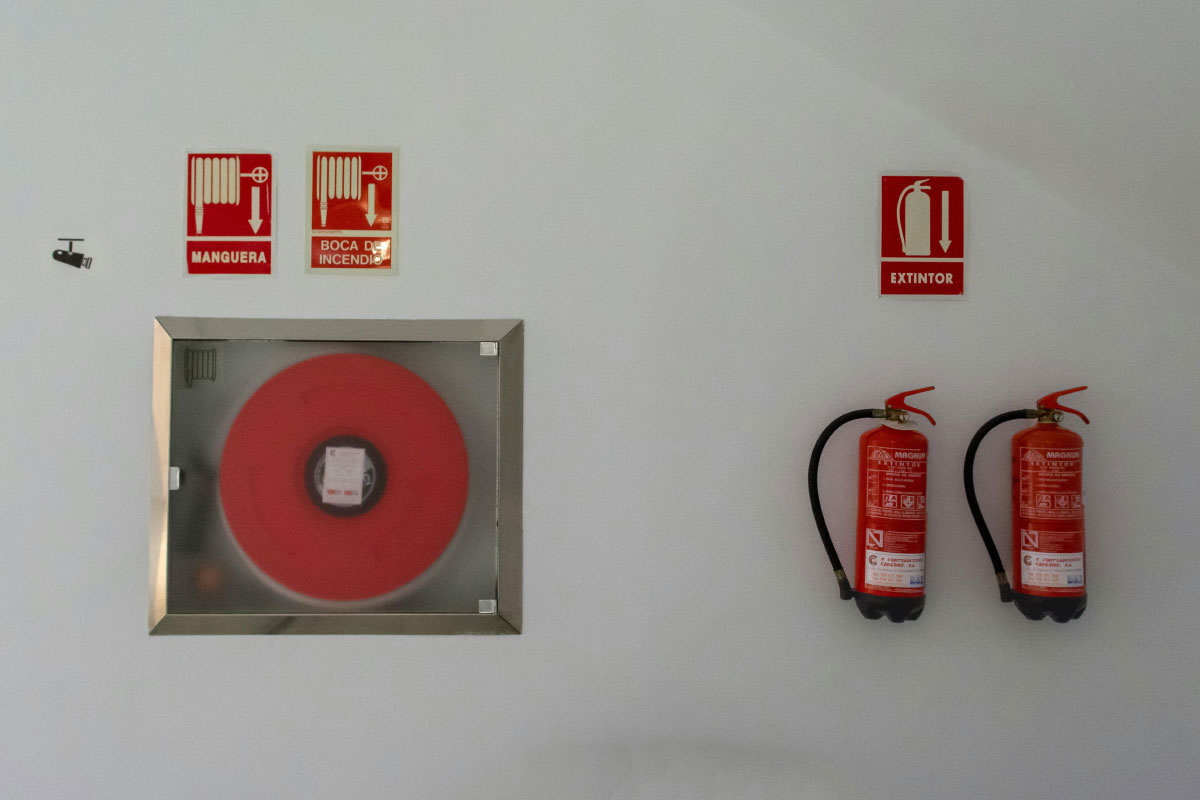
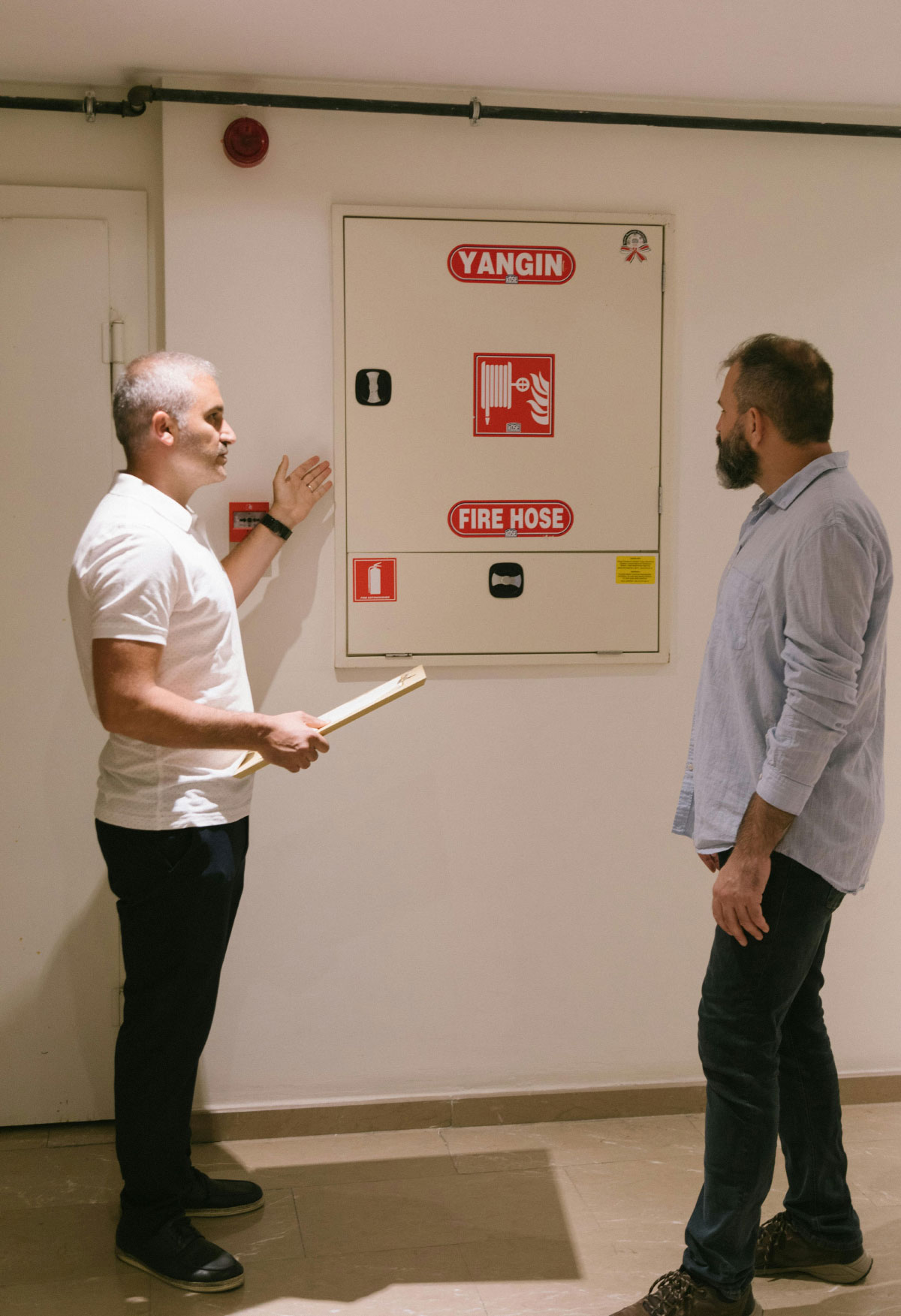
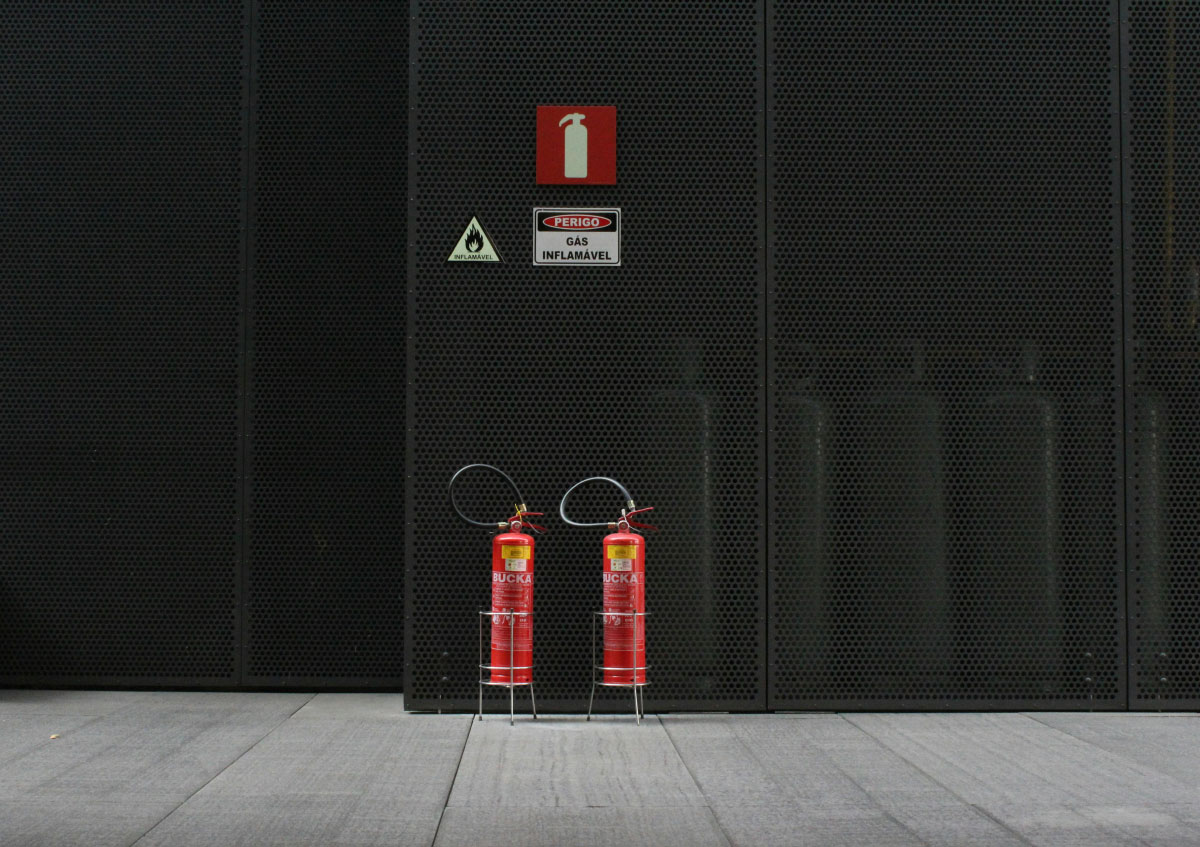
–Active protection, on the other hand, operates dynamically and includes detection systems—such as smoke or heat sensors that alert in milliseconds—and extinguishing systems—such as sprinklers, fire extinguishers, fire hydrants, or hydrants. Ventilation systems that keep escape routes free of toxic gases are also included in this category.
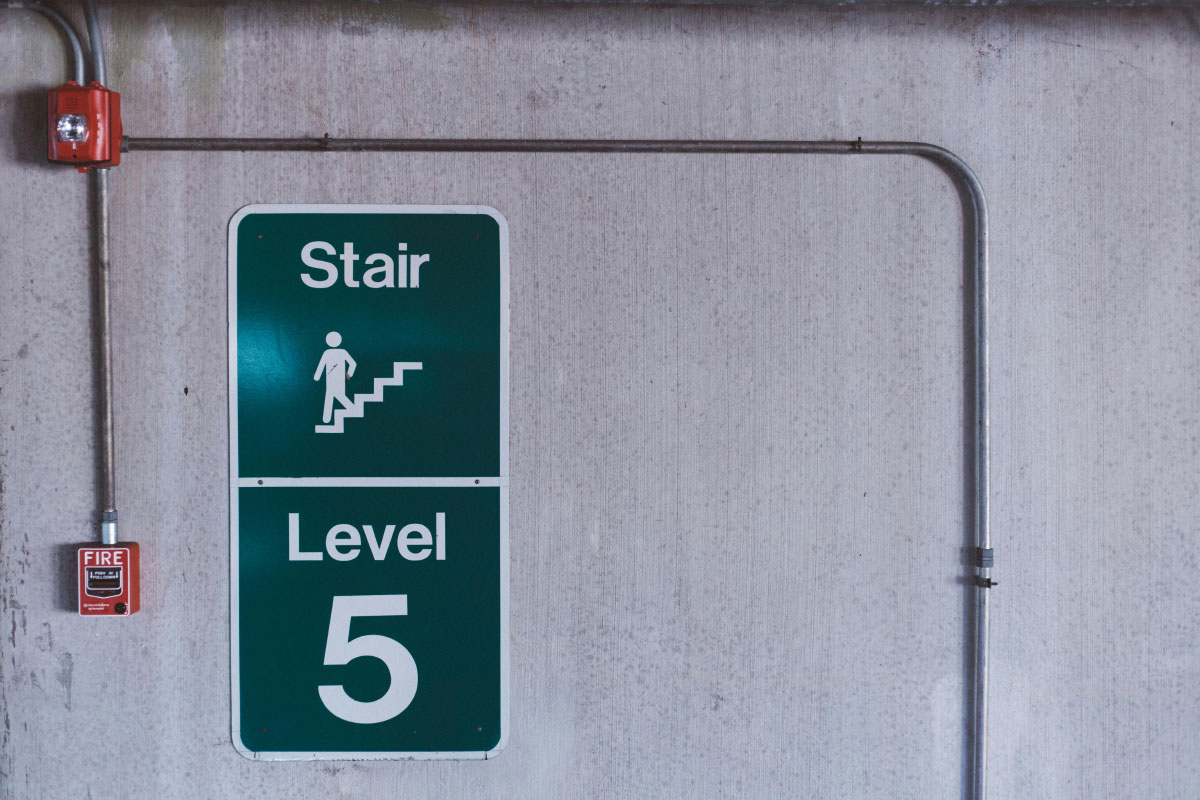
-Finally, evacuation makes use of the design of protected routes and the installation of signage and photoluminescent lighting to ensure an orderly and effective human response.
By Juan Carlos Soria, senior MEP engineer in the Architecture Department at Amusement Logic.